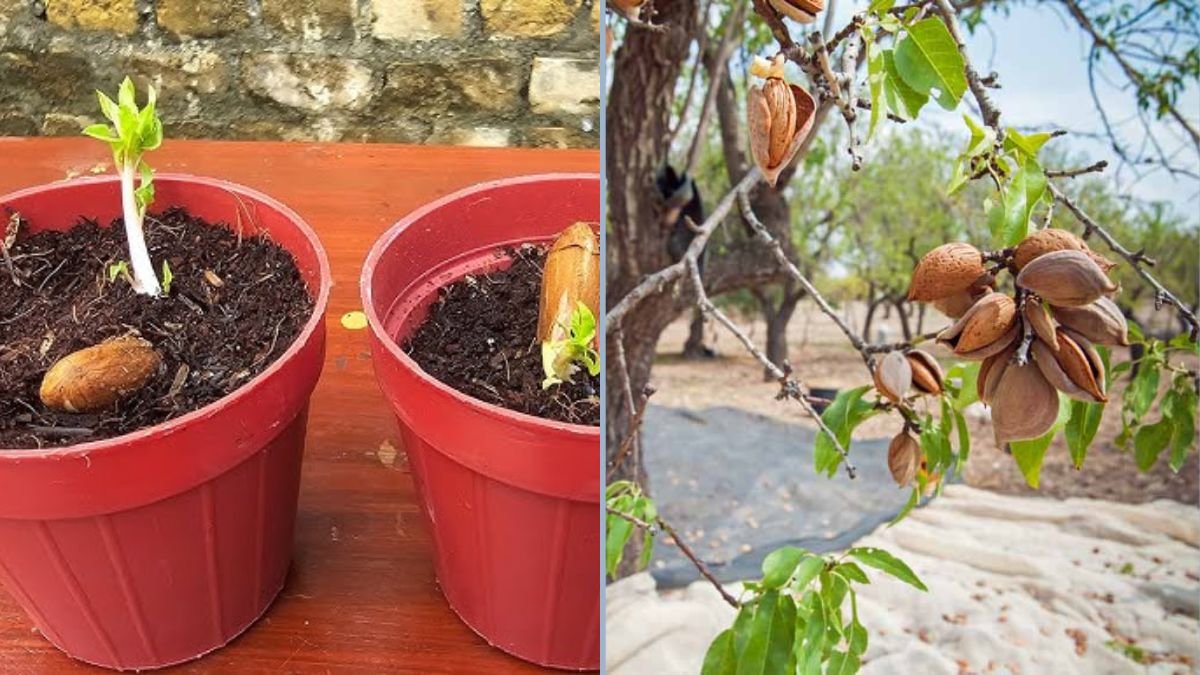
Almond trees are a symbol of beauty and bounty, known for their delicate flowers and nutrient-rich nuts. While many gardeners think that growing almonds requires orchards or grafted saplings, it’s surprisingly easy to grow almond trees from seeds—even in pots at home. Whether you’re an urban gardener with limited space or simply curious about cultivating your own almonds, growing almond trees from seeds is a rewarding and educational experience.
In this guide, we’ll cover the complete process, step-by-step instructions for growing almond trees in pots, essential care tips, and everything you need to know to nurture a healthy almond tree from seed.
Why Grow Almond Trees from Seeds in Pots
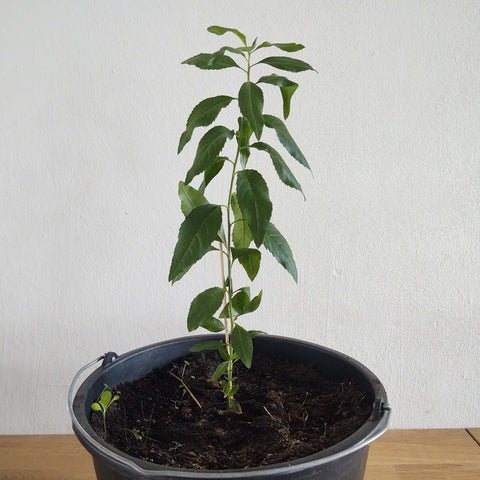
Growing almond trees from seeds in containers has several advantages:
- Space-saving: Perfect for balconies, patios, or small gardens.
- Cost-effective: Almond seeds are inexpensive compared to nursery saplings.
- Learning opportunity: Growing from seeds allows you to witness the entire life cycle.
- Controlled environment: Pots allow better control over soil, watering, and nutrition.
- Flexibility: Container-grown trees can be moved to optimize sunlight or protect from extreme weather.
With the right care, even a pot-grown almond tree can produce beautiful flowers and eventually yield nuts.
Step 1: Selecting and Preparing Almond Seeds
The first step in successful propagation is choosing healthy almond seeds:
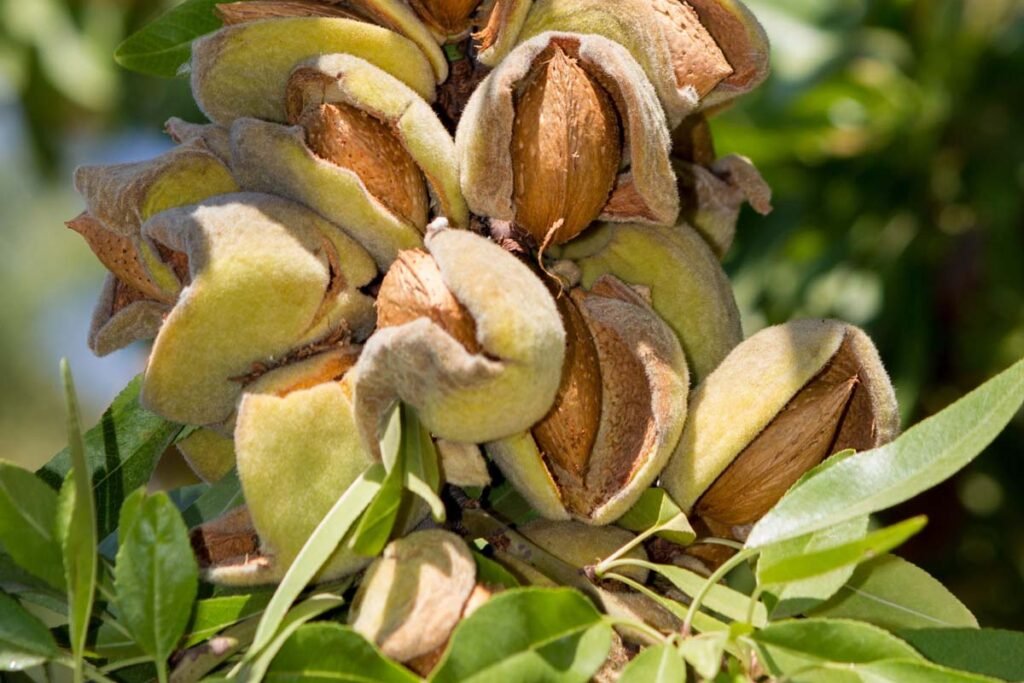
- Mature seeds: Select almonds that have fully ripened. Avoid underdeveloped or shriveled seeds.
- Hard shell: Seeds should have intact hard shells to protect the embryo inside.
- Freshness: Fresh seeds have higher germination rates. If storing, keep them in a cool, dry place until ready to plant.
Preparing Seeds for Germination
Almond seeds require a process called stratification, which mimics winter conditions and encourages germination:
- Soak the seeds: Place almonds in water for 24–48 hours to soften the outer shell.
- Cold treatment: Wrap the seeds in a damp paper towel or place them in a plastic bag with moist sand or peat moss.
- Refrigerate: Store in the refrigerator at 2–4°C (36–40°F) for 4–6 weeks.
- Check moisture: Ensure the medium stays damp but not waterlogged to prevent mold.
Stratification signals to the seed that it’s safe to sprout when planted in soil.
Step 2: Planting Almond Seeds in Pots
Once stratification is complete, you can plant the seeds in pots:
Choosing the Right Pot
- Size: Start with a pot at least 8–12 inches in diameter and 10–12 inches deep for seedling growth. Larger pots are better for long-term growth.
- Drainage: Ensure the pot has drainage holes to prevent waterlogging.
- Material: Plastic, ceramic, or clay pots all work, but ensure durability and adequate root space.
Preparing the Soil
Almond trees prefer well-draining, nutrient-rich soil:
- Mix equal parts of garden soil, compost, and sand.
- Ensure the soil is slightly acidic to neutral (pH 6–7).
- Avoid heavy clay soils that retain too much water, as almonds are sensitive to root rot.
Planting Technique
- Fill the pot with the prepared soil mix, leaving a few inches from the top.
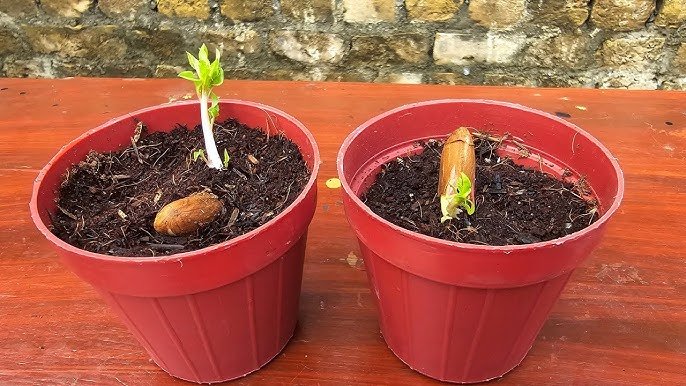
- Place the almond seed horizontally or at a slight angle about 1–2 inches deep.
- Cover lightly with soil and water gently.
- Place the pot in a warm, sunny spot with indirect sunlight initially.
Germination typically occurs in 2–4 weeks, depending on seed quality and environmental conditions.
Step 3: Caring for Almond Seedlings
Proper care during the seedling stage is crucial for healthy growth:
Watering
- Keep the soil consistently moist but not soggy.
- Water thoroughly when the top 1–2 inches of soil feel dry.
- Avoid overwatering to prevent fungal infections and root rot.
Sunlight
- Almond seedlings require at least 6 hours of sunlight daily.
- Gradually expose them to direct sunlight to strengthen stems and leaves.
Fertilization
- Use a balanced, slow-release organic fertilizer once the seedling develops 2–3 sets of leaves.
- Alternatively, apply compost tea or diluted organic liquid fertilizer every 2–3 weeks.
Pruning
- Remove any damaged or weak shoots to promote a strong central stem.
- Early pruning helps establish a good structure for future growth.
Step 4: Transplanting or Long-Term Container Growth
Almond trees can thrive in pots for several years if cared for properly:
Pot Selection for Mature Trees
- Upgrade to a larger pot (20–25 gallons or more) as the tree grows.
- Ensure the pot has adequate drainage and is sturdy enough to support the mature tree.
Soil Maintenance
- Refresh soil annually by adding compost or organic fertilizers to maintain nutrient levels.
- Mulch around the base to retain moisture and suppress weeds.
Location
- Place the pot in a sunny location, protected from strong winds.
- During extreme temperatures, move the pot to a sheltered area if necessary.
Step 5: Pollination and Flowering
Almond trees are primarily self-incompatible, meaning they often require cross-pollination for nut production:
- Flowering: Trees typically produce fragrant pink or white blossoms in late winter or early spring.
- Pollination: If growing a single tree, hand-pollination may be required using a small brush to transfer pollen.
- Multiple trees: Planting two compatible varieties increases the likelihood of nut production.
Proper pollination is essential for a successful harvest of almonds.
Step 6: Long-Term Care and Maintenance
Even container-grown almond trees require ongoing care:
- Watering: Deep watering every 1–2 weeks during dry spells encourages strong root development.
- Fertilization: Apply organic fertilizers seasonally to support flowering and fruiting.
- Pruning: Maintain an open canopy for air circulation and sunlight penetration.
- Pest and Disease Management: Monitor for aphids, scale, and fungal infections. Treat with neem oil or other organic solutions.
Step 7: Harvesting Almonds
Almond trees grown from seeds may take 5–7 years to bear fruit:
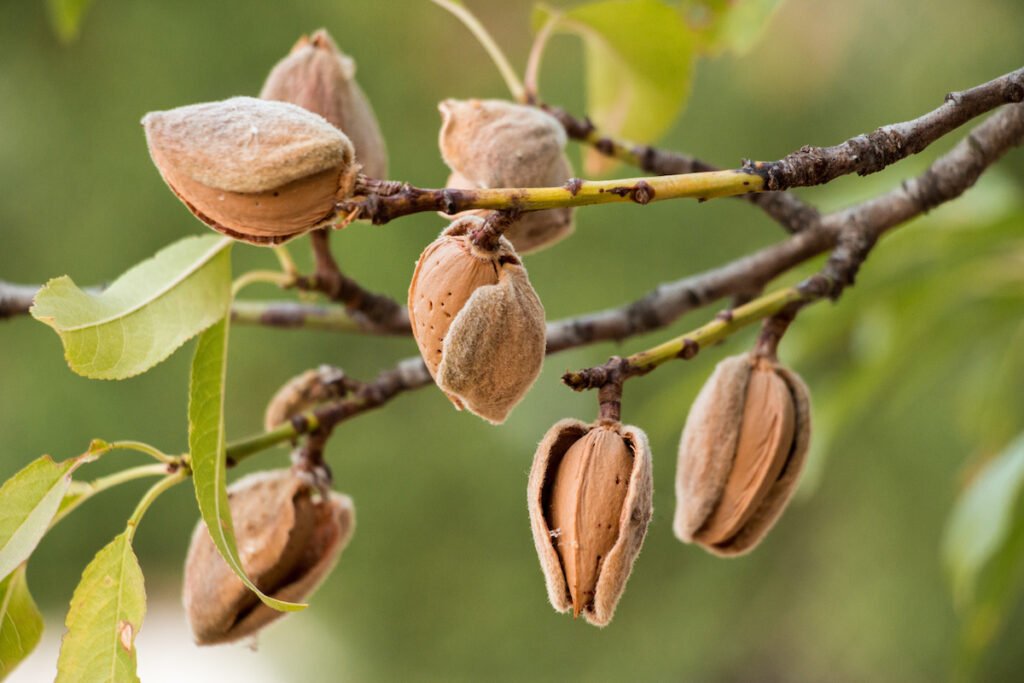
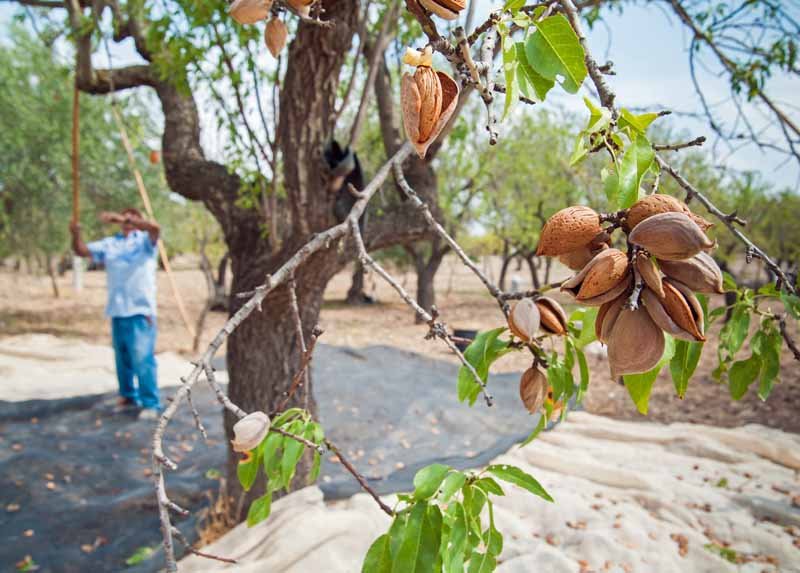
- Signs of maturity: Nuts are ready when the outer hull splits and begins to dry.
- Harvesting: Collect nuts carefully and remove the hull.
- Drying: Dry the nuts in a ventilated area for 1–2 weeks.
- Storage: Store shelled almonds in an airtight container in a cool, dry place.
Consistent care and proper harvesting ensure a steady supply of high-quality almonds.
Tips for Successful Almond Tree Propagation in Pots
- Select fresh, healthy seeds for higher germination rates.
- Follow cold stratification to break seed dormancy.
- Use nutrient-rich, well-draining soil to promote root growth.
- Water consistently while avoiding overwatering.
- Provide plenty of sunlight for strong growth.
- Prune early to establish a strong structure.
- Monitor for pests and diseases and use organic treatments when necessary.
- Be patient: Almond trees take several years to bear nuts, especially from seeds.
Conclusion
Growing an almond tree from seed in a pot is a rewarding way to experience the entire life cycle of this beautiful and productive tree. From selecting healthy seeds to germination, seedling care, pot cultivation, and eventually flowering and nut production, each step is manageable with proper attention and care.
Even though seed-grown almond trees may take several years to produce nuts, they offer the satisfaction of nurturing a tree from scratch while enjoying the beauty of delicate blossoms and the potential for a homegrown almond harvest.
Whether you’re an urban gardener, a balcony farmer, or simply interested in learning more about tree propagation, growing almond trees from seeds in pots is an achievable and enjoyable project that rewards patience, dedication, and care with both beauty and bounty.