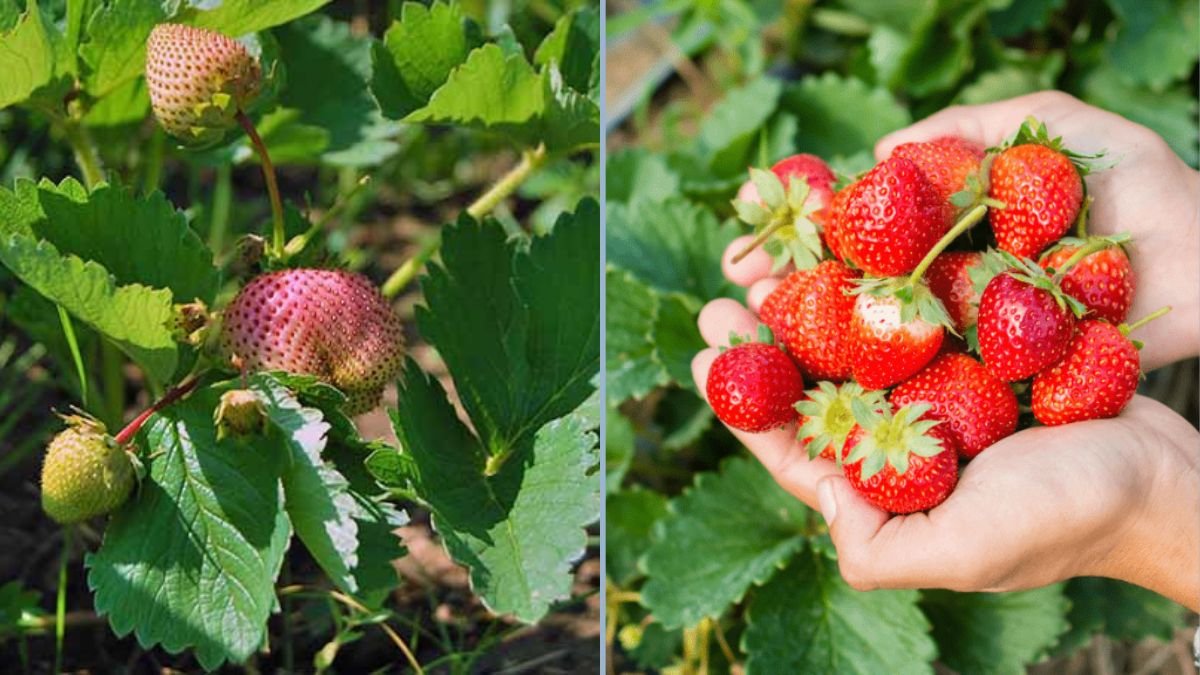
Few fruits evoke as much joy as strawberries—bright red, juicy, and bursting with sweetness. Growing strawberries at home is not only rewarding but also surprisingly versatile. Whether you have a small balcony, a garden bed, or containers, you can cultivate these delicious berries with minimal effort.
The key is choosing the right method for your space and climate. In this guide, we’ll explore three effective ways to plant strawberries, along with care tips, harvesting strategies, and tricks for maximizing yield. By the end, you’ll have all the knowledge needed to enjoy fresh, homegrown strawberries year-round.
Why Grow Strawberries at Home?
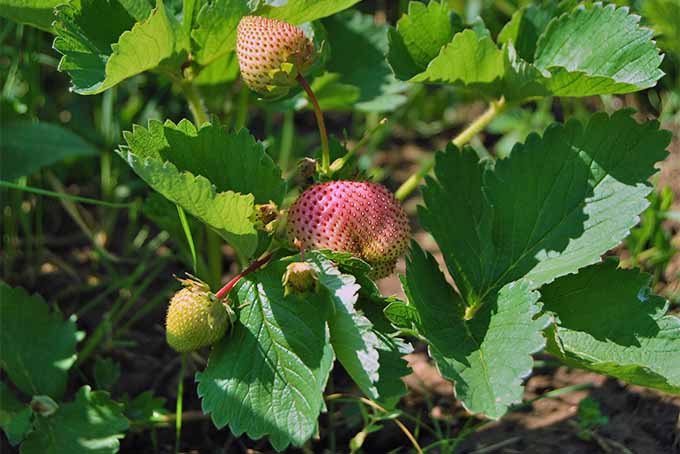
- Freshness and Flavor: Homegrown strawberries are far sweeter and juicier than store-bought berries.
- Cost Savings: Avoid the high price of fresh strawberries, especially out of season.
- Pesticide Control: Grow organic strawberries safely without harmful chemicals.
- Versatility: Grow in garden beds, pots, hanging baskets, or vertical setups.
- Fun & Educational: Great project for kids and a way to learn about gardening and plant care.
Step 1: Selecting the Right Strawberry Variety
Choosing the right strawberry variety is crucial for successful growth:
- June-bearing: Produce a single large crop in late spring or early summer. Ideal for backyard beds.
- Ever-bearing: Yield two to three harvests throughout the growing season. Suitable for containers or small gardens.
- Day-neutral: Fruit continuously during long growing seasons, perfect for balconies or vertical gardens.
Pro Tip: For first-time growers, ever-bearing or day-neutral varieties are easier to manage and produce multiple harvests.
Step 2: Preparing Your Strawberry Plants
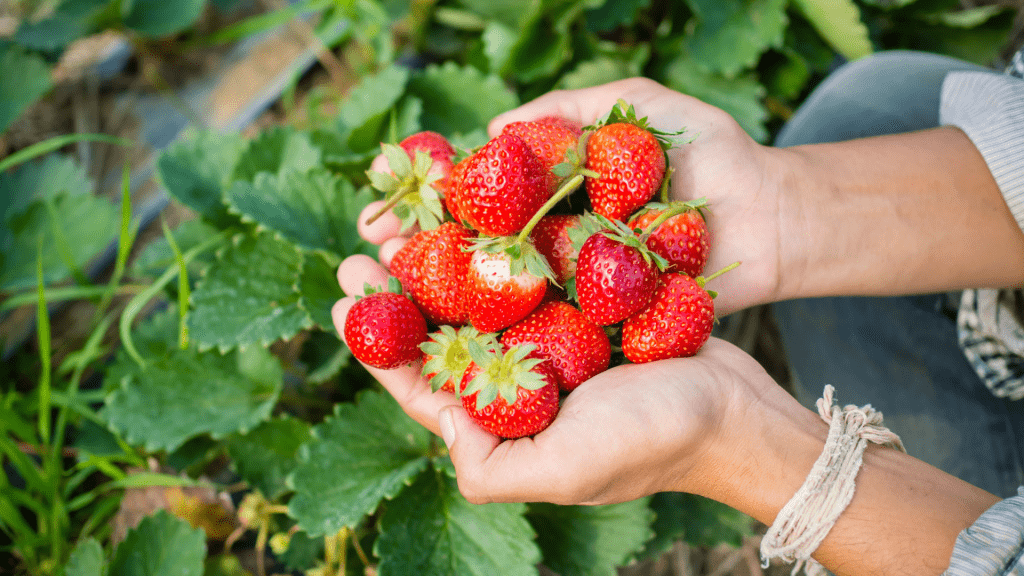
Strawberries can be grown from:
- Seeds: Slow-growing but rewarding; ideal for long-term projects.
- Bare-root Plants: Dormant plants sold in winter; quick to establish.
- Plug Plants: Small seedlings in trays; convenient and fast-growing.
Pro Tip: Choose disease-free, healthy plants or seeds to ensure strong growth and high yield.
Method 1: Traditional Garden Bed Planting
- Select a Location:
- Full sun exposure for at least 6–8 hours daily.
- Well-drained soil rich in organic matter.
- Prepare the Soil:
- Loosen soil to a depth of 12–15 inches.
- Mix in compost or well-rotted manure for nutrients.
- Planting Technique:
- Space plants 12–18 inches apart in rows.
- Ensure the crown (the central growing point) is at soil level; avoid burying it too deep.
- Water thoroughly after planting.
- Mulching:
- Use straw or wood chips to retain moisture, suppress weeds, and keep berries clean.
Pro Tip: Remove flowers during the first few weeks to allow plants to focus on root establishment, leading to larger harvests later.
Method 2: Container or Pot Planting
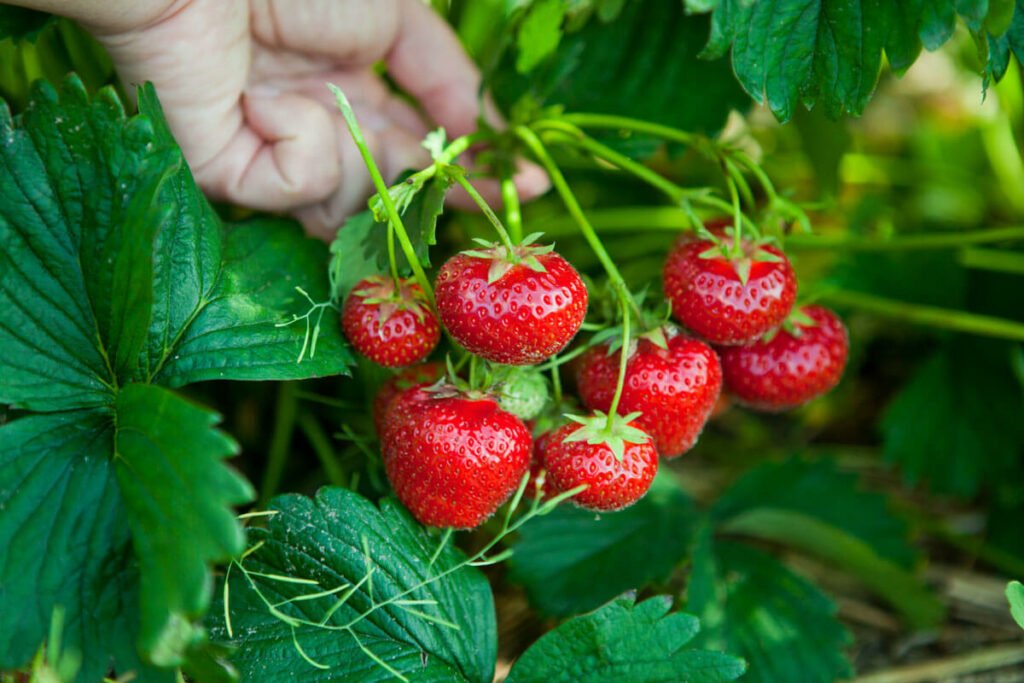
For small spaces or urban gardening, containers work beautifully:
- Choose the Right Container:
- Minimum depth: 8–10 inches.
- Ensure drainage holes at the bottom.
- Soil Preparation:
- Use a well-draining mix: 2 parts potting soil, 1 part compost, 1 part perlite or sand.
- Planting Technique:
- Place 1–3 plants per container.
- Keep crowns at soil level.
- Water immediately after planting.
- Care Tips:
- Containers dry out faster; water regularly.
- Fertilize every 3–4 weeks with liquid fertilizer for continuous growth.
Pro Tip: Hanging baskets or vertical planters increase space efficiency and protect berries from pests.
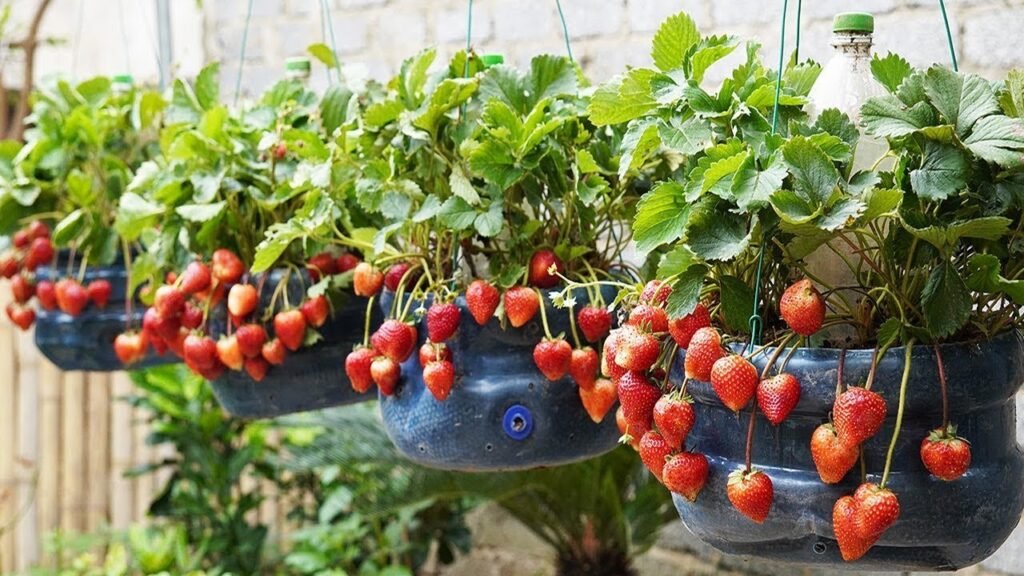
Method 3: Vertical or Hanging Strawberry Gardens
This method is ideal for balconies, terraces, or limited spaces:
- Choose a Vertical Setup:
- Use stacked pots, vertical towers, or repurposed materials like gutters or PVC pipes.
- Planting Technique:
- Plant strawberries in pockets or holes at intervals.
- Ensure each plant has enough soil and receives sunlight.
- Watering and Nutrient Management:
- Vertical systems dry faster; water regularly.
- Apply liquid fertilizers or compost tea for ongoing nutrition.
- Benefits:
- Saves ground space.
- Improves airflow, reducing disease risk.
- Keeps berries cleaner and easier to harvest.
Pro Tip: Position vertical setups to maximize sunlight for all layers.
Step 3: Watering and Fertilization
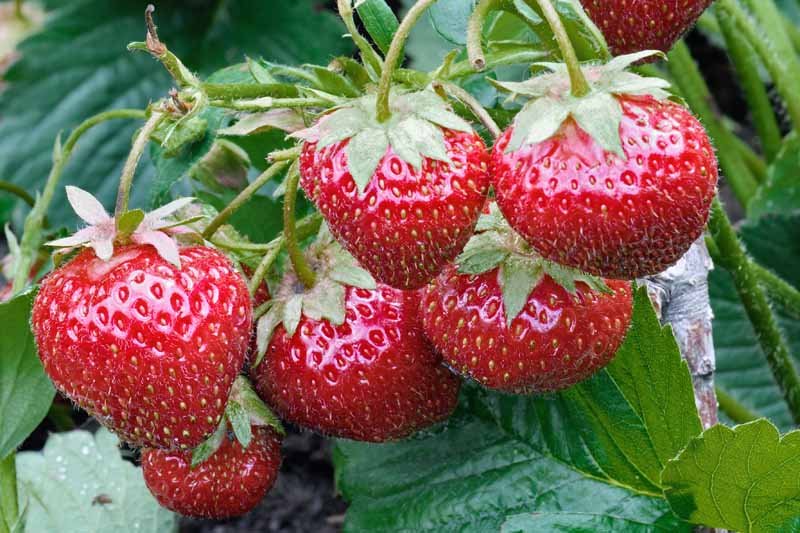
- Watering:
- Strawberries need consistent moisture, especially during flowering and fruiting.
- Avoid overhead watering to reduce fungal diseases; water at the base.
- Fertilization:
- Use balanced, organic fertilizers or compost.
- During fruiting, provide extra potassium and phosphorus for sweet, large berries.
Pro Tip: Mulching helps retain moisture and regulate soil temperature.
Step 4: Pollination Tips
Strawberries rely on insects for pollination, but in small setups, hand pollination can boost yield:
- Use a soft brush to transfer pollen from one flower to another.
- Especially useful for indoor vertical gardens or greenhouses.
Pro Tip: Regular pollination increases the number of berries and improves their size and shape.
Step 5: Pest and Disease Management
- Common Pests: Aphids, spider mites, slugs, and birds.
- Use organic sprays like neem oil for aphids and sticky traps for insects.
- Protect berries with netting to prevent bird damage.
- Diseases: Powdery mildew, gray mold, and root rot.
- Ensure proper spacing for airflow.
- Avoid overwatering and remove affected leaves promptly.
Pro Tip: Healthy plants with good sunlight and airflow resist pests and diseases naturally.
Step 6: Harvesting Strawberries
- Timing:
- Berries are ready when fully red and slightly soft to the touch.
- Harvest in the morning for peak flavor and freshness.
- Technique:
- Use scissors or gently twist berries off the stem.
- Avoid pulling to prevent damaging the plant.
- Post-Harvest:
- Wash and refrigerate immediately.
- Consume within a few days for maximum sweetness.
Pro Tip: Regular harvesting encourages continuous fruiting in ever-bearing and day-neutral varieties.
Step 7: Tips for Maximum Yield
- Remove runners selectively to focus plant energy on fruit production.
- Maintain consistent watering and fertilization schedules.
- Provide adequate sunlight and airflow.
- Use mulch to protect berries, conserve moisture, and suppress weeds.
- Monitor for pests and diseases weekly for early intervention.
Benefits of Growing Strawberries at Home
- Fresh and Flavorful: Enjoy berries at peak sweetness.
- Year-Round Production: With ever-bearing or day-neutral varieties, harvest multiple times.
- Space Optimization: Grow in garden beds, pots, or vertical setups, even in apartments.
- Cost Savings and Sustainability: Reduce grocery bills and grow organically.
- Educational and Fun: Gardening improves mental health and teaches responsibility.
Conclusion
Strawberries are one of the most rewarding fruits to grow at home, whether in a traditional garden bed, container, or vertical setup. By choosing the right variety, preparing nutrient-rich soil, providing sunlight, water, and nutrients, and practicing proper care and pest management, you can enjoy sweet, juicy, homegrown strawberries all season long.
Experiment with these three planting methods to find the one that suits your space and lifestyle. With patience and consistent care, your strawberry garden will thrive, providing not only delicious fruits but also the satisfaction of growing your own food sustainably.
Start today and experience the joy of fresh strawberries right from your home garden!