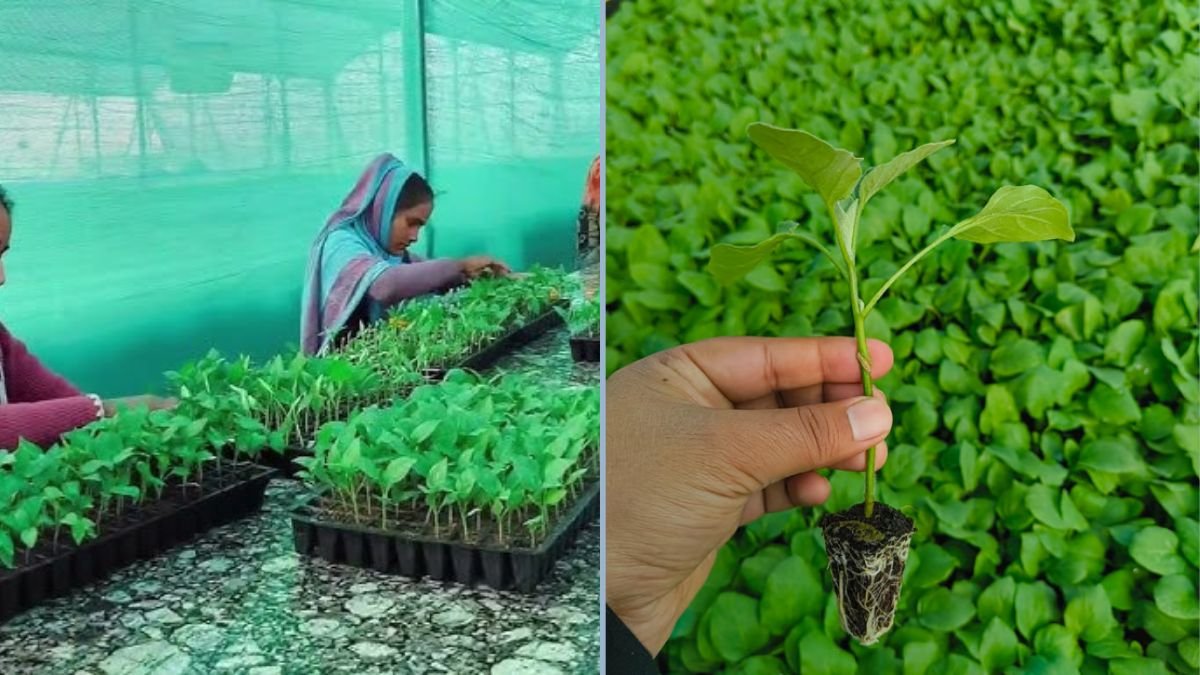
The future of vegetable farming is changing rapidly, and one name that stands out in North India is Aruj Nursery—the first nursery in the region specializing in grafted vegetables. For decades, farmers have struggled with soil-borne diseases, low yields, and crop inconsistencies. Grafted vegetables offer a solution by combining disease-resistant rootstocks with high-yielding scions, ensuring healthier plants and bountiful harvests.
In this post, we’ll take you on a virtual tour of Aruj Nursery, explore the concept of grafted vegetables, and understand why this innovation is a game-changer for farmers in North India.
What Are Grafted Vegetables?
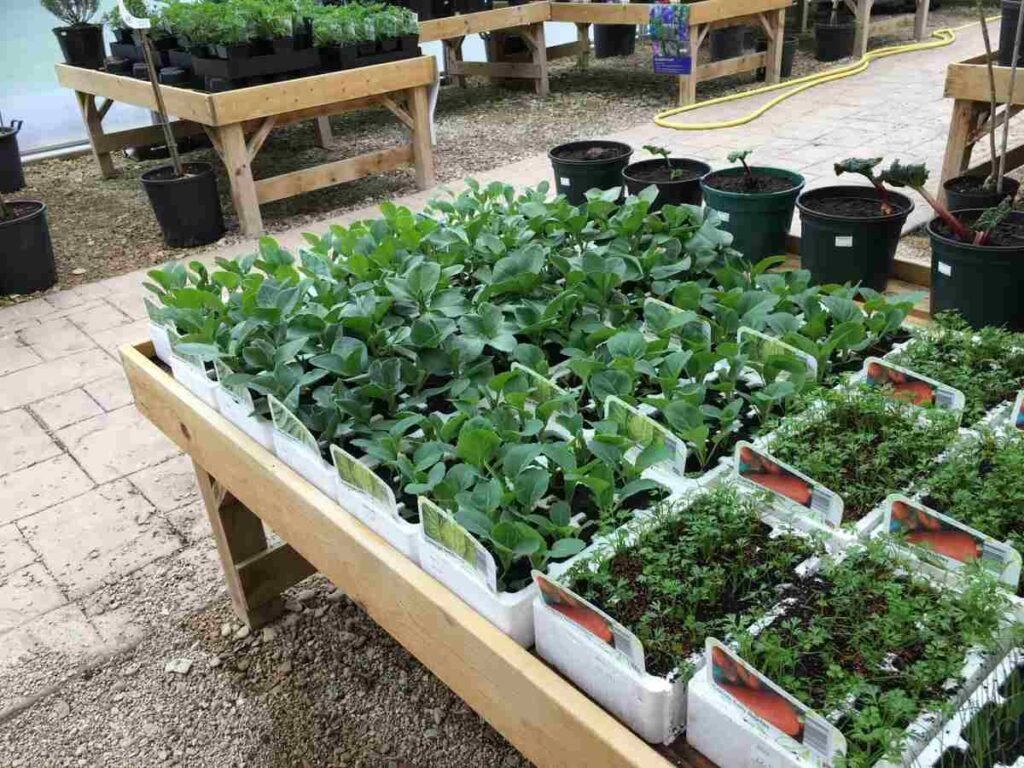
Before diving into the nursery tour, it’s important to understand grafting.
Grafting is a horticultural technique where the upper part of one plant (the scion) is joined with the root system of another plant (the rootstock). The result is a single plant that combines the strengths of both:
- Rootstock: Provides disease resistance, tolerance to adverse soil conditions, and vigorous root growth.
- Scion: Ensures high-quality fruits, larger yield, and better flavor.
Popular grafted vegetables include:
- Tomatoes
- Brinjals (eggplants)
- Cucumbers
- Bell peppers
- Watermelons
The grafting process requires precision, patience, and expertise—qualities that Aruj Nursery has perfected over the years.
Touring Aruj Nursery
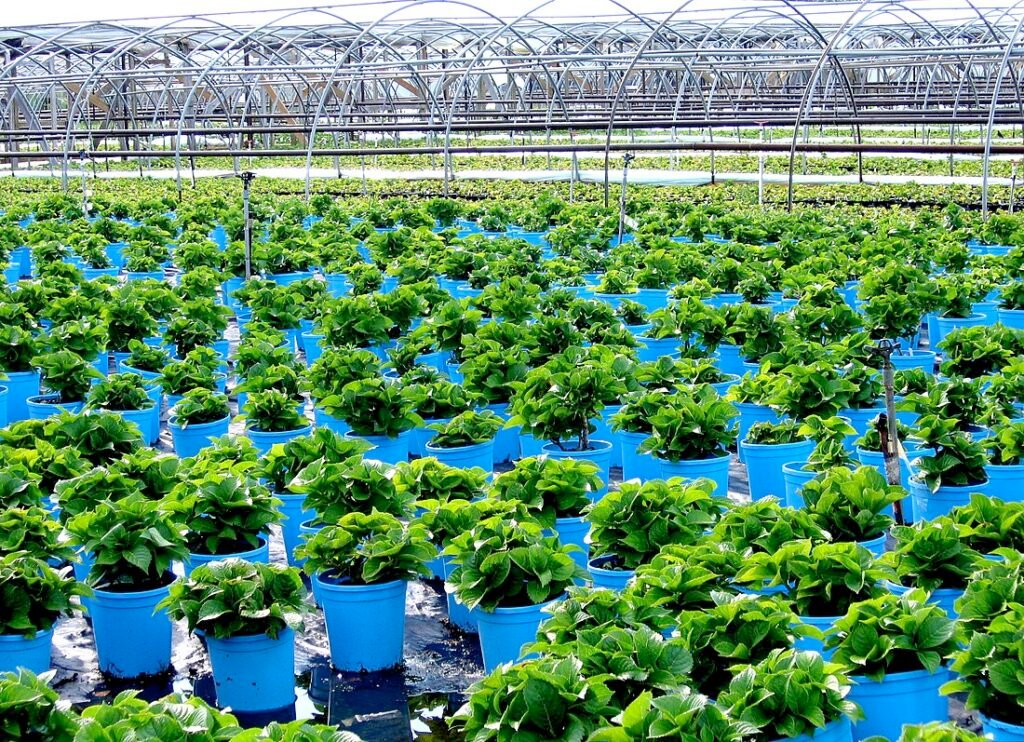
Stepping into Aruj Nursery is like walking into a hub of innovation. The nursery has transformed traditional vegetable farming by introducing grafted seedlings to North Indian farmers, boosting productivity and sustainability.
1. Modern Infrastructure
The nursery features:
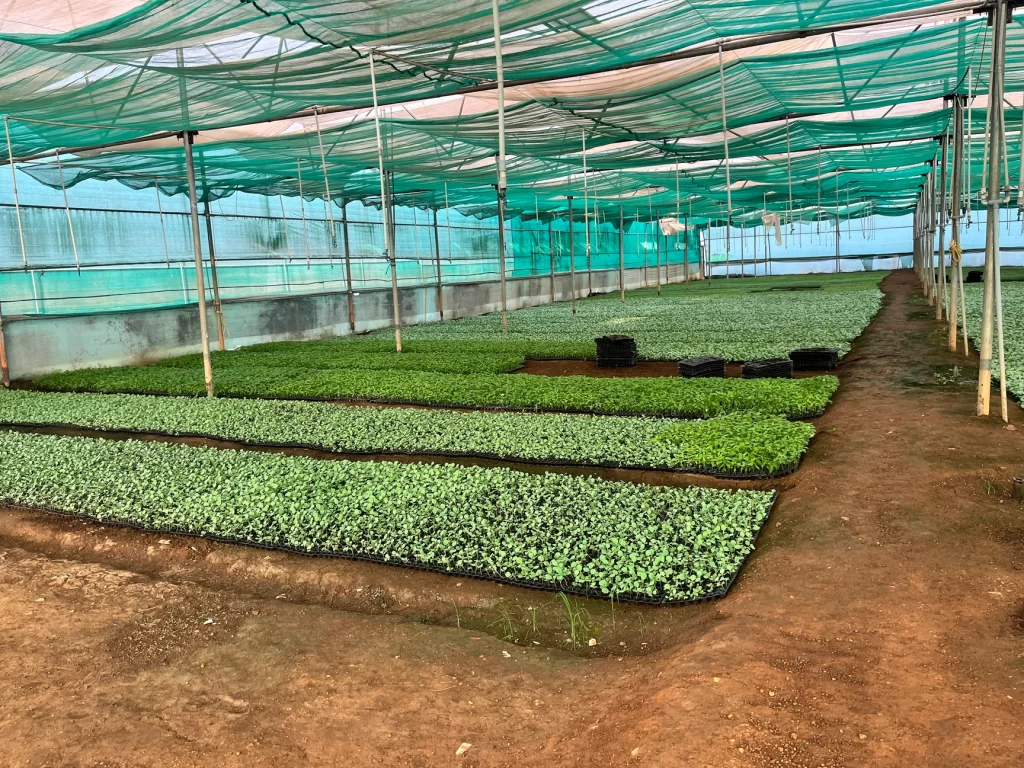
- Controlled Greenhouses: Temperature, humidity, and light are regulated to ensure high grafting success rates.
- Propagation Labs: Dedicated areas for seed germination and scion preparation.
- Hardening Zones: Plants are acclimated to outdoor conditions before distribution to farmers.
This infrastructure ensures healthy, uniform seedlings ready for commercial cultivation.
2. Skilled Staff and Expertise
Aruj Nursery employs trained horticulturists and grafting experts. Each plant is grafted with precision, ensuring a success rate of over 90%, which is critical for farmers investing in high-value crops.
3. Sustainable Practices
- Organic Inputs: Compost and natural fertilizers support plant growth.
- Water Conservation: Drip irrigation systems reduce water wastage.
- Pest Management: Integrated pest management minimizes chemical use.
Why Grafted Vegetables Are a Game-Changer
- Disease Resistance: Rootstocks protect plants from soil-borne pathogens like wilt, nematodes, and fusarium.
- Higher Yields: Grafted plants grow vigorously and produce more fruits per plant.
- Better Quality: Fruits are uniform in size, color, and taste, which is ideal for the market.
- Longer Growing Season: Grafted vegetables can withstand stress and continue producing even under challenging conditions.
- Cost-Effective for Farmers: While grafted seedlings are initially more expensive than regular seedlings, the higher yield and reduced crop loss make them a profitable investment.
Grafting Techniques at Aruj Nursery
Aruj Nursery uses advanced grafting methods to ensure success:
- Tube Grafting:
- Common for tomatoes and cucumbers.
- The scion and rootstock are joined inside a small plastic tube for stability and faster healing.
- Splice Grafting:
- Used for brinjals and peppers.
- Requires precise alignment of vascular tissues for proper nutrient flow.
- Approach Grafting:
- Both rootstock and scion remain attached to their parent plants until they fuse.
- Provides higher initial survival rates for certain crops.
Each technique is chosen based on the crop type, season, and desired outcome.
How Farmers Benefit from Aruj Nursery’s Seedlings
- Early Market Access: Grafted seedlings mature faster, allowing farmers to sell produce ahead of competitors.
- Reduced Crop Losses: Disease-resistant rootstocks minimize losses due to wilt, nematodes, and other soil-borne problems.
- Uniform Harvest: Fruits are consistent, which improves market price and consumer satisfaction.
- Adaptation to Local Conditions: Aruj Nursery customizes rootstock selection based on soil type, climate, and water availability.
Educational Initiatives at the Nursery
Aruj Nursery is not just a supplier—it’s an educational hub for farmers:
- Workshops and Training: Farmers learn grafting techniques, nursery management, and sustainable practices.
- Demonstration Plots: Live examples of grafted vs. non-grafted plants show the benefits in real-time.
- Technical Support: Nursery staff provide ongoing guidance to ensure successful field transplantation.
These initiatives empower farmers to adopt modern horticultural practices and improve profitability.
Success Stories from North India
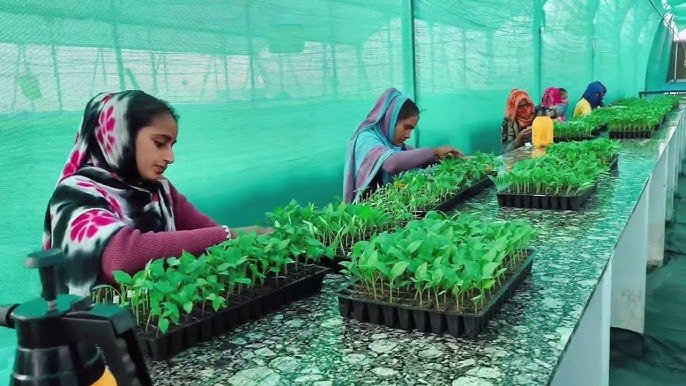
Farmers using Aruj Nursery seedlings have reported impressive results:
- Tomatoes: 30–50% higher yield per plant compared to non-grafted seedlings.
- Brinjals: Reduced wilting and uniform fruit size, leading to better market prices.
- Cucumbers and Melons: Increased fruit set and reduced fungal infections.
These successes demonstrate how grafted vegetables can transform traditional farming into a more productive and sustainable venture.
Future Prospects for Grafted Vegetable Farming in North India
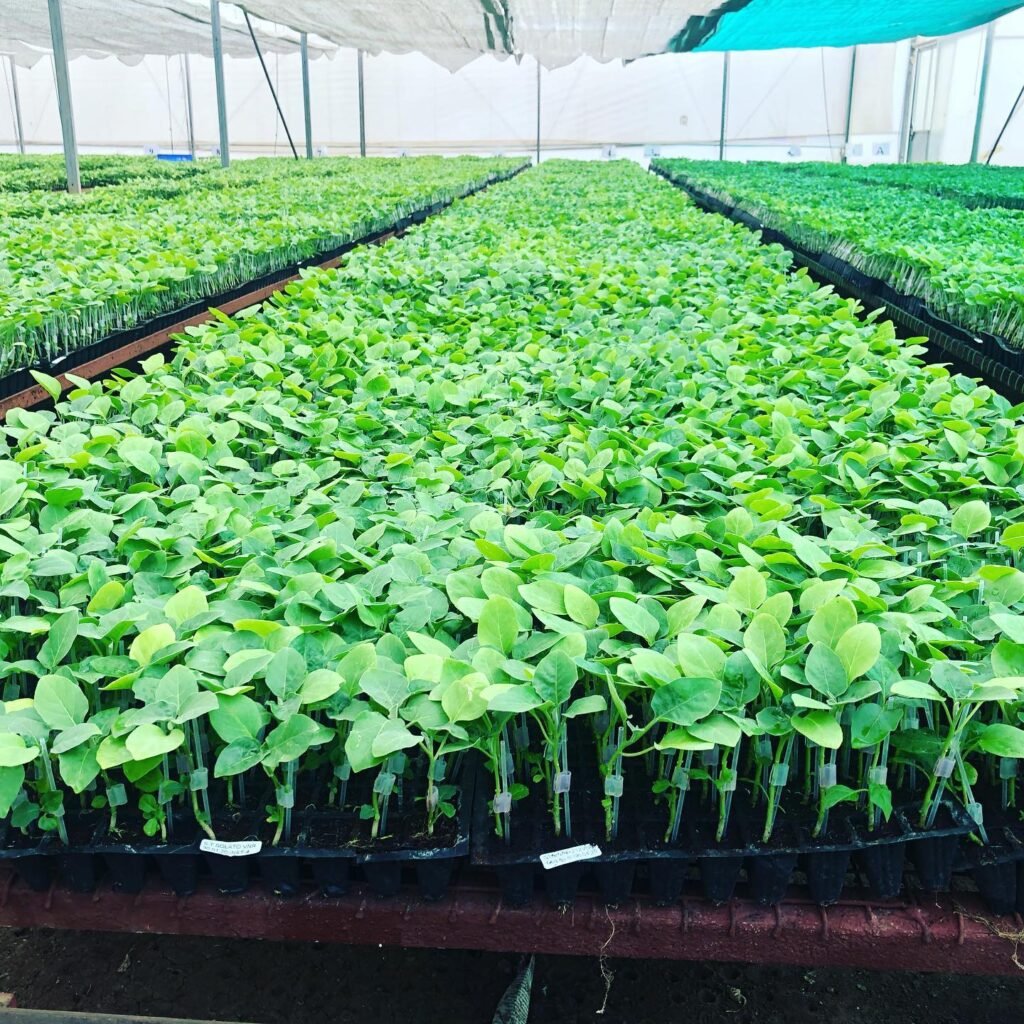
- Expansion of Nurseries: With growing awareness, more grafted nurseries may emerge across the region.
- Crop Diversification: Farmers may explore high-value crops like bell peppers, melons, and specialty tomatoes.
- Integration with Technology: Precision farming tools, soil sensors, and drip irrigation systems can complement grafted seedlings for maximum yield.
- Export Potential: Uniform, high-quality fruits can meet export standards, opening new markets for North Indian farmers.
Tips for Farmers Interested in Grafted Vegetables
- Start Small: Test grafted seedlings on a small portion of your farm before full-scale adoption.
- Choose the Right Rootstock: Select rootstocks suitable for your soil and climate.
- Ensure Proper Care: Watering, fertilization, and disease monitoring are essential for high yields.
- Learn from Experts: Participate in training sessions and workshops offered by Aruj Nursery or other horticultural institutes.
- Invest in Quality: Don’t compromise on the quality of grafted seedlings; higher initial costs are offset by better yield and reduced losses.
Conclusion
Aruj Nursery has pioneered grafted vegetable farming in North India, providing farmers with the tools and knowledge to overcome traditional farming challenges. By combining disease-resistant rootstocks with high-yielding scions, the nursery enables higher productivity, better fruit quality, and increased profitability.
Visiting or collaborating with Aruj Nursery is an eye-opening experience for any farmer or gardening enthusiast. It highlights how innovation, education, and sustainable practices can transform agriculture in North India.
Grafted vegetables are no longer a niche concept—they are the future of resilient, high-yield, and profitable farming. Whether you’re a small-scale farmer or a commercial grower, exploring grafted seedlings from Aruj Nursery could be the key to boosting your harvest and maximizing returns.
North India’s first grafted vegetable nursery is not just growing plants—it’s cultivating a new era of modern, efficient, and sustainable agriculture.