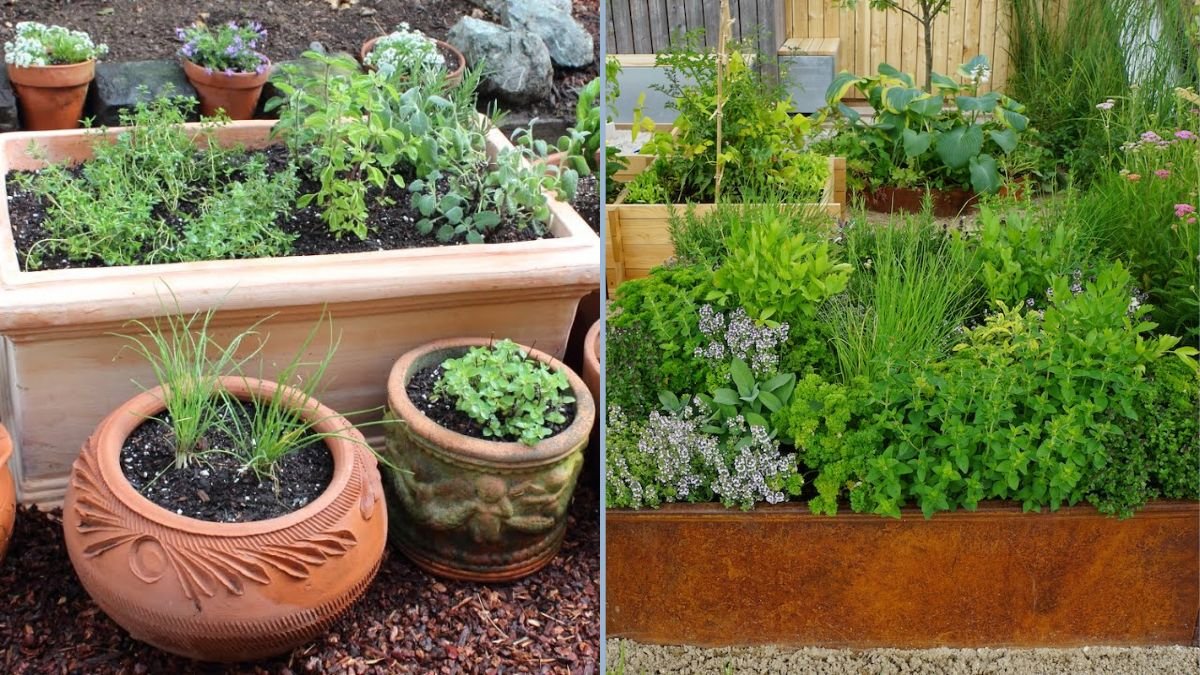
There’s something magical about harvesting fresh herbs right from your own kitchen garden. The aroma, flavor, and satisfaction of using homegrown herbs elevate every dish—from a simple salad to a gourmet meal. A culinary herb garden is not only a practical addition to your kitchen but also a fun and rewarding DIY project.
Whether you have a small balcony, a sunny windowsill, or a backyard garden, creating a DIY culinary herb garden is easier than you might think. In this guide, we’ll walk you through selecting herbs, planting techniques, care tips, and harvesting strategies to ensure your kitchen garden thrives.
Why Grow a Culinary Herb Garden at Home?
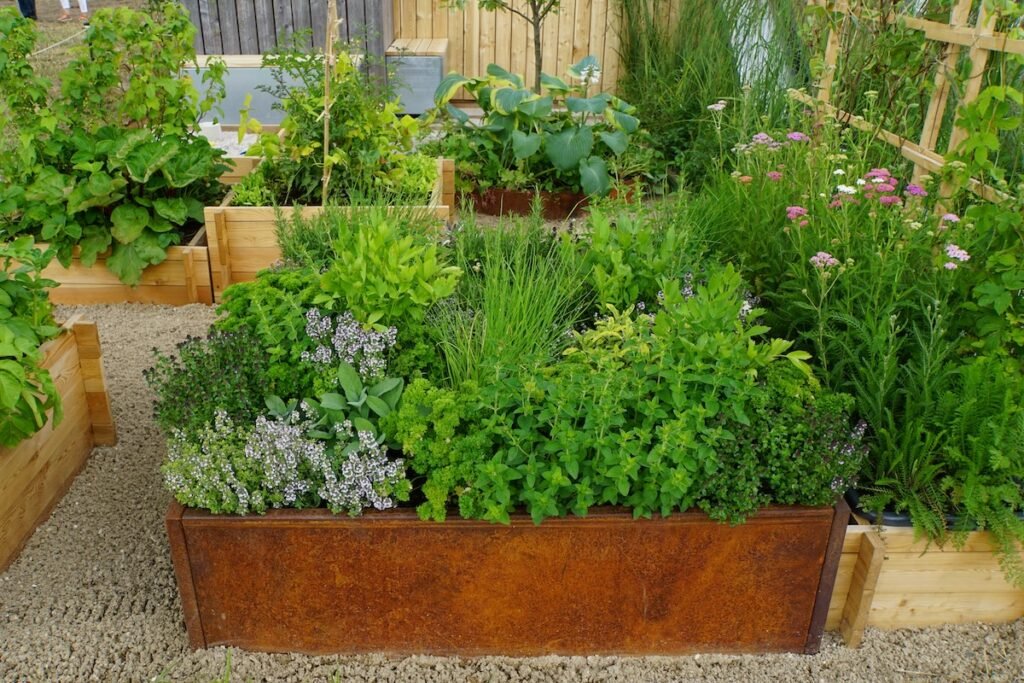
- Freshness and Flavor: Herbs like basil, rosemary, and thyme taste far better fresh than store-bought.
- Health Benefits: Herbs are rich in vitamins, antioxidants, and anti-inflammatory compounds.
- Cost-Effective: Growing your own herbs saves money and reduces trips to the store.
- Sustainability: Minimizes packaging waste and promotes eco-friendly living.
- Accessibility: Always have your favorite herbs at hand for cooking.
Step 1: Choosing the Right Herbs
Start by selecting herbs you use frequently in your kitchen. Common culinary herbs for beginners include:
- Basil: Perfect for pesto, salads, and pasta.
- Parsley: Great for garnishing and flavoring soups.
- Cilantro (Coriander): Adds freshness to salads, curries, and sauces.
- Mint: Ideal for teas, desserts, and cocktails.
- Thyme: Pairs well with roasted vegetables and meats.
- Rosemary: Excellent for seasoning roasts, bread, and potatoes.
- Oregano: Key herb for Italian dishes and pizza.
Pro Tip: Start with 3–5 herbs that you use most often to avoid overwhelming yourself.
Step 2: Selecting the Right Containers
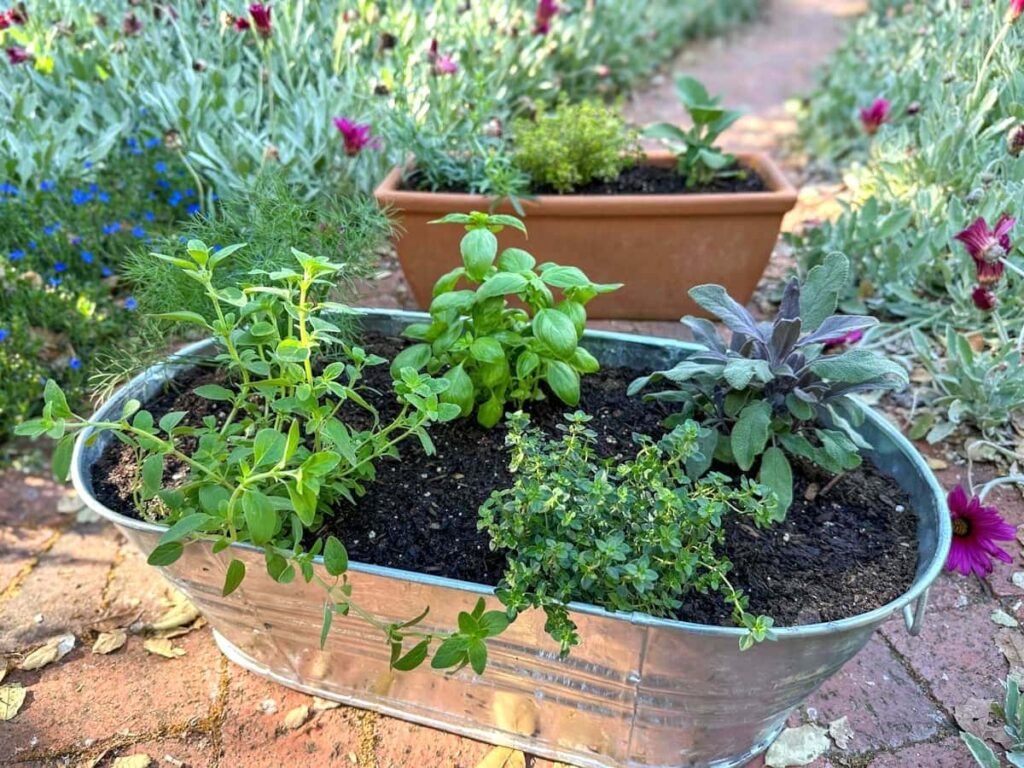
You don’t need a large garden bed to grow herbs. Herbs thrive in containers and pots:
- Size Matters: Choose pots that are 6–12 inches deep to allow for proper root development.
- Drainage: Ensure your pots have drainage holes to prevent waterlogging and root rot.
- Material: Terracotta, plastic, or ceramic pots all work. Terracotta is porous and helps with airflow, while plastic retains moisture better.
- DIY Options: You can also repurpose containers like old jars, mugs, or wooden boxes for a charming, rustic look.
Step 3: Preparing the Soil
Herbs prefer well-draining, nutrient-rich soil. Here’s how to prepare the perfect mix:
- Ingredients:
- 2 parts potting soil
- 1 part compost
- 1 part perlite or coarse sand for drainage
- Tips:
- Avoid garden soil directly, as it may contain pests or diseases.
- Adding organic compost boosts nutrients for faster growth.
Optional: Add slow-release organic fertilizer for longer-lasting nutrition.
Step 4: Planting Your Herbs
Herbs can be grown from seeds, cuttings, or small seedlings:
From Seeds:
- Sow seeds ¼ inch deep in moist soil.
- Cover lightly with soil and water gently.
- Place containers in a warm, sunny spot.
From Seedlings or Cuttings:
- Gently remove seedlings from nursery pots, keeping roots intact.
- Make a hole in the soil deep enough to cover the root ball.
- Firmly press soil around the base and water lightly.
Spacing: Keep at least 4–6 inches between plants to allow airflow and prevent overcrowding.
Step 5: Choosing the Right Location
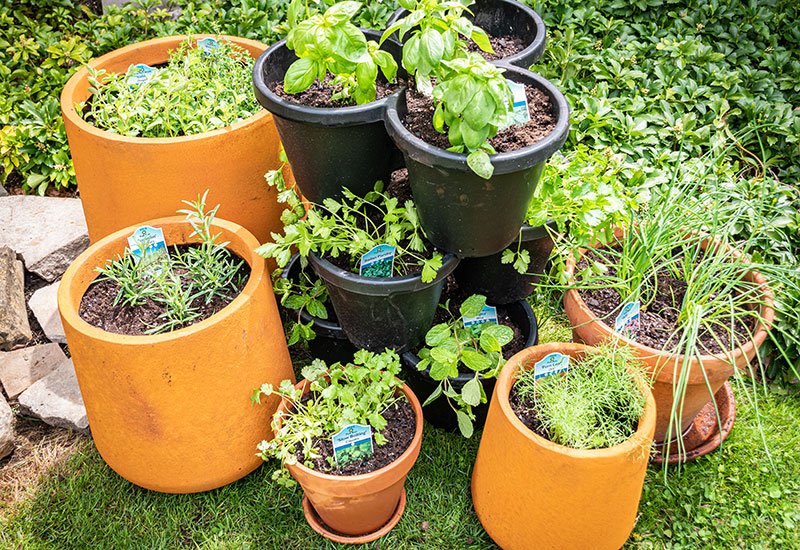
Most herbs require 6–8 hours of sunlight per day, so select a bright spot:
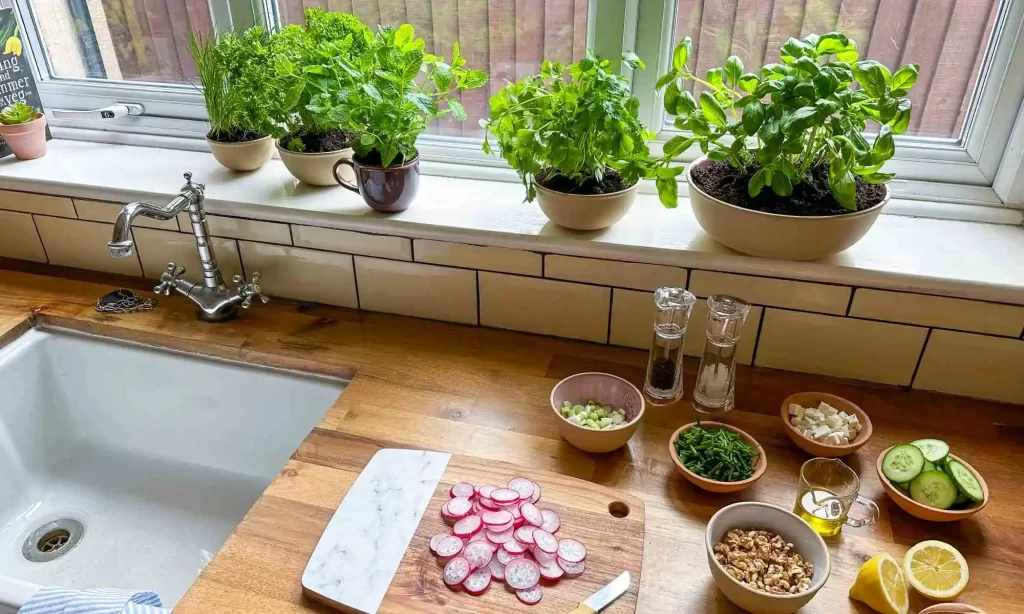
- Windowsills: South-facing windows are ideal for indoor herb gardens.
- Balconies: Ensure herbs get adequate sun and protection from strong winds.
- Backyard Garden: Herbs can thrive in raised beds or garden corners.
Tip: If sunlight is limited, supplement with grow lights to keep your herbs healthy.
Step 6: Watering and Care
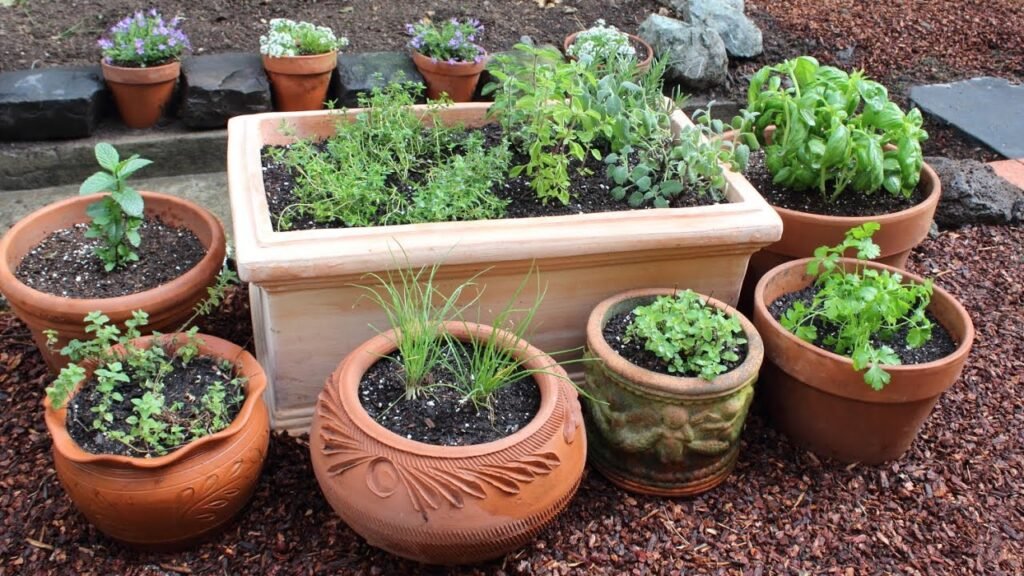
Proper watering is crucial for healthy herbs:
- Watering Frequency: Water when the top inch of soil feels dry. Overwatering can cause root rot.
- Drainage: Ensure excess water drains freely to prevent soggy soil.
- Pruning: Regularly trim leaves to encourage bushier growth and prevent flowering too early.
- Fertilization: Feed herbs every 3–4 weeks with organic liquid fertilizer or compost tea.
Pro Tip: Herbs like rosemary, thyme, and oregano prefer slightly drier soil, while basil and cilantro enjoy consistent moisture.
Step 7: Harvesting Your Herbs
Harvesting is simple, but timing and technique affect flavor and regrowth:
- When to Harvest:
- Pick leaves in the morning for maximum flavor.
- Harvest before the plant flowers for tender leaves.
- How to Harvest:
- Use clean scissors or fingers to pinch off leaves.
- Avoid removing more than 1/3 of the plant at once to maintain growth.
- Storage:
- Use fresh herbs immediately or dry them for long-term use.
- Freezing herbs in ice cube trays with water or oil preserves flavor.
Pro Tip: Regular harvesting encourages new growth and prevents plants from becoming woody.
Step 8: Companion Planting and Pest Management
Herbs can also benefit other plants and protect themselves naturally:
- Companion Planting:
- Basil and tomatoes improve each other’s flavor and growth.
- Mint can deter aphids when planted near vegetables.
- Pest Management:
- Inspect leaves regularly for pests like aphids or spider mites.
- Use neem oil, insecticidal soap, or introduce beneficial insects like ladybugs.
Step 9: Creative DIY Herb Garden Ideas
- Vertical Herb Garden: Hang pots on walls or fences to save space.
- Tiered Shelving: Create a multi-level kitchen garden on a balcony or patio.
- Upcycled Containers: Use old jars, tins, or wooden crates for a rustic charm.
- Herb Spiral: Build a spiral-shaped garden bed for a compact, visually appealing layout.
These creative setups make gardening fun while maximizing space and productivity.
Step 10: Benefits of a DIY Culinary Herb Garden
- Culinary Excellence: Fresh herbs enhance flavor in everyday meals.
- Cost Savings: Reduce grocery bills by growing your own herbs.
- Eco-Friendly: Lower carbon footprint by minimizing packaged herb purchases.
- Mental Wellbeing: Gardening reduces stress and promotes mindfulness.
- Learning Opportunity: Kids and adults can learn about plants, soil, and sustainability.
Conclusion
Starting a DIY culinary herb garden is an accessible, rewarding, and sustainable project. By selecting the right herbs, preparing nutrient-rich soil, planting carefully, and maintaining proper care, you can enjoy fresh, flavorful herbs year-round.
Whether you have a balcony, windowsill, or small backyard, a kitchen herb garden can transform your cooking, enhance your meals, and bring the joys of gardening into your daily life.
With consistent care and regular harvesting, your herbs will flourish, providing not just culinary delights but also a lush, fragrant, and sustainable addition to your home.
Start your kitchen herb garden today, and savor the taste, aroma, and satisfaction of growing your own fresh herbs!