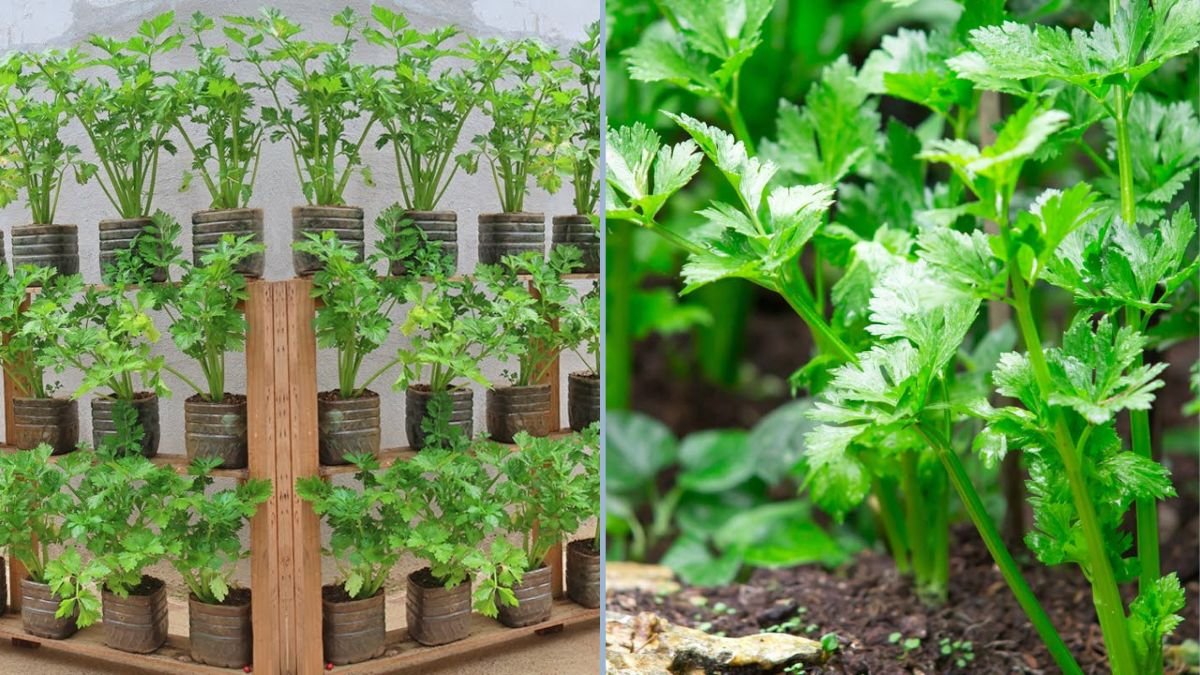
Celery is one of the most rewarding vegetables to grow at home. Its crisp stalks, refreshing flavor, and nutritional value make it a staple in soups, salads, juices, and stir-fries. But many gardeners struggle with celery because it can be slow to grow and picky about soil, water, and temperature. If you’ve ever felt frustrated by celery taking months to mature—or worse, failing to thrive—you’re not alone.
Fortunately, top gardening experts have revealed the fastest and most effective methods for growing celery, even for beginner gardeners. With the right preparation, care, and planting techniques, you can enjoy a bountiful harvest in a fraction of the time. In this guide, we’ll walk you step-by-step through everything you need to know to grow celery quickly and successfully.
Why Growing Celery at Home Is Worth It
Growing celery in your garden or backyard isn’t just satisfying—it’s beneficial for your health and kitchen:
- Freshness: Homegrown celery is more flavorful and crisp than store-bought varieties.
- Nutritional Benefits: Celery is rich in fiber, vitamins A, C, and K, antioxidants, and minerals like potassium and folate.
- Cost-Effective: Growing celery saves money compared to buying organic stalks at the store.
- Sustainable: Home cultivation reduces packaging waste and transportation carbon footprint.
- Control Over Growth: You control the soil, water, and fertilizers, ensuring pesticide-free produce.
Whether you want celery for daily cooking or for juicing and health drinks, growing it at home is both practical and rewarding.
Understanding Celery Growth
Celery is a cool-weather plant that prefers consistent moisture and fertile, well-draining soil. It is a “long-season” crop, meaning it typically takes 90–120 days to reach full maturity, but with expert techniques, this timeline can be shortened significantly.
Celery grows from seeds, transplants, or sometimes even from cuttings. Knowing the plant’s growth requirements is essential to optimizing speed and yield:
- Temperature: Ideal range is 60–70°F (15–21°C).
- Sunlight: Full sun to partial shade (6–8 hours daily).
- Water: Consistent and plentiful, as celery has shallow roots and wilts easily.
- Nutrients: Celery is a heavy feeder; rich, fertile soil ensures rapid growth.
The Expert-Recommended Method for Fast Celery Growth
Top gardening experts emphasize preparation, spacing, and consistent care. Here’s the method in detail:
1. Start Seeds Indoors Early
- Timing: Start seeds 10–12 weeks before the last expected frost.
- Containers: Use seed trays, shallow pots, or small containers with seed-starting mix.
- Planting: Sow seeds ¼ inch deep and keep the soil moist.
- Temperature: Maintain 70°F (21°C) for optimal germination.
- Light: Provide 12–14 hours of bright light daily using natural sunlight or grow lights.
Starting seeds indoors allows celery to develop strong roots and sturdy stems before transplanting, which speeds up growth once moved outside.
2. Prepare Nutrient-Rich Soil
- Choose the Right Location: Celery prefers a sunny spot with some afternoon shade in hotter climates.
- Soil Mix: Enrich garden beds with compost, aged manure, or organic fertilizers.
- pH Level: Slightly acidic to neutral soil (6.0–7.0) is ideal.
- Drainage: Ensure the soil drains well, as celery does not tolerate waterlogging.
Rich, fertile soil is essential for accelerating celery growth, as the plant constantly draws nutrients from the soil.
3. Transplant Seedlings Carefully
- Timing: Transplant seedlings outdoors when they have 4–6 leaves and the risk of frost has passed.
- Spacing: Plant 6–8 inches apart with 12–18 inches between rows to allow airflow and room for growth.
- Watering: Water thoroughly immediately after transplanting to settle the soil around the roots.
Transplanting healthy, well-established seedlings gives celery a head start, making it grow faster than direct sowing outdoors.
4. Keep Celery Well-Watered
- Celery has shallow roots, so it requires consistent moisture.
- Mulch around plants to conserve water, regulate temperature, and reduce weed competition.
- Avoid letting the soil dry out; even a short period of drought can slow growth or cause bitter stalks.
Consistent watering is one of the fastest ways to ensure rapid growth and crisp, tender stalks.
5. Fertilize Regularly
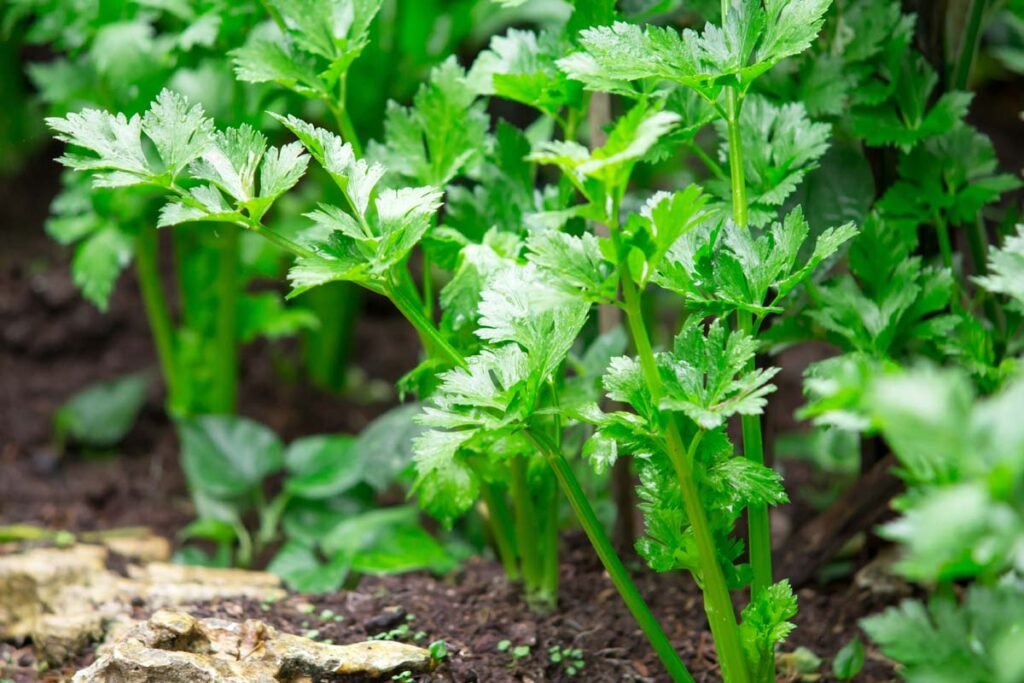
- Apply a nitrogen-rich fertilizer every 2–3 weeks during early growth for strong leaves and stems.
- Switch to a balanced fertilizer as stalks begin to form to promote full, thick celery stalks.
- Organic options like compost tea or liquid seaweed are excellent for nutrient-rich growth without chemicals.
Celery is a heavy feeder, and proper fertilization is essential for shortening the time to harvest.
Advanced Tips for Speeding Up Celery Growth
Experts have also shared these additional tips for achieving a fast-growing, productive celery crop:
- Blanch Stalks (Optional): Cover celery stalks with collars or paper wraps when they reach 6 inches to produce tender, pale stalks faster.
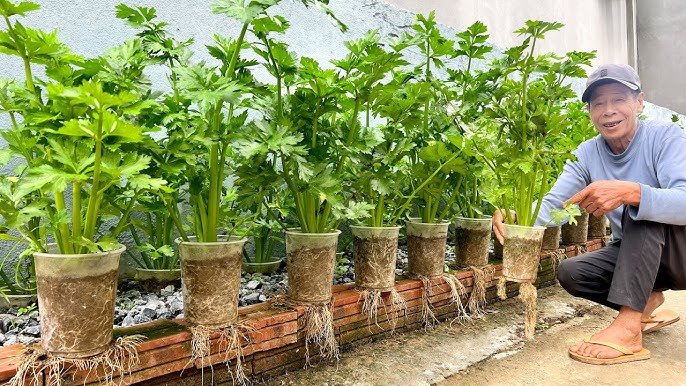
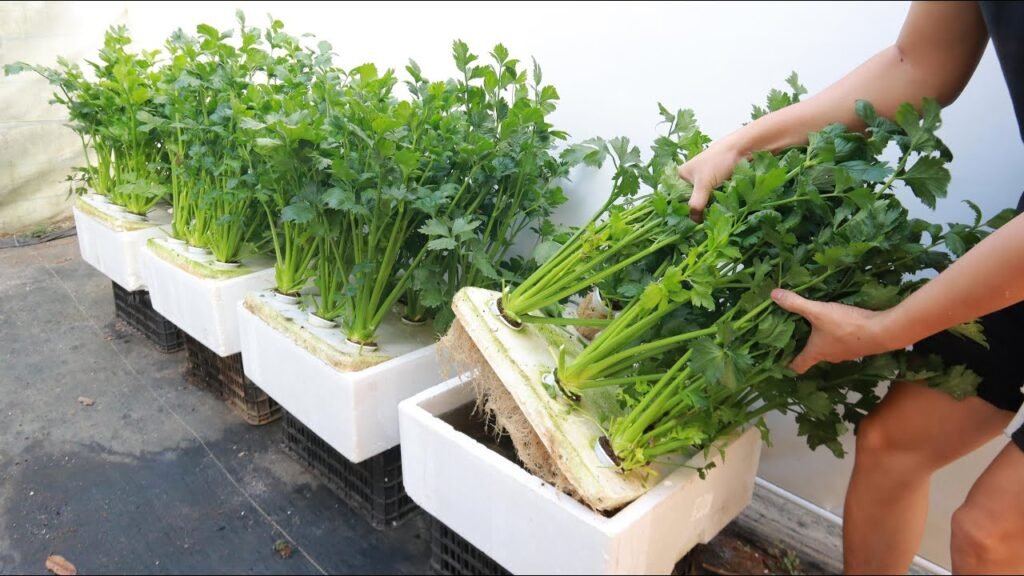
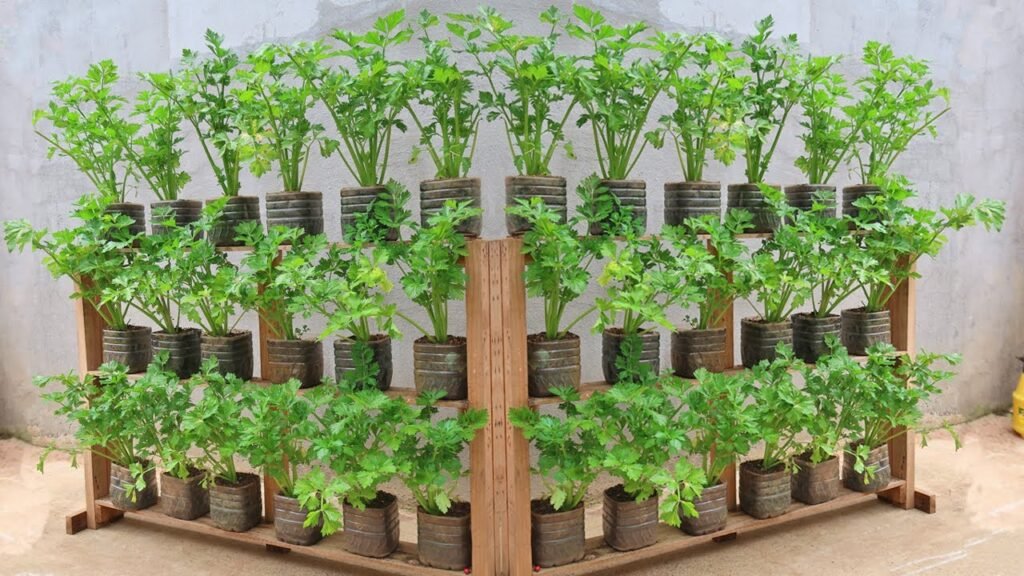
- Use Raised Beds or Containers: Improves drainage, warms the soil slightly, and allows for closer observation of water and nutrient needs.
- Succession Planting: Plant celery seeds every 2–3 weeks for a continuous harvest.
- Prune Lower Leaves: Removing old or yellowing leaves focuses energy on growing the main stalks quickly.
- Pest Management: Watch for aphids, slugs, and caterpillars, and treat early with organic controls to prevent stunted growth.
These strategies maximize growth speed and overall productivity.
Common Mistakes to Avoid
Even with the expert method, there are pitfalls gardeners often encounter:
- Skipping Mulching: Without mulch, water evaporates quickly, slowing growth.
- Planting in Hot Weather: Celery struggles in temperatures above 80°F (27°C) and may bolt prematurely.
- Neglecting Fertilization: Celery needs constant nutrients; poor feeding results in thin, bitter stalks.
- Crowding Plants: Tight spacing stunts growth and encourages disease.
Avoiding these mistakes ensures a fast, healthy, and high-yielding celery crop.
Harvesting Celery Quickly
Celery is usually ready to harvest 85–120 days after planting, depending on variety and growing conditions:
- Check for Firm Stalks: Stalks should be crisp and thick.
- Harvest Whole Plant or Stalks: Cut outer stalks first to allow inner stalks to keep growing.
- Regular Harvesting Encourages Growth: Picking mature stalks stimulates new growth and extends harvest time.
With proper care, you can enjoy fresh, homegrown celery faster than traditional planting methods suggest.
The Benefits of Fast-Growing Celery
- Nutritional Value: Packed with vitamins, minerals, antioxidants, and fiber.
- Cost Savings: Growing at home reduces grocery expenses, especially for organic celery.
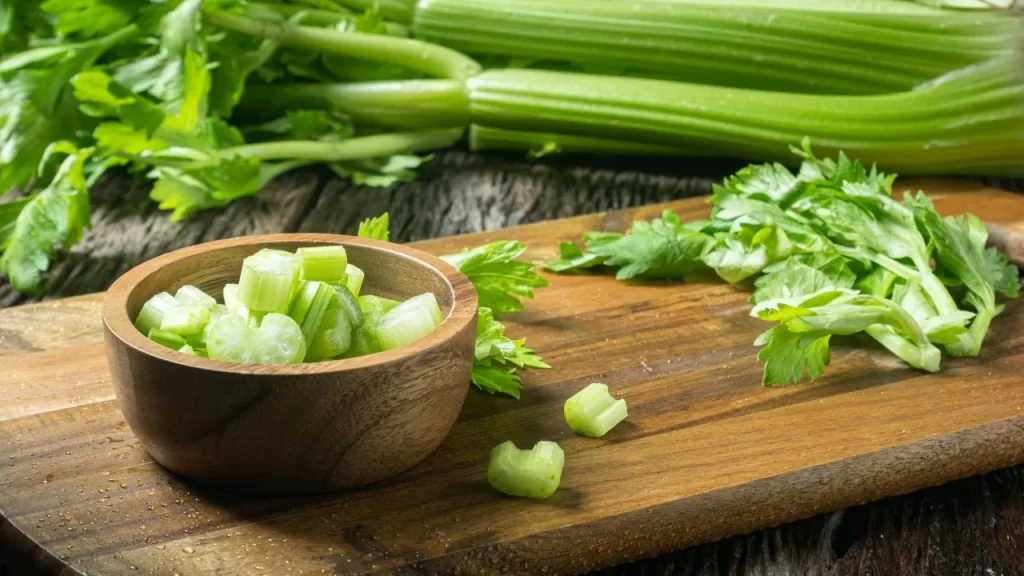
- Culinary Uses: Perfect for soups, juices, stir-fries, salads, and more.
- Satisfaction: There’s nothing better than harvesting fresh celery that you grew yourself.
- Health and Wellness: Homegrown celery is free from pesticides and other chemicals.
Growing celery fast doesn’t just save time—it provides a healthier, more sustainable, and rewarding way to enjoy this versatile vegetable.
Final Thoughts
Celery may be known as a long-season, slow-growing vegetable, but with the expert-recommended methods, you can speed up growth, increase yield, and enjoy tender, flavorful stalks in record time.
The key lies in starting seeds indoors, transplanting healthy seedlings, enriching soil, providing consistent water and nutrients, and using techniques like mulching, succession planting, and pruning. By following these steps, even beginner gardeners can grow celery efficiently and enjoy fresh produce throughout the season.
Whether you want celery for soups, juices, or snacks, growing it at home using these fast-growth techniques ensures you have a reliable, healthy, and delicious supply right at your fingertips.
Don’t let slow growth discourage you—apply these expert strategies today and watch your celery flourish faster than ever before!