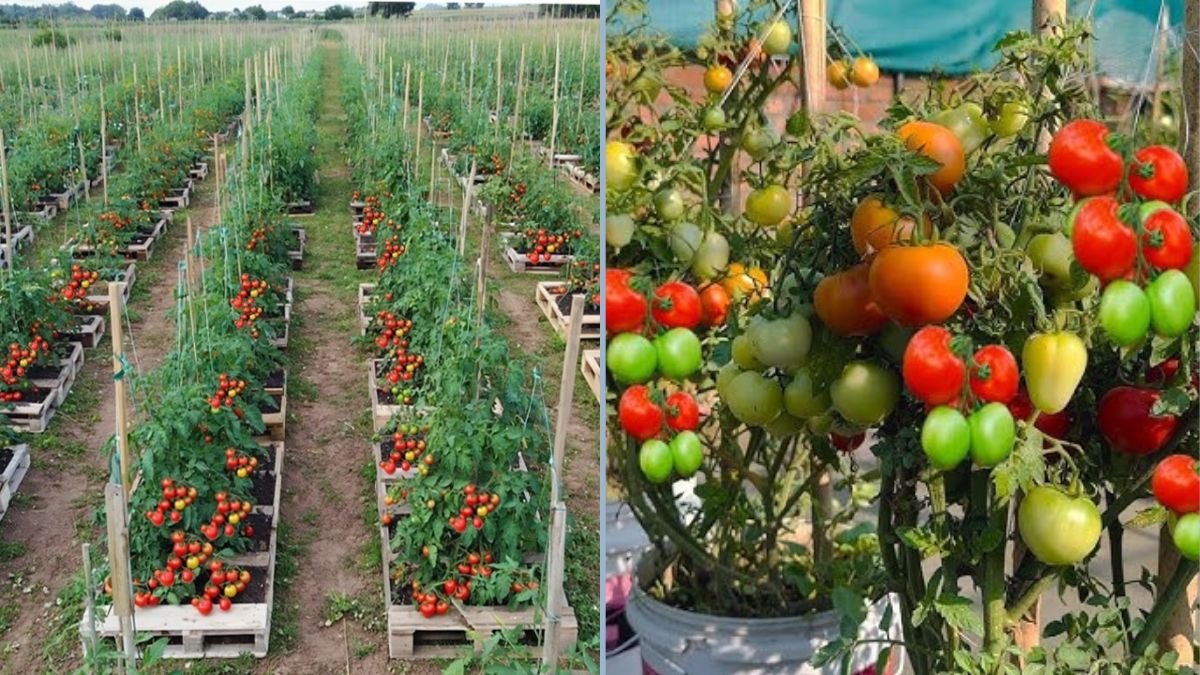
If you love gardening but are short on space or resources, there’s a surprisingly simple solution to grow fresh, homegrown vegetables: old pallets. Instead of tossing them aside, these wooden frames can be transformed into productive vertical gardens, perfect for growing tomatoes, potatoes, and other vegetables. Not only does this method save space, but it also gives new life to materials that would otherwise be discarded.
In this guide, we’ll explore step-by-step how to repurpose old pallets to grow a bountiful harvest of tomatoes and potatoes—even if you don’t have a traditional garden.
Why Use Old Pallets for Gardening?
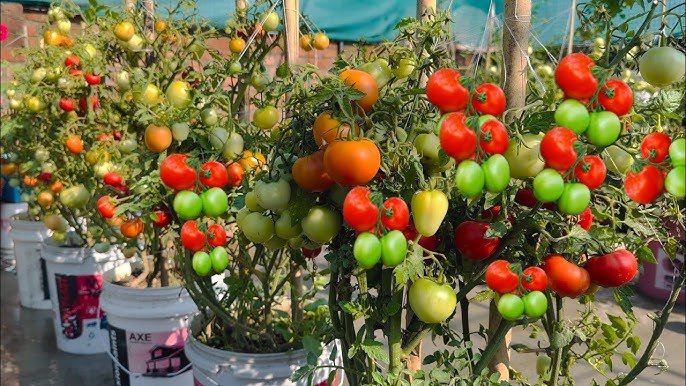
Using pallets for gardening is becoming increasingly popular for several reasons:
- Space Efficiency: Vertical growing allows you to cultivate more crops in smaller areas, such as patios, balconies, or small backyards.
- Cost-Effective: Repurposing old pallets is inexpensive compared to purchasing raised beds or large containers.
- Eco-Friendly: Recycling pallets reduces waste and promotes sustainable living.
- Accessibility: Pallet gardens are elevated, making planting, watering, and harvesting easier.
- Versatility: Pallets can grow a variety of vegetables, including vine crops, root crops, and leafy greens.
With a little creativity, old pallets can become highly productive mini-gardens.
Choosing and Preparing Your Pallet
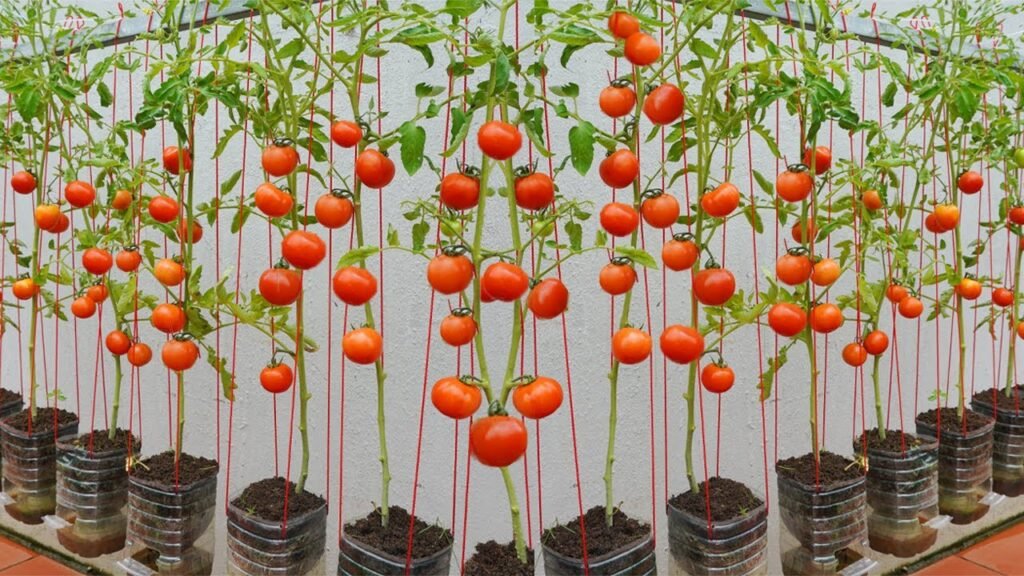
Not all pallets are created equal. Selecting the right type and preparing it properly is crucial:
1. Select the Right Pallet
- Look for sturdy, untreated pallets. Avoid pallets that have been chemically treated (look for “HT” stamped on the wood, meaning heat-treated, which is safe).
- Choose pallets with a solid back or slats close together for easier filling with soil.
2. Clean and Sand the Wood
- Wash the pallet thoroughly to remove dirt and debris.
- Sand any rough edges to prevent splinters when handling.
3. Line the Pallet
- Use landscaping fabric, burlap, or a strong plastic sheet to line the back and bottom of the pallet.
- This lining prevents soil from falling out and keeps roots contained while allowing drainage.
A well-prepared pallet ensures longevity and healthier plant growth.
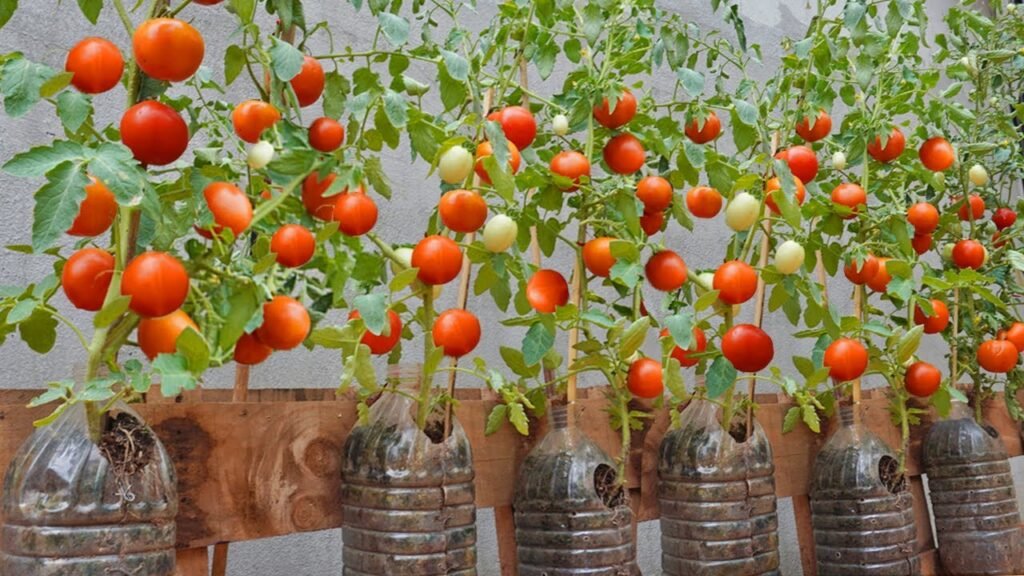
How to Plant Tomatoes in a Pallet
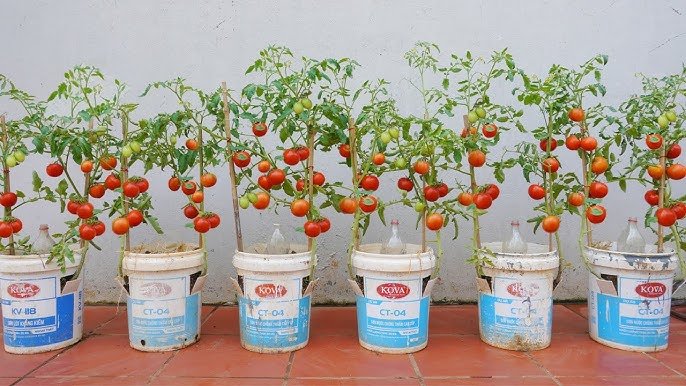
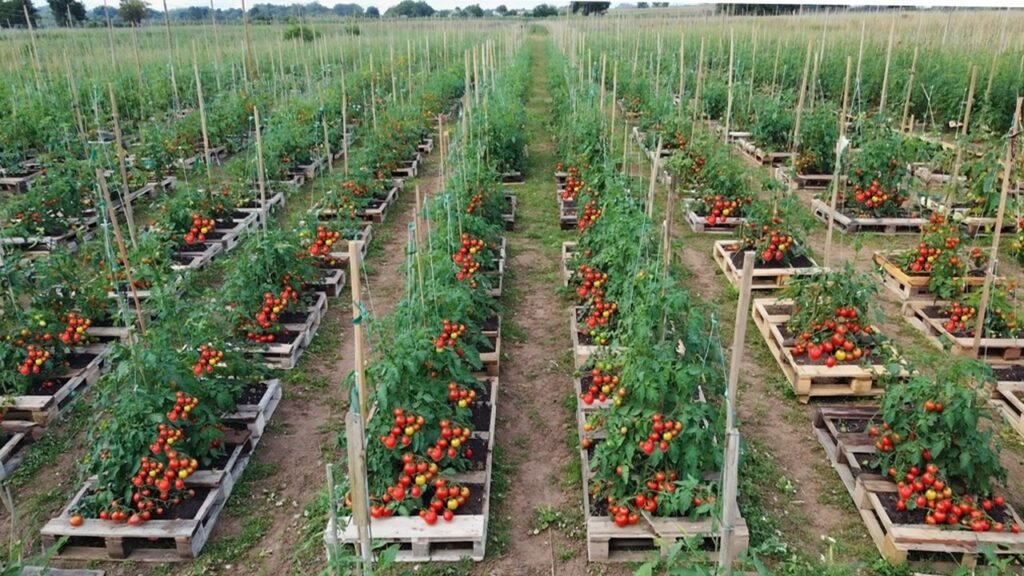
Tomatoes are perfect for vertical growth, and a pallet can help support their stems and fruit:
1. Choose the Right Variety
- Opt for determinate (bushy) or indeterminate (vining) tomatoes depending on your space.
- Indeterminate varieties work best with vertical support since they continue to grow and produce fruit over time.
2. Add Soil and Compost
- Fill the pallet cavities or slats with a mix of high-quality potting soil and compost.
- Ensure soil is loose, fertile, and well-draining to support strong roots.
3. Planting Tomatoes
- Plant seedlings or young tomato plants in each cavity.
- Space plants according to the pallet size to avoid overcrowding.
4. Provide Support
- Use twine, stakes, or small cages to help support tomato stems as they grow.
- Vertical support prevents vines from breaking and allows fruits to develop properly.
5. Water and Fertilize
- Keep the soil consistently moist; tomatoes require regular watering, especially in a vertical setup.
- Use a balanced liquid fertilizer every 2–3 weeks to promote healthy growth and abundant fruiting.
With proper care, a pallet garden can yield a surprisingly large harvest of juicy tomatoes in a small footprint.
How to Grow Potatoes in a Pallet
Potatoes are slightly different from tomatoes but also thrive in vertical or stacked pallet gardens. Here’s how:
1. Select Seed Potatoes
- Choose certified seed potatoes for the best yield. Avoid grocery store potatoes as they may carry diseases.
- Cut larger potatoes into pieces with at least one or two “eyes” each. Let them dry for a day before planting.
2. Prepare the Pallet
- Lay the pallet flat on the ground or slightly angled.
- Line it with landscaping fabric to hold soil and allow drainage.
3. Layering Soil and Potatoes
- Place a layer of soil at the bottom of the pallet.
- Lay potato pieces on top of the soil, eyes facing upward.
- Add more soil to cover the potatoes by a few inches.
4. Add Layers as Plants Grow
- As potato sprouts grow, continue adding layers of soil until the top of the pallet is reached.
- This “stacked” method encourages more tubers to develop along the buried stems.
5. Watering and Care
- Keep soil consistently moist, especially when new sprouts emerge.
- Add organic fertilizer if needed to support heavy growth.
By the end of the season, your pallet can produce multiple layers of potatoes, maximizing yield in a compact space.
Tips for Success With Pallet Gardening
To get the most out of your pallet garden, keep these expert tips in mind:
- Sunlight: Position your pallet in full sun (6–8 hours daily) for optimal vegetable growth.
- Regular Watering: Pallet gardens dry out faster than traditional beds, so check soil moisture daily.
- Mulch: Apply straw or shredded leaves around plants to conserve moisture and regulate temperature.
- Pest Management: Watch for aphids, caterpillars, and slugs. Vertical gardens make it easier to spot and remove pests.
- Rotate Crops: Avoid planting the same crop in the same pallet year after year to prevent soil-borne diseases.
- Prune Tomatoes: Remove excess leaves to improve airflow and prevent fungal issues.
Following these tips ensures healthy plants and a higher yield.
Advantages of Pallet Gardening
- Space-Saving: Ideal for small yards, balconies, or patios.
- Increased Yield: Vertical growth allows more plants per square foot.
- Accessibility: Easier to plant, water, and harvest without bending or kneeling.
- Aesthetic Appeal: Pallet gardens look attractive and can be painted or decorated to suit your space.
- Sustainability: Repurposes wood that would otherwise go to waste.
Pallet gardens are a perfect combination of productivity, convenience, and eco-friendliness.
Common Mistakes to Avoid
- Using Treated Wood: Chemicals can leach into soil and harm plants.
- Overcrowding Plants: Give each tomato and potato enough space for roots and airflow.
- Poor Drainage: Ensure the pallet is lined properly; waterlogging can rot roots.
- Neglecting Watering: Vertical gardens require more frequent watering than ground beds.
- Ignoring Sunlight: Position your pallet in a sunny location to maximize growth and yield.
Avoiding these mistakes will make your pallet garden a thriving mini-farm.
Final Thoughts
Old pallets are more than just scrap wood—they’re a versatile and productive solution for growing tomatoes and potatoes, even in small spaces or urban environments. With a little preparation, some high-quality soil, and consistent care, you can transform pallets into vertical gardens that yield impressive amounts of fresh produce.
This method is not only cost-effective and eco-friendly, but it also allows anyone to enjoy gardening, even without a traditional garden. By stacking soil, supporting plants, and maximizing vertical space, you can harvest bountiful tomatoes and potatoes that will impress neighbors and delight your family.
Don’t throw away those old pallets—repurpose them and start growing your own delicious, homegrown vegetables today!