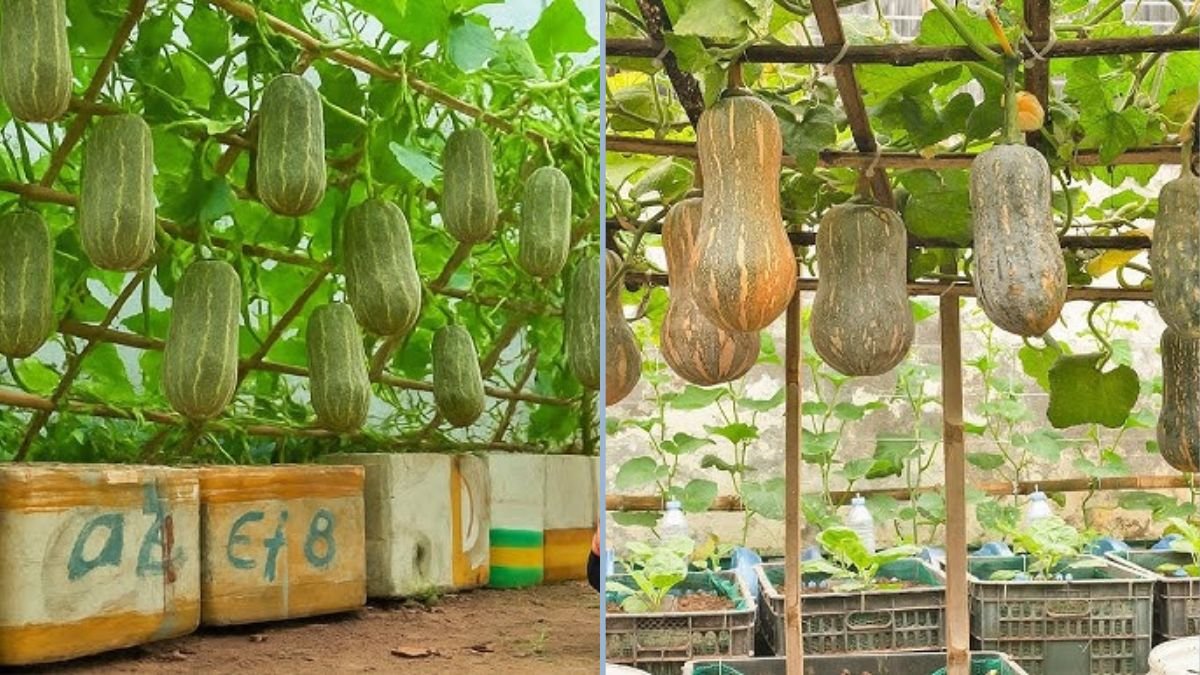
Pumpkins are one of the most iconic and versatile crops you can grow at home. From festive fall decorations to hearty pies and soups, pumpkins are both functional and delicious. Yet many aspiring gardeners struggle to grow pumpkins successfully, often because they lack the space of a traditional garden or don’t know the right techniques to maximize yield.
The good news? You don’t need a large garden to grow a bumper crop. With the right method, you can harvest twice as many pumpkins as your neighbors, even in small yards, patios, or balcony spaces. This guide will walk you step-by-step through the process, so you can enjoy abundant pumpkins without a full garden.
Why Growing Pumpkins at Home Is Worth It
Before exploring the method, let’s consider why homegrown pumpkins are valuable:
- Freshness: Nothing beats a pumpkin you’ve grown yourself—ripe, firm, and flavorful.
- Cost Savings: Pumpkins can be expensive in stores, especially around holidays. Growing your own is economical.
- Nutritional Benefits: Pumpkins are rich in vitamins A and C, potassium, and fiber.
- Decor and Fun: Pumpkins are perfect for carving, decorating, and festive displays.
- Sustainable Gardening: Growing your own reduces packaging and transportation waste.
Even without a traditional garden, you can cultivate pumpkins successfully and enjoy all these benefits.
Understanding Pumpkin Growth
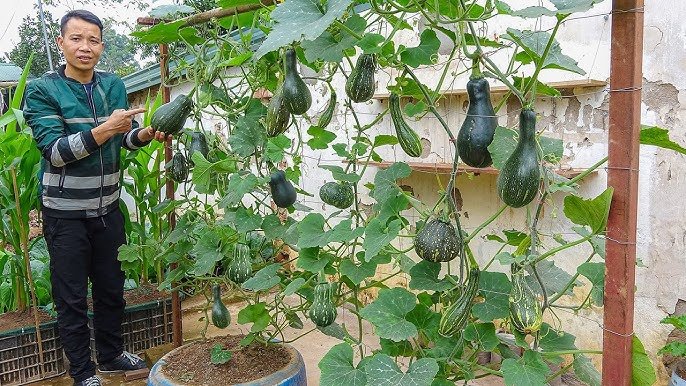
Pumpkins are vining plants that require sunlight, water, nutrients, and space to thrive. Knowing their growth habits is key to maximizing yield:
- Vine Growth: Pumpkin vines can stretch 10–20 feet if not trained or supported properly.
- Sunlight: Pumpkins require full sun—at least 6–8 hours per day.
- Water Needs: Consistent watering is essential for fruit development.
- Nutrients: Pumpkins are heavy feeders and thrive in fertile, well-draining soil.
- Time to Maturity: Most varieties take 90–120 days from planting to harvest.
The trick to doubling your pumpkin harvest lies in controlling space and training vines effectively, even in small areas.
The Method: Vertical Pumpkin Growing
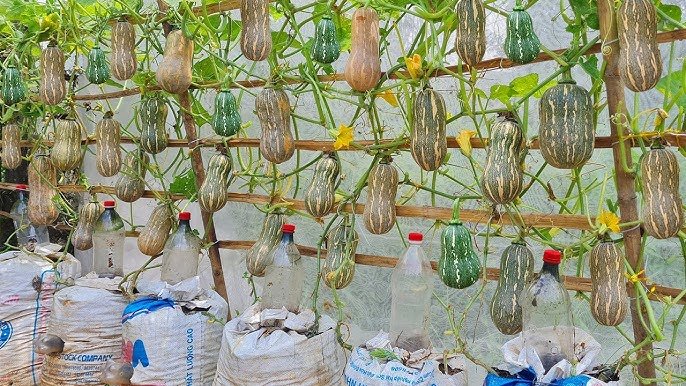
The secret method that allows gardeners to grow twice as many pumpkins without a garden is vertical growing. Instead of letting vines sprawl across the ground, you train them upwards using trellises, fences, or other supports. This method maximizes limited space, improves air circulation, and reduces pests and diseases.
Step 1: Choose the Right Pumpkin Variety
Not all pumpkins are ideal for vertical growing. Select compact or smaller varieties that are suitable for trellises:
- ‘Jack Be Little’ – Miniature pumpkins, perfect for small spaces.
- ‘Baby Boo’ – Small white pumpkins, lightweight for hanging.
- ‘Cinderella’ or ‘Fairytale’ – Medium-size pumpkins for trellis support with slings.
Day-neutral varieties or those with strong vines are ideal for consistent production.
Step 2: Prepare Containers or Raised Beds
Since a traditional garden isn’t necessary, containers and raised beds are excellent alternatives:
- Use large containers (18–24 inches deep) for each plant.
- Ensure drainage holes to prevent waterlogging.
- Fill with fertile, well-draining soil mixed with compost and organic fertilizer.
Healthy root growth is critical for supporting vines and fruit on vertical structures.
Step 3: Build Vertical Supports
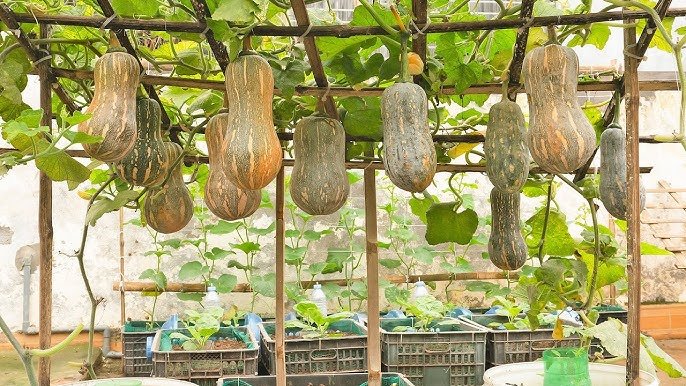
A sturdy trellis or support system is key:
- Trellises: Use wooden frames, metal grids, or bamboo stakes.
- Fences: Pumpkin vines can climb fences if trained early.
- Overhead Arches: Create archways for vines to grow over, saving ground space.
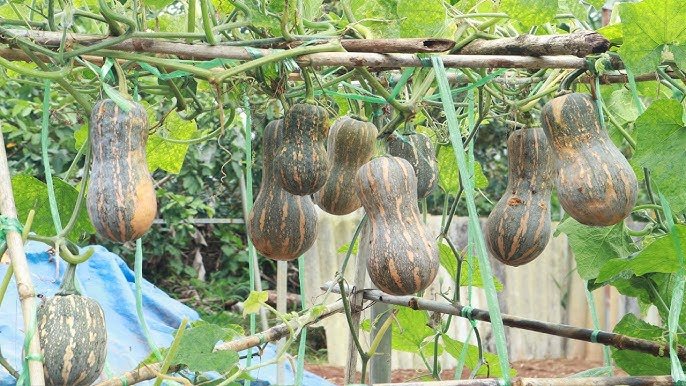
- Slings for Fruit: As pumpkins grow, support heavier fruit with cloth or netting slings to prevent stems from breaking.
Vertical growing not only saves space but also improves airflow, reducing fungal diseases.
Step 4: Planting and Training Vines
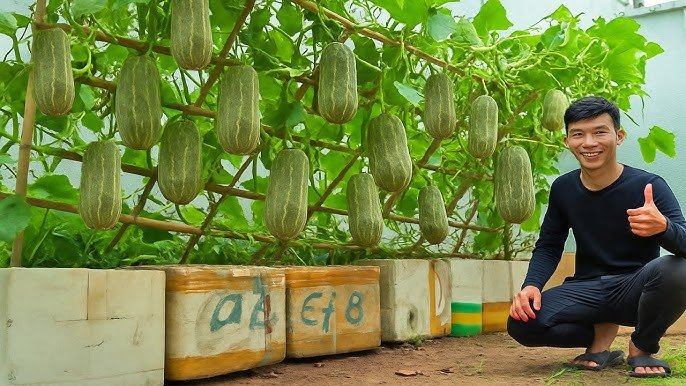
- Planting: Sow seeds in containers or raised beds, planting 1–2 seeds per container. Thin to the strongest seedling once germinated.
- Early Training: When vines start to grow, gently guide them toward the trellis or support.
- Pinching Tips: Pinch back the tip of the main vine after 2–3 fruit sets to encourage lateral growth and more flowering sites.
- Securing Fruit: Use soft slings to support developing pumpkins on the trellis.
Proper training ensures that vines grow upward efficiently, allowing multiple pumpkins to develop per plant.
Step 5: Watering and Fertilizing
- Watering: Keep soil consistently moist but avoid waterlogging. Water at the base to prevent wetting leaves and reduce fungal disease.
- Fertilizing:
- Early stage: Nitrogen-rich fertilizer for strong vine growth.
- Flowering and fruiting stage: Switch to phosphorus and potassium-rich fertilizer to promote fruit development and sweetness.
- Mulching: Use straw or shredded leaves around the base to retain moisture and regulate soil temperature.
Consistent care ensures rapid vine growth and abundant fruit development.
Step 6: Pest and Disease Management
Vertical growing reduces but doesn’t eliminate pest problems. Watch for:
- Squash bugs and vine borers: Handpick insects or use neem oil.
- Powdery mildew: Ensure good airflow, avoid overhead watering, and prune dense foliage.
- Aphids: Spray with mild soap solution or introduce beneficial insects like ladybugs.
Healthy plants produce more fruit and reduce losses, contributing to higher yields.
Step 7: Harvesting Pumpkins
- Timing: Harvest when pumpkins have fully colored skin and a hard rind.
- Technique: Cut the pumpkin from the vine with a sharp knife, leaving a few inches of stem attached.
- Continuous Harvest: Vertical planting allows staggered harvesting, letting you pick pumpkins as they mature without disturbing the entire plant.
By managing vines carefully and supporting fruit with slings, you can harvest more pumpkins per plant than traditional ground-growing methods.
Additional Tips for Maximum Yield
- Stagger Plantings: Plant seeds every 2–3 weeks to extend the harvest season.
- Use Companion Plants: Marigolds and nasturtiums deter pests naturally.
- Monitor Growth: Check vines regularly for broken stems or slings that need adjustment.
- Prune Wisely: Remove overcrowded leaves to direct energy to fruit development.
- Fertilize Mid-Season: Give extra nutrients during flowering to boost fruit set.
These small adjustments can dramatically increase the number of pumpkins produced per plant.
Benefits of Vertical Pumpkin Growing
- Twice as Many Pumpkins: Each plant produces more fruit because vines are trained efficiently.
- Space-Saving: Ideal for patios, balconies, or small yards without a traditional garden.
- Healthier Plants: Better airflow reduces disease and pest pressure.
- Easier Harvesting: Pumpkins are easier to see and pick from a trellis.
- Aesthetic Appeal: Vertical pumpkin plants can create a living wall or decorative garden feature.
Vertical growing turns limited space into a highly productive pumpkin patch.
Fun Uses for Your Pumpkin Harvest
- Cooking: Soups, pies, bread, and roasted pumpkin dishes.
- Decorations: Carving or painting for holidays and seasonal décor.
- Seeds: Roast pumpkin seeds for healthy snacks.
- Composting: Leftover pumpkin parts can enrich compost for future crops.
A higher yield means more pumpkins to enjoy in creative and practical ways.
Final Thoughts
You don’t need a full garden to grow pumpkins successfully. By adopting vertical growing techniques, choosing the right varieties, and providing consistent care, you can double your pumpkin harvest compared to traditional methods.
The secret lies in training vines, supporting fruit, and staggering plantings to create a continuous and abundant yield. Even with limited space, this method allows gardeners to enjoy fresh, homegrown pumpkins for cooking, decoration, and fun throughout the season.
If you’ve struggled with pumpkin growth or have limited yard space, give this vertical growing method a try. With a bit of preparation, patience, and care, you can enjoy more pumpkins than your neighbors—no large garden required!