Growing your own vegetables is one of the most rewarding experiences you can have. The satisfaction of biting into a fresh, homegrown tomato, crunching into a leafy lettuce, or slicing a juicy cucumber straight from the garden is unmatched. Yet, many gardeners—including seasoned ones—often make small mistakes that affect yield, plant health, and the overall success of their vegetable garden.
After years of trial and error, I realized that I had been growing vegetables the wrong way. Some techniques I thought were “right” were actually limiting my harvests and preventing my plants from thriving. Once I discovered the correct methods, my garden transformed into a lush, productive space. If you’ve been struggling with your vegetables or feel like your garden isn’t performing as it should, this guide is for you. Here’s what I wish I’d known sooner.
The Common Mistakes Most Gardeners Make
Before diving into the solutions, it’s important to understand the mistakes that can hold your garden back:
- Planting Without Considering Sunlight
Many vegetables require 6–8 hours of direct sunlight per day. Planting in shady spots significantly reduces growth, delays flowering, and limits fruit development. - Overcrowding Plants
Crowding may seem harmless, but it limits airflow, increases disease risk, and prevents roots from spreading properly. Each vegetable needs its own space to thrive. - Neglecting Soil Quality
Even the best seeds can fail in poor soil. Nutrient-deficient or compacted soil limits root development and overall plant health. - Improper Watering
Too much or too little water is a common problem. Overwatering leads to root rot and fungal infections, while underwatering stresses plants, resulting in small or bitter vegetables. - Ignoring Crop Rotation
Planting the same vegetables in the same spot year after year depletes soil nutrients and increases susceptibility to pests and diseases. - Relying Too Much on Fertilizers
Synthetic fertilizers can provide quick results but often damage soil life over time. Healthy soil with organic matter is more sustainable and produces better-tasting vegetables.
Understanding these mistakes is the first step toward improving your gardening results.
The Secrets to Growing Vegetables Successfully
Once I corrected my approach, everything changed. Here are the key practices I wish I had known earlier:
1. Prioritize Sunlight
Vegetables like tomatoes, peppers, cucumbers, and eggplants thrive in full sun. Make sure your garden receives enough direct light, or consider growing sun-loving crops in containers that can be moved to sunny spots.
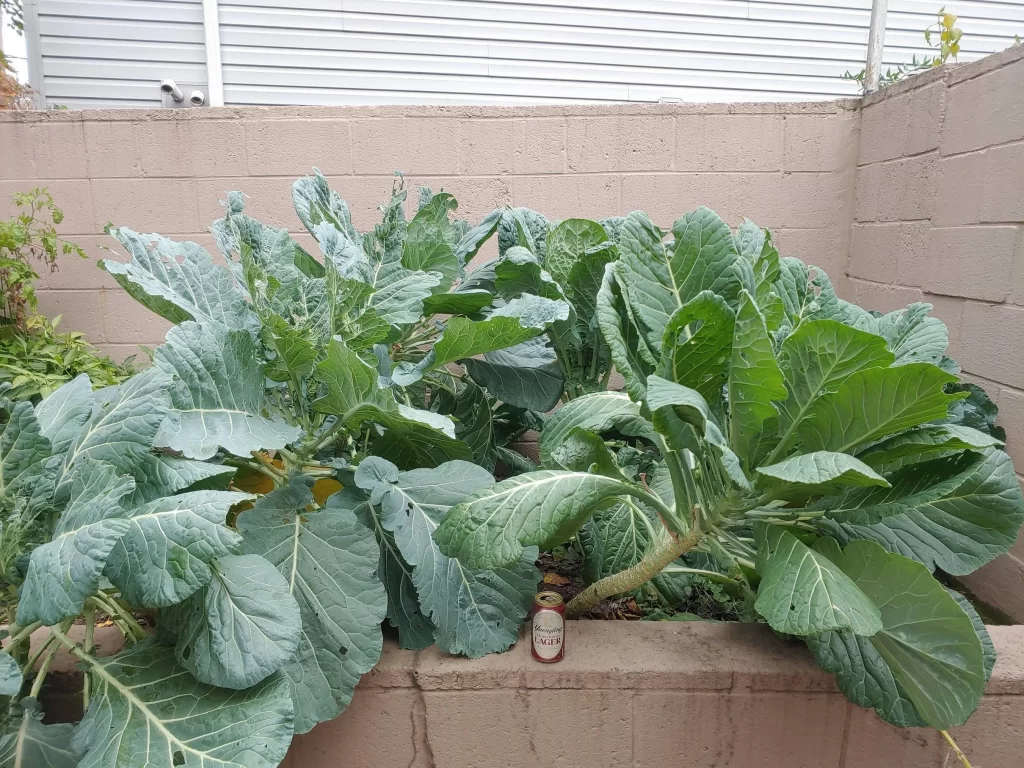
2. Provide Adequate Space
Follow recommended spacing for each vegetable:
- Leafy greens: 6–12 inches apart
- Root vegetables: 2–4 inches apart
- Fruit-bearing vegetables (tomatoes, peppers, cucumbers): 18–36 inches apart
Proper spacing ensures healthy airflow, reduces disease risk, and allows roots to access nutrients and water efficiently.
3. Improve Soil Health
Healthy soil is the foundation of a productive garden:
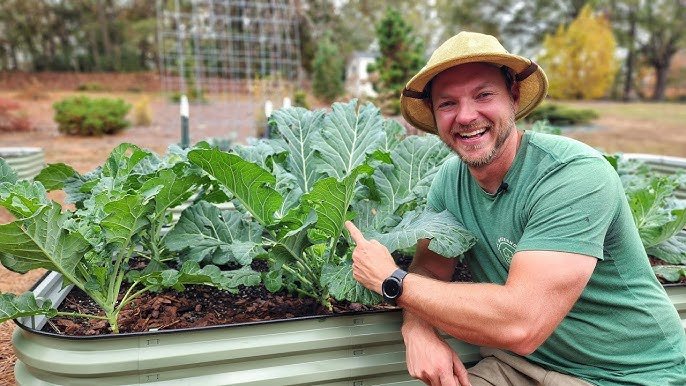
- Add Organic Matter: Compost, well-rotted manure, and leaf mold enrich the soil.
- Check pH Levels: Most vegetables prefer slightly acidic to neutral soil (pH 6–7).
- Mulch: Conserves moisture, suppresses weeds, and adds nutrients as it decomposes.
Strong soil supports strong plants, leading to bigger, healthier harvests.
4. Master Watering Techniques
Watering is about consistency and timing:
- Deep, Infrequent Watering: Encourages roots to grow deeper, making plants more drought-resistant.
- Morning Watering: Reduces the risk of fungal diseases and allows leaves to dry during the day.
- Avoid Wetting Leaves: Water at the base whenever possible to prevent fungal infections.
Consistent, correct watering dramatically improves plant growth and yield.
5. Rotate Crops and Practice Companion Planting
Crop rotation prevents soil nutrient depletion and reduces pests:
- Avoid planting the same vegetable in the same spot consecutively.
- Rotate families (e.g., legumes, brassicas, and nightshades) to maintain soil health.
Companion planting can also boost growth and protect crops:
- Basil with tomatoes improves flavor and repels pests.
- Marigolds deter nematodes and insects.
- Beans fix nitrogen in the soil, benefiting leafy vegetables.
6. Use Natural Fertilizers and Compost
Over-reliance on chemical fertilizers can harm your soil:
- Use compost to enrich soil naturally.
- Apply organic fertilizers such as fish emulsion, bone meal, or seaweed extract.
- Feed plants according to growth stage: more nitrogen for leafy growth, more potassium and phosphorus for flowers and fruits.
This approach supports long-term soil fertility and healthier, tastier vegetables.
Growing Vegetables in Small Spaces
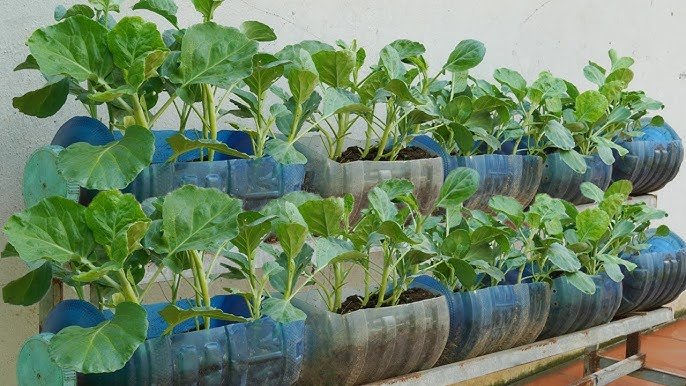
Even if you don’t have a large garden, you can apply these techniques in small spaces:
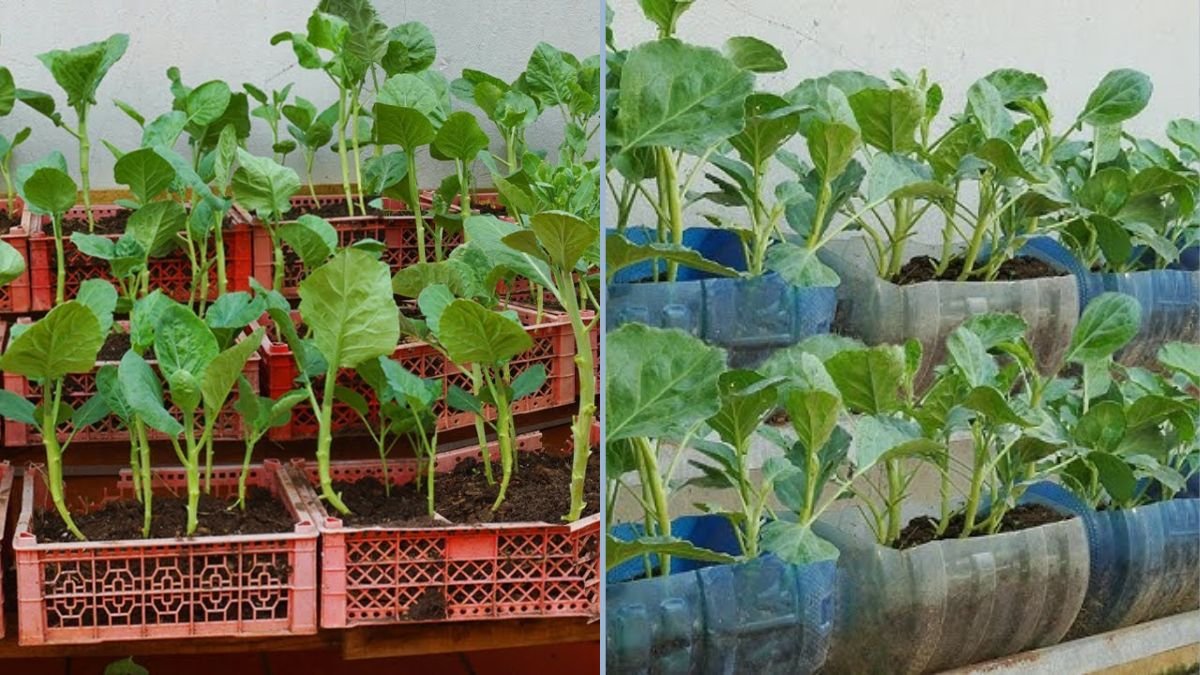
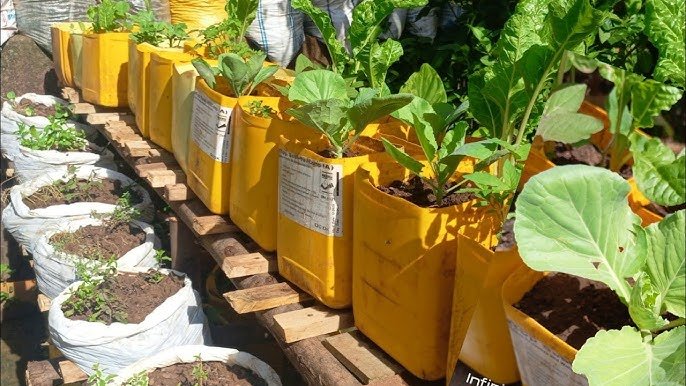
Container Gardening
- Use pots, buckets, or recycled containers.
- Ensure proper drainage to prevent waterlogging.
- Choose compact or dwarf varieties for limited space.
Vertical Gardening
- Trellises, hanging baskets, and vertical planters maximize space.
- Cucumbers, beans, and tomatoes grow well vertically and save ground space for other crops.
Square Foot Gardening
- Divide your planting area into square-foot sections.
- Plant vegetables according to spacing recommendations in each square.
- Efficiently uses small areas while maximizing yield.
Even urban gardeners can achieve a productive, high-yield vegetable garden with limited space by using these techniques.
Tips I Wish I Knew Sooner
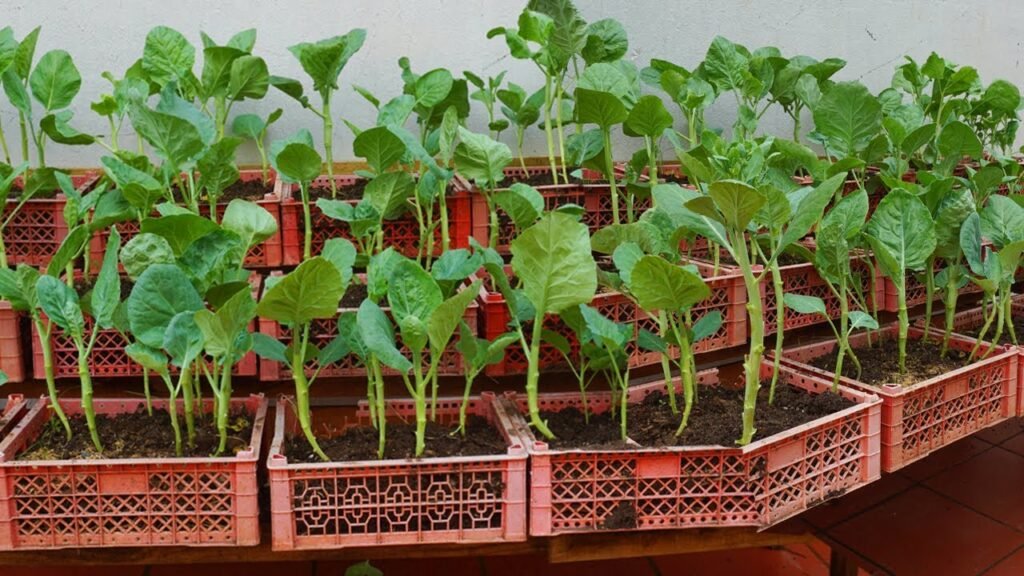
Looking back, these are the tips that transformed my garden:
- Prune Strategically: Remove dead or excess leaves to improve airflow and direct energy to fruit production.
- Harvest Regularly: Picking vegetables as they ripen encourages more growth.
- Support Heavy Plants: Staking tomatoes or peppers prevents stems from breaking and improves airflow.
- Observe and Adapt: Watch your plants daily to detect signs of pests, nutrient deficiency, or water stress early.
- Learn from Failures: Every mistake is a learning opportunity. Adjusting techniques based on experience leads to consistent success.
Implementing these small but crucial changes makes a huge difference in productivity and quality.
The Benefits of Getting It Right
When you finally grow vegetables the right way, the rewards are immense:
- Higher Yield: More fruits, vegetables, and greens from the same space.
- Healthier Plants: Reduced disease and pest problems.
- Better Taste: Homegrown vegetables are naturally sweeter and more flavorful.
- Satisfaction: Gardening becomes more enjoyable when results match effort.
- Sustainability: You contribute to eco-friendly living by reducing the need for store-bought produce.
Correcting mistakes and following the right practices transforms gardening from frustrating to incredibly rewarding.
Final Thoughts
I’ve spent years learning what works—and what doesn’t—in vegetable gardening. The truth is, most of us have been growing vegetables “wrong” without realizing it. Overcrowding, poor soil, inconsistent watering, and neglecting crop rotation all limit the potential of your garden.
Once I discovered the correct techniques—adequate spacing, healthy soil, proper watering, companion planting, and natural fertilization—my garden flourished. Plants were healthier, yields increased, and the vegetables tasted better than ever.
You don’t need a huge backyard or fancy equipment to grow a thriving vegetable garden. With knowledge, patience, and attention to detail, anyone can cultivate a productive, sustainable, and delicious garden.
If you’ve been frustrated with your vegetable yields or feel like your plants never reach their full potential, implement these strategies today. Your garden—and your family—will thank you.