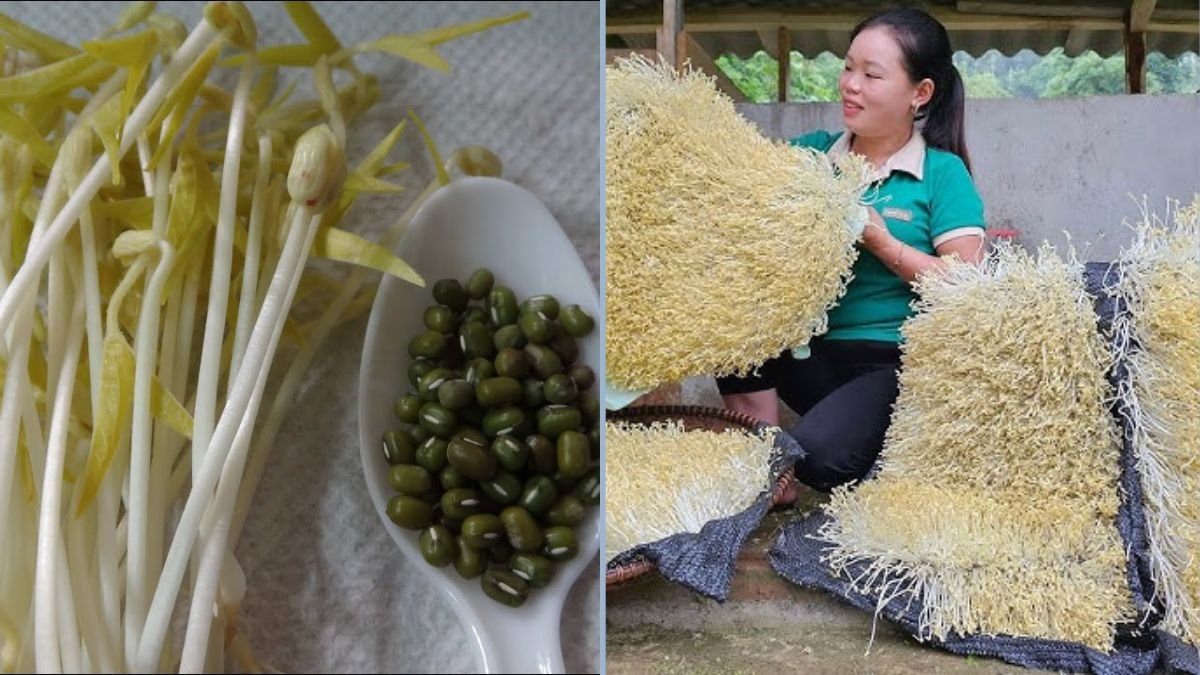
Mung bean sprouts are a powerhouse of nutrition and one of the easiest vegetables you can grow at home. Rich in protein, vitamins, and minerals, these crunchy sprouts are a staple in salads, stir-fries, soups, and sandwiches. But what if you don’t have a garden or fancy equipment? Surprisingly, you can grow fresh mung bean sprouts easily and effectively in a simple fruit bag right in your kitchen.
This method is perfect for anyone who wants a constant supply of fresh sprouts without complicated setups or large spaces. In this guide, we’ll walk you through everything from preparing your beans to harvesting nutritious sprouts in just a few days.
Why Grow Mung Bean Sprouts at Home
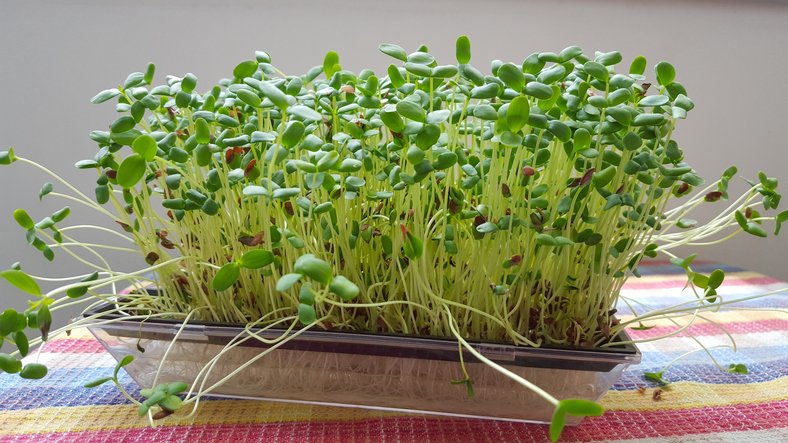
Growing your own mung bean sprouts comes with multiple benefits:
- Freshness: Homegrown sprouts are crisp and flavorful, much better than store-bought options.
- Nutritional Value: Packed with protein, fiber, vitamin C, and antioxidants.
- Cost-Effective: Mung beans are inexpensive, and growing your own sprouts is cheaper than buying pre-packaged sprouts.
- Quick Growth: Sprouts are ready in just 3–5 days, providing almost instant gratification.
- Space-Saving: No garden is needed; a simple fruit bag is enough.
Whether you’re a busy professional, a student, or a home cook, this method is convenient, economical, and highly rewarding.
The Materials You’ll Need
To grow mung bean sprouts in a fruit bag, you only need a few simple items:
- Mung beans: Choose high-quality, organic beans for best results.
- Fruit bag or mesh bag: A breathable bag allows proper drainage and airflow.
- Water: Clean, fresh water for soaking and rinsing.
- Jar or container (optional): To hold the bag while draining water.
That’s it! This simple setup makes growing sprouts accessible to everyone.
Step 1: Preparing the Mung Beans
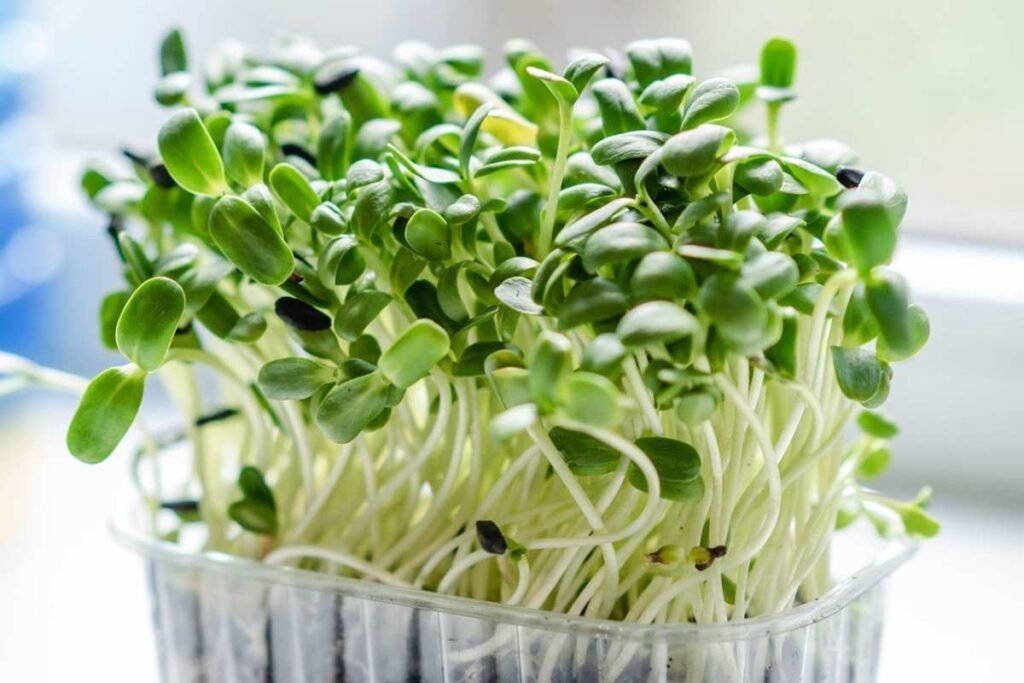
The first step is to prepare the mung beans for sprouting:
- Measure the Beans: Start with 1–2 tablespoons of mung beans for a small batch.
- Rinse Thoroughly: Wash the beans under running water to remove dust or impurities.
- Soak: Place the beans in a bowl and cover with water. Soak for 8–12 hours or overnight.
- Drain: After soaking, drain the water completely. The beans are now ready for sprouting.
Soaking is essential as it triggers germination and ensures faster sprouting.
Step 2: Placing Beans in the Fruit Bag
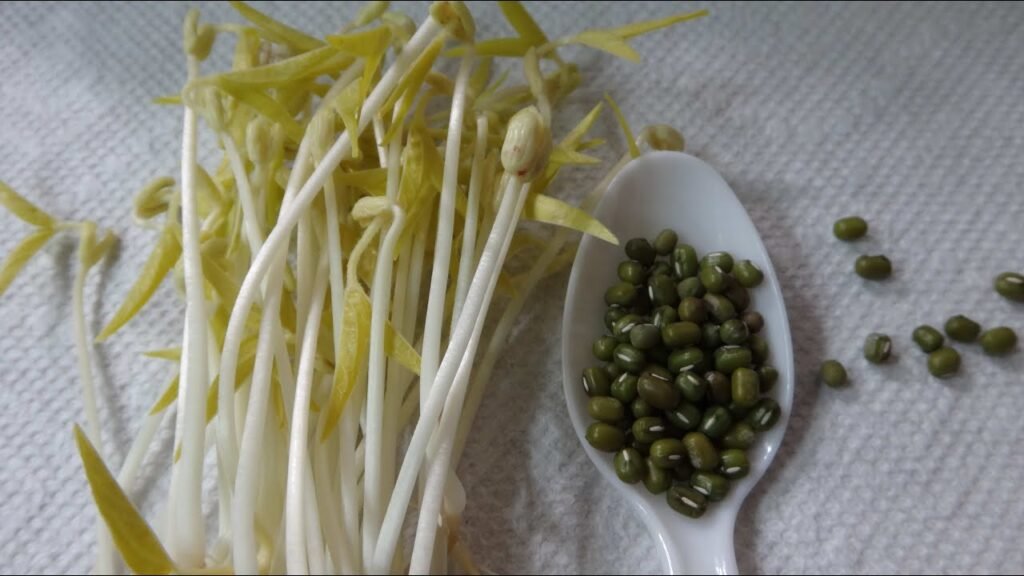
Using a fruit bag is an innovative and space-saving way to grow sprouts:
- Transfer the Beans: Place the soaked mung beans into the fruit bag.
- Secure the Bag: Tie the top loosely to allow air circulation.
- Positioning: Hang the bag in a cool, dark place. Darkness encourages faster sprouting.
The breathable bag ensures that water drains easily and that air circulates, preventing mold and spoilage.
Step 3: Rinsing and Draining
Rinsing is crucial for healthy sprouts:
- Rinse Twice Daily: Pour fresh water into the bag, swish gently, and drain thoroughly.
- Drain Well: Make sure no water is left standing in the bag to prevent rotting.
- Repeat: Continue rinsing and draining 2–3 times per day.
Regular rinsing keeps sprouts hydrated while maintaining hygiene, which is key for crisp, fresh sprouts.
Step 4: Watching the Sprouts Grow
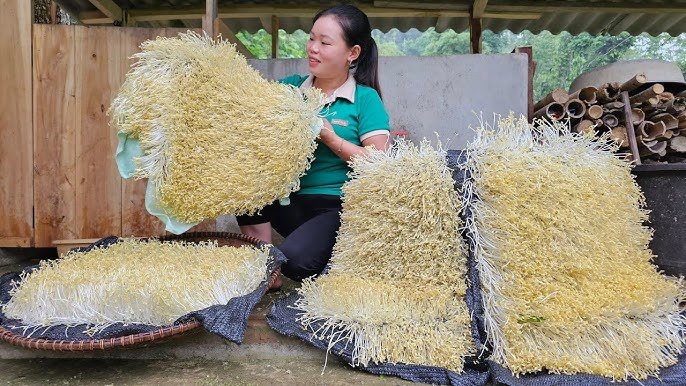
Mung bean sprouts grow quickly, usually within 3–5 days:
- Day 1–2: Small tails start emerging.
- Day 3: Sprouts are 1–2 cm long and beginning to curl.
- Day 4–5: Sprouts reach optimal length (2–4 inches), ready for harvest.
During this time, keep the bag in a cool, dark place and continue rinsing.
Step 5: Harvesting the Sprouts
When your sprouts reach the desired length:
- Remove from Bag: Pour sprouts into a clean bowl.
- Final Rinse: Wash thoroughly to remove seed husks and any dirt.
- Drain: Let the sprouts drain completely before storing or using.
Harvesting at the right time ensures crispness and maximum nutrition.
Tips for Healthy and High-Yield Sprouts
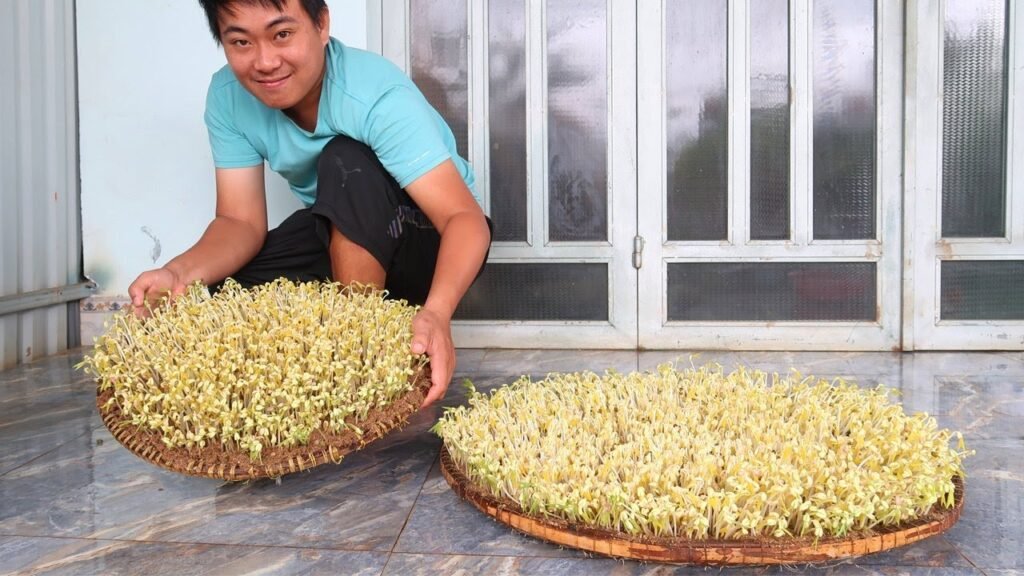
To get the best results, follow these tips:
- Use Fresh Beans: Old beans may not sprout properly.
- Maintain Cleanliness: Always use clean hands, jars, and bags to prevent contamination.
- Avoid Excess Moisture: Too much water can cause mold or soggy sprouts.
- Provide Proper Airflow: A breathable bag or mesh allows oxygen to reach the sprouts.
- Monitor Temperature: Keep sprouts at room temperature (20–25°C). Too hot or too cold slows growth.
Following these steps ensures fast, healthy growth and maximum yield.
Storing Mung Bean Sprouts
Once harvested, sprouts are highly perishable but can last a few days with proper storage:
- Refrigerate: Place in an airtight container or plastic bag.
- Keep Dry: Avoid excess moisture to prevent spoilage.
- Use Quickly: Consume within 3–5 days for best flavor and nutrition.
Fresh sprouts can be enjoyed raw or lightly cooked in a variety of dishes.
Culinary Uses for Mung Bean Sprouts
Mung bean sprouts are versatile and can be used in countless recipes:
- Salads: Toss raw sprouts with greens, herbs, and a light dressing.
- Stir-Fries: Quickly sauté with garlic, soy sauce, and vegetables.
- Soups: Add to miso soup, noodle soup, or vegetable broth for extra crunch.
- Sandwiches & Wraps: Layer fresh sprouts for a nutritious crunch.
- Smoothies: Blend a small handful for added protein and nutrients.
Homegrown sprouts are tastier and fresher than store-bought, making every dish more vibrant and nutritious.
Benefits of Growing Sprouts at Home
Growing mung bean sprouts in a fruit bag provides multiple advantages:
- Convenience: Grow sprouts anywhere, even without a garden.
- Fast Growth: Harvest in just a few days, unlike traditional vegetables.
- Cost-Effective: A small amount of beans produces a large batch of sprouts.
- Highly Nutritious: Rich in protein, vitamins, and minerals.
- Eco-Friendly: No need for soil, pots, or large containers—just a reusable bag.
This method is perfect for urban dwellers, apartment residents, and anyone looking for a quick, reliable vegetable source.
Final Thoughts
Growing mung bean sprouts in a fruit bag is simple, fast, and highly effective. By soaking beans, placing them in a breathable bag, rinsing twice daily, and harvesting in 3–5 days, you can enjoy fresh, nutritious sprouts without the need for a garden or complicated equipment.
This method is ideal for beginners, busy people, or anyone with limited space. With minimal effort, you can have a constant supply of sprouts ready to eat, adding crunch, flavor, and nutrition to your meals every day.
Start today and experience the joy of growing your own mung bean sprouts—fresh, healthy, and satisfying—right in your kitchen!