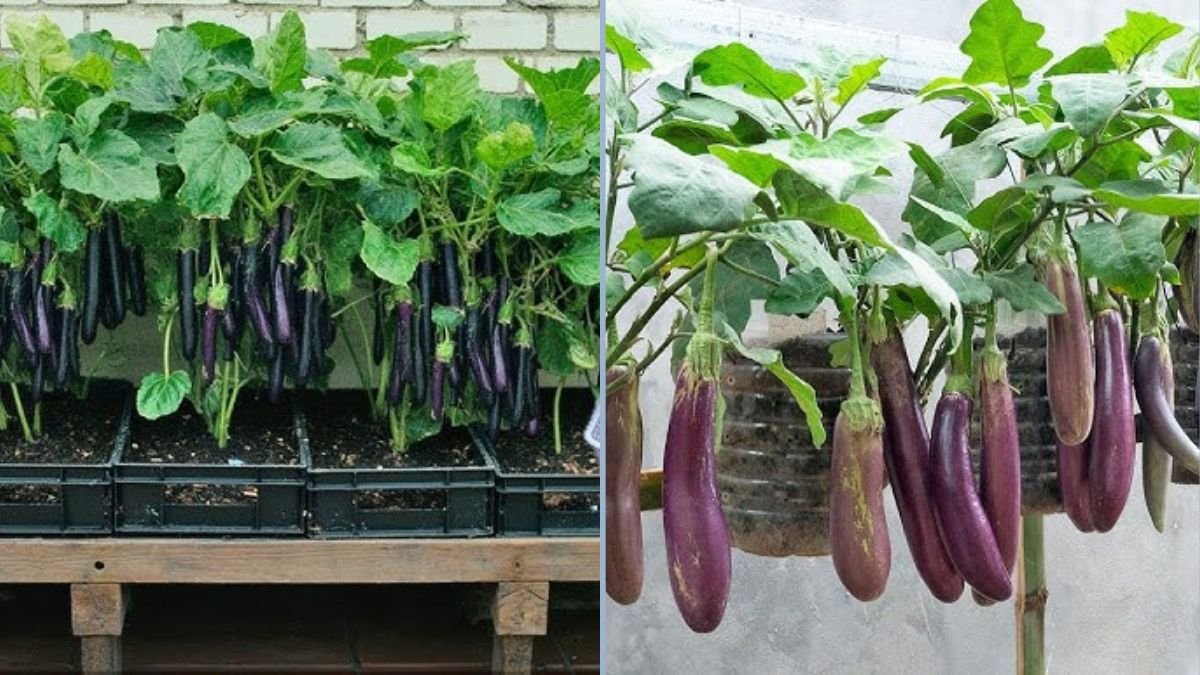
Eggplant, also known as aubergine, is more than just a versatile vegetable for the kitchen—it’s a powerhouse of nutrients that can support overall health, including helping to regulate blood sugar levels. Whether you are a home gardener looking to cultivate your own eggplant or someone interested in healthy, blood sugar-friendly meals, understanding both its cultivation and culinary benefits is invaluable. In this guide, we’ll explore how to grow eggplant successfully and prepare dishes that help manage blood sugar levels, making this vegetable a real treasure for your garden and your health.
Why Eggplant Is a Nutritional Treasure
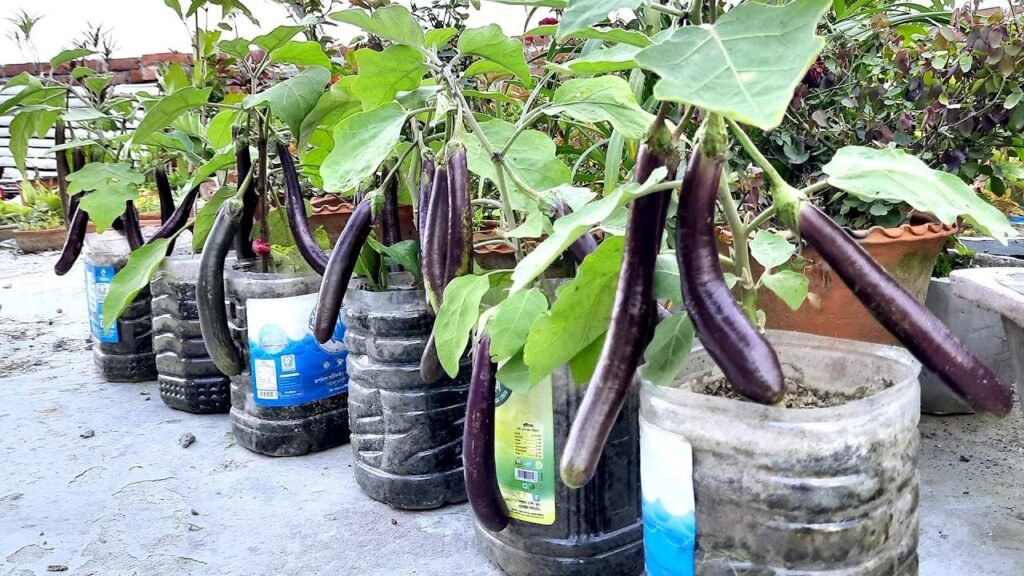
Eggplant is often overlooked, yet it is packed with essential nutrients that make it a valuable addition to any diet. Key benefits include:
- Rich in Fiber: Fiber slows the absorption of sugar into the bloodstream, which helps regulate blood sugar levels.
- Low Glycemic Index: Eggplant has a low GI, meaning it won’t cause rapid spikes in blood sugar.
- High in Antioxidants: Contains nasunin, a potent antioxidant found in the purple skin, which protects cells from oxidative stress.
- Heart-Healthy Nutrients: Provides potassium, magnesium, and phytonutrients that support cardiovascular health.
- Weight Management: Low in calories but filling, making it a perfect addition to balanced, weight-conscious diets.
These benefits make eggplant particularly useful for individuals with diabetes or those aiming to maintain steady blood sugar levels.
Selecting the Right Eggplant Variety

There are many varieties of eggplant, but for home gardens and healthy cooking, consider:
- Globe Eggplant: Large, dark purple fruits ideal for roasting, grilling, and baking.
- Japanese Eggplant: Long and slender with a mild flavor, perfect for stir-fries.
- Italian Eggplant: Smaller, rounder fruits with a creamy texture suitable for Mediterranean dishes.
- White Eggplant: Less common but mild and slightly sweet, great for sautéing and curries.
Choosing a variety suited to your climate and culinary preferences ensures a successful harvest and enjoyable dishes.
Growing Eggplant at Home
Eggplants are surprisingly easy to grow if provided with the right conditions. Here’s a step-by-step guide:
1. Seed Selection and Sowing
- Choose organic seeds or disease-resistant hybrids.
- Start seeds indoors 8–10 weeks before the last expected frost.
- Sow seeds ¼ inch deep in seed-starting mix and keep them moist and warm (around 75°F).
2. Preparing the Garden Bed or Container
- Eggplants thrive in well-draining, nutrient-rich soil with a pH between 5.8–6.5.
- They prefer full sunlight, at least 6–8 hours a day.
- If growing in containers, use pots at least 12 inches deep and 14–16 inches wide.
3. Transplanting Seedlings
- Harden off seedlings for a week before transplanting outdoors.
- Space plants 18–24 inches apart in garden beds or containers.
- Water thoroughly after transplanting to reduce transplant shock.
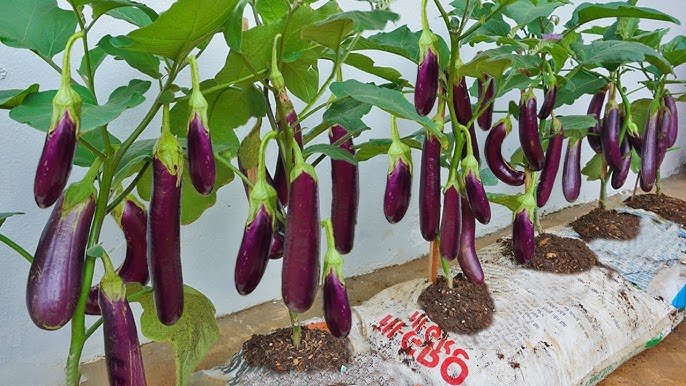
4. Fertilizing and Care
- Apply a balanced fertilizer every 3–4 weeks during the growing season.
- Mulch around the base to retain moisture and suppress weeds.
- Stake plants if necessary to support heavy fruiting branches.
5. Watering
- Keep soil consistently moist but not waterlogged.
- Drip irrigation or soaker hoses work well for container or garden beds.
Pest and Disease Management

Eggplants can be affected by pests and diseases, but proper care minimizes risks:
- Aphids and Flea Beetles: Spray neem oil or insecticidal soap.
- Blossom End Rot: Caused by calcium deficiency or irregular watering. Ensure consistent moisture and add calcium-rich amendments if needed.
- Powdery Mildew: Improve airflow and avoid wetting leaves during irrigation.
- Root Rot: Ensure well-draining soil to prevent standing water.
Regular observation and preventive care help maintain healthy, productive plants.
Harvesting Eggplant
Eggplants are typically ready for harvest 60–80 days after transplanting, depending on the variety. Signs of readiness include:
- Glossy, firm skin.
- Fruit size appropriate to the variety (large globe or slender Japanese).
- Slight pressure returns the fruit to shape but doesn’t leave an indentation.
Use a sharp knife or pruners to cut the fruit from the plant, leaving a short stem attached. Regular harvesting encourages continued fruit production.
Cooking Eggplant for Blood Sugar Management
Eggplant is versatile and can be incorporated into meals that help maintain steady blood sugar levels. Here are some strategies and recipes:
1. Roasted Eggplant
- Slice eggplant into rounds or cubes.
- Drizzle with olive oil and season with herbs such as rosemary or oregano.
- Roast at 400°F for 20–25 minutes.
Roasted eggplant is rich in fiber and low in calories, making it ideal for stabilizing blood sugar.
2. Eggplant Stir-Fry
- Chop eggplant and sauté with garlic, onions, bell peppers, and lean protein like chicken or tofu.
- Use minimal oil and avoid sugar-heavy sauces.
This dish is nutrient-dense and high in fiber, supporting gradual glucose absorption.
3. Eggplant Curry or Stew
- Cook eggplant with tomatoes, onions, and spices such as turmeric, cumin, and cinnamon.
- Serve over whole grains like quinoa or brown rice instead of refined white rice.
Eggplant’s fiber helps slow digestion, while the spices add flavor and additional blood sugar benefits.
4. Grilled Eggplant

- Slice eggplant lengthwise, brush lightly with olive oil, and grill until tender.
- Top with fresh herbs or a light yogurt sauce for added flavor.
Grilled eggplant is filling, low-calorie, and an excellent side dish for balanced meals.
Tips for Maximizing Health Benefits
- Leave the Skin On: The purple skin contains nasunin, a powerful antioxidant that protects brain and heart health.
- Pair with Protein or Healthy Fats: Combining eggplant with protein or healthy fats slows glucose absorption.
- Avoid Deep Frying: Baking, grilling, or sautéing with minimal oil preserves nutrients without adding excess calories.
- Portion Control: Incorporate eggplant as part of a balanced plate including lean proteins, fiber-rich vegetables, and whole grains.
Why Eggplant Is a Treasure for Diabetics
Regular consumption of eggplant can benefit people with diabetes or those at risk:
- Stabilizes Blood Sugar: Fiber and low GI prevent sudden spikes.
- Reduces Insulin Resistance: Antioxidants may improve insulin sensitivity.
- Supports Heart Health: Helps lower cholesterol and blood pressure, common concerns for diabetics.
When combined with a balanced diet and active lifestyle, eggplant can be a delicious tool for maintaining better blood sugar control.
Final Thoughts
Eggplant is more than just a vegetable—it’s a true treasure for your garden and your health. By growing your own eggplants at home, you gain access to fresh, organic produce while enjoying the satisfaction of cultivating a highly nutritious crop. Furthermore, incorporating eggplant into blood sugar-friendly dishes helps you take proactive steps toward better health and wellness.
Whether roasted, grilled, sautéed, or stewed, eggplant is versatile, flavorful, and supportive of a balanced diet. And for gardeners, nothing beats the joy of harvesting homegrown eggplants, knowing they were nurtured from seed to plate.
By combining smart gardening practices with mindful cooking, you can fully harness the power of eggplant—both as a nutrient-packed vegetable and as a natural aid in maintaining healthy blood sugar levels. This humble yet mighty fruit truly is a treasure, worth planting, cultivating, and savoring in your daily meals.