Gardening has always been a rewarding hobby, but not everyone has access to a large backyard or wants to spend a fortune on pots and soil. Luckily, there’s a simple and cost-effective way to grow your own peppers—using plastic bottles. This innovative approach allows you to cultivate fresh, healthy peppers without spending a dime on containers while recycling waste in an eco-friendly way. In this guide, we’ll explore everything you need to know to successfully grow peppers in plastic bottles and enjoy an amazing harvest.
Why Grow Peppers in Plastic Bottles?
Plastic bottles are abundant, lightweight, and easy to work with, making them perfect for small-space gardening. There are several advantages to this method:
- Cost-Free Gardening: Plastic bottles are often discarded, so using them for planting eliminates the need to buy pots.
- Space Efficiency: Bottles can be placed on balconies, windowsills, or even hung vertically, making them ideal for apartments or small gardens.
- Eco-Friendly: Reusing plastic bottles reduces waste and promotes sustainable gardening practices.
- Easy Maintenance: Bottles allow for easy watering, drainage, and mobility, which is particularly helpful for beginners.
- Healthy, Homegrown Produce: Growing your own peppers ensures they are pesticide-free and packed with nutrients.
Whether you want spicy chili peppers or sweet bell peppers, plastic bottle gardening can yield impressive results.
Materials You’ll Need
Before starting, gather these simple materials:
- Plastic bottles (1.5 or 2 liters work best)
- Potting soil (or homemade compost)
- Pepper seeds or seedlings
- A small knife or scissors
- Watering can or bottle cap with holes
Optional materials include string or hooks if you plan to hang the bottles for vertical gardening. The best part? Most of these items are already at home, and the bottles themselves are free.
Step-by-Step Guide to Growing Peppers in Plastic Bottles
1. Prepare the Bottles
Start by washing the bottles thoroughly to remove any residues. Using a knife or scissors, carefully cut the bottle in half or create a side opening that will hold the soil. Remember to keep the top portion intact if you want to use it as a mini-greenhouse to promote germination.
2. Add Drainage
Proper drainage is crucial to prevent waterlogging, which can rot the roots. Poke a few small holes in the bottom of the bottle using a knife, nail, or any sharp tool. This allows excess water to escape while keeping the soil moist enough for the peppers.
3. Fill with Soil
Fill the bottle with nutrient-rich soil or compost. Peppers thrive in well-draining soil that is slightly acidic (pH 6–6.8). If possible, mix some organic compost or leftover kitchen waste to provide extra nutrients.
4. Plant the Seeds or Seedlings
If you’re starting from seeds, plant 2–3 seeds about half an inch deep in the soil. If using seedlings, dig a small hole and gently place the roots in the soil, covering them lightly.
5. Water Regularly
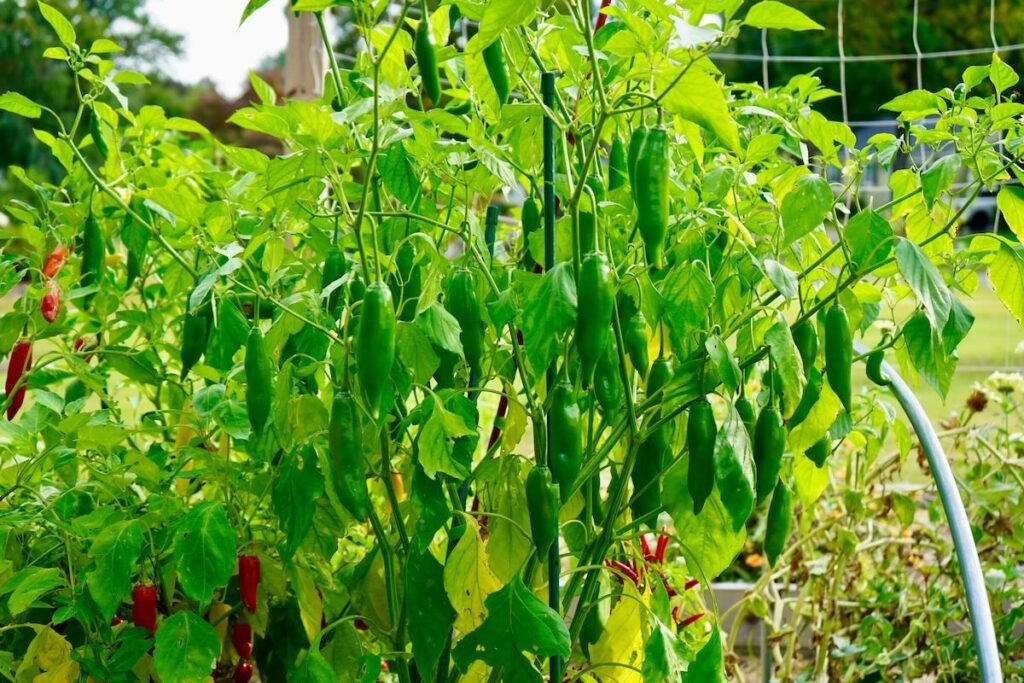
Water the soil lightly to keep it moist but not soggy. Plastic bottles retain moisture better than traditional pots, so monitor soil conditions carefully. You can also poke a few small holes in the cap and use it as a gentle watering system to prevent soil from washing away.
6. Provide Sunlight
Peppers require at least 6–8 hours of sunlight per day. Place your bottles in a sunny spot, like a balcony, windowsill, or garden area. If sunlight is limited, consider using a small grow light to supplement.
Tips for Maximizing Your Pepper Harvest
To get the best results from your bottle garden, consider these expert tips:
- Thin the Seedlings: Once the seeds germinate, thin them by removing the weaker sprouts to allow one strong plant to grow. This ensures better fruit production.
- Support the Plants: As peppers grow, they may become top-heavy. Use small sticks or bamboo skewers to support the stems.
- Fertilize Naturally: You don’t need chemical fertilizers. Organic options like compost tea, banana peels, or crushed eggshells provide essential nutrients for healthy growth.
- Prune for Productivity: Pinch off the first flowers if your plant is small to encourage strong root and leaf development, which results in larger yields later.
- Watch for Pests: Even in bottle gardens, pests like aphids or whiteflies can attack. Use natural remedies like neem oil, garlic spray, or soap-water mixtures to protect your plants.
By following these simple tips, you can ensure that your peppers grow strong, healthy, and produce an abundant harvest.
Advantages of Vertical Bottle Gardening
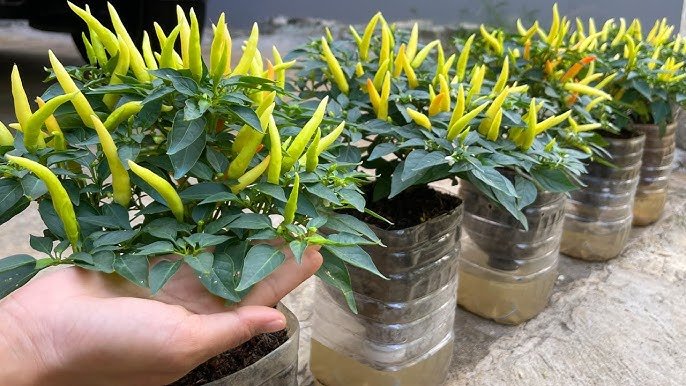
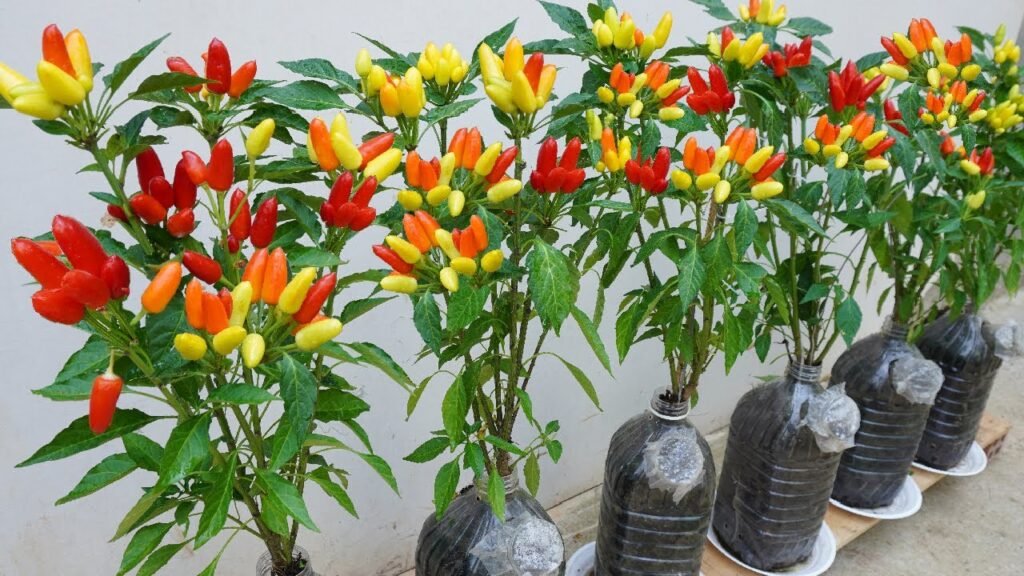
One of the most creative aspects of using plastic bottles is vertical gardening. By hanging bottles or stacking them, you can grow more plants in less space. Vertical gardening offers several benefits:
- Space Optimization: Ideal for small apartments or crowded balconies.
- Improved Air Circulation: Hanging bottles reduce the risk of fungal infections and promote healthy growth.
- Visual Appeal: A wall of lush green bottles filled with colorful peppers can become a stunning garden feature.
Using strings, hooks, or wooden frames, you can create your own vertical pepper garden without buying additional equipment.
Harvesting Your Peppers
Patience is key when growing peppers. Most varieties take 60–90 days from planting to produce mature fruits. Signs that your peppers are ready for harvest include:
- Firm, glossy skin
- Vibrant color (depending on the variety)
- Slight softening near the stem
Use scissors or garden shears to harvest peppers gently. Cutting instead of pulling prevents damage to the plant and encourages continued fruit production.
Why This Method Is Perfect for Beginners
Plastic bottle gardening is beginner-friendly for several reasons:
- Low-Cost: No need to invest in expensive pots or garden beds.
- Low Maintenance: Bottles retain moisture and are easy to move around.
- Small Space-Friendly: Perfect for apartments, patios, or small backyards.
- Recyclable: You’re giving a second life to plastic bottles, reducing waste.
Even first-time gardeners can achieve impressive results by following the steps above.
Common Challenges and How to Overcome Them
While bottle gardening is simple, it comes with its challenges:
- Limited Soil Space: Bottles restrict root growth. Choose smaller pepper varieties or transplant into bigger containers if necessary.
- Watering Issues: Bottles dry out faster in hot weather. Check soil moisture daily.
- Temperature Control: Plastic bottles can heat up quickly in direct sunlight. Place them in areas where they receive sun but are not exposed to scorching heat.
By addressing these challenges proactively, you can avoid common pitfalls and enjoy a continuous harvest.
Eco-Friendly Benefits
Growing peppers in plastic bottles is not just practical; it’s environmentally friendly. By repurposing plastic bottles, you reduce plastic waste that would otherwise end up in landfills or oceans. This method also encourages sustainable gardening practices and makes urban gardening accessible to everyone.
Moreover, homegrown peppers reduce your reliance on store-bought produce, which often comes packaged in plastic. You’re contributing to a healthier planet while enjoying fresh, delicious vegetables.
Conclusion
Growing peppers in plastic bottles is a simple, cost-free, and highly rewarding way to cultivate your own fresh produce. This method works for both beginners and experienced gardeners and is perfect for small spaces or urban settings. By reusing plastic bottles, you’re also making an eco-conscious choice that benefits the environment.
From preparing bottles to harvesting vibrant, healthy peppers, this approach proves that gardening doesn’t have to be expensive or complicated. With a little patience, proper care, and sunlight, you can enjoy an amazing harvest of peppers right from your home.
So, grab some plastic bottles, plant your seeds, and watch your garden flourish. It’s sustainable, easy, and incredibly satisfying!