
Rosemary (Rosmarinus officinalis) is an aromatic, evergreen herb cherished for centuries for its culinary versatility, medicinal properties, and ornamental appeal. Native to the Mediterranean region, rosemary thrives in warm climates but can also be grown indoors or in containers in temperate areas. Its fragrant, needle-like leaves not only enhance the flavor of diverse dishes but also provide a wealth of health-promoting compounds. Growing rosemary at home allows gardeners to enjoy fresh, pesticide-free leaves for both cooking and natural remedies year-round.
This article explores detailed strategies for cultivating, harvesting, and utilizing rosemary in culinary applications and herbal remedies, with a focus on sustainable, plant-based practices suitable for beginners and experienced gardeners alike.
1. Understanding Rosemary and Its Growth Requirements
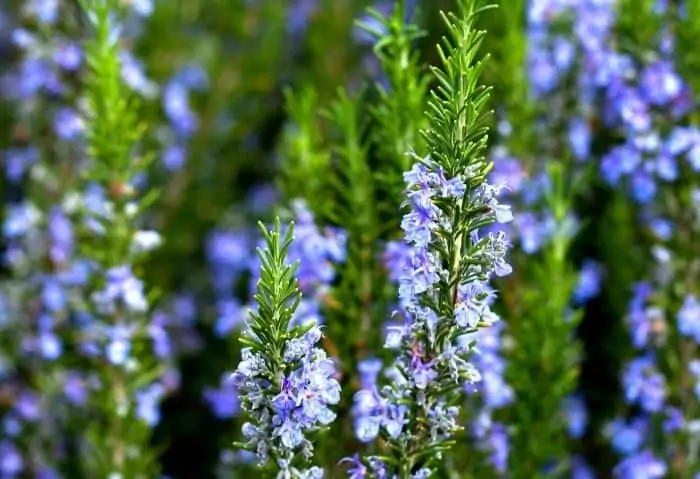
Rosemary is a hardy perennial herb that prefers sunny, well-drained locations. Understanding its natural growth preferences is essential for successful indoor or outdoor cultivation.
Key Requirements
- Light: 6–8 hours of direct sunlight daily or strong artificial light indoors
- Temperature: Ideal daytime range is 18–25°C (65–77°F); tolerates mild frost but sensitive to prolonged cold
- Soil: Well-draining, slightly sandy or loamy soil enriched with organic matter
- Watering: Drought-tolerant once established; prefers infrequent, deep watering rather than frequent shallow watering
- Air Circulation: Adequate airflow reduces fungal risks and strengthens stems
Meeting these requirements ensures a healthy, productive rosemary plant suitable for both culinary and medicinal use.
2. Choosing Rosemary Varieties

Several rosemary varieties are suitable for home cultivation, each with unique growth habits and flavors.
Popular Varieties
- Tuscan Blue: Strong flavor, upright growth; ideal for cooking and pruning
- Arp: Hardy variety resistant to cold; slightly milder flavor
- Prostratus (Creeping Rosemary): Low-growing, ornamental, suitable for containers
- Spice Island: Intensely aromatic; best for culinary applications
- Gorizia: Compact, ornamental with flavorful leaves
Selecting a variety depends on your intended use, available space, and climate conditions.
3. Cultivation of Rosemary at Home
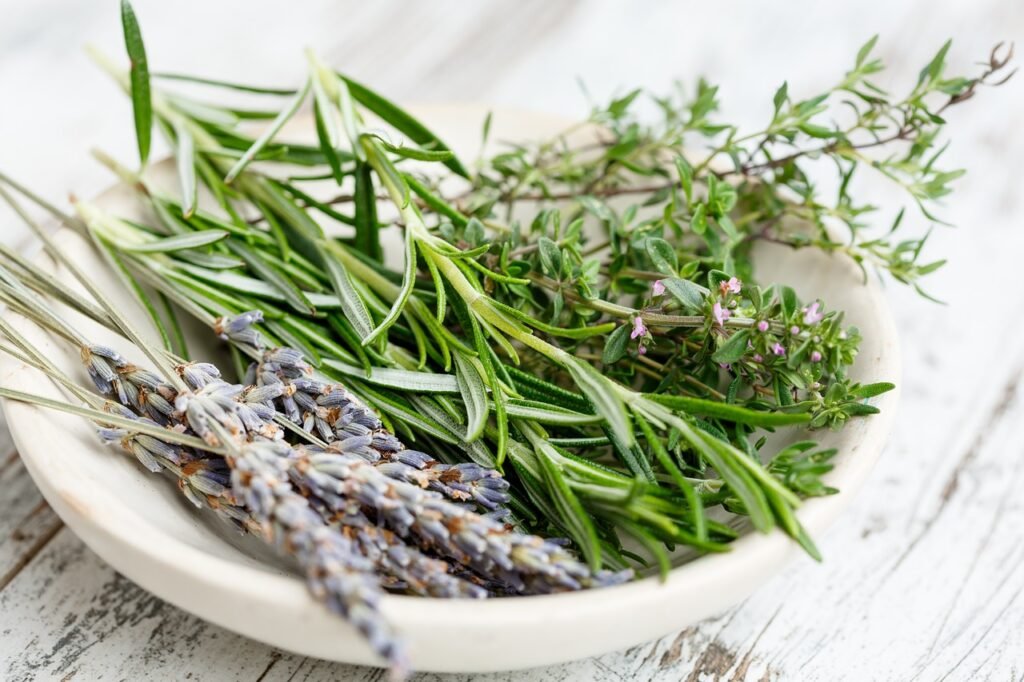
Rosemary can be successfully grown in gardens, containers, or even indoors with appropriate care.
Container Gardening
- Choose pots with good drainage to prevent root rot
- Medium to large pots (10–14 inches) allow proper root expansion
- Use well-draining plant-based potting mix enriched with compost
Outdoor Cultivation
- Plant rosemary in sunny garden beds with sandy, loamy soil
- Ensure spacing of at least 30–45 cm between plants to allow airflow and prevent overcrowding
- Mulch around the base to retain moisture while maintaining dry foliage
Indoor Cultivation
- Place near south-facing windows or use full-spectrum LED grow lights
- Rotate pots periodically for even light exposure
- Maintain moderate indoor humidity and avoid excessive watering
4. Watering and Fertilization
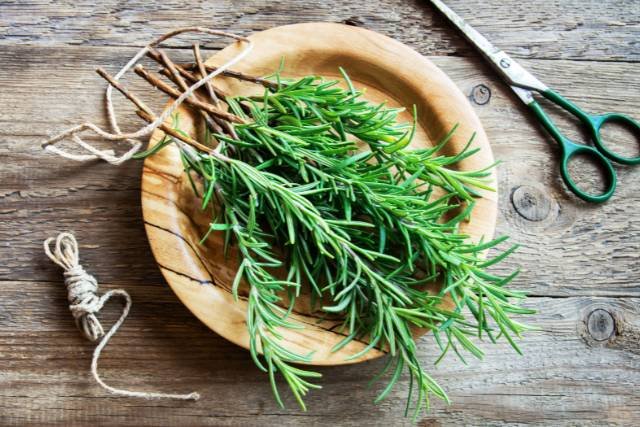
Watering
- Allow the top 2–3 inches of soil to dry between waterings
- Water deeply to encourage strong root development
- Avoid waterlogging, especially in containers
Fertilization
- Use plant-based compost or compost tea every 4–6 weeks
- Seaweed extract can promote robust leaf growth and enhance essential oils
- Avoid chemical fertilizers to maintain flavor and sustainability
Proper watering and nutrient management ensure healthy growth and potent aromatic compounds.
5. Pruning and Harvesting Rosemary
Pruning rosemary promotes bushy growth, prevents woodiness, and ensures continuous production of tender leaves.
Pruning Tips
- Pinch or trim the top 2–3 inches of growth regularly
- Remove older, woody stems to encourage new shoots
- Avoid cutting more than one-third of the plant at a time
Harvesting
- Harvest leaves year-round once the plant is well-established
- For maximum flavor, harvest in the morning before the sun becomes too hot
- Fresh rosemary can be used immediately or dried for later use
Frequent pruning and harvesting enhance both culinary and medicinal potential.
6. Propagation Techniques
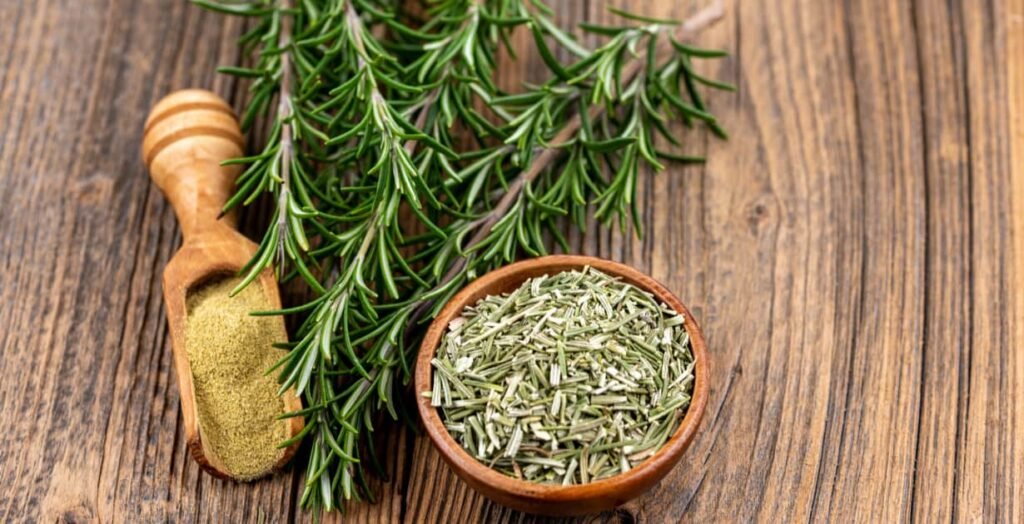
Propagation ensures a sustainable, continuous supply of rosemary.
Methods
- Stem Cuttings
- Cut 4–6 inch stems just below a node
- Place in water or moist soil until roots develop (2–3 weeks)
- Transplant into containers or garden beds once roots are established
- Division
- Older plants can be divided to create new plants
- Suitable for outdoor beds
- Seed Sowing
- Slower method; sow seeds in shallow trays with well-draining soil
- Maintain consistent moisture and warmth for germination (2–4 weeks)
Propagation ensures that home gardeners always have fresh rosemary for use.
7. Culinary Uses of Rosemary
Rosemary’s aromatic flavor enhances a wide range of dishes and beverages.
Cooking Applications
- Roasted Vegetables: Toss with potatoes, carrots, and squash
- Grain and Legume Dishes: Infuse rice, quinoa, or lentils for added aroma
- Soups and Stews: Add stems early in cooking for a subtle herbal note
- Breads and Baked Goods: Mix chopped leaves into bread, focaccia, or crackers
- Herbal Infusions: Fresh or dried rosemary can be brewed as tea or added to flavored waters
Rosemary pairs exceptionally well with garlic, lemon, olive oil, and other herbs like thyme and oregano.
8. Medicinal and Wellness Applications
Rosemary has a long history in traditional medicine for its therapeutic properties.
Benefits
- Digestive Aid: Supports healthy digestion and alleviates bloating
- Mental Clarity: Aromatic compounds can enhance memory and focus
- Respiratory Support: Steam inhalation with rosemary can soothe congestion
- Antioxidant Properties: Contains compounds that support cellular health
Home Remedies
- Rosemary Tea: Steep fresh or dried leaves in hot water to support digestion and relaxation
- Infused Oils: Combine leaves with plant-based oils for massage or skincare applications
- Aromatherapy: Essential oils or dried rosemary can uplift mood and reduce stress
Using rosemary sustainably ensures both culinary enjoyment and wellness benefits.
9. Drying and Storage
Drying rosemary preserves flavor and medicinal properties for later use.
Drying Techniques
- Air Drying: Tie small bundles and hang in a dry, ventilated, dark area
- Tray Drying: Spread leaves on mesh trays for several days
- Low-Heat Oven: Use gentle heat (35–40°C) to prevent loss of aroma
Storage
- Store dried rosemary in airtight glass jars away from sunlight
- Label jars with date and variety for easy reference
- Proper storage maintains potency for up to 12 months
10. Pest and Disease Management
Rosemary is generally resistant to pests, but indoor and outdoor plants can occasionally encounter issues.
Common Issues
- Aphids, spider mites, and whiteflies
- Powdery mildew in humid conditions
Vegetarian-Friendly Solutions
- Inspect leaves regularly
- Use neem oil sprays or garlic-chili water solutions
- Maintain airflow and avoid overwatering
- Remove damaged or diseased foliage promptly
Effective plant-based pest management preserves the herb’s flavor and health benefits.
11. Seasonal Care and Adjustments
Even perennial herbs require seasonal adjustments for optimal growth.
Winter
- Provide supplemental light indoors
- Reduce watering frequency due to slower growth
- Protect outdoor plants from frost with covers or move containers indoors
Summer
- Water more frequently to compensate for heat
- Provide partial shade during intense sunlight
- Monitor for pests, which are more active in warm weather
Spring and Autumn
- Moderate watering and fertilization
- Prune regularly to encourage new growth
- Ensure proper sunlight exposure and air circulation
Seasonal adjustments help maintain a healthy, productive rosemary plant year-round.
12. Benefits of Growing Rosemary at Home
- Culinary Excellence: Fresh leaves provide superior flavor compared to store-bought herbs
- Health and Wellness: Supports digestion, mental clarity, and antioxidant intake
- Sustainability: Reduces reliance on packaged herbs and encourages plant-based gardening
- Cost-Effective: Provides a continuous supply of fresh leaves at minimal expense
- Aesthetic Appeal: Adds greenery and fragrance to indoor and balcony gardens
- Educational Value: Offers hands-on learning about plant growth, propagation, and herbal uses
Growing rosemary at home bridges culinary enjoyment, health benefits, and environmental consciousness.
Conclusion
Rosemary is an ideal herb for home gardeners seeking versatility, low maintenance, and year-round benefits. By understanding its growth requirements, selecting suitable varieties, providing optimal light, soil, and water conditions, and practicing ethical fertilization and pruning, gardeners can maintain healthy, productive rosemary plants.
Regular harvesting and proper storage ensure a continuous supply of fresh or dried leaves for culinary use, while its medicinal and wellness properties provide added value. Plant-based propagation, pest management, and seasonal adjustments make rosemary gardening sustainable and rewarding.
A home rosemary garden not only elevates cooking and natural remedies but also enhances indoor aesthetics, promotes mindfulness, and fosters a connection to the rhythms of nature. With proper care, rosemary can become a staple herb in any household, offering flavor, health, and aromatic pleasure throughout the year.