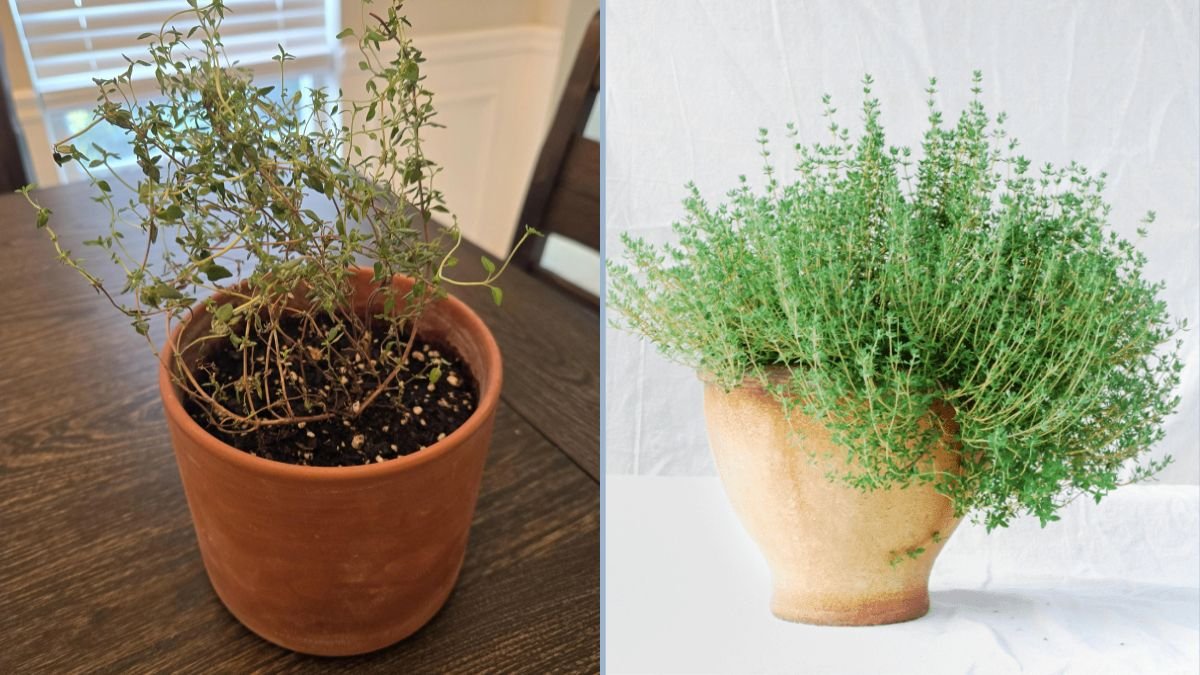
Thyme (Thymus vulgaris) is a versatile and aromatic herb prized for its culinary, medicinal, and ornamental qualities. Its compact growth habit, hardiness, and low maintenance requirements make it an ideal candidate for indoor cultivation. Growing thyme indoors not only ensures a year-round supply of fresh leaves for plant-based cooking, teas, and infusions but also adds aesthetic greenery to kitchens and living spaces.
Successfully growing thyme indoors requires understanding its growth requirements, proper container and soil choices, watering techniques, light management, pruning, propagation, harvesting, and storage. This article provides a comprehensive, step-by-step guide for indoor gardeners seeking thriving thyme plants.
1. Understanding Thyme
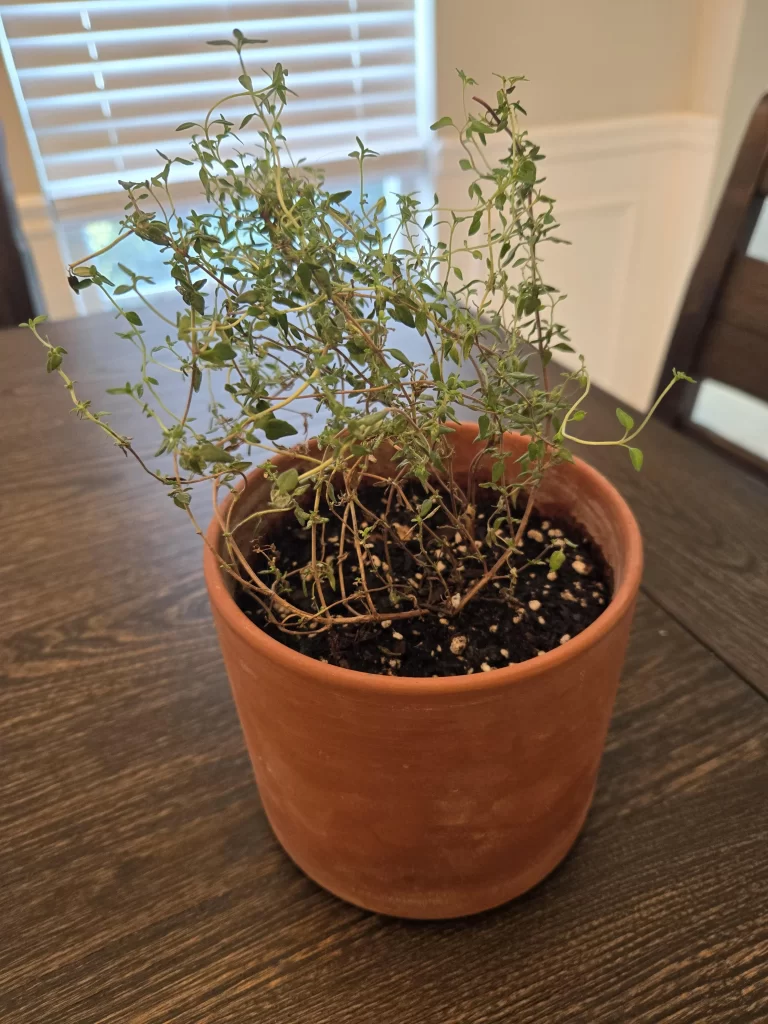
Thyme is a low-growing perennial herb belonging to the mint family (Lamiaceae). Its small, aromatic leaves are used in soups, stews, sauces, and roasted vegetables, while its essential oils have mild antimicrobial and antioxidant properties.
Key Characteristics
- Woody stems with small, oval, gray-green leaves
- Slow-growing and compact, ideal for pots and containers
- Thrives in well-drained soil with moderate watering
- Sensitive to excessive moisture but tolerant of dry conditions
Knowing these traits helps gardeners provide the optimal indoor environment for thyme.
2. Selecting the Right Thyme Variety
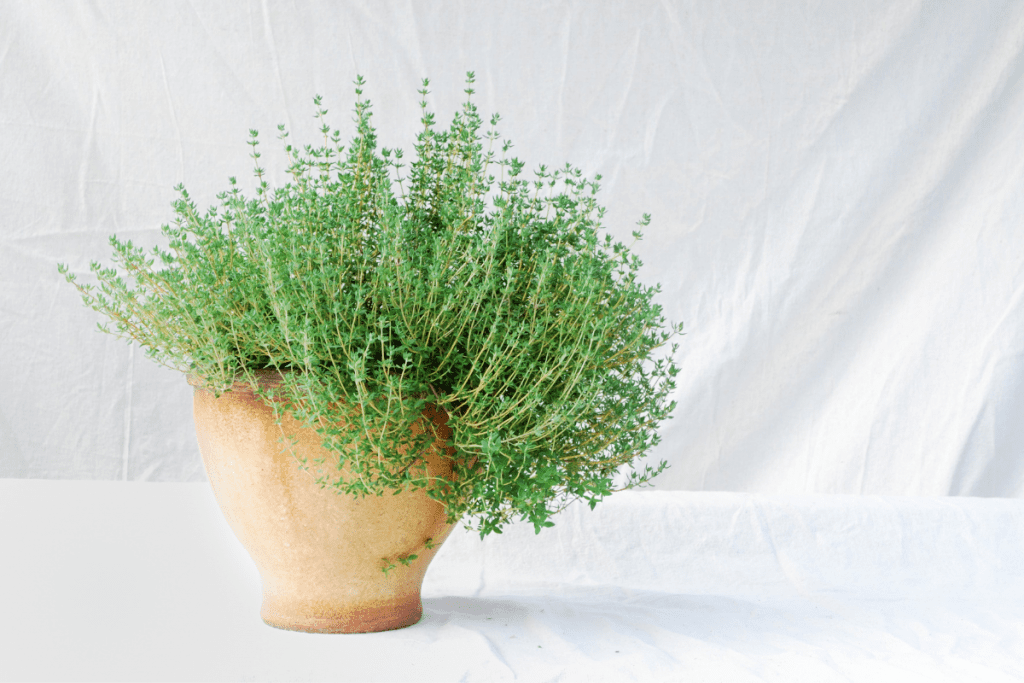
Several thyme varieties are suitable for indoor growth, each offering unique flavors and uses:
- Common Thyme (Thymus vulgaris): Classic culinary variety for seasoning
- Lemon Thyme: Adds a citrus aroma to plant-based dishes and teas
- Creeping Thyme (Thymus serpyllum): Ornamental and low-growing, also edible
- French Thyme: Strong flavor, ideal for stews and marinades
- Caraway Thyme: Mild flavor, great for salads and garnishing
Selecting the right variety ensures that the plant meets your culinary or decorative goals while thriving indoors.
3. Choosing Containers for Indoor Thyme
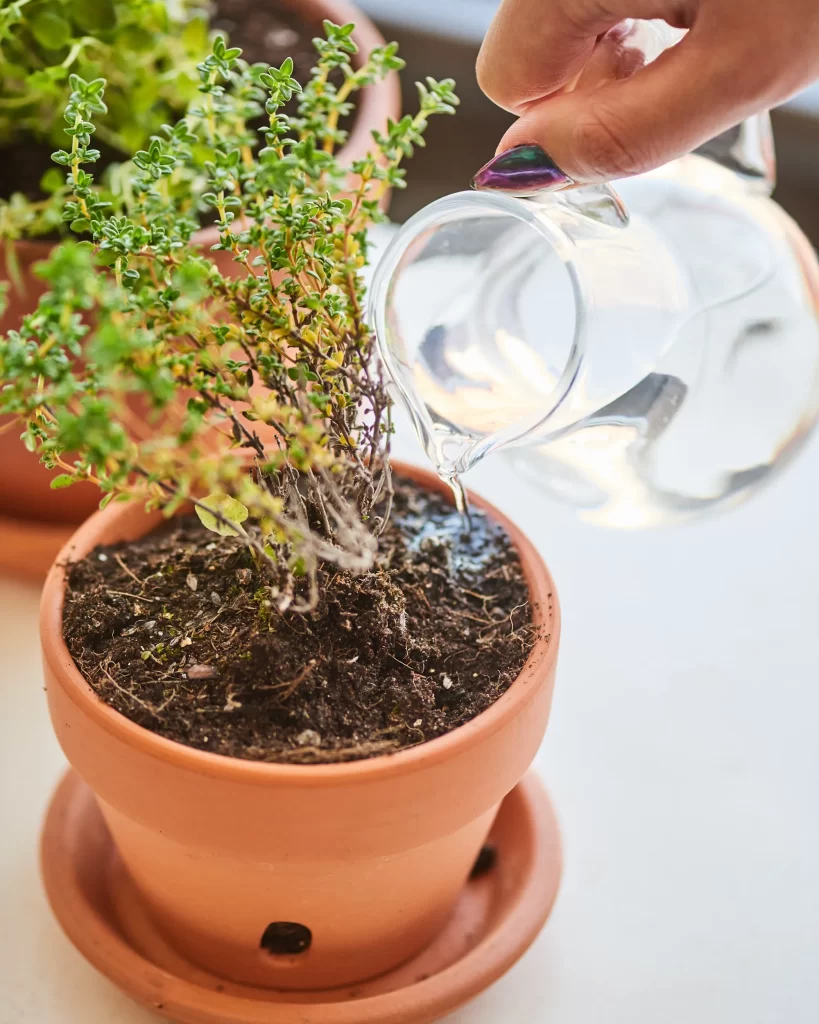
Container selection is critical for healthy indoor thyme.
Container Requirements
- Size: Minimum 4–6 inches deep; thyme has shallow roots but benefits from width
- Material: Ceramic, terracotta, or glass containers work; terracotta helps soil dry faster
- Drainage: Essential—ensure holes at the bottom or add a layer of pebbles for aeration
Proper containers prevent root rot and allow thyme to develop a robust root system.
4. Soil Requirements
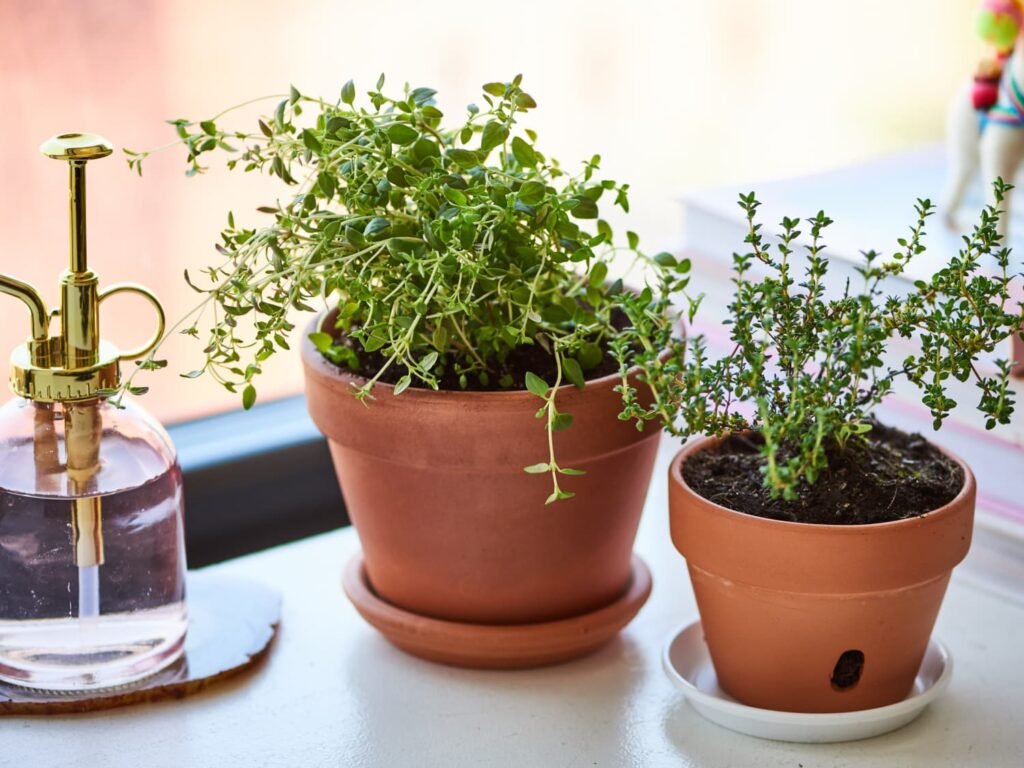
Thyme requires well-draining soil to thrive indoors.
Soil Guidelines
- Use a sandy, loamy, plant-based potting mix
- Incorporate perlite or coarse sand to enhance drainage
- Avoid heavy garden soil that retains water
Soil Layering
- Drainage Layer: Small pebbles or gravel at the base of the pot
- Potting Mix: Nutrient-rich, well-draining soil
- Planting Depth: Keep the soil level 1–2 inches below the pot rim to prevent overflow when watering
Healthy soil encourages strong growth, aromatic leaves, and longevity.
5. Light Requirements
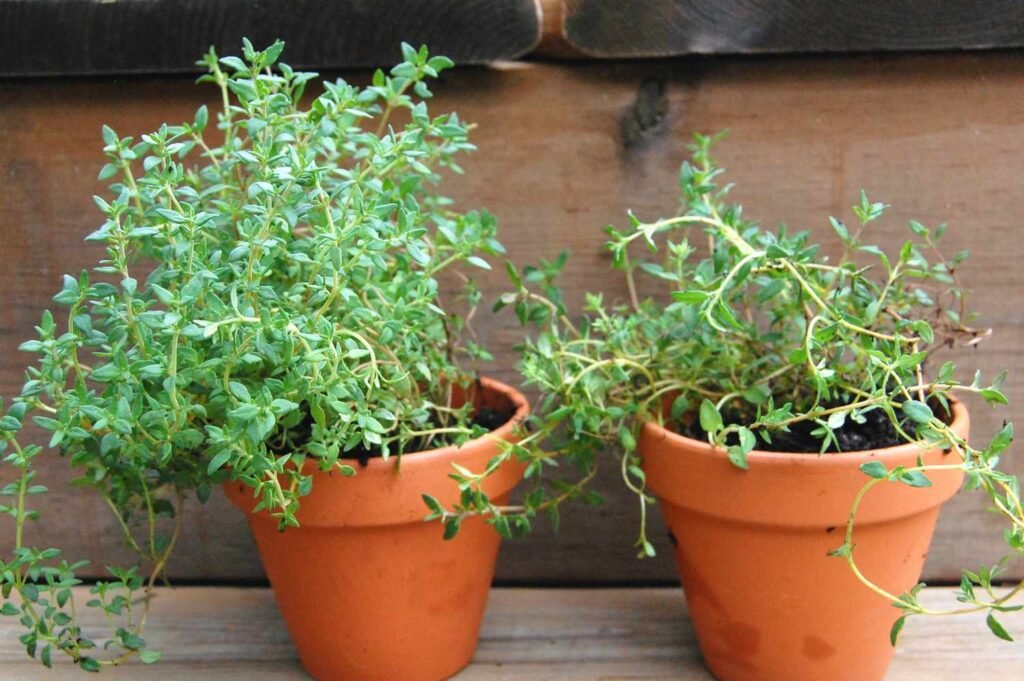
Adequate light is one of the most important factors for indoor thyme.
Light Guidelines
- Direct Sunlight: 6–8 hours daily from a south- or west-facing window
- Supplemental Lighting: LED grow lights provide 12–14 hours of light for low-light rooms
- Rotation: Rotate pots weekly to ensure even leaf growth
Proper light prevents leggy growth and encourages dense, flavorful foliage.
6. Watering Thyme Indoors
Thyme prefers slightly dry conditions and is drought-tolerant, so careful watering is crucial.
Watering Tips
- Water only when the top 1–2 cm of soil is dry
- Avoid overwatering to prevent root rot
- Ensure proper drainage to remove excess water
Indicators of Proper Moisture
- Leaves are firm, gray-green, and aromatic
- Soil is moist but not soggy
- Stems are woody and upright
Overwatering or stagnant water can damage thyme roots, so moderation is key.
7. Temperature and Humidity
Thyme grows best under moderate indoor temperatures.
Temperature
- Ideal range: 18–24°C (65–75°F)
- Avoid cold drafts or placing near heaters that dry the soil excessively
Humidity
- Prefers low to moderate humidity
- High humidity can promote fungal growth; ensure airflow by placing near a window or using a small fan
Maintaining optimal temperature and humidity mimics the herb’s Mediterranean origins.
8. Fertilization
Indoor thyme requires minimal fertilization.
Fertilization Tips
- Apply plant-based compost tea or diluted organic liquid fertilizer once every 4–6 weeks
- Avoid over-fertilization, which can make leaves less aromatic
- Light feeding supports slow, healthy growth without promoting excessive stem elongation
Balanced nutrients help thyme produce flavorful leaves suitable for cooking.
9. Pruning and Maintenance
Regular pruning encourages bushy growth and prolongs plant life.
Pruning Guidelines
- Trim back stems by 1–2 inches to stimulate branching
- Remove any dead or yellow leaves to maintain plant health
- Pinch flowers if growing for culinary purposes; flowering reduces leaf production
Maintenance Tips
- Inspect for pests such as spider mites or aphids
- Ensure proper airflow around pots to prevent fungal infections
- Rotate plants to expose all sides to sunlight
Pruning and maintenance keep thyme compact, productive, and aromatic.
10. Propagation of Indoor Thyme
Propagation allows continuous indoor supply without purchasing new plants.
Propagation Methods
- Stem Cuttings: Cut 3–4 inch healthy stems, remove lower leaves, place in water until roots develop, then plant in soil
- Division: Divide established plants by separating root clusters and transplanting into separate containers
- Seed Sowing: Sow seeds in well-draining soil and maintain consistent moisture until germination
Propagation ensures a sustainable, continuous indoor herb garden.
11. Harvesting Thyme
Proper harvesting maintains plant health and flavor.
Harvesting Guidelines
- Harvest in the morning for peak aroma and essential oil concentration
- Cut stems just above a leaf node to stimulate new growth
- Avoid removing more than one-third of the plant at a time to maintain productivity
Frequent harvesting produces flavorful leaves and encourages bushy growth.
12. Storing Thyme
Thyme can be used fresh or preserved for later use.
Fresh Use
- Use immediately in soups, sauces, salads, or roasted vegetables
- Rinse gently before use and pat dry
Long-Term Storage
- Drying: Air dry or use a low-temperature dehydrator, store in airtight containers away from sunlight
- Freezing: Place small sprigs in ice cube trays with water or plant-based oil; store in freezer for use in cooked dishes
Proper storage retains aroma and flavor for months, making indoor cultivation highly rewarding.
13. Culinary Uses of Thyme
Thyme is widely used in plant-based cooking:
- Soups and Stews: Adds depth to vegetable and lentil soups
- Roasted Vegetables: Enhances flavor of potatoes, carrots, and squash
- Sauces and Gravies: Blends with tomato-based sauces and plant-based gravies
- Herbal Infusions: Use fresh or dried thyme to make calming herbal teas
- Herb Blends: Combine with rosemary, parsley, or oregano for multi-herb seasoning
Indoor-grown thyme ensures year-round access to fresh, aromatic leaves.
14. Benefits of Growing Thyme Indoors
- Freshness: Immediate access to flavorful leaves
- Nutritional Value: Contains antioxidants, vitamins, and phytonutrients
- Sustainability: Reduces reliance on store-bought herbs and packaging
- Aesthetic Appeal: Adds greenery to indoor spaces
- Culinary Convenience: Ideal for small kitchens and continuous use
- Educational Value: Offers experience in plant care, propagation, and sustainable gardening
Growing thyme indoors enhances both culinary creativity and wellness.
15. Common Mistakes and How to Avoid Them
- Overwatering: Use soil moisture as an indicator rather than a fixed schedule
- Insufficient Light: Supplement with LED grow lights if necessary
- Ignoring Pruning: Leads to leggy, sparse plants
- Planting in Poor Soil: Use well-draining, nutrient-rich potting mix
- Harvesting Too Late or Too Much: Reduces flavor and regrowth
Avoiding these mistakes ensures a thriving, productive thyme plant.
16. Conclusion
Growing thyme indoors successfully is both achievable and rewarding. With proper attention to container selection, soil preparation, light exposure, watering, pruning, and harvesting, thyme can thrive in a small kitchen or indoor garden.
Indoor cultivation provides a continuous supply of aromatic, flavorful leaves for soups, sauces, roasted vegetables, and herbal teas. By following sustainable, plant-based practices and paying careful attention to the plant’s needs, gardeners can enjoy the culinary, aesthetic, and wellness benefits of thyme year-round.
Whether for seasoned cooks or beginners, indoor thyme cultivation combines convenience, flavor, and sustainability, making it an essential component of a modern, plant-based kitchen.