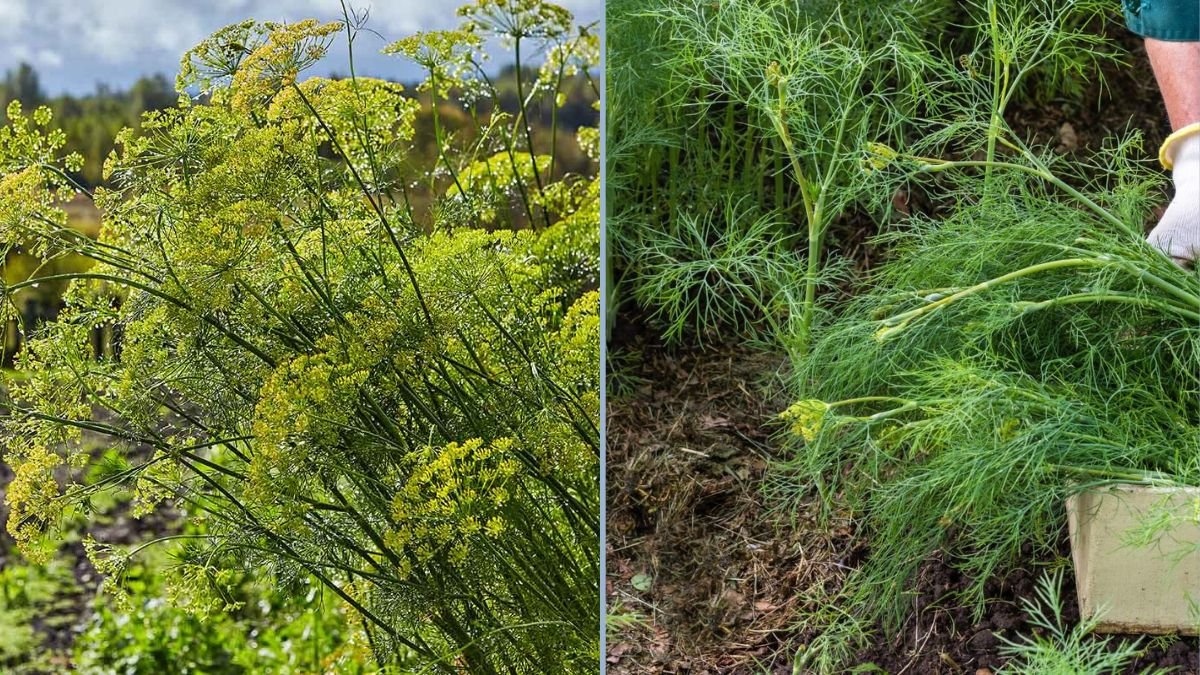
Dill (Anethum graveolens) is a versatile, aromatic herb prized for its feathery leaves and flavorful seeds. Its distinct, slightly tangy flavor elevates salads, soups, pickles, and plant-based dishes, making it an indispensable herb in home kitchens. In addition to its culinary uses, dill contains antioxidants, vitamins, and phytonutrients that promote health and wellness.
Proper harvesting and storage are crucial to preserve dill’s aroma, flavor, and nutritional content. Without careful attention, this delicate herb can quickly lose its potency, compromising taste and utility. This article provides a detailed guide on how to harvest and store dill effectively, with tips for maximizing shelf life and maintaining quality.
1. Understanding Dill
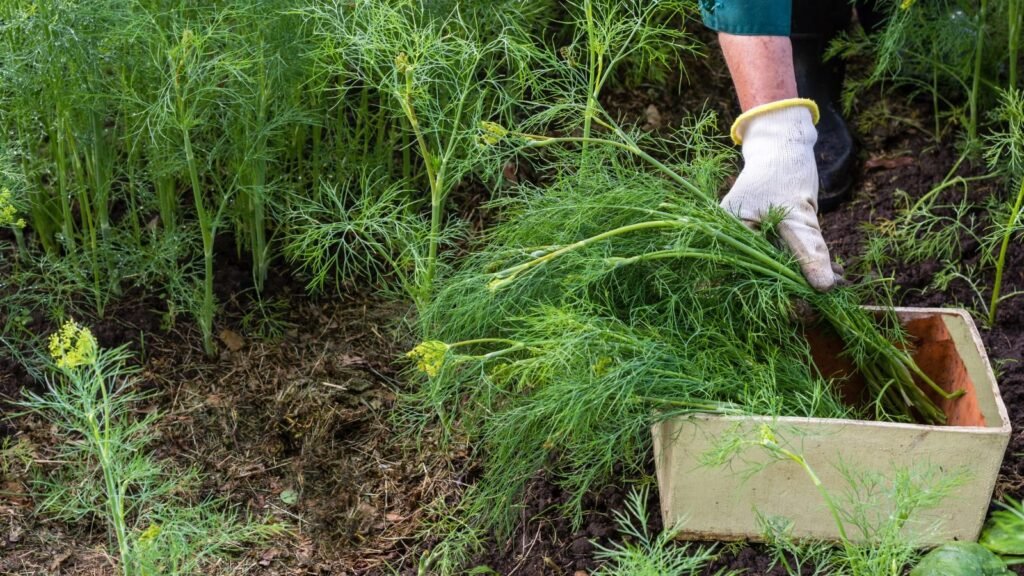
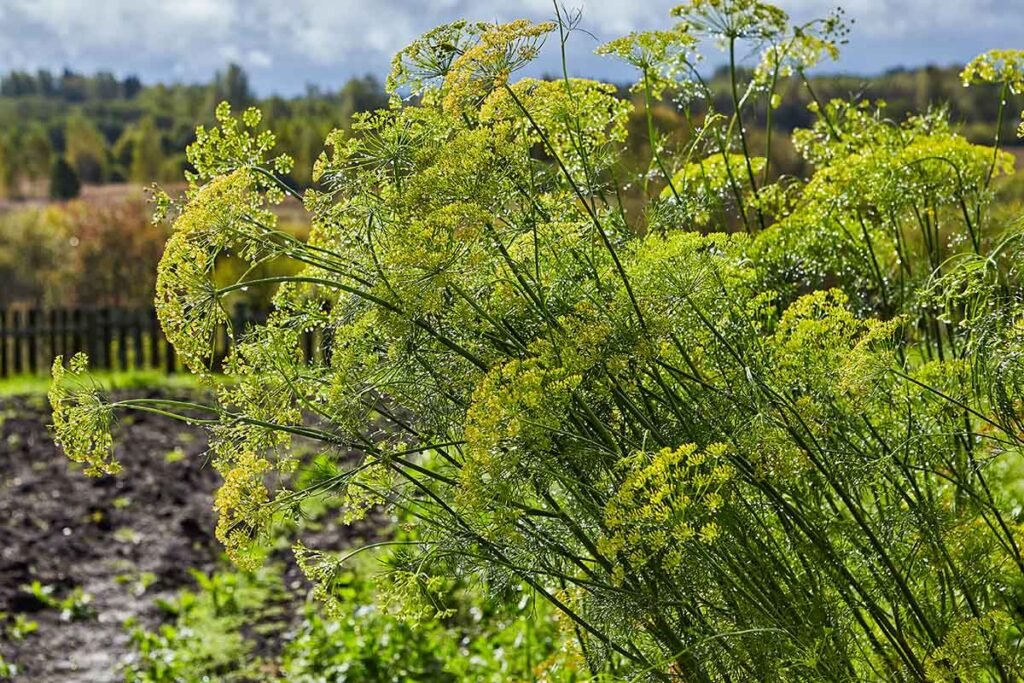
Dill is an annual herb native to the Mediterranean and western Asia, thriving in well-drained soil and full sunlight. It grows rapidly, producing tall, slender stems with feathery leaves and yellow flower umbels that eventually yield seeds.
Key Characteristics
- Leaves (Dill Weed): Used fresh for flavoring dishes
- Seeds: Mature seeds are aromatic and used as a spice
- Growth Habit: Fast-growing annual, reaching 40–60 cm (16–24 inches) in height
- Nutritional Value: Rich in vitamin C, A, calcium, iron, and antioxidants
Understanding its growth and characteristics helps gardeners time harvesting for optimal flavor.
2. Growing Dill for Harvesting
Successful harvesting starts with proper cultivation.
Growing Conditions
- Light: Full sun for 6–8 hours daily
- Soil: Well-draining, nutrient-rich, plant-based potting mix
- Watering: Keep soil consistently moist but avoid waterlogging
- Spacing: Sow seeds 20–30 cm apart to allow airflow and healthy leaf production
Care Tips
- Thin seedlings early to avoid overcrowding
- Fertilize sparingly with plant-based compost or liquid fertilizers
- Mulch lightly to retain soil moisture and reduce weeds
Healthy plants yield flavorful leaves and robust seeds, ensuring productive harvests.
3. When to Harvest Dill
Timing is crucial for preserving flavor and aroma.
Harvesting Leaves
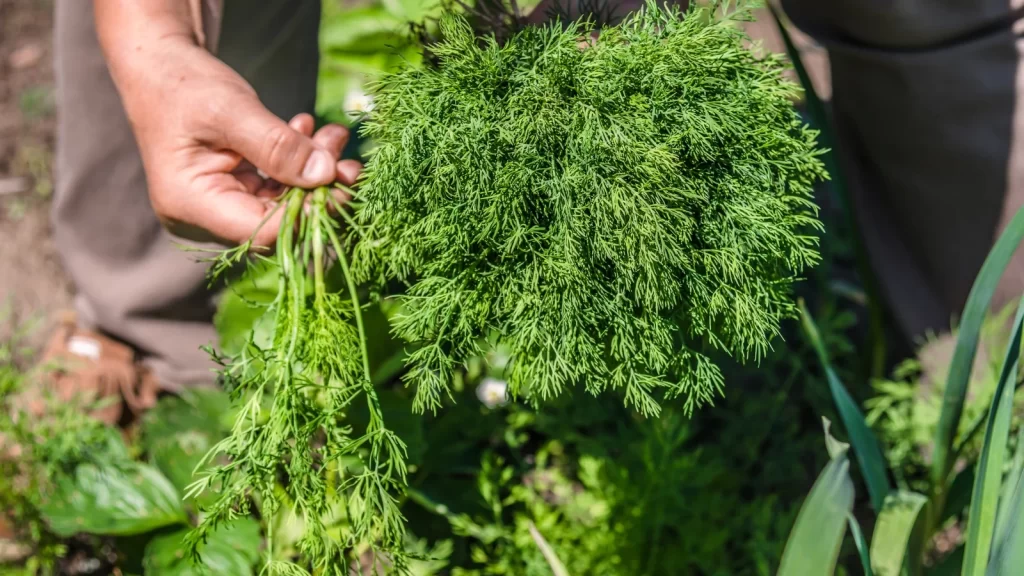
- Best harvested before the plant flowers, when leaves are tender and aromatic
- Morning harvests are ideal, as essential oils are concentrated at this time
- Harvest outer leaves first, leaving inner shoots to continue growing
Harvesting Seeds
- Harvest seeds when flower umbels turn brown and seeds are fully mature
- Cut stems with seed heads before they shatter to prevent loss
- Allow seeds to dry for a few days in a shaded, well-ventilated area
Proper timing ensures maximum flavor, aroma, and nutritional content.
4. Harvesting Techniques
Leaves (Dill Weed)
- Use sharp scissors or garden shears to avoid damaging stems
- Cut about 2–3 inches from the base or pinch leaves from the outer stems
- Avoid removing more than one-third of the plant at a time to ensure regrowth
Seeds
- Cut entire seed heads and place them on a tray lined with paper
- Allow partial drying in a shaded area for a few days
- Gently rub or shake to release seeds from the umbels
Using careful harvesting methods preserves plant health and prolongs productivity.
5. Preparing Dill for Storage
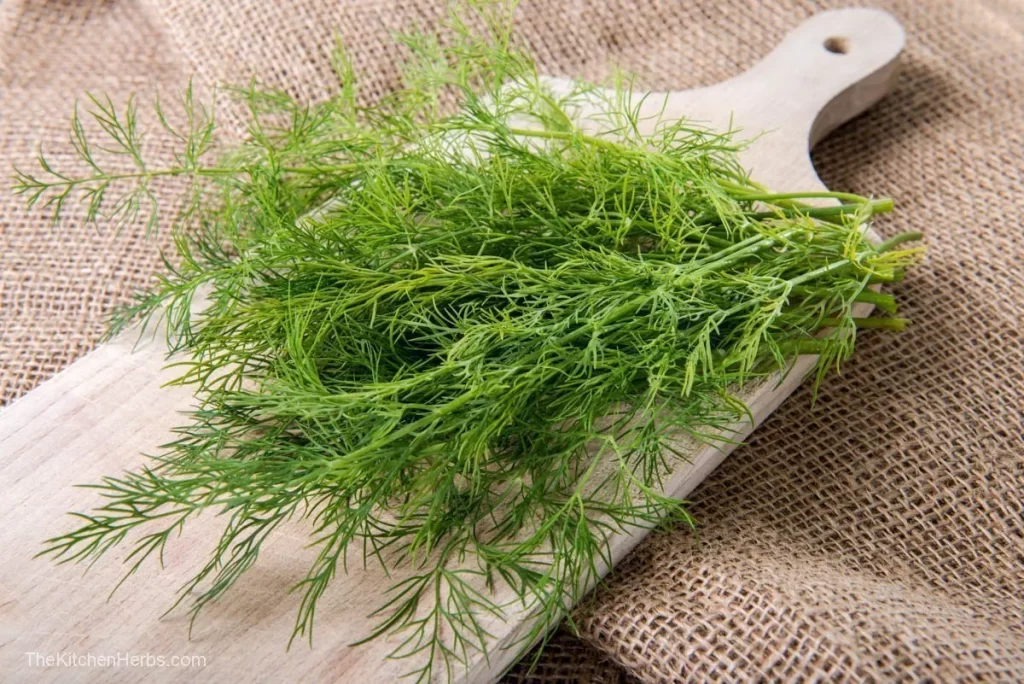
Before storing dill, proper cleaning and preparation help maintain quality.
Cleaning
- Rinse leaves and seeds gently to remove dust or insects
- Pat leaves dry with a clean cloth or paper towel to remove surface moisture
Sorting
- Remove any yellowing, damaged, or wilted leaves
- Discard seeds that are shriveled or discolored
Bundling
- For leaves: Gather small bundles of stems tied loosely with twine
- For seeds: Keep seeds separated from leaves to prevent moisture transfer
Preparation reduces spoilage and ensures longer-lasting flavor.
6. Methods of Storing Dill Leaves
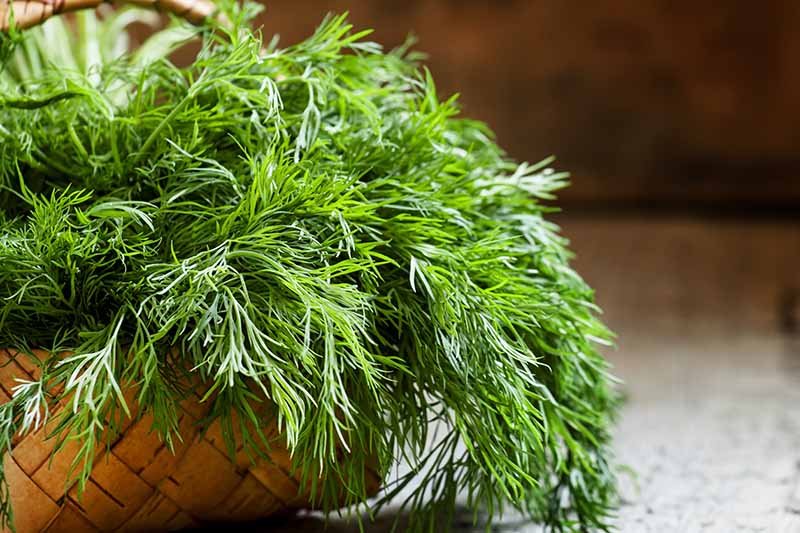
Dill leaves are delicate and prone to wilting, so careful storage is essential.
Short-Term Storage
- Refrigeration:
- Wrap leaves in damp paper towels
- Place in an airtight container or resealable bag
- Store in the refrigerator for 3–7 days
- Water Method:
- Place stems in a jar with water
- Cover loosely with a plastic bag
- Store in the fridge, changing water every 1–2 days
Long-Term Storage
- Freezing:
- Chop leaves and spread on a tray to freeze individually
- Transfer frozen leaves to airtight containers or ice cube trays with water
- Use directly in soups, sauces, or plant-based dishes
- Drying:
- Air dry by hanging bundles upside down in a cool, dark, ventilated space
- Alternatively, use a low-temperature oven or dehydrator
- Store dried leaves in airtight jars away from sunlight
Proper storage maintains flavor, aroma, and nutritional value for months.
7. Methods of Storing Dill Seeds
Dill seeds are more robust than leaves but still require careful handling.
Steps
- Ensure seeds are completely dry before storage
- Store in airtight glass jars or resealable bags
- Keep in a cool, dark, dry environment to prevent mold or loss of aroma
- Label jars with the harvest date to monitor freshness
Stored seeds retain flavor for up to 12 months and can be used in pickling, sauces, or herb blends.
8. Using Dill in Cooking
Dill adds vibrant flavor to a wide variety of plant-based dishes.
Leaves
- Salads: Chopped fresh leaves for green salads, grain bowls, and tabouli
- Soups: Adds fresh flavor to vegetable, bean, or lentil soups
- Sauces and Dressings: Mix with plant-based yogurt, olive oil, lemon, or vinegar
- Garnishing: Sprinkle over roasted vegetables, tofu dishes, or plant-based spreads
Seeds
- Pickling: Essential in plant-based pickles and fermented vegetables
- Seasoning: Add to bread, crackers, roasted vegetables, or plant-based sauces
- Infusions: Brew for subtle herbal teas or flavoring oils
Using fresh or properly stored dill elevates taste and adds nutrition to everyday meals.
9. Combining Dill With Other Herbs
Dill pairs well with parsley, cilantro, chives, tarragon, and basil.
Culinary Tips
- Mix chopped dill and parsley in salads or dressings for balanced aroma
- Combine with cilantro in sauces, chutneys, or grain dishes
- Layer dill with other fresh herbs in soups and stews for complex flavors
Combining herbs enhances flavor and supports plant-based, sustainable cooking.
10. Sustainable Practices in Harvesting and Storing Dill
Growing, harvesting, and storing dill responsibly promotes sustainability.
Plant-Based Fertilization
- Use compost, compost tea, or diluted seaweed extract to nourish soil
- Avoid chemical fertilizers to preserve natural flavor and protect the environment
Waste Reduction
- Dry excess leaves and seeds to minimize spoilage
- Use trimmings in compost or as natural mulch for other plants
Ethical Harvesting
- Harvest selectively, leaving enough foliage for regrowth
- Rotate harvest areas in garden beds to maintain healthy plants
Sustainable practices maximize yield and quality while protecting resources.
11. Common Mistakes to Avoid
- Harvesting too late, after leaves lose flavor or seeds drop
- Storing leaves while wet, leading to mold or spoilage
- Exposing stored herbs or seeds to sunlight, heat, or humidity
- Over-harvesting, reducing plant regrowth and productivity
- Neglecting proper drying or freezing methods for long-term storage
Avoiding these mistakes ensures flavorful, long-lasting dill for culinary and herbal use.
12. Benefits of Proper Harvesting and Storage
- Flavor Preservation: Retains aromatic oils and enhances dishes
- Nutritional Value: Maintains vitamins, antioxidants, and phytonutrients
- Year-Round Availability: Fresh, dried, or frozen dill can be used anytime
- Cost-Effectiveness: Reduces reliance on store-bought herbs
- Sustainability: Supports home gardening and plant-based culinary practices
- Culinary Versatility: Suitable for salads, soups, sauces, pickles, and infusions
Proper harvesting and storage transform a seasonal herb into a long-lasting culinary resource.
13. Conclusion
Dill is a highly aromatic and versatile herb that enhances plant-based cooking with its unique flavor and nutritional benefits. To maximize its utility, proper harvesting and storage are essential. Leaves should be collected before flowering for maximum aroma, while seeds should be gathered when fully mature. Careful cleaning, drying, freezing, and refrigeration preserve quality and extend shelf life.
By cultivating dill responsibly, practicing selective harvesting, and storing leaves and seeds using appropriate methods, home gardeners can enjoy fresh, flavorful herbs year-round. Dill pairs beautifully with other herbs like parsley and cilantro, creating vibrant, nutritious, and aromatic plant-based dishes.
Incorporating proper harvesting and storage practices into home gardening ensures that dill remains a sustainable, long-lasting, and valuable herb in the kitchen. By mastering these techniques, gardeners and cooks alike can enjoy optimal flavor, enhanced nutrition, and the satisfaction of using homegrown, aromatic dill in plant-based meals throughout the year.