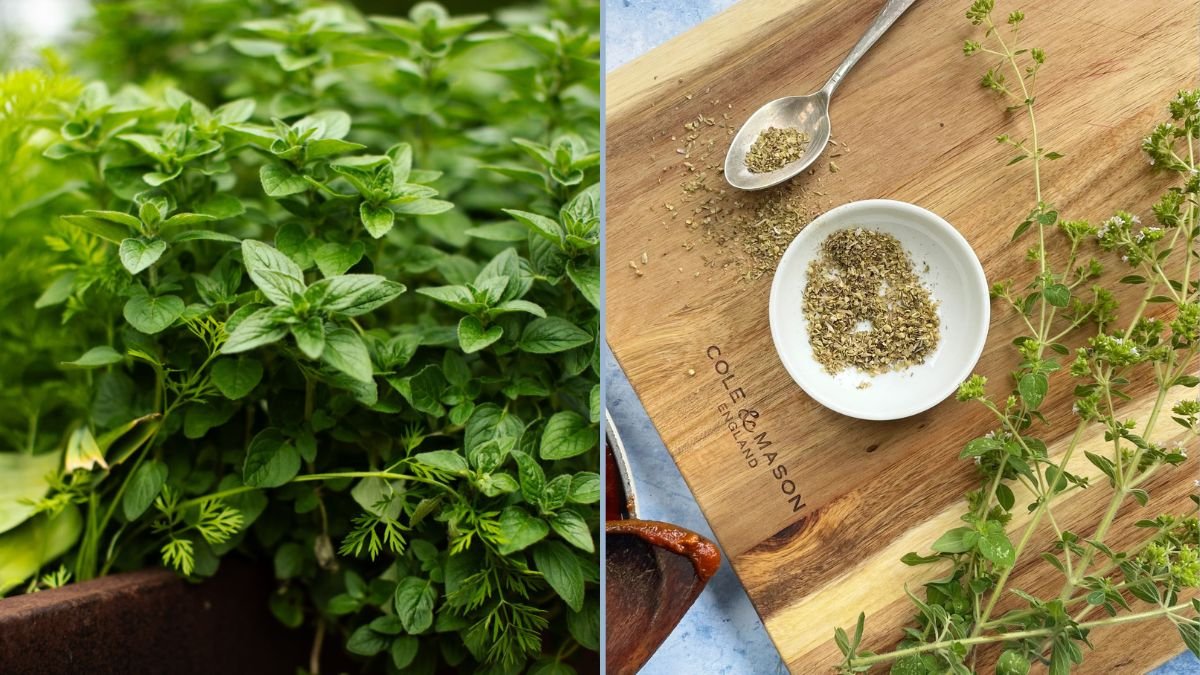
Oregano (Origanum vulgare) is a versatile, aromatic herb widely used in Mediterranean, Italian, and Middle Eastern cuisine. Known for its robust flavor and distinctive aroma, fresh oregano elevates the taste of plant-based sauces, soups, stews, and dressings. Its leaves are rich in antioxidants, vitamins, and phytonutrients, making it a flavorful and nutritious addition to home cooking.
Using fresh oregano in homemade sauces maximizes flavor, aroma, and nutritional value. This article provides a comprehensive guide on growing, harvesting, storing, and using fresh oregano in plant-based sauces, helping gardeners and cooks enjoy year-round freshness and culinary versatility.
1. Understanding Oregano
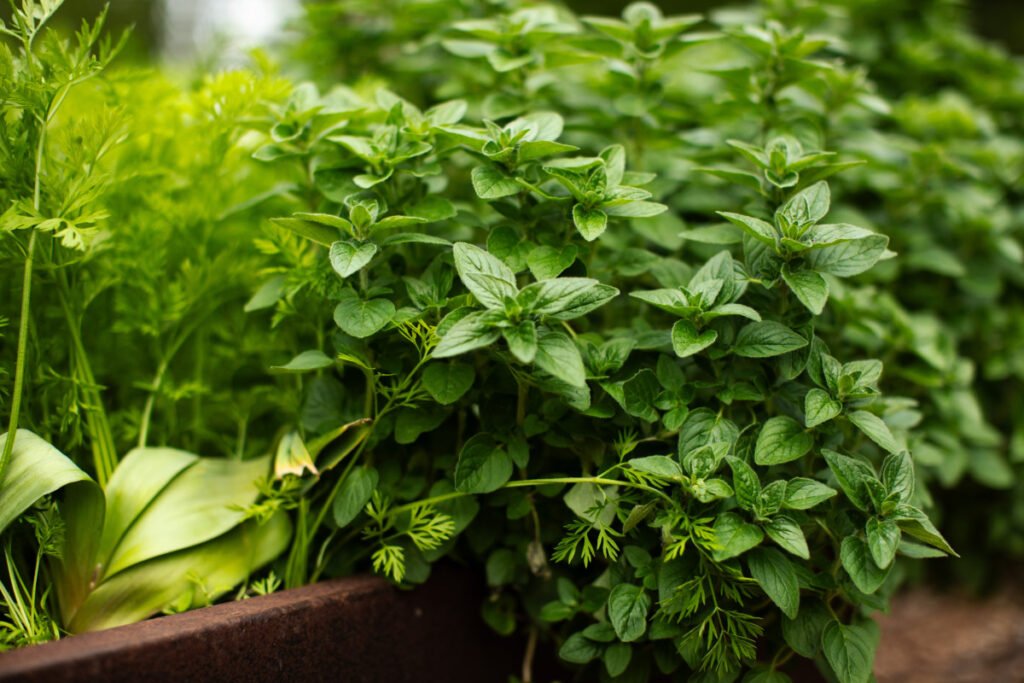
Oregano is a perennial herb belonging to the mint family (Lamiaceae). It thrives in sunny, well-drained environments and produces small, oval, green leaves with a pungent, slightly peppery flavor.
Key Characteristics
- Hardy perennial with a woody base
- Aromatic leaves and small purple flowers
- Fast-growing and easy to propagate
- Rich in vitamins A, C, and K, as well as antioxidants like thymol and carvacrol
Understanding oregano’s growth and flavor profile is crucial for optimizing its culinary uses.
2. Selecting the Right Oregano Variety
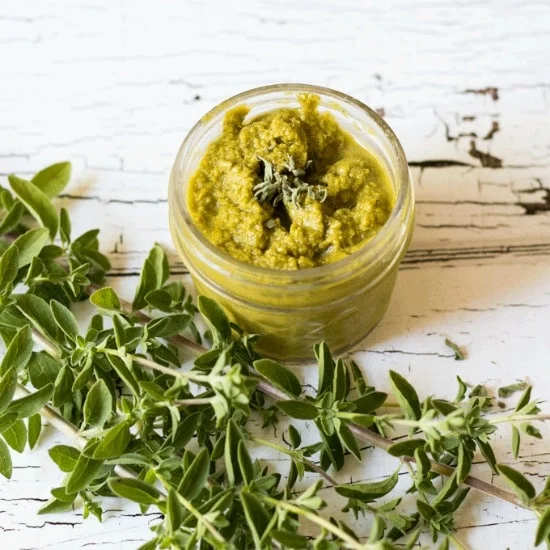
Several oregano varieties are suitable for indoor or container cultivation:
- Greek Oregano (Origanum vulgare subsp. hirtum): Strong, robust flavor ideal for tomato-based sauces
- Italian Oregano: Milder flavor, perfect for delicate sauces and soups
- Golden Oregano: Ornamental variety with a slightly sweeter taste
- Cuban Oregano (Plectranthus amboinicus): Unique aromatic profile, suitable for stews and herb blends
Selecting the right variety ensures optimal flavor and enhances the taste of homemade sauces.
3. Growing Oregano for Culinary Use
Light Requirements
- Full sun: 6–8 hours daily for strong flavor
- In low-light indoor conditions, supplement with LED grow lights for 12–14 hours daily
- Rotate pots regularly for even light exposure
Soil Requirements
- Well-draining, nutrient-rich potting mix
- Mix with perlite or sand to improve drainage
- Avoid heavy, water-retentive soils that can cause root rot
Container Selection
- 6–8 inch pots for indoor growth
- Ensure drainage holes or add a layer of pebbles at the bottom
- Terracotta pots are ideal as they help soil dry more quickly
Healthy soil and sufficient light encourage aromatic leaf production and robust growth.
4. Watering and Temperature
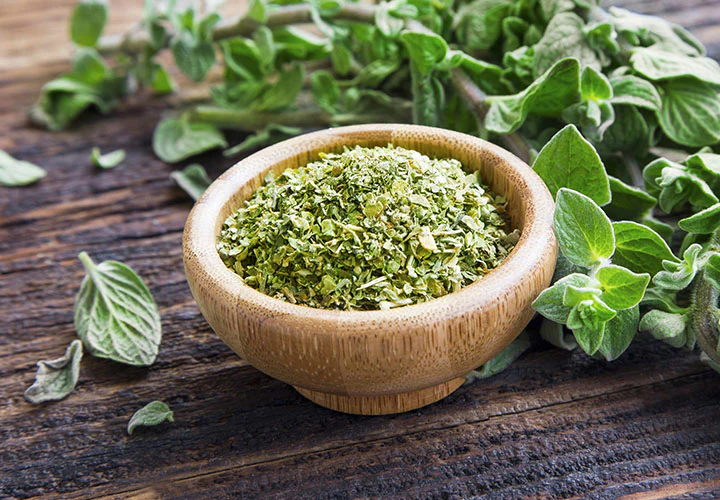
Oregano is drought-tolerant and prefers slightly dry conditions:
Watering Guidelines
- Water when the top 1–2 cm of soil is dry
- Avoid overwatering to prevent root rot
- Ensure proper drainage
Temperature
- Ideal range: 18–24°C (65–75°F)
- Protect from cold drafts and extreme heat
Moderate watering and stable indoor temperatures promote dense, flavorful foliage.
5. Fertilization and Care
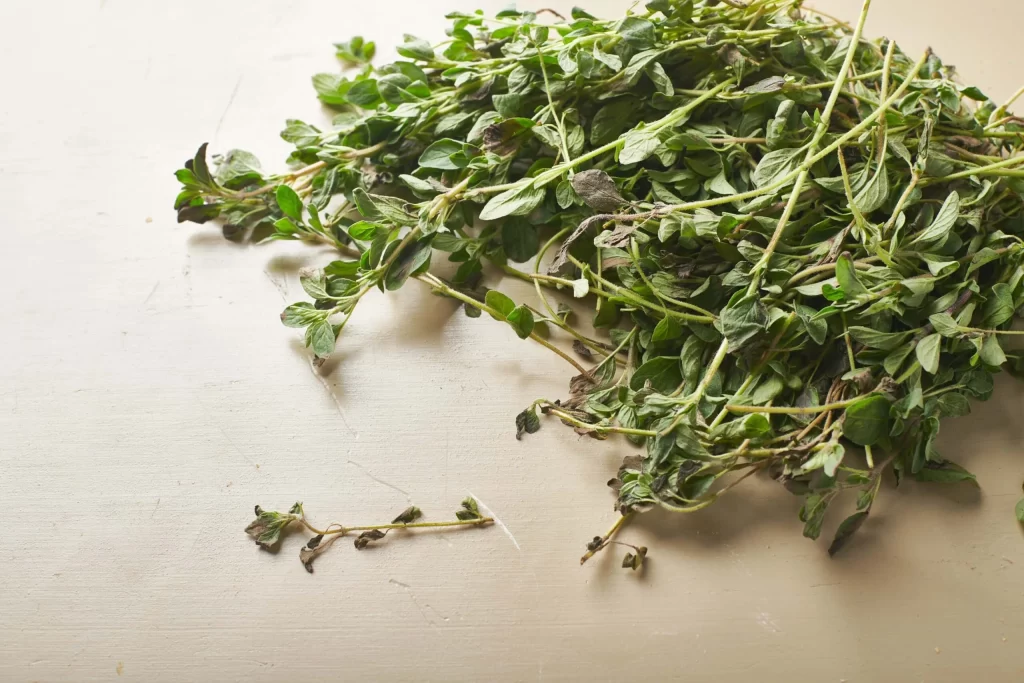
Oregano is low-maintenance but benefits from light feeding:
- Apply plant-based compost tea or diluted organic liquid fertilizer once every 4–6 weeks
- Avoid over-fertilization, which can reduce essential oil concentration and flavor
- Prune regularly to encourage bushy growth and prevent woody stems
Regular care ensures a continuous supply of fresh, aromatic leaves.
6. Propagation of Oregano
Oregano can be propagated easily, allowing gardeners to expand their herb supply:
Methods
- Stem Cuttings: Cut healthy 3–4 inch stems, remove lower leaves, root in water or moist soil, then transplant
- Division: Separate mature plants and replant in individual containers
- Seed Sowing: Sow seeds in well-draining soil, keep moist until germination
Propagation ensures year-round availability of fresh oregano for sauces and other culinary uses.
7. Harvesting Fresh Oregano
Harvesting at the right time preserves flavor and aroma:
- Best harvested in the morning when essential oils are concentrated
- Cut 2–3 inches from the tips of stems to stimulate new growth
- Avoid removing more than one-third of the plant at a time to ensure continued productivity
Regular harvesting produces flavorful leaves and encourages bushy, healthy plants.
8. Storing Fresh Oregano
Fresh oregano can be used immediately or stored for later use:
Short-Term Storage
- Wrap leaves in damp paper towels and refrigerate in an airtight container for 3–5 days
- Place stems in a jar with water, cover loosely, and refrigerate
Long-Term Storage
- Drying: Air dry or use a low-temperature dehydrator, store in airtight jars away from sunlight
- Freezing: Freeze leaves in ice cube trays with water or plant-based oil
Proper storage preserves aroma, flavor, and nutritional value for months.
9. Using Fresh Oregano in Homemade Sauces
Fresh oregano is a key ingredient in a variety of plant-based sauces:
Tomato-Based Sauces
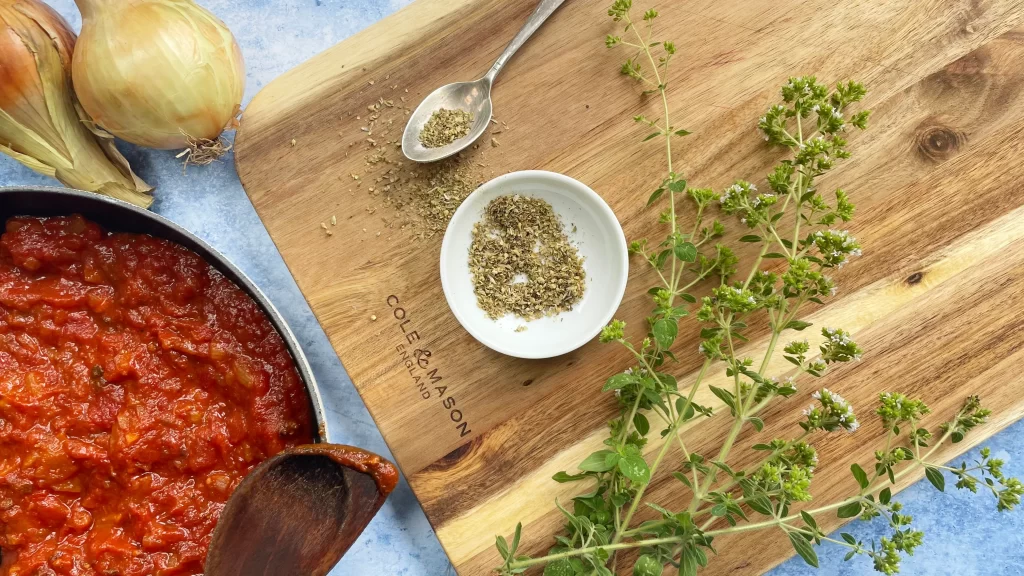
- Enhances marinara, pizza sauce, and pasta sauces
- Combine with garlic, basil, and olive oil for balanced flavor
Herb Blends
- Mix oregano with parsley, thyme, and rosemary for vegetable or grain sauces
- Add to homemade vinaigrettes and herb-infused oils
Creamy Plant-Based Sauces
- Stir chopped oregano into cashew or almond-based sauces for pasta or dips
- Combine with lemon, garlic, and plant-based yogurt for fresh herb sauces
Infusions
- Use oregano stems in simmering sauces to release aroma, then remove before serving
Incorporating fresh oregano elevates flavor without relying on salt or processed seasonings.
10. Combining Oregano with Other Herbs
Oregano pairs well with basil, parsley, thyme, and rosemary:
- Italian Sauces: Combine oregano, basil, and thyme for rich, aromatic sauces
- Mediterranean Dishes: Mix with parsley and rosemary for grain or roasted vegetable sauces
- Herbal Infusions: Blend oregano with mint or lemon thyme for teas
Layering fresh herbs enhances flavor complexity and aromatic depth.
11. Benefits of Using Fresh Oregano
- Flavor Enhancement: Fresh leaves provide robust aroma and taste
- Nutritional Value: Rich in vitamins, antioxidants, and phytonutrients
- Plant-Based Cooking: Supports vegetarian and vegan culinary practices
- Sustainability: Reduces reliance on store-bought dried herbs
- Year-Round Availability: Indoor cultivation ensures constant supply
Fresh oregano boosts the taste, nutrition, and visual appeal of plant-based sauces.
12. Common Mistakes to Avoid
- Overwatering: Leads to root rot and reduced leaf quality
- Insufficient Light: Causes leggy growth and reduced flavor
- Ignoring Pruning: Results in woody stems and sparse leaves
- Harvesting Incorrectly: Removing too much at once limits regrowth
- Poor Storage: Failing to dry or refrigerate leaves properly reduces aroma
Avoiding these mistakes ensures a productive, flavorful oregano plant.
13. Sustainable Practices
- Grow oregano from seeds or cuttings to reduce environmental impact
- Use compost, compost tea, or diluted seaweed extract as plant-based fertilizer
- Reuse jars or pots for container gardening
- Dry or freeze excess leaves to prevent waste
Sustainable practices support year-round fresh herb availability while minimizing resource use.
14. Conclusion
Fresh oregano is a powerful herb that enhances plant-based sauces, dressings, and culinary creations. Growing oregano indoors provides a sustainable, convenient, and aromatic supply year-round. By understanding its light, water, soil, and temperature requirements, gardeners can cultivate healthy, flavorful plants.
Careful harvesting, pruning, and storage ensure that oregano leaves retain their robust aroma and nutritional value. Using fresh oregano in homemade sauces elevates plant-based dishes without relying on salt or processed seasonings. By combining oregano with complementary herbs such as basil, thyme, and parsley, cooks can create layered, flavorful sauces that reflect both creativity and sustainability.
Indoor cultivation and mindful usage of fresh oregano transform a simple herb into a versatile culinary tool, enriching the taste, nutrition, and aesthetic appeal of homemade plant-based sauces.