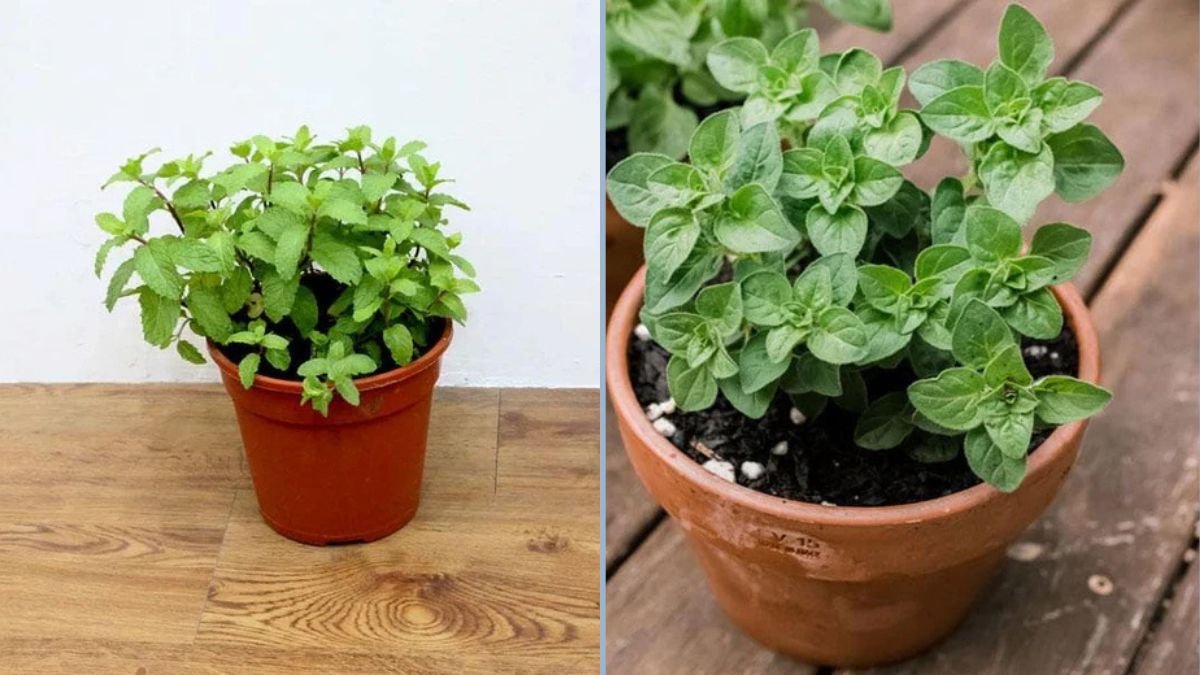
Herbs have long been celebrated for their culinary, medicinal, and aromatic qualities. Even in small living spaces, such as apartments or compact kitchens, growing herbs is entirely feasible and rewarding. A kitchen herb garden not only provides fresh, flavorful ingredients at your fingertips but also enhances indoor aesthetics, promotes wellness, and supports sustainable, plant-based living.
This article explores the best herbs for compact kitchens, detailing their growing conditions, care, harvesting, propagation, and culinary applications. It focuses on low-maintenance, space-efficient herbs that thrive in containers or small windowsill gardens, making them ideal for beginners and seasoned home cooks alike.
1. Criteria for Choosing Kitchen Herbs
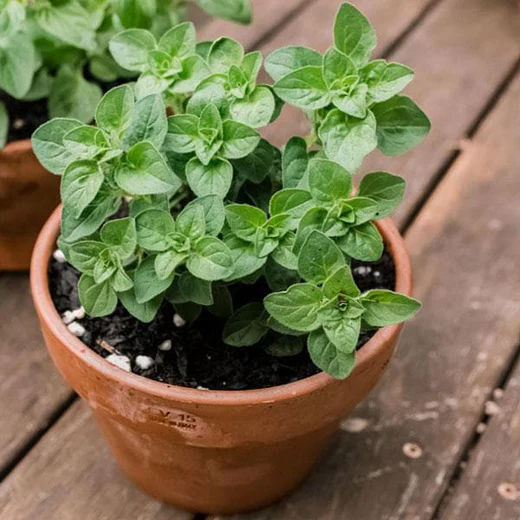
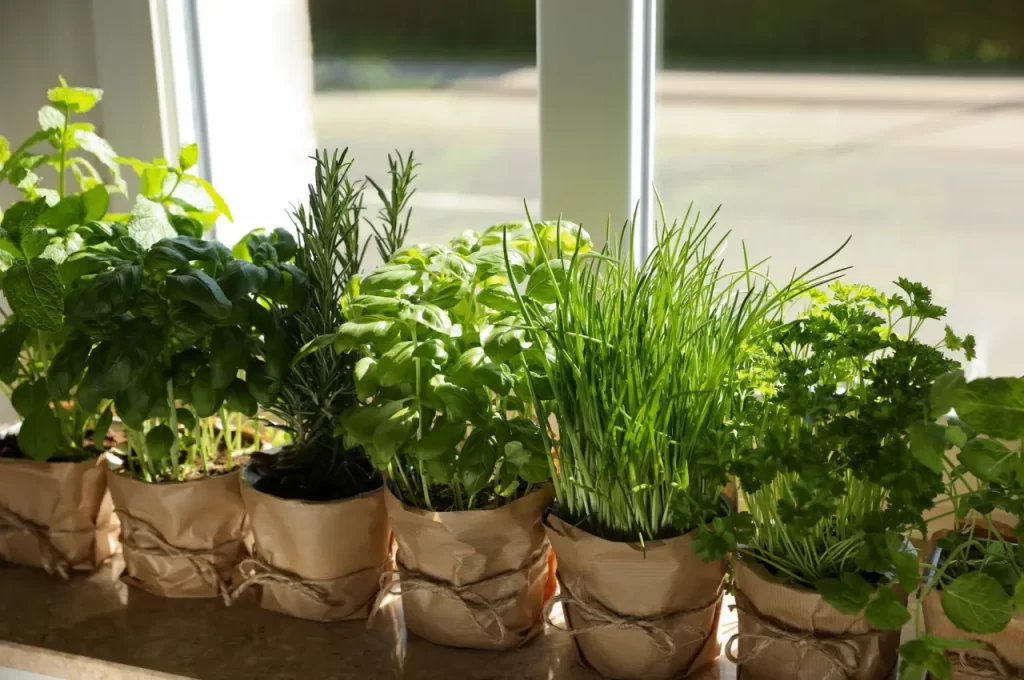
Selecting the right herbs for small spaces ensures success and continuous supply.
Considerations
- Size and Growth Habit: Choose compact or slow-growing herbs to prevent overcrowding
- Light Requirements: Herbs that thrive in indoor light conditions or partial sunlight are ideal
- Maintenance: Opt for low-maintenance herbs requiring minimal pruning and watering
- Culinary Versatility: Herbs that can be used in multiple dishes maximize their value in the kitchen
- Propagation: Easy-to-propagate herbs allow a continuous supply without needing frequent purchase
By evaluating these factors, gardeners can select herbs that perform well in confined spaces while providing year-round flavor and wellness benefits.
2. Basil (Ocimum basilicum)
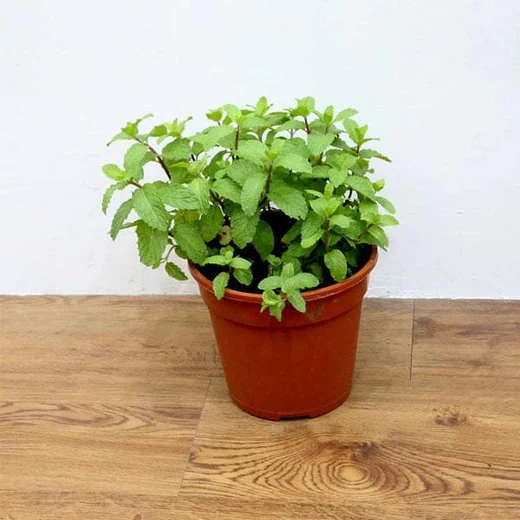
Basil is an aromatic herb renowned for its fresh, flavorful leaves that enhance a variety of dishes, from salads to sauces.
Growing Conditions
- Light: 6–8 hours of sunlight or strong LED grow lights
- Temperature: 18–30°C (65–86°F), avoid drafts
- Soil: Well-draining, compost-rich, plant-based potting mix
- Watering: Keep soil consistently moist without waterlogging
Care Tips
- Pinch off the top leaves regularly to encourage bushy growth
- Remove flower buds to maintain leaf flavor
- Fertilize with compost tea or plant-based liquid fertilizer every 2–3 weeks
Usage
- Pesto, salads, pasta, sandwiches, and herbal teas
Basil’s compact growth makes it ideal for windowsills and small pots.
3. Mint (Mentha spp.)
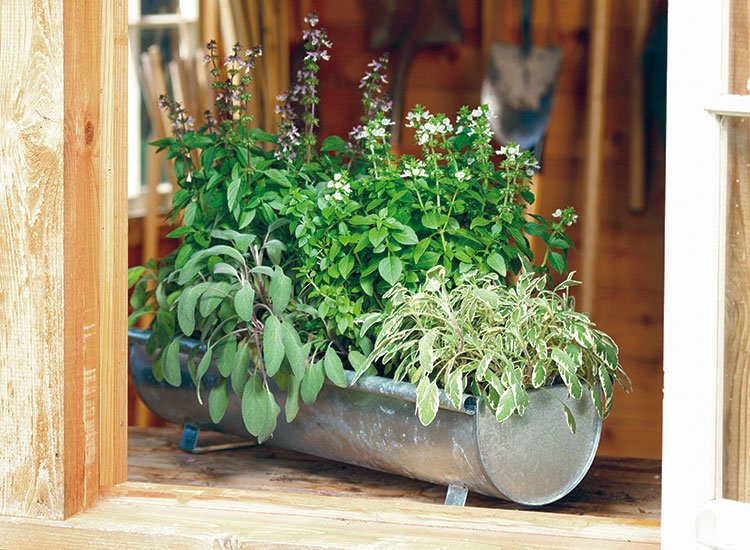
Mint is a fast-growing, fragrant herb perfect for culinary and beverage applications. Its spreading nature can be managed easily in containers.
Growing Conditions
- Light: Partial sunlight indoors
- Temperature: 15–25°C (59–77°F)
- Soil: Moist, well-draining, plant-based soil
- Watering: Keep soil evenly moist
Care Tips
- Regularly trim to prevent overgrowth and flowering
- Plant in separate containers to control spread
- Fertilize lightly with compost tea every 3–4 weeks
Usage
- Teas, salads, smoothies, sauces, desserts, and garnishes
Mint’s aromatic leaves and compact container growth make it a staple for small kitchens.
4. Parsley (Petroselinum crispum)
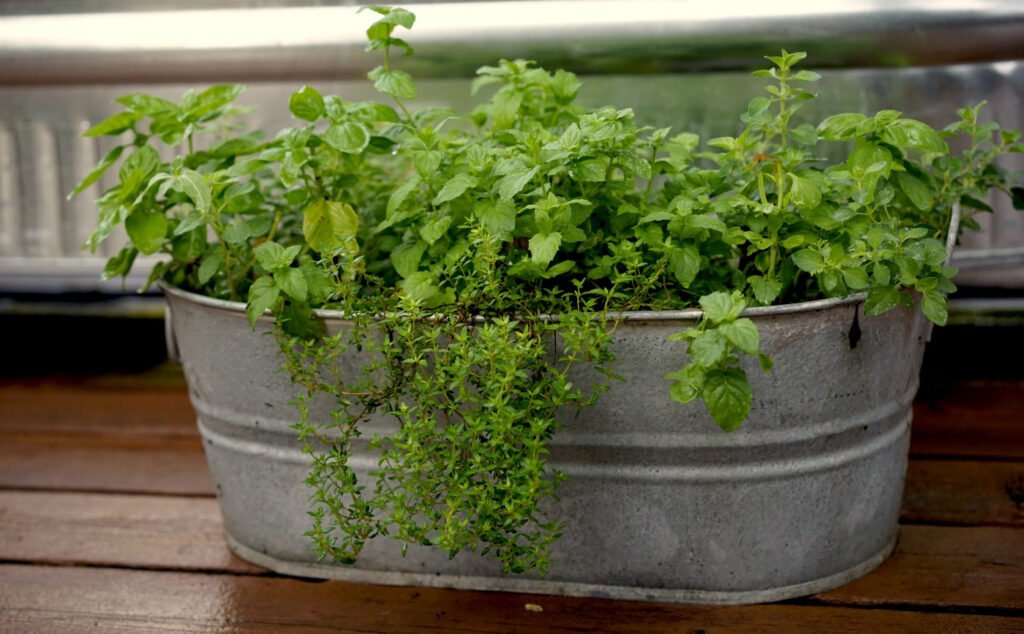
Parsley is a nutrient-rich herb with curly or flat leaves. Its slow, upright growth habit suits small pots.
Growing Conditions
- Light: 4–6 hours of sunlight or supplemental LED light
- Temperature: 18–24°C (65–75°F)
- Soil: Well-draining, compost-rich, plant-based potting mix
- Watering: Keep soil moist but avoid soggy conditions
Care Tips
- Thin seedlings to prevent overcrowding
- Harvest outer leaves regularly to encourage bushy growth
- Fertilize every 3–4 weeks with plant-based solutions
Usage
- Garnishes, soups, stews, salads, and herbal teas
Parsley’s vertical growth makes it ideal for tight windowsill or countertop gardens.
5. Thyme (Thymus vulgaris)
Thyme is a compact, slow-growing herb with aromatic leaves, making it perfect for small spaces. It requires minimal maintenance and thrives in containers.
Growing Conditions
- Light: 6–8 hours of direct sunlight
- Temperature: 15–24°C (59–75°F)
- Soil: Well-draining, sandy or loamy plant-based soil
- Watering: Allow soil to dry between waterings
Care Tips
- Prune regularly to maintain shape and prevent woody growth
- Fertilize sparingly; thyme thrives in nutrient-light soils
- Ensure good air circulation to prevent fungal problems
Usage
- Sauces, roasted vegetables, soups, stews, and herbal infusions
Thyme’s drought-tolerant nature and small size make it an excellent choice for compact kitchen gardening.
6. Rosemary (Rosmarinus officinalis)
Rosemary is an evergreen, aromatic herb with needle-like leaves. Its upright growth habit and woody stems make it suitable for small pots and indoor cultivation.
Growing Conditions
- Light: 6–8 hours of direct sunlight or strong LED lighting
- Temperature: 18–25°C (65–77°F)
- Soil: Well-draining, sandy, compost-rich, plant-based soil
- Watering: Water deeply but infrequently; drought-tolerant once established
Care Tips
- Pinch tips regularly to encourage bushy growth
- Remove older, woody stems for continued productivity
- Fertilize with compost tea every 4–6 weeks
Usage
- Roasted vegetables, breads, marinades, sauces, teas, and infusions
Rosemary thrives in compact pots, adding both flavor and greenery to small kitchens.
7. Container and Space Management
Maximizing limited kitchen space requires careful container selection and placement.
Container Tips
- Use pots with drainage holes to prevent waterlogging
- Opt for vertical or tiered plant stands to save counter space
- Self-watering containers maintain consistent moisture, reducing watering frequency
Placement
- South- or east-facing windows provide optimal sunlight
- Use LED grow lights to supplement natural light in low-light areas
- Rotate containers weekly to ensure even growth
Proper container and space management enables multiple herbs to thrive in limited kitchen areas.
8. Watering and Fertilization
Watering
- Monitor soil moisture regularly
- Avoid overwatering to prevent root rot
- Use room-temperature water for sensitive roots
Fertilization
- Apply plant-based compost, compost tea, or seaweed extract every 2–4 weeks
- Avoid chemical fertilizers to maintain flavor and sustainability
Consistent care ensures healthy, aromatic herbs suitable for culinary use.
9. Propagation for Continuous Supply
Propagation allows small kitchen herb gardens to maintain a continuous supply.
Methods
- Stem Cuttings: Mint, basil, rosemary, and thyme root easily in water or soil
- Division: Perennial herbs like mint and parsley can be divided to expand plantings
- Seed Sowing: Parsley, thyme, and basil seeds germinate well in small pots
Propagation ensures a sustainable herb garden without frequent purchases.
10. Harvesting and Usage
Harvesting Tips
- Harvest leaves in the morning for peak flavor
- Use scissors or fingers to pinch leaves above leaf nodes
- Frequent harvesting encourages bushier growth
Culinary Applications
- Fresh herbs for salads, soups, sauces, marinades, and garnishes
- Blended herbs for customized flavor profiles
- Infusions and teas for wellness benefits
Preservation
- Store excess herbs in airtight jars or freeze small portions
- Dry hardy herbs like rosemary and thyme for long-term use
Efficient harvesting and storage extend the benefits of kitchen-grown herbs.
11. Benefits of Kitchen Herbs
- Culinary Excellence: Fresh herbs enhance flavor and presentation
- Health and Nutrition: Rich in vitamins, antioxidants, and phytochemicals
- Sustainability: Reduces reliance on store-bought, packaged herbs
- Cost-Effective: Continuous supply with minimal investment
- Aesthetic Appeal: Adds greenery and fragrance to kitchens
- Educational Value: Teaches plant care, seasonal growth, and sustainable gardening
Compact kitchen herb gardens combine practicality, sustainability, and well-being.
12. Common Mistakes to Avoid
- Choosing large, fast-growing herbs for small spaces
- Overwatering or underwatering
- Insufficient light leading to leggy plants
- Neglecting pruning and harvesting
- Using chemical fertilizers or pesticides
Avoiding these mistakes ensures a thriving, productive kitchen herb garden.
Conclusion
Even in small kitchens, growing herbs is both feasible and rewarding. Basil, mint, parsley, thyme, and rosemary are ideal choices due to their compact growth habits, low maintenance, and versatile culinary applications. By providing adequate light, well-draining soil, consistent watering, and regular pruning, gardeners can maintain healthy, aromatic herbs year-round.
Propagation, careful harvesting, and optional drying or freezing techniques ensure continuous supply, supporting sustainable, plant-based living. A compact kitchen herb garden not only enhances cooking and nutrition but also adds greenery, fragrance, and a sense of well-being to daily life. With proper planning and care, even limited kitchen space can become a vibrant hub of aromatic, flavorful, and sustainable herbs.
I can also create a detailed table for your thesis showing these 5 herbs with light, water, soil, propagation, and harvest tips, making it visually appealing and thesis-ready.