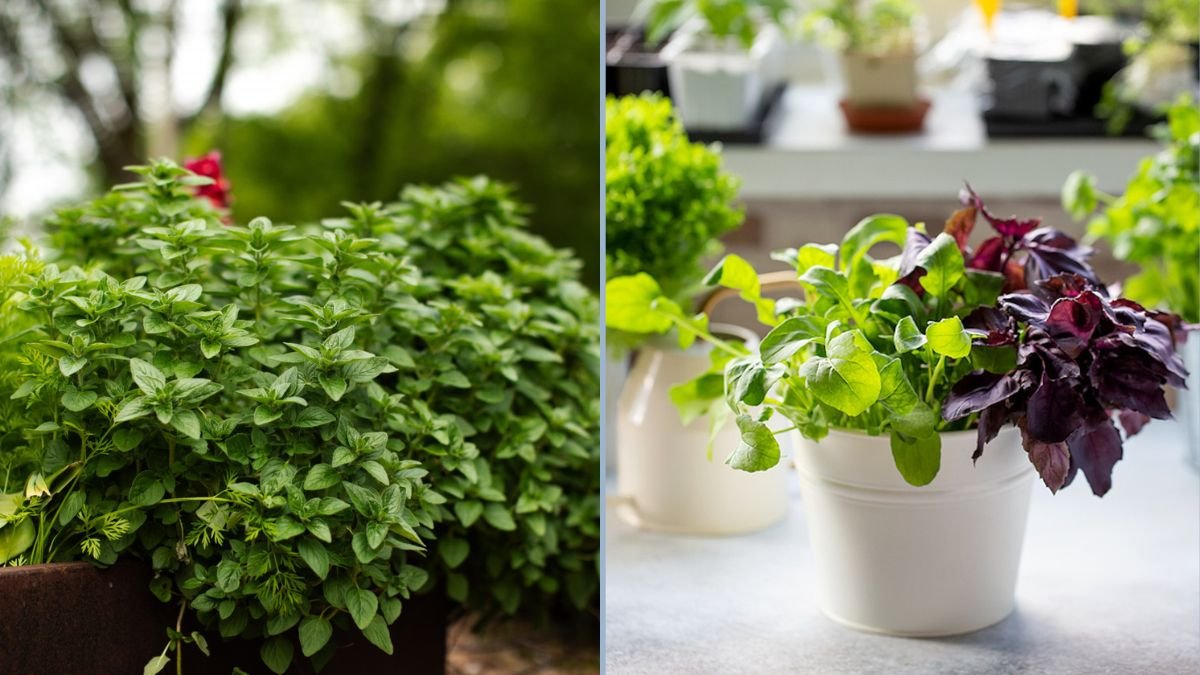
Herbs are among the most accessible and rewarding plants for beginners, offering culinary, medicinal, and aromatic benefits. Growing herbs at home provides fresh ingredients for cooking, teas, and natural remedies while enhancing indoor aesthetics and promoting mindfulness. For newcomers to gardening, choosing easy-to-grow herbs ensures success and builds confidence for more advanced projects.
This article explores five beginner-friendly herbs, detailing their cultivation, care, harvesting, propagation, and uses—all while maintaining a fully vegetarian and sustainable approach. Each herb is chosen for its adaptability, low maintenance, and ability to thrive in small indoor or balcony spaces.
1. Basil (Ocimum basilicum)
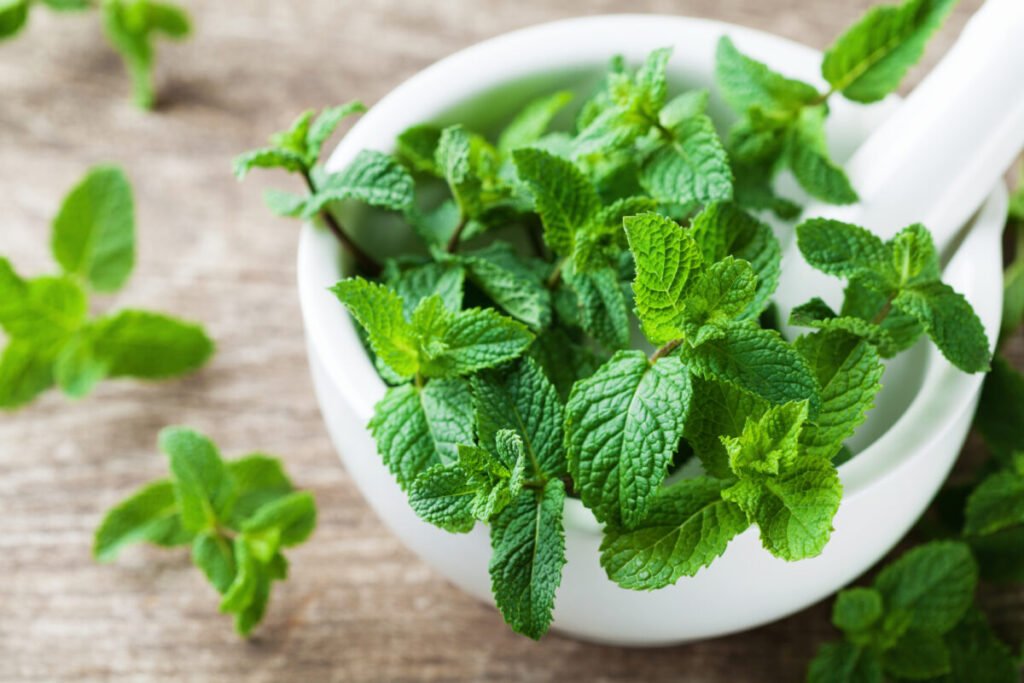
Basil is a fragrant, versatile herb widely used in cooking, teas, and garnishing. Its tender leaves provide a fresh, aromatic flavor to a variety of dishes.
Growing Conditions
- Light: 6–8 hours of bright, indirect or direct sunlight daily
- Temperature: 18–30°C (65–86°F), avoid drafts
- Soil: Well-draining, plant-based potting mix rich in compost
- Watering: Keep soil consistently moist but not waterlogged
Care Tips
- Regularly pinch the top leaves to encourage bushy growth
- Remove flower buds to prevent bitterness and prolong leaf production
- Fertilize with compost tea or plant-based liquid fertilizer every 2–3 weeks
Harvesting
- Harvest outer leaves first, leaving inner leaves to grow
- Frequent harvesting promotes continuous growth
Uses
- Fresh salads, pesto, pasta sauces, teas, and garnishing
Propagation
- Stem cuttings root easily in water or moist soil
- Seed sowing is also effective for continuous supply
2. Mint (Mentha spp.)
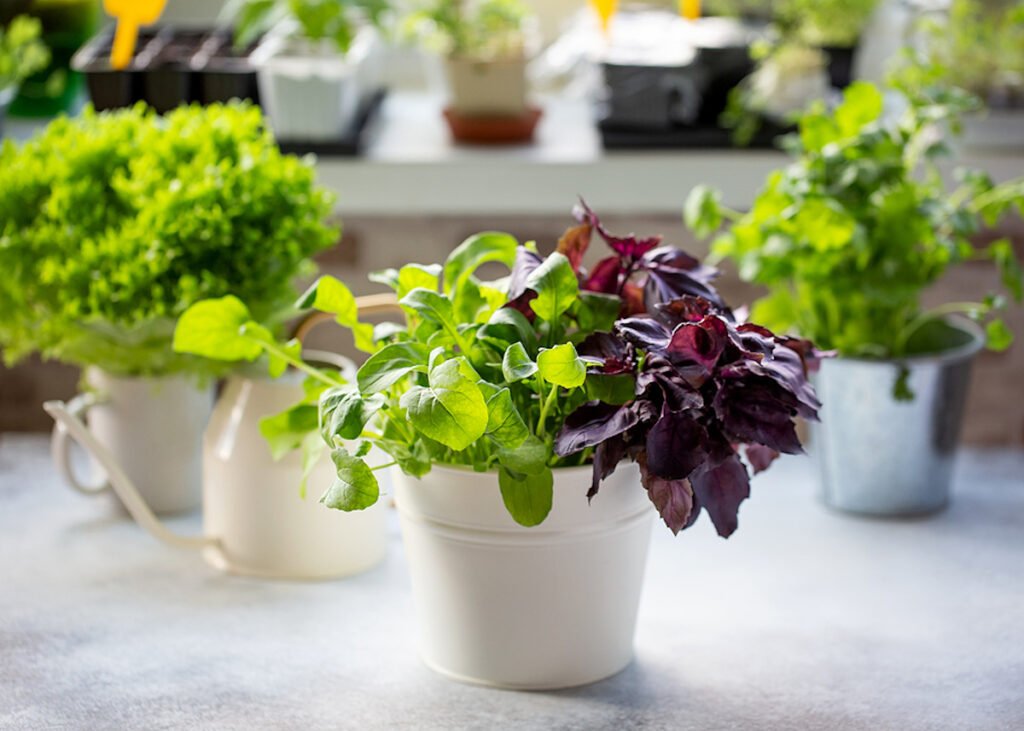
Mint is a hardy, aromatic herb known for its cooling flavor. It grows rapidly and tolerates varying light conditions, making it ideal for beginners.
Growing Conditions
- Light: Partial sunlight or indirect light indoors
- Temperature: 15–25°C (59–77°F)
- Soil: Moist, well-draining, plant-based potting mix
- Watering: Keep soil evenly moist
Care Tips
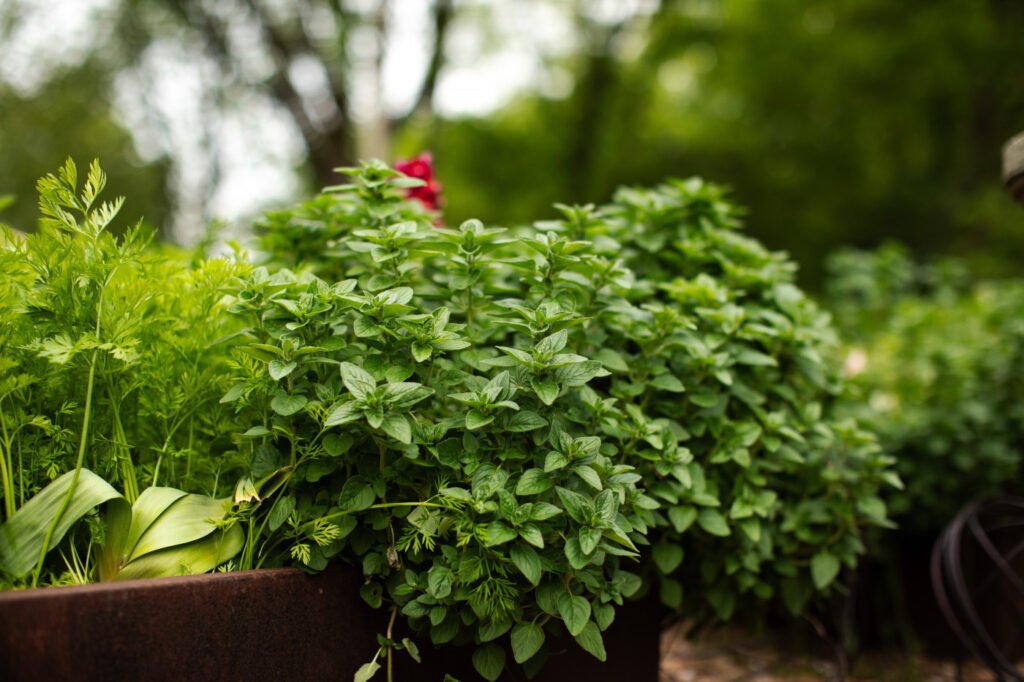
- Plant mint in containers to control spreading, as it can become invasive
- Regularly trim to maintain shape and prevent flowering
- Fertilize lightly with compost tea every 3–4 weeks
Harvesting
- Pinch off leaves as needed, harvesting about one-third of the plant at a time
- Harvest stems just above leaf nodes to encourage new growth
Uses
- Herbal teas, cocktails, salads, sauces, and garnishes
Propagation
- Easily propagated through stem cuttings in water or soil
- Dividing established plants ensures continuous supply
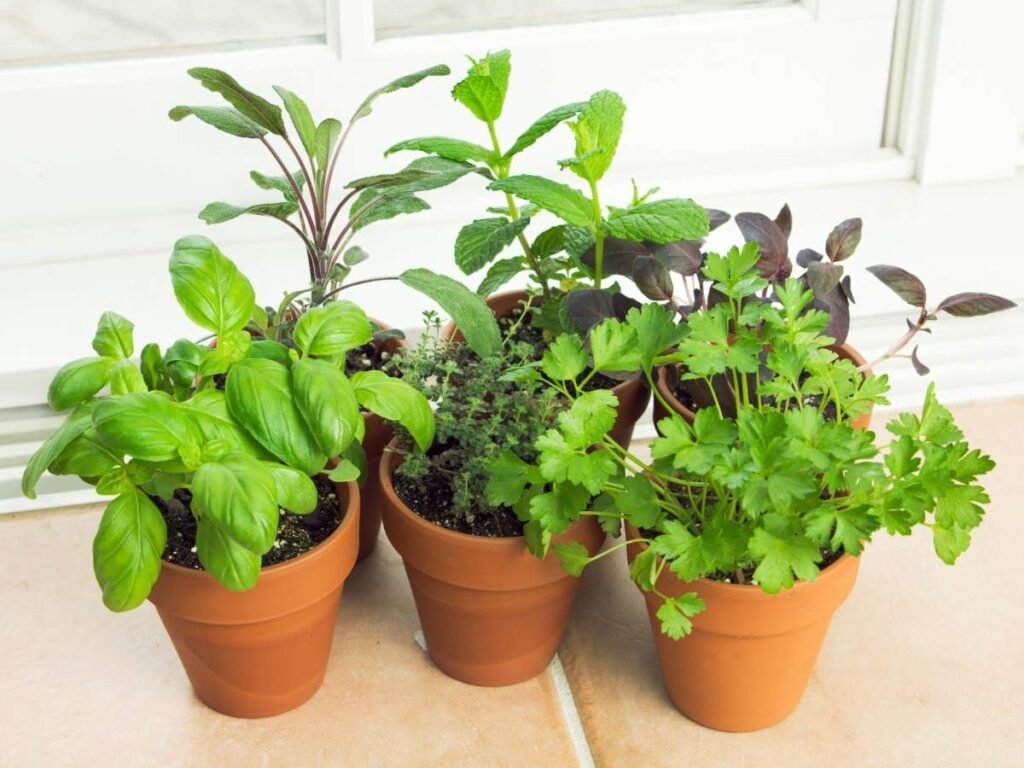
3. Parsley (Petroselinum crispum)
Parsley is a nutrient-rich herb with a mild, fresh flavor. Both curly and flat-leaf varieties thrive indoors, making it suitable for beginner gardeners.
Growing Conditions
- Light: 4–6 hours of bright sunlight or supplemented with LED grow lights
- Temperature: 18–24°C (65–75°F)
- Soil: Well-draining, compost-rich, plant-based soil
- Watering: Keep soil evenly moist, avoiding waterlogging
Care Tips
- Thin seedlings to prevent overcrowding
- Remove older leaves to promote new growth
- Fertilize with plant-based liquid fertilizers every 3–4 weeks
Harvesting
- Cut outer leaves first, leaving inner stems for continuous growth
- Regular harvesting encourages bushy and productive plants
Uses
- Culinary garnishes, soups, salads, herbal teas, and sauces
Propagation
- Easily grown from seeds
- Rooted cuttings can also be transplanted for new plants
4. Thyme (Thymus vulgaris)
Thyme is a hardy, low-maintenance herb with a strong, earthy aroma. Its drought-tolerant nature and slow growth make it excellent for indoor or balcony gardening.
Growing Conditions
- Light: 6–8 hours of direct sunlight
- Temperature: 15–24°C (59–75°F)
- Soil: Well-draining, sandy or loamy plant-based mix
- Watering: Allow soil to dry between waterings; avoid overwatering
Care Tips
- Prune regularly to maintain shape and prevent woody stems
- Fertilize sparingly; thyme thrives in nutrient-light soils
- Ensure proper air circulation to prevent fungal issues
Harvesting
- Harvest stems before flowering for optimal flavor
- Use scissors to cut above leaf nodes for continued growth
Uses
- Culinary dishes, teas, infusions, and aromatic garnishes
Propagation
- Propagate via stem cuttings or division of established plants
- Seed sowing is slower but effective for long-term cultivation
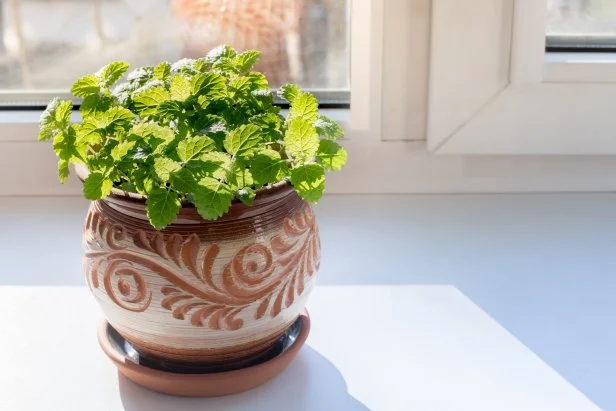
5. Lemon Balm (Melissa officinalis)
Lemon balm is a fragrant, citrus-flavored herb that grows quickly and thrives in containers. It is well-suited for beginners due to its hardiness and adaptability.
Growing Conditions
- Light: Partial to full sunlight
- Temperature: 18–24°C (65–75°F)
- Soil: Moist, well-draining, plant-based potting mix
- Watering: Keep soil slightly moist, not waterlogged
Care Tips
- Trim regularly to encourage bushy growth
- Remove flower buds to maintain leaf flavor
- Fertilize with compost tea or plant-based fertilizers monthly
Harvesting
- Harvest leaves throughout the growing season
- Frequent harvesting promotes a fuller plant and prevents legginess
Uses
- Herbal teas, infusions, salads, and garnishing
- Adds a natural citrus flavor to desserts and beverages
Propagation
- Easily propagated from stem cuttings in water or soil
- Division of mature plants ensures continuous production
Tips for Beginners Growing Herbs at Home
- Start Small: Begin with a few herbs and gradually expand as you gain confidence.
- Use Containers: Containers are ideal for indoor or balcony gardens and allow better control over soil, water, and light.
- Monitor Light: Place herbs near windows or use LED grow lights to ensure adequate light.
- Water Wisely: Avoid overwatering; most herbs prefer slightly moist soil rather than soggy conditions.
- Prune Regularly: Pruning encourages bushy growth and prevents legginess.
- Fertilize Ethically: Use plant-based fertilizers and compost to support growth without animal products.
- Rotate and Mix Herbs: Companion planting or rotating pots helps maximize space and prevents pests.
Harvesting and Usage Best Practices
- Harvest in the Morning: Leaves contain maximum essential oils and flavor in the morning, after dew evaporates.
- Pinch, Don’t Pull: Use scissors or fingers to pinch leaves, avoiding damage to stems.
- Drying and Storage: Air-dry herbs in a cool, dark place for long-term storage; store in airtight containers.
- Fresh Use: Many herbs are best used fresh for teas, cooking, or garnishing.
Benefits of Growing Herbs at Home
- Culinary: Fresh herbs enhance flavors, aromas, and presentation of meals.
- Health and Nutrition: Herbs are rich in antioxidants, vitamins, and phytochemicals.
- Sustainability: Reduces reliance on store-bought herbs and packaging waste.
- Cost-Effective: A small herb garden provides a continuous supply at minimal cost.
- Aesthetic and Well-Being: Adds greenery, fragrance, and a sense of calm to indoor spaces.
- Educational: Teaches plant care, seasonal growth cycles, and sustainable gardening practices.
Common Mistakes Beginners Should Avoid
- Planting in inadequate light or over-shaded areas
- Overwatering or letting soil dry completely
- Ignoring regular pruning and harvesting
- Using chemical or animal-based fertilizers
- Crowding multiple herbs in one container
Avoiding these mistakes ensures healthy growth, continuous harvest, and a rewarding gardening experience.
Conclusion
Growing herbs at home is an accessible, enjoyable, and sustainable way to enrich culinary, nutritional, and sensory experiences. For beginners, basil, mint, parsley, thyme, and lemon balm provide ideal starting points due to their adaptability, low maintenance, and fast growth. By understanding each herb’s environmental needs, practicing ethical watering and fertilization, and using proper pruning, harvesting, and propagation techniques, beginners can maintain thriving indoor or balcony gardens.
A home herb garden not only delivers fresh flavors and health benefits but also enhances sustainability, mindfulness, and home aesthetics. With a small investment of time and care, beginners can enjoy a continuous supply of aromatic herbs, laying the foundation for more advanced gardening projects in the future.