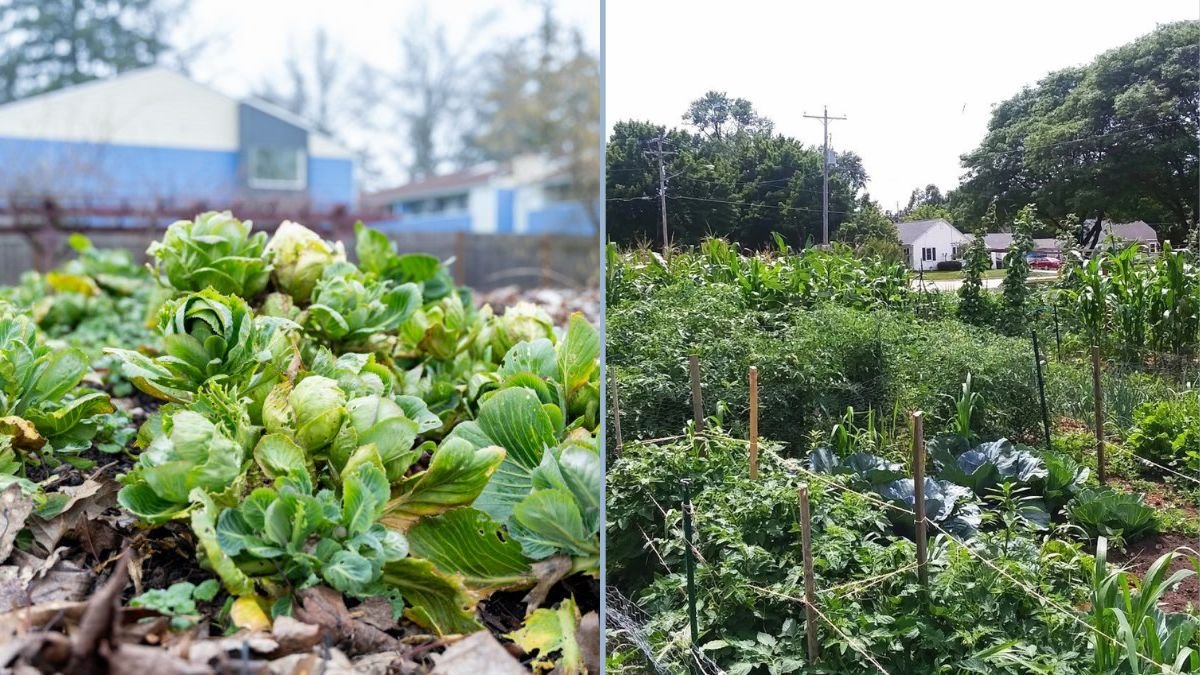
The shift from summer to winter presents both opportunities and challenges for gardeners. Summer crops often thrive under long days and warm temperatures, while winter vegetables require cooler conditions, shorter daylight, and protection from early frosts. Transitioning a summer garden into a productive winter harvest involves careful planning, soil management, and strategic planting to maximize yields while maintaining healthy, chemical-free crops.
A well-managed transition ensures that garden spaces remain productive year-round, providing fresh, nutritious vegetables and herbs during the colder months. This article explores practical methods, suitable crops, and sustainable practices for converting summer gardens into thriving winter harvests.
1. Planning the Transition
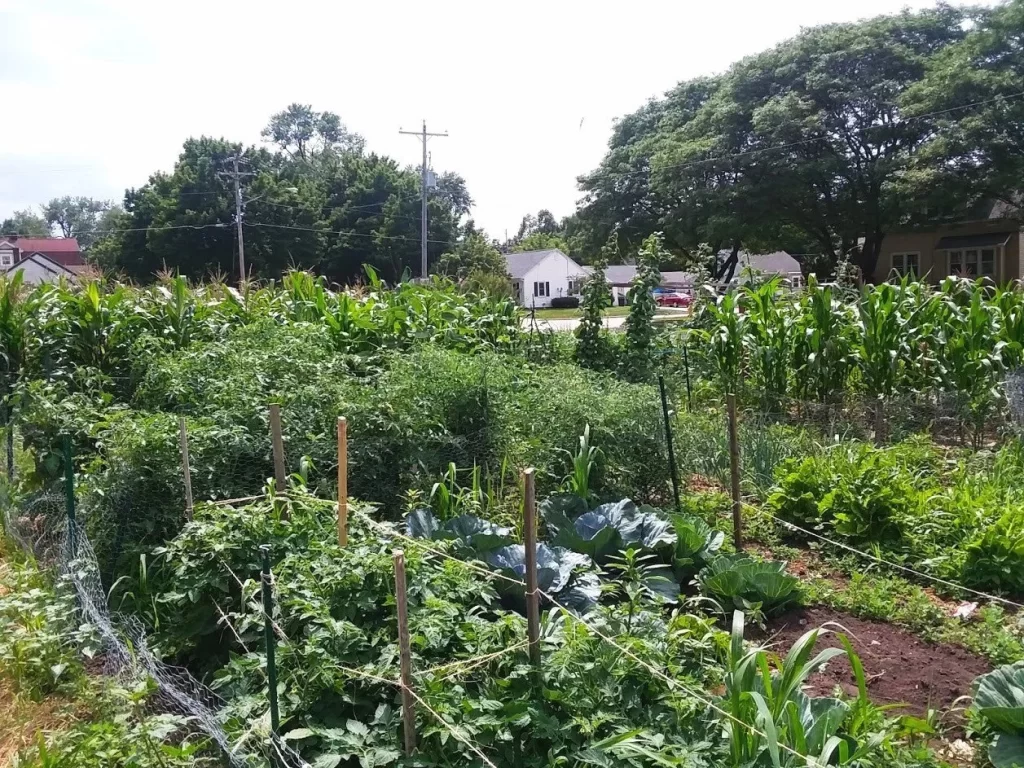
a. Assess Garden Conditions
- Evaluate sunlight exposure, soil moisture, and microclimate variations in your garden.
- Identify areas prone to frost or poor drainage, which may require protection or raised beds.
b. Determine Crop Succession
- Decide which summer crops can be extended and which need replacement.
- Plan for staggered planting to ensure continuous harvest through winter.
c. Seed Selection
- Choose cold-tolerant vegetables and herbs adapted to shorter daylight and lower temperatures.
- Prioritize species that thrive in your specific climate zone and soil type.
2. Preparing Soil for Winter Crops
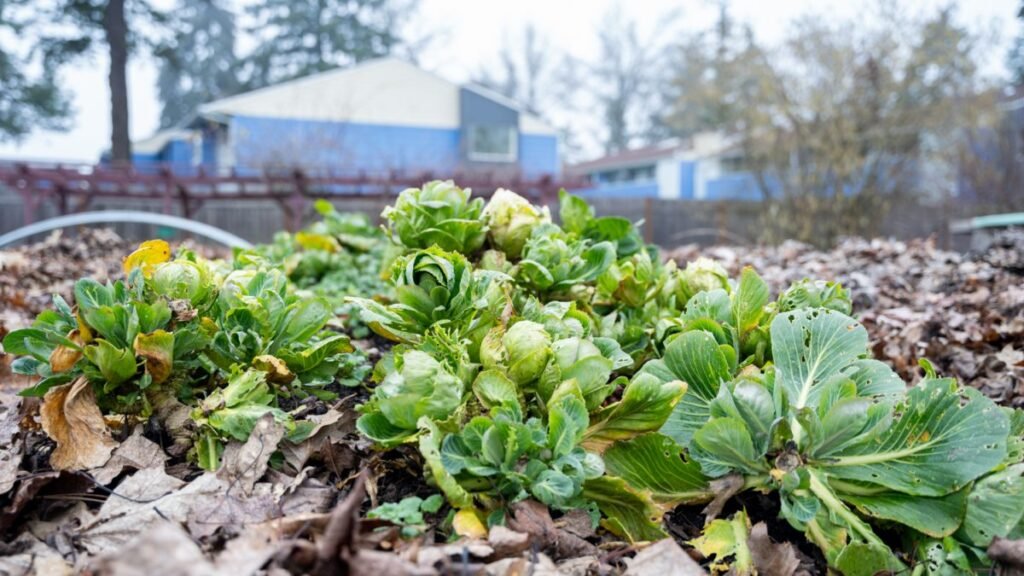
Healthy soil is essential for a successful winter harvest:
a. Soil Fertility
- Incorporate organic compost, green manures, and well-decomposed leaf litter to replenish nutrients used by summer crops.
- Nitrogen-rich amendments support leafy winter vegetables, while potassium-rich compost strengthens roots.
b. Soil Structure
- Loosen compacted soil to improve aeration and root penetration.
- Raised beds or mounded rows improve drainage and reduce waterlogging during wet winter months.
c. Mulching
- Apply organic mulch such as straw, dried leaves, or grass clippings to regulate soil temperature, prevent erosion, and retain moisture.
3. Harvesting Summer Crops
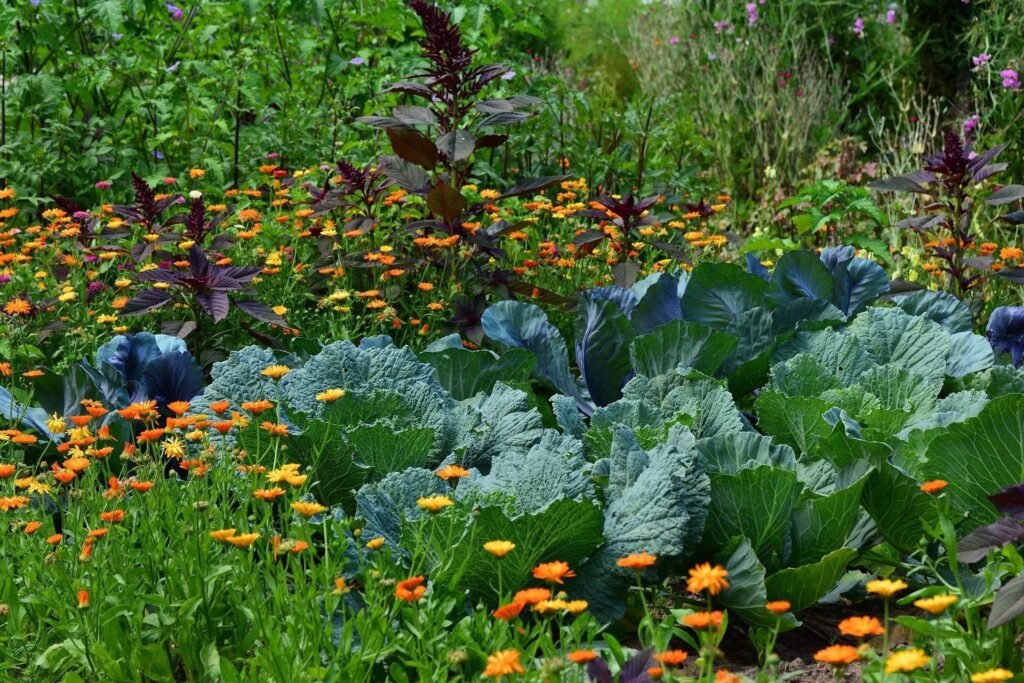
Properly harvesting summer crops before winter planting is crucial:
- Remove spent or unproductive plants to reduce disease and pest pressure.
- Collect remaining fruits, leafy greens, or root crops for immediate use or preservation.
- Incorporate plant residues into the soil as green manure to enrich fertility for winter crops.
Efficient summer crop management provides nutrients and space for winter planting.
4. Selecting Winter Vegetables
Winter crops thrive in cooler temperatures and often require less water than summer plants. Ideal choices include:
Leafy Greens
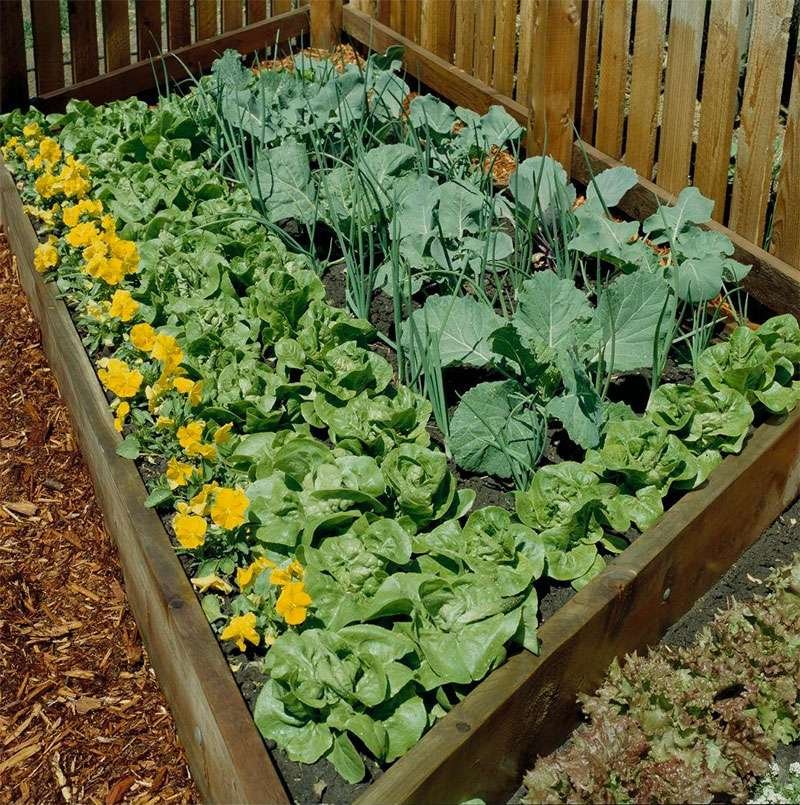
- Spinach, kale, Swiss chard, and lettuce grow rapidly in winter and tolerate frost.
- Arugula and mustard greens provide peppery flavors and fast harvests.
Cruciferous Vegetables
- Cabbage, broccoli, cauliflower, and Brussels sprouts tolerate cold and produce high-value crops during winter.
Root Vegetables
- Carrots, beets, turnips, and radishes benefit from cool soil and develop sweeter flavors after frost exposure.
Herbs
- Parsley, cilantro, thyme, and chives survive mild frost and provide year-round culinary value.
Selecting frost-tolerant and cold-adapted species ensures a successful winter garden.
5. Sowing and Transplanting Techniques
a. Direct Sowing
- Fast-growing crops like radishes, arugula, and spinach can be sown directly into prepared beds.
- Space seeds appropriately to ensure airflow and reduce fungal risks in damp winter conditions.
b. Seedlings and Transplants
- Start tender crops such as cabbage and broccoli indoors or in protected nurseries.
- Harden off seedlings by gradually exposing them to cooler outdoor conditions before transplantation.
c. Staggered Planting
- Sow successive batches every 2–3 weeks to maintain continuous harvests throughout winter.
6. Protecting Crops from Frost
Even winter crops may require protection during early or late frosts:
- Row Covers and Frost Cloths: Lightweight fabrics shield sensitive plants from freezing temperatures.
- Cold Frames and Mini-Greenhouses: Provide warmth for tender seedlings while extending the growing season.
- Mulching: Protects roots and maintains soil warmth.
- Windbreaks: Temporary barriers reduce exposure to chilling winds that damage plants.
Effective frost protection safeguards crops and maintains consistent harvests.
7. Water Management in Winter Gardens
Although winter generally brings rainfall, careful moisture management is critical:
- Drainage: Avoid waterlogging in raised beds and mounded rows.
- Mulch: Conserves moisture and prevents soil compaction during heavy rains.
- Irrigation Adjustments: Reduce watering frequency in cooler weather to prevent root rot and fungal growth.
Proper water management ensures plant health without over-saturating the soil.
8. Pest and Disease Management
Winter gardens face different challenges than summer:
- Common Pests: Aphids, caterpillars, and slugs remain active, particularly in humid climates.
- Plant-Based Control: Neem oil, garlic extract, or soap sprays provide effective, eco-friendly pest control.
- Sanitation: Remove diseased leaves and plant debris to reduce fungal and bacterial spread.
- Companion Planting: Herbs such as basil, thyme, or marigolds deter pests naturally.
Sustainable pest and disease management protects winter crops without chemicals.
9. Fertilization for Winter Growth
Winter crops require balanced nutrition to thrive:
- Organic Fertilizers: Compost, vermicompost, and green manure provide slow-release nutrients.
- Liquid Plant Teas: Moringa, comfrey, or nettle infusions enhance leaf growth and overall vigor.
- Monitoring Nutrient Needs: Leaf color and growth rate indicate nutrient deficiencies, which can be corrected with plant-based amendments.
Balanced nutrition supports strong, resilient plants in colder conditions.
10. Maximizing Light and Microclimate
Shorter days and lower light intensity affect winter plant growth:
- Sunlight: Position beds to maximize available sunlight, ideally south-facing in the northern hemisphere.
- Reflective Surfaces: Walls, light-colored fences, or reflective mulches increase light availability.
- Protection: Temporary cloches or low tunnels create microclimates that warm plants and enhance growth.
Optimizing light exposure improves crop yield and quality during winter.
11. Harvesting and Succession Planning
- Leafy Greens: Harvest progressively to encourage new growth and avoid overcrowding.
- Root Vegetables: Lift mature crops promptly to prevent waterlogging damage.
- Cruciferous Crops: Pick outer leaves and mature heads while leaving inner growth intact.
- Succession Planting: Continue sowing fast-growing winter crops to maintain a continuous supply.
Proper harvesting techniques ensure maximum productivity and extend the garden’s output throughout the season.
12. Benefits of Transitioning to Winter Gardens
- Continuous Food Supply: Maintains fresh, homegrown vegetables even in cold months.
- Nutritional Advantages: Winter crops are rich in vitamins, minerals, and antioxidants.
- Reduced Pest Pressure: Lower temperatures and reduced pest activity minimize chemical interventions.
- Soil Health: Green manures and organic amendments restore soil fertility post-summer.
- Sustainable Gardening: Chemical-free practices support biodiversity and long-term ecological balance.
Transitioning effectively maximizes garden productivity while supporting eco-friendly cultivation.
Conclusion
Transitioning a summer garden into a productive winter harvest requires thoughtful planning, crop selection, and sustainable management practices. By preparing soil with organic amendments, protecting crops from frost, optimizing light, and carefully managing water and nutrients, gardeners can extend their growing season and maintain healthy, productive plants.
Leafy greens, cruciferous vegetables, root crops, and hardy herbs thrive in cooler conditions, providing nutritious produce during winter months. Succession planting and staggered harvesting further maximize yield and ensure continuous food supply.
Adopting eco-friendly practices such as companion planting, organic fertilizers, mulching, and plant-based pest management preserves soil health, supports biodiversity, and reduces the need for chemical interventions. With careful management, a summer garden can be seamlessly transitioned into a resilient, productive winter garden, demonstrating that thoughtful planning and sustainable cultivation practices lead to year-round gardening success.