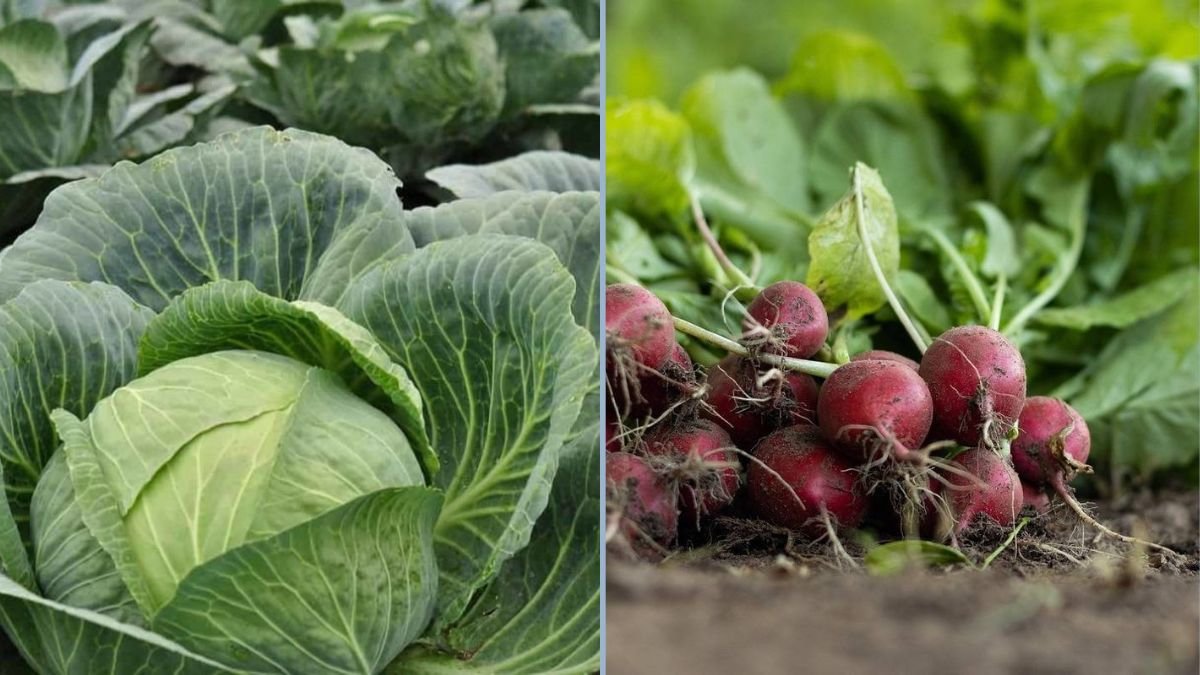
The rainy season presents both opportunities and challenges for vegetable gardeners. Abundant rainfall ensures a steady water supply and promotes rapid plant growth, but excessive moisture can lead to waterlogging, fungal diseases, and pest outbreaks. Successful cultivation during the monsoon requires strategic planning, appropriate crop selection, soil management, and eco-friendly care practices.
Rainy-season gardening offers multiple advantages, such as reduced irrigation requirements, higher nutrient uptake, and the ability to grow certain fast-maturing crops. However, gardeners must adopt specific measures to prevent water-related stress and protect plants from fungal infections and pests. This article explores methods for growing vegetables during the rainy season, emphasizing sustainable, non-chemical, plant-based practices.
1. Selecting Rainy-Season Vegetables
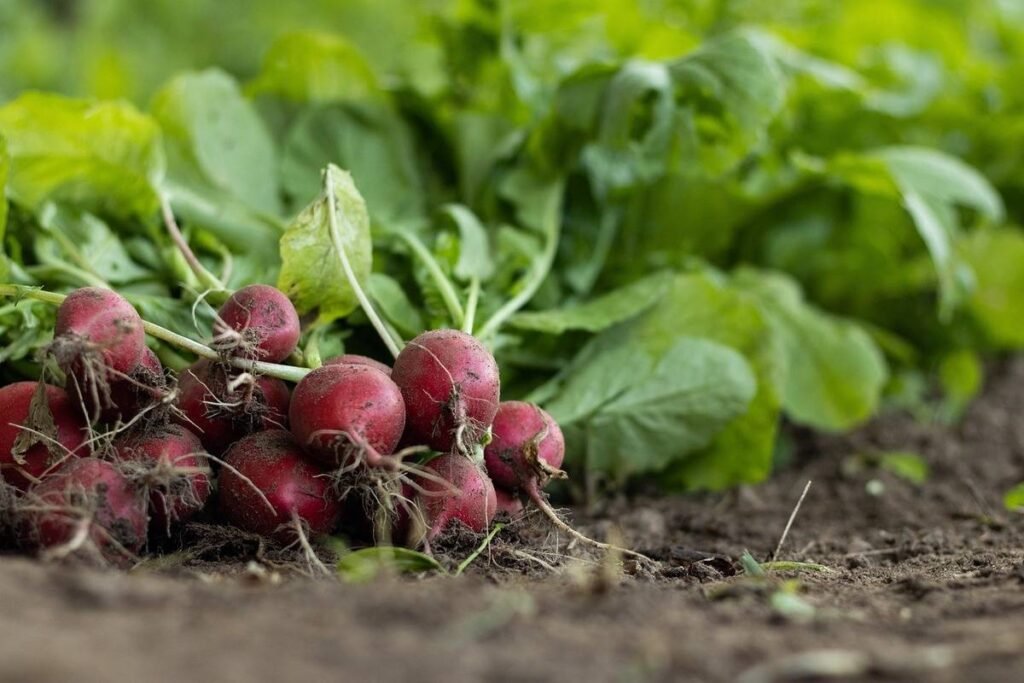
The choice of vegetable crops is crucial for monsoon gardening:
- Leafy Greens: Spinach, amaranth, fenugreek, and coriander grow well in warm, moist conditions.
- Root Vegetables: Radish, beetroot, carrots, and turnips tolerate moderate rainfall if planted in well-drained soil.
- Cucurbits: Bottle gourd, bitter gourd, sponge gourd, and cucumber flourish under consistent moisture but need proper drainage.
- Legumes: Cowpea, black-eyed peas, and French beans thrive in the rainy season and enrich the soil with nitrogen.
- Other Vegetables: Okra and leafy Asian greens such as pak choi perform well with abundant rain.
Choosing crops adapted to wet conditions reduces losses due to fungal infections and waterlogging.
2. Preparing Soil for Rainy Season
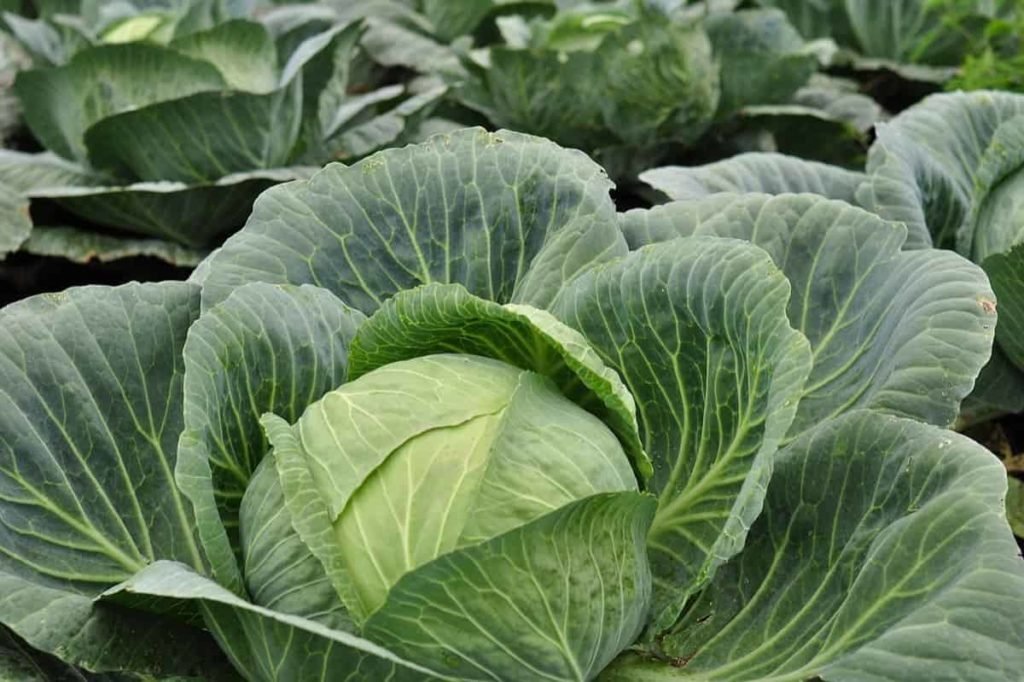
Soil preparation is key to managing excess moisture:
a. Well-Draining Soil
- Use raised beds or mounds to prevent water accumulation around roots.
- Incorporate organic matter such as compost, shredded leaves, or coco peat to improve drainage and soil aeration.
b. Mulching
- Apply a layer of straw, dried leaves, or rice husk to prevent soil erosion, retain nutrients, and minimize splashing that spreads pathogens.
c. Soil Testing
- Test soil pH and nutrient levels before planting. Balanced fertility prevents excessive vegetative growth that may attract pests.
Proper soil preparation ensures healthy root systems and reduces fungal and bacterial infections during prolonged rainfall.
3. Sowing and Planting Techniques
a. Direct Sowing
- Seeds of leafy greens, radish, and legumes can be sown directly in raised beds for faster establishment.
- Space seeds adequately to allow air circulation, reducing the risk of fungal outbreaks.
b. Seedling Transplanting
- Start cucurbits and other tender vegetables in nurseries or trays before transplanting to prepared beds.
- Harden seedlings for a few days in shaded areas to reduce transplant shock caused by heavy rain.
c. Staggered Sowing
- Plant seeds or seedlings in intervals to ensure continuous harvest and reduce the risk of total crop loss due to flooding or pest attacks.
4. Rainy-Season Water Management
Although rainfall provides abundant water, excessive moisture can harm plants:
- Raised Beds and Mounds: Keep roots above waterlogged soil.
- Mulching: Reduces soil splashing, which can transmit diseases.
- Drainage Channels: Small furrows or trenches divert excess water from the garden.
- Irrigation Adjustments: Suspend watering when rainfall is sufficient to avoid over-saturation.
Effective water management prevents root rot and maintains plant health during heavy rainfalls.
5. Managing Rainy-Season Pests
High humidity and wet foliage favor certain pests:
- Common Pests: Aphids, leaf miners, caterpillars, and snails thrive in rainy conditions.
- Plant-Based Control: Spray neem oil, garlic extract, or mild soap solutions to manage soft-bodied insects.
- Physical Measures: Handpick larger pests, use barriers for slug and snail control, and maintain proper spacing for airflow.
- Monitoring: Inspect crops daily, focusing on the undersides of leaves and tender shoots.
Rainy-season pest management relies on timely observation and preventive, chemical-free interventions.
6. Preventing Fungal and Bacterial Diseases
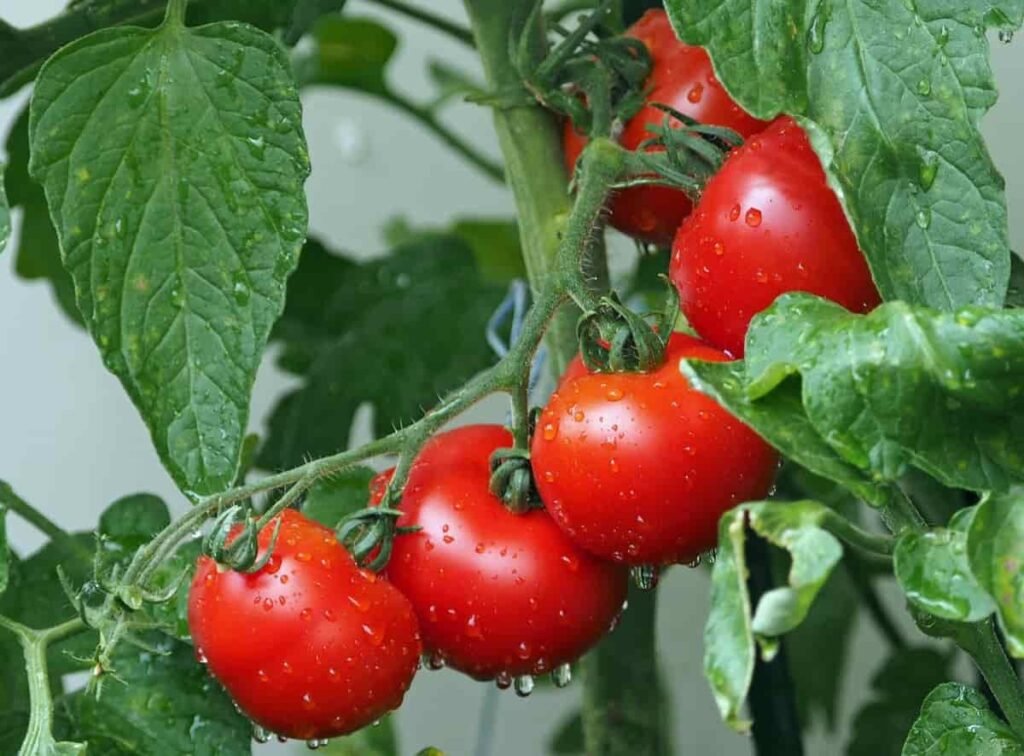
Rainy weather increases the risk of fungal infections such as powdery mildew, downy mildew, and leaf spot:
- Air Circulation: Space plants adequately and prune dense foliage to reduce humidity around leaves.
- Mulching: Prevents soil splash and reduces the spread of soil-borne pathogens.
- Botanical Sprays: Neem oil or decoctions of garlic, turmeric, or holy basil act as preventive antifungal treatments.
- Sanitation: Remove infected leaves promptly and sterilize cutting tools to prevent disease spread.
These eco-friendly strategies ensure healthy plant growth without synthetic fungicides.
7. Fertilization During Rainy Season
Nutrient management enhances plant resilience:
- Organic Fertilizers: Use compost, vermicompost, and green manure to provide steady nutrient supply.
- Liquid Manures: Diluted plant-based liquid fertilizers such as moringa, comfrey, or neem tea support leafy growth.
- Balanced Application: Avoid excessive nitrogen, which can encourage lush foliage prone to pest attacks.
Sustainable fertilization during rainy months strengthens plants while maintaining soil fertility.
8. Supporting Plant Growth and Structure
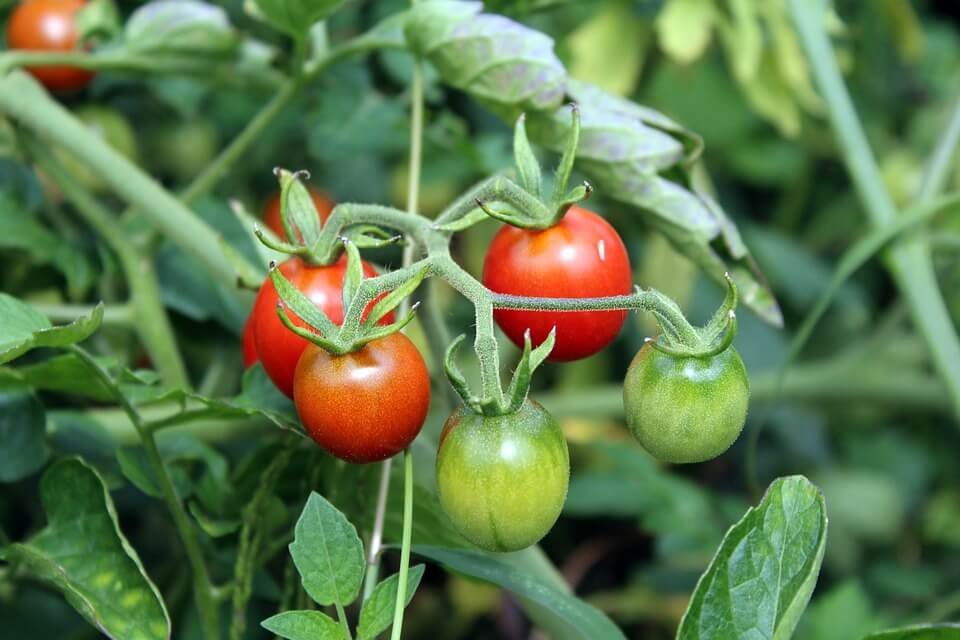
Heavy rain can damage tall or climbing vegetables:
- Staking and Trellising: Support tomatoes, cucurbits, beans, and gourds to prevent stems from breaking.
- Pruning: Remove dead or damaged leaves to improve airflow and reduce fungal risk.
- Spacing: Adequate distance between plants minimizes competition for light and nutrients while reducing disease spread.
Proper structural support ensures crops remain upright and productive during rain events.
9. Companion Planting for Rainy Season
Companion planting improves resilience to pests and environmental stress:
- Herbs: Basil, mint, and marigold repel aphids and other common pests.
- Legumes: Interplanting legumes with leafy greens enriches soil nitrogen and boosts neighboring plant growth.
- Mixed Crops: Combining fast-growing crops with slower-growing ones reduces pest pressure and optimizes space.
Companion planting enhances ecological balance and increases overall garden productivity.
10. Harvesting Rainy-Season Vegetables
- Leafy Greens: Harvest leaves regularly to encourage new growth and reduce fungal buildup.
- Root Vegetables: Lift crops promptly when mature to avoid waterlogged soils affecting root quality.
- Cucurbits and Fruits: Pick tender fruits as they ripen to prevent rot from prolonged wetness.
Timely harvesting maintains vegetable quality and prevents losses due to excessive moisture.
11. Benefits of Growing Rainy-Season Vegetables
- Nutritional Value: Fresh, homegrown vegetables are rich in vitamins, minerals, and antioxidants.
- Reduced Irrigation Needs: Natural rainfall reduces dependence on supplemental watering.
- Pest Reduction: Cooler, moist conditions favor some natural predators, reducing pest outbreaks.
- Sustainable Gardening: Organic practices promote soil health, biodiversity, and minimal chemical use.
- Continuous Supply: Staggered planting allows for fresh produce throughout the rainy season.
Rainy-season gardening combines productivity with eco-friendly cultivation, providing abundant, nutritious vegetables.
12. Challenges and Solutions
Challenge: Waterlogging and root rot.
Solution: Raised beds, improved drainage, and careful site selection.
Challenge: Fungal and bacterial infections.
Solution: Adequate spacing, pruning, mulching, and botanical sprays.
Challenge: Pest outbreaks.
Solution: Companion planting, plant-based sprays, and daily monitoring.
Challenge: Nutrient leaching from heavy rain.
Solution: Organic compost and slow-release plant-based fertilizers restore soil fertility.
Addressing these challenges ensures a resilient and productive rainy-season garden.
Conclusion
Growing vegetables during the rainy season is both rewarding and feasible with proper planning, crop selection, and eco-friendly practices. Leafy greens, root crops, cucurbits, legumes, and hardy herbs thrive under abundant rainfall when planted in well-drained soil and supported with organic mulches, companion planting, and plant-based pest and disease management.
By incorporating raised beds, trellises, botanical fertilizers, and proper harvesting schedules, gardeners can maintain healthy, productive crops despite the challenges of heavy rainfall. Rainy-season vegetable gardening not only extends the harvest period but also fosters sustainable, chemical-free practices that enhance soil health, biodiversity, and the nutritional quality of homegrown produce.