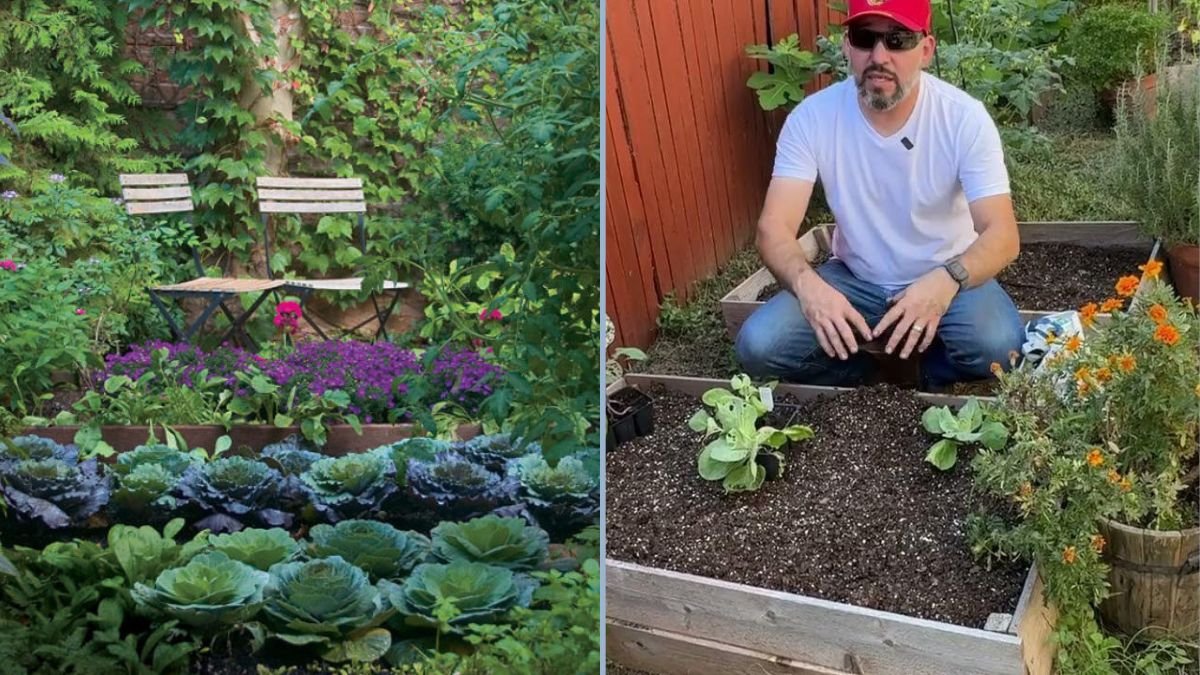
The transition from summer to fall presents unique opportunities for gardeners. Cooler temperatures, shorter days, and milder sunlight create an ideal environment for many vegetables and herbs. Kitchen gardens benefit from planting fall crops, as they can extend the harvest season, diversify the produce available, and enhance nutritional intake at home.
Fall crops often require fewer inputs, are hardy against early frosts, and are well-suited for compact gardens. By selecting appropriate species and using sustainable, non-chemical cultivation methods, gardeners can maintain productivity even as outdoor conditions shift. This article explores the best fall crops for kitchen gardens, along with cultivation techniques, soil preparation, and eco-friendly care practices.
1. Advantages of Planting Fall Crops
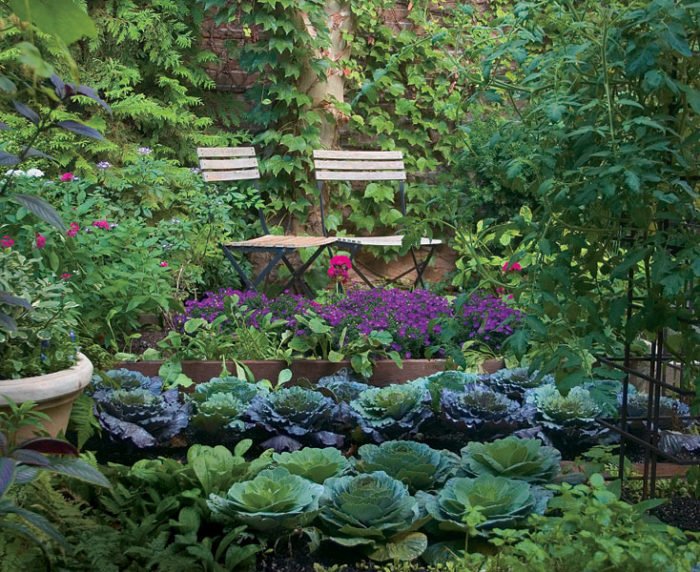
Growing fall crops offers several benefits:
- Extended Harvest: Allows continuous supply of fresh vegetables and herbs beyond summer.
- Reduced Pest Pressure: Cooler temperatures deter many summer pests and diseases.
- Soil Enrichment: Cover crops and composted amendments improve soil fertility for the next season.
- Nutritional Variety: Provides vitamin-rich produce such as leafy greens, root vegetables, and cruciferous crops.
- Sustainability: Organic, plant-based cultivation reduces chemical use and enhances garden ecology.
2. Planning a Fall Kitchen Garden
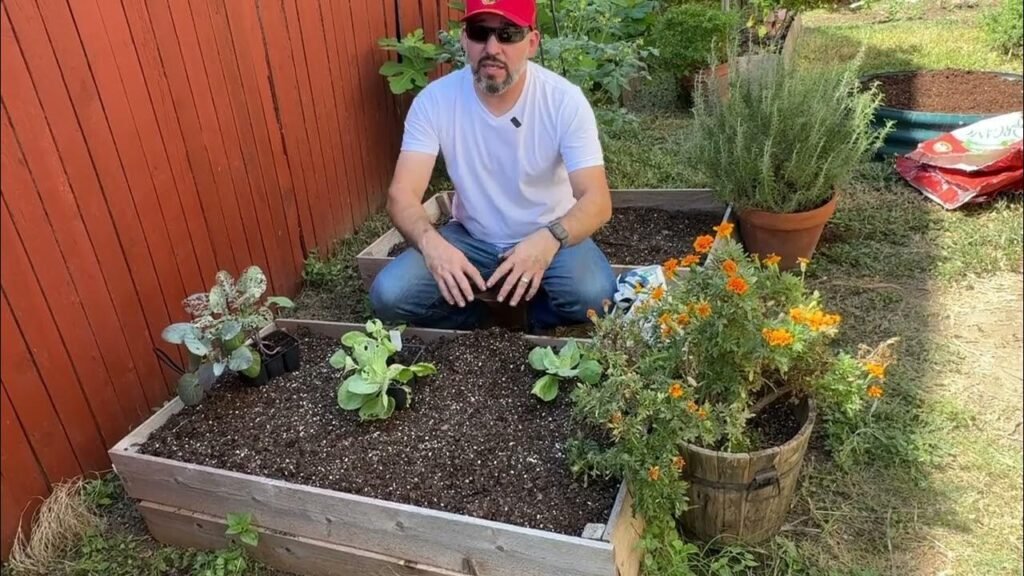
Proper planning ensures a productive fall harvest:
a. Timing
- Determine first expected frost dates in your region.
- Sow seeds or transplant seedlings 6–10 weeks before frost to allow sufficient growth.
b. Sunlight
- Select garden areas that receive at least 4–6 hours of sunlight daily.
- Southern exposures or spots with reflected light from walls are ideal.
c. Space Management
- Use raised beds, containers, or vertical structures to maximize productivity in limited spaces.
- Companion planting with compatible crops improves space efficiency and pest management.
3. Soil Preparation for Fall Crops
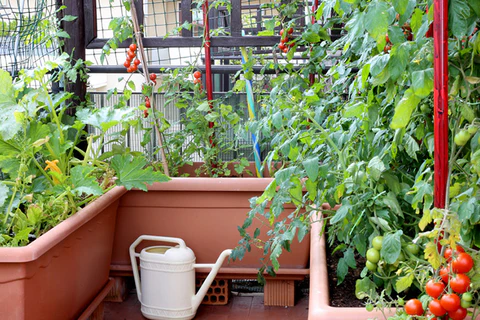
Healthy soil is the foundation of productive fall gardens:
a. Soil Enrichment
- Incorporate compost, green manures, and shredded leaves to increase fertility.
- Organic amendments provide slow-release nutrients for steady crop growth.
b. Soil Structure
- Ensure well-draining soil to prevent root rot in cooler, wetter conditions.
- Lightly loosen soil to improve aeration and root penetration.
c. Mulching
- Apply straw, dried leaves, or leaf mold around crops to conserve moisture, moderate soil temperature, and suppress weeds.
4. Leafy Greens
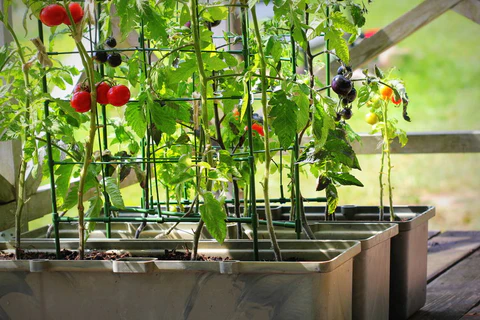
Leafy greens are ideal fall crops due to their cold tolerance and rapid growth:
- Spinach: Thrives in cooler temperatures and can tolerate light frosts.
- Lettuce: Prefers cooler weather; harvest progressively to maintain continuous supply.
- Kale: Cold-hardy and rich in vitamins A, C, and K; flavor improves after a frost.
- Arugula: Quick-growing, peppery leaves suitable for salads.
These greens can be direct-sown or started indoors, ensuring a steady harvest throughout fall.
5. Cruciferous Vegetables
Cruciferous crops flourish in cooler fall conditions:
- Broccoli: Requires moderate sunlight and fertile, well-drained soil.
- Cauliflower: Cold-tolerant; protect young heads with plant-based mulch.
- Cabbage: Hardy and long-lasting; compact varieties fit well in small kitchen gardens.
- Brussels Sprouts: Slow-growing but highly frost-tolerant, producing tender sprouts.
These crops are nutrient-dense and store well for winter use.
6. Root Vegetables
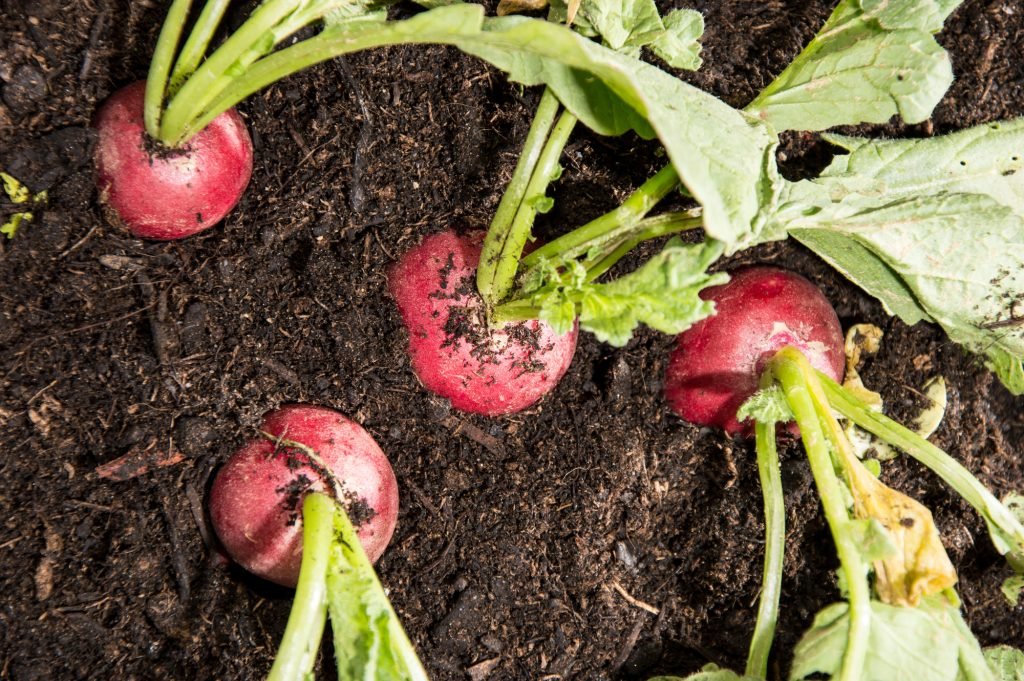
Root crops benefit from fall planting due to slower growth rates in cooler weather:
- Carrots: Sow in loose, sandy soil; mulching ensures straight, tender roots.
- Beets: Thrive in cooler temperatures and provide both roots and leafy greens.
- Radishes: Quick-maturing; can be interplanted with slower-growing crops.
- Turnips and Parsnips: Cold-hardy and sweeten after exposure to light frost.
Root vegetables are ideal for succession planting, filling gaps between other fall crops.
7. Herbs Suitable for Fall
Certain herbs tolerate cooler temperatures and thrive in kitchen gardens:
- Parsley: Cold-tolerant perennial; provides fresh leaves throughout fall.
- Cilantro: Prefers cooler conditions and bolts slowly in mild frost.
- Thyme: Hardy and evergreen; ideal for culinary use.
- Chives: Perennial herb that survives frost with minimal protection.
These herbs enhance the flavor of fall dishes and provide continuous harvest.
8. Companion Planting for Fall Crops
Companion planting maximizes yield and reduces pest problems:
- Lettuce and Radishes: Quick-growing radishes provide shade to slower-growing lettuce.
- Cabbage and Herbs: Plant herbs like mint or thyme nearby to repel pests naturally.
- Spinach and Brassicas: Leafy greens utilize available space while brassicas mature.
Strategic combinations improve space efficiency and support ecological balance in small gardens.
9. Watering and Maintenance
Cooler fall weather reduces water requirements but consistent moisture remains critical:
- Watering Schedule: Water early in the day to prevent fungal growth.
- Mulch Maintenance: Keep mulch in place to retain soil moisture and moderate temperatures.
- Pest Monitoring: Inspect for aphids, slugs, or caterpillars; remove affected leaves manually or use plant-based sprays such as neem or garlic extract.
- Succession Planting: Sow new seeds every 2–3 weeks to maintain continuous harvest.
10. Protection Against Early Frost
Although fall crops are cold-tolerant, early frost may damage tender seedlings:
- Row Covers or Frost Cloths: Lightweight fabrics protect plants from freezing temperatures.
- Raised Beds: Improve drainage and soil warmth, reducing frost stress.
- Mulching: Adds insulation for roots and moderates soil temperature fluctuations.
- Indoor Start: For particularly tender crops, start seeds indoors before transplanting outdoors.
These simple measures reduce frost damage and ensure harvest continuity.
11. Succession Planting and Continuous Harvest
To maximize fall kitchen garden productivity:
- Stagger Planting: Sow crops in intervals to ensure overlapping harvest periods.
- Fast-Maturing Varieties: Radishes, arugula, and leafy greens provide early returns.
- Intercropping: Combine slow-growing crops like broccoli with quick-growing leafy greens to optimize space and yield.
Continuous planting ensures a steady supply of fresh produce for the kitchen through the fall season.
12. Nutritional and Culinary Benefits
Fall crops offer high nutritional value:
- Leafy Greens: Rich in vitamins A, C, K, and antioxidants.
- Root Vegetables: Provide fiber, potassium, and complex carbohydrates.
- Cruciferous Vegetables: Contain glucosinolates, supporting immune health.
- Herbs: Add flavor, vitamins, and antioxidants to fall dishes.
A fall kitchen garden enhances both health and culinary variety while supporting sustainable eating practices.
13. Sustainability Practices in Fall Gardening
Maintaining eco-friendly practices ensures a resilient garden:
- Organic Fertilization: Use compost, green manure, or plant-based fertilizers.
- Natural Pest Management: Employ companion planting and botanical sprays rather than synthetic pesticides.
- Soil Conservation: Mulch and cover crops preserve soil structure and fertility.
- Water Efficiency: Collect rainwater and use drip irrigation or targeted watering to conserve resources.
Sustainable fall gardening practices improve soil health, enhance biodiversity, and reduce the environmental footprint.
Conclusion
Fall crops are ideal for kitchen gardens, offering an extended harvest, nutritional benefits, and a sustainable gardening experience. Leafy greens, cruciferous vegetables, root crops, and hardy herbs thrive in cooler temperatures, while companion planting and succession strategies maximize productivity in small spaces.
By preparing soil with organic amendments, employing frost protection measures, and monitoring water and pest needs, gardeners can maintain a continuous supply of fresh, chemical-free produce. Fall kitchen gardens not only enrich diets with seasonal, nutrient-dense foods but also foster sustainable gardening practices that support biodiversity and environmental stewardship.
With careful planning, organic care, and timely interventions, gardeners can enjoy a productive, vibrant kitchen garden well into the autumn months, providing fresh ingredients for the table and ensuring year-round engagement with their gardens.