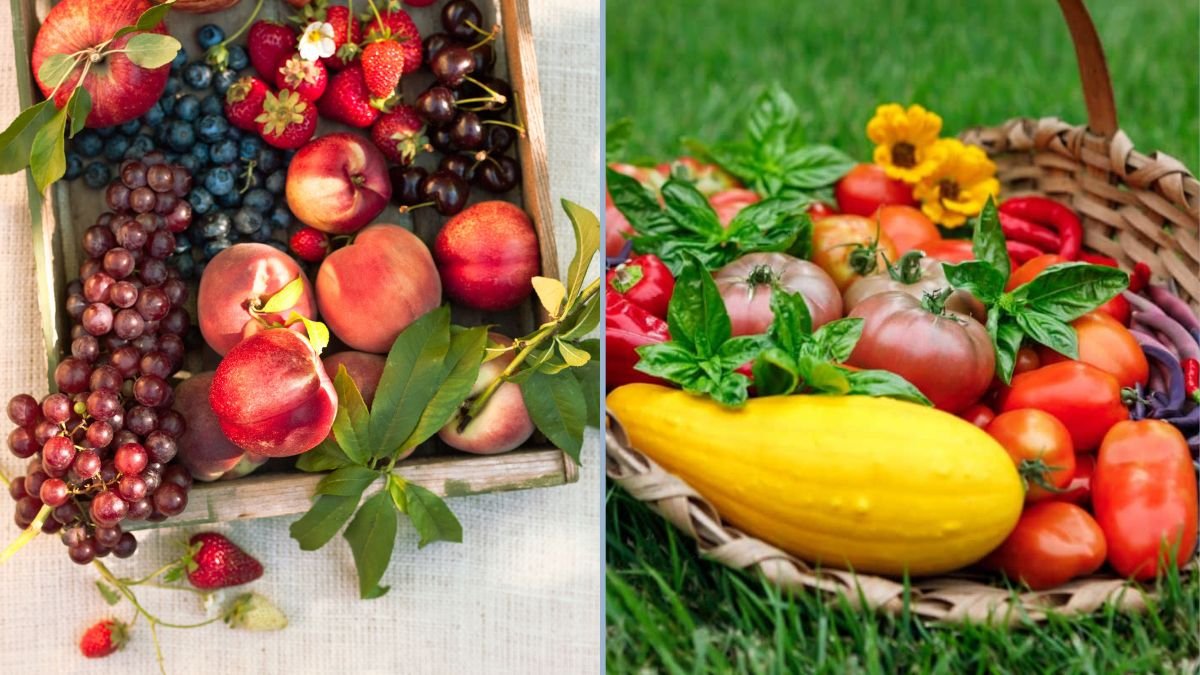
Summer heat presents unique challenges to gardeners and farmers alike. High temperatures, intense sunlight, and reduced soil moisture can stress plants, reduce flowering, and lower fruit yields. Selecting heat-tolerant fruit species and employing appropriate cultivation practices is crucial for maintaining productivity during summer months.
Planting the right fruits in hot conditions ensures continuous harvests, maximizes water-use efficiency, and supports sustainable, chemical-free gardening. This article explores the best fruits for summer planting, along with cultivation strategies, soil management, and care practices to thrive under high-temperature conditions.
1. Understanding Heat-Tolerant Fruit Characteristics
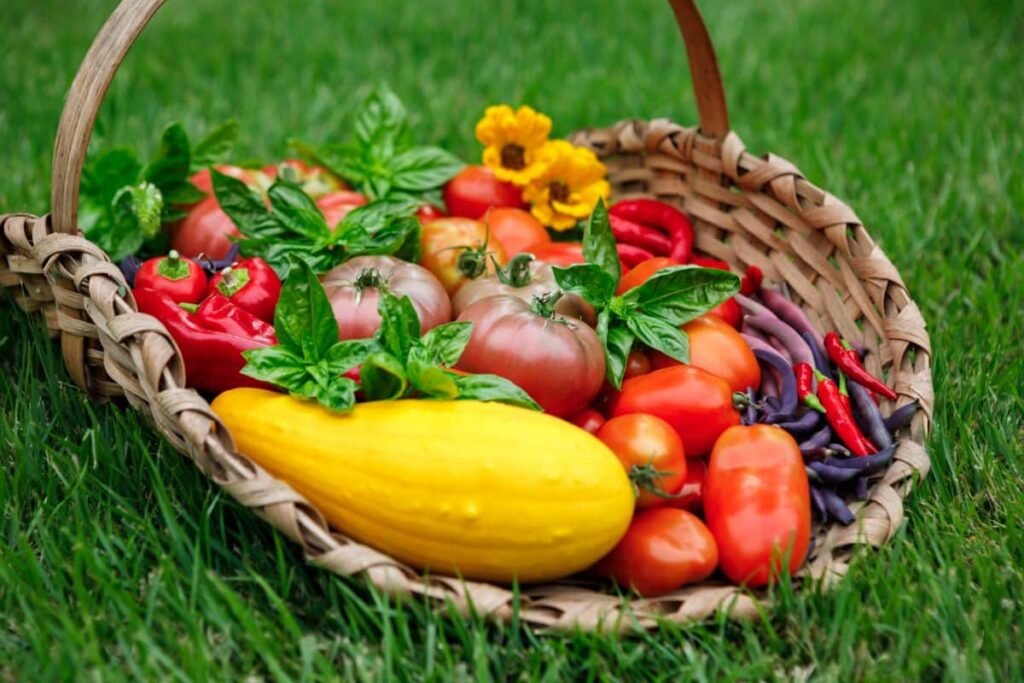
Fruits suitable for summer planting typically exhibit the following traits:
- Drought Tolerance: Ability to survive prolonged periods of limited water.
- Sun Adaptation: Capacity to tolerate high light intensity without leaf burn.
- High-Temperature Fruit Set: Capability to flower and set fruit even under extreme heat.
- Efficient Root Systems: Deep or extensive roots that access soil moisture effectively.
Understanding these traits helps in selecting species that require minimal intervention while producing abundant, nutritious fruit.
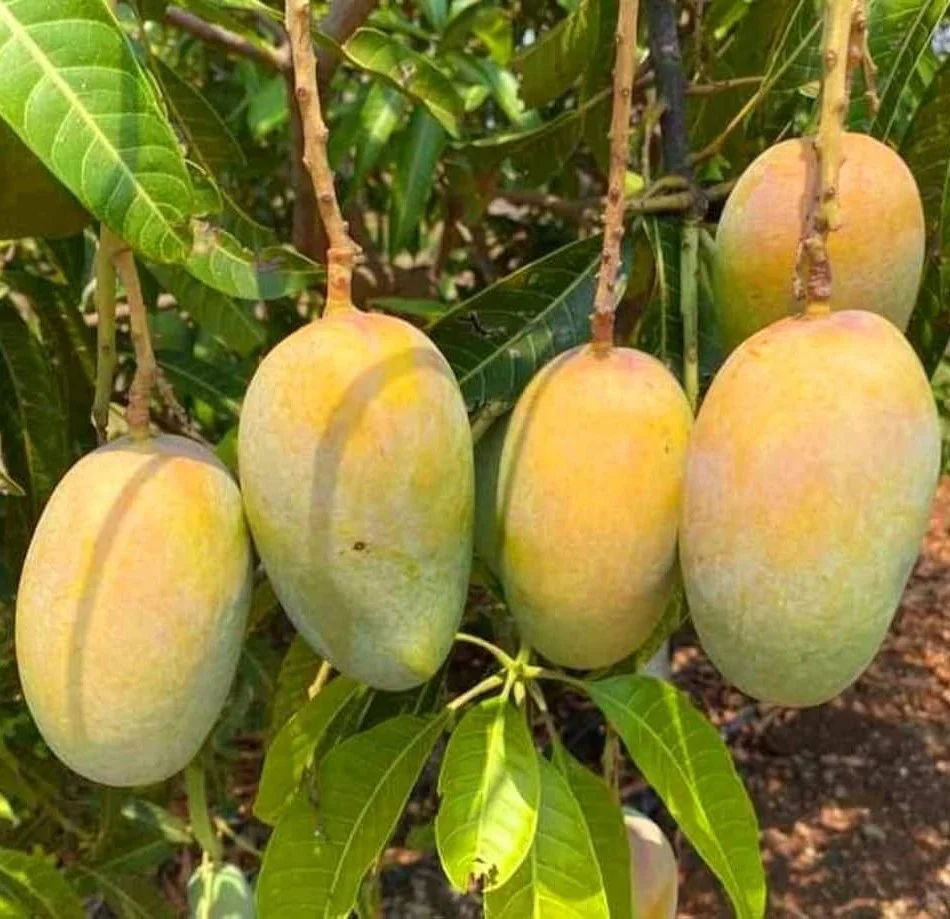
2. Mango (Mangifera indica)
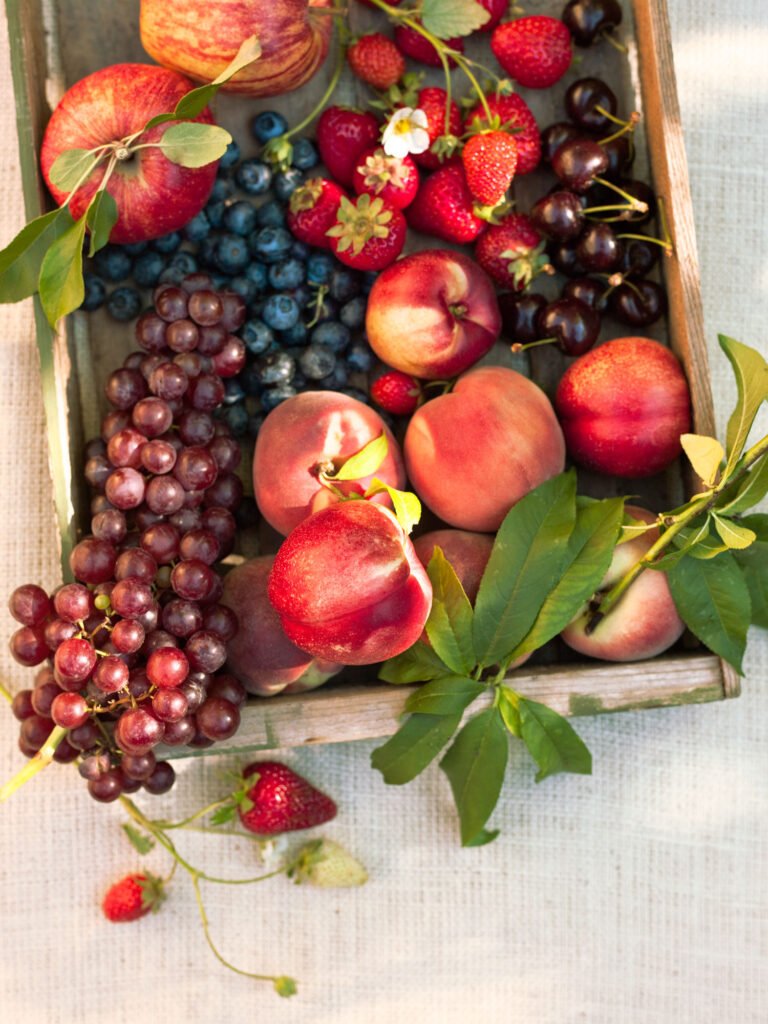
Mango is one of the most iconic heat-tolerant fruits:
- Climate Adaptation: Thrives in temperatures between 24–35°C (75–95°F).
- Sun Requirements: Requires full sun for optimum flowering and fruiting.
- Soil Needs: Well-draining, slightly acidic to neutral soils.
- Care Tips: Apply organic mulch to conserve soil moisture and reduce root temperature. Compost or plant-based fertilizers enhance flowering and fruit quality.
Mango trees are ideal for summer cultivation in tropical and subtropical regions, producing high-yielding, nutrient-rich fruits.
3. Guava (Psidium guajava)
Guava is another robust fruit for summer heat:
- Temperature Tolerance: Performs well in hot, dry conditions up to 40°C (104°F).
- Sunlight: Requires full sun for fruit development.
- Watering: Moderate watering; excessive moisture can affect fruit quality.
- Soil Adaptability: Thrives in sandy loam or well-draining soil.
- Benefits: Nutrient-dense fruit rich in vitamin C and antioxidants.
Guava’s heat resilience and adaptability make it a reliable choice for summer planting.
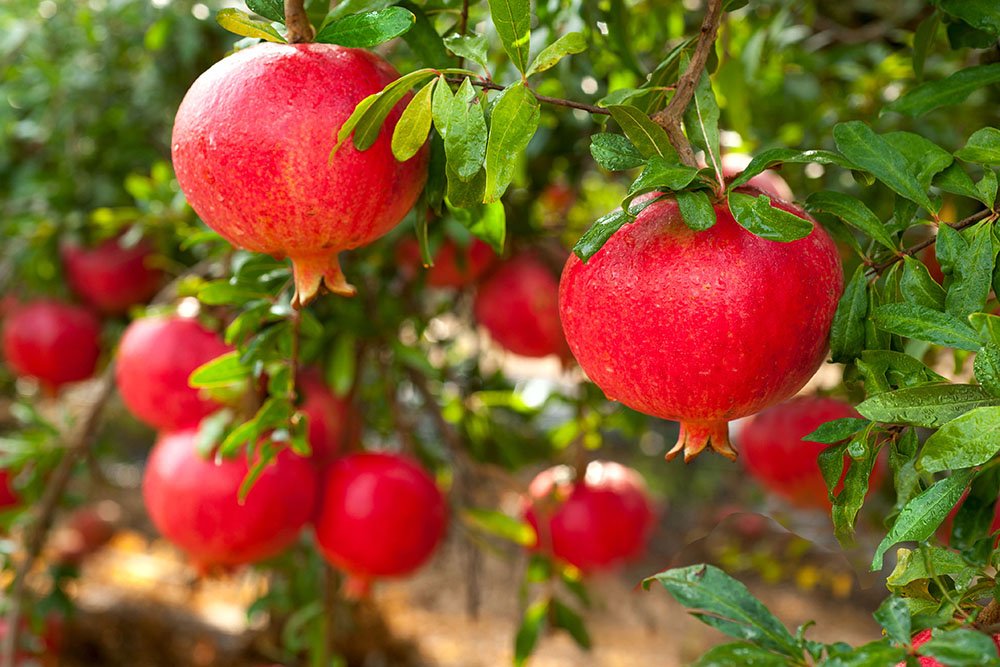
4. Pomegranate (Punica granatum)
Pomegranate is exceptionally suited for arid and hot environments:
- Heat Tolerance: Performs well in temperatures exceeding 35°C (95°F).
- Sunlight Needs: Full sun exposure is essential for flowering and fruiting.
- Drought Resistance: Survives prolonged dry periods once established.
- Soil Requirements: Well-drained sandy or loamy soils; avoid waterlogged conditions.
- Care Practices: Organic mulch helps conserve soil moisture; regular compost improves nutrient availability.
Pomegranate’s resilience to heat and low water requirements make it ideal for summer fruit cultivation in dry regions.
5. Papaya (Carica papaya)
Papaya thrives in tropical summer climates:
- Temperature Range: Optimal growth at 25–35°C (77–95°F).
- Sunlight: Requires full sun for maximum fruit production.
- Watering: Regular watering is needed during fruit development; avoid waterlogging.
- Soil Needs: Loose, fertile, well-draining soil with high organic matter.
- Advantages: Rapid growth and early fruiting; rich in vitamins A, C, and digestive enzymes.
Papaya is suitable for small gardens and container cultivation, making it ideal for urban summer planting.
6. Banana (Musa spp.)
Bananas are well-adapted to summer heat with proper care:
- Temperature Tolerance: Thrives in 26–32°C (79–90°F) with high humidity.
- Sun Requirements: Full sun exposure improves fruit yield.
- Watering: Requires consistent soil moisture; mulch retains water.
- Soil Preference: Well-drained loamy soils enriched with organic matter.
- Considerations: Provide wind protection for young plants; prune dead leaves to reduce stress.
Bananas produce a continuous yield under summer conditions and can be grown in home gardens or small orchards.
7. Fig (Ficus carica)
Figs are hardy fruits for hot climates:
- Heat Tolerance: Can withstand temperatures above 35°C (95°F).
- Sunlight: Requires full sun for fruit set and sweetness.
- Watering: Moderate; drought tolerance improves flavor concentration.
- Soil Needs: Well-draining soil; avoid heavy clay that retains water.
- Care Practices: Mulch to protect roots and apply plant-based compost for nutrient support.
Figs are low-maintenance, making them ideal for gardeners seeking summer-hardy fruit crops.
8. Cultivation Strategies for Summer Heat
Even heat-tolerant fruits benefit from strategic care practices:
a. Mulching
- Organic mulches (straw, dried leaves, coconut husk) retain soil moisture, regulate temperature, and suppress weeds.
b. Water Management
- Deep watering early in the morning encourages root penetration.
- Avoid frequent shallow watering, which can promote weak root systems.
c. Shade Management
- Use temporary shade nets for young seedlings or tender fruits during peak afternoon sun.
- Gradually acclimate seedlings to full sun for heat-hardiness.
d. Organic Fertilization
- Apply compost, green manures, or plant-based liquid fertilizers to maintain soil fertility.
- Nutrient-rich soils improve plant resilience to heat stress and enhance fruit quality.
9. Pest and Disease Management in Summer
Summer heat can favor certain pests and diseases:
- Preventive Measures: Maintain good airflow around plants and prune dense foliage.
- Botanical Sprays: Neem oil, garlic extract, and mild soap solutions prevent insect attacks.
- Regular Monitoring: Inspect for aphids, mealybugs, and fungal infections; remove affected leaves promptly.
- Companion Planting: Herbs such as basil, mint, and marigold repel pests naturally.
Heat-tolerant fruits combined with plant-based pest management ensure sustainable production during summer.
10. Small-Space Summer Planting Tips
Even in limited areas, summer fruits can thrive:
- Container Gardening: Mango, papaya, dwarf banana, and guava can be grown in large pots.
- Vertical Structures: Use trellises for climbing varieties or dwarf plants to optimize space.
- Succession Planting: Stagger planting dates for continuous harvests.
- Microclimate Management: Position containers where they receive morning sun but some afternoon shade to reduce heat stress.
Optimizing container size, soil quality, and watering routines allows gardeners to enjoy fresh fruits even in urban summer settings.
11. Benefits of Planting Heat-Tolerant Fruits
- Nutritional Value: Fresh summer fruits are rich in vitamins, antioxidants, and dietary fiber.
- Environmental Sustainability: Heat-tolerant crops require less water and support organic gardening practices.
- Year-Round Food Supply: Selecting suitable fruits ensures continuous harvests even under extreme temperatures.
- Urban Greening: Summer fruit trees and shrubs enhance air quality, provide shade, and contribute to aesthetic appeal.
- Self-Reliance: Home cultivation reduces dependence on commercially grown, chemically treated fruits.
Conclusion
Planting heat-tolerant fruits during summer ensures a reliable supply of nutritious, chemical-free produce. Mango, guava, pomegranate, papaya, banana, and fig are among the best options for enduring high temperatures, intense sunlight, and limited water conditions.
Success in summer fruit cultivation relies not only on species selection but also on careful soil management, organic fertilization, mulching, water conservation, and plant-based pest control. Even small spaces can yield productive fruit gardens through containers, vertical structures, and microclimate adjustments.
By combining heat-adapted fruit species with sustainable cultivation practices, gardeners and farmers can maximize productivity, maintain soil health, and enjoy fresh, homegrown fruits throughout the hottest months of the year. This approach promotes environmental stewardship, personal well-being, and a continuous harvest of nutrient-rich produce, even under challenging summer conditions.