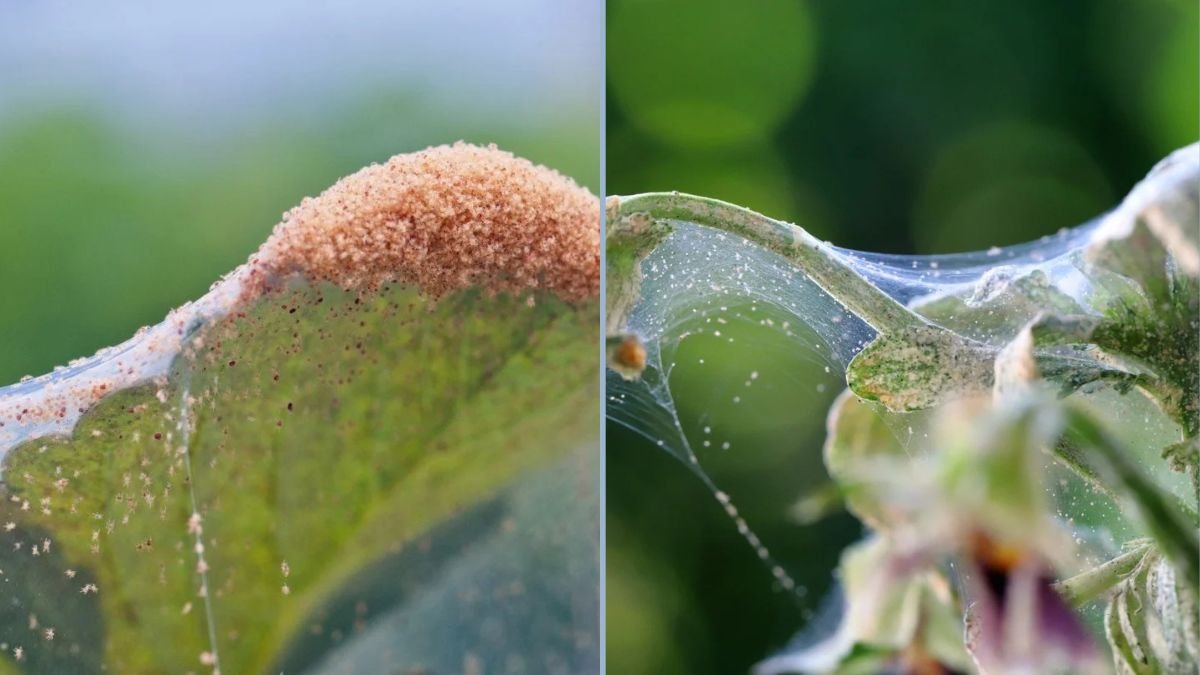
Indoor greens, including lettuce, spinach, kale, arugula, and herbs like basil and parsley, are popular for their nutritional value and convenience. However, these plants are vulnerable to pests, and one of the most common and destructive is the spider mite. Spider mites are microscopic arachnids that feed on plant sap, causing yellowing, speckling, and eventual leaf drop. Their rapid reproduction, especially in warm, dry conditions, can lead to severe infestations if not addressed promptly.
Preventing spider mites in indoor greens requires a combination of proper environmental management, cultural practices, monitoring, and natural preventive measures. This article provides a comprehensive guide to maintaining healthy, pest-free indoor greens.
Understanding Spider Mites
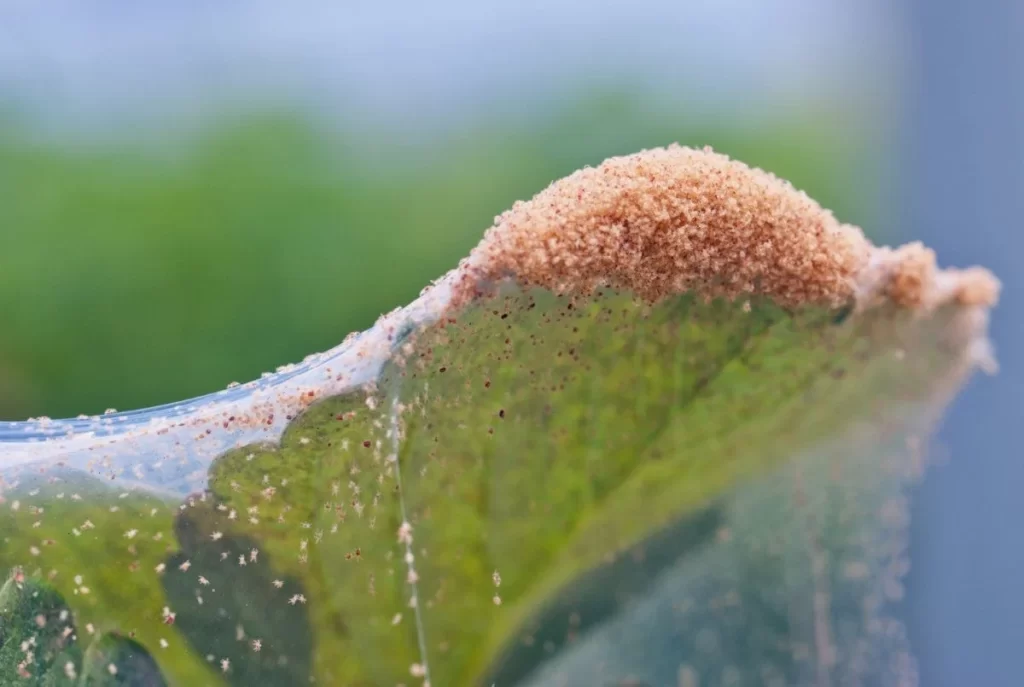
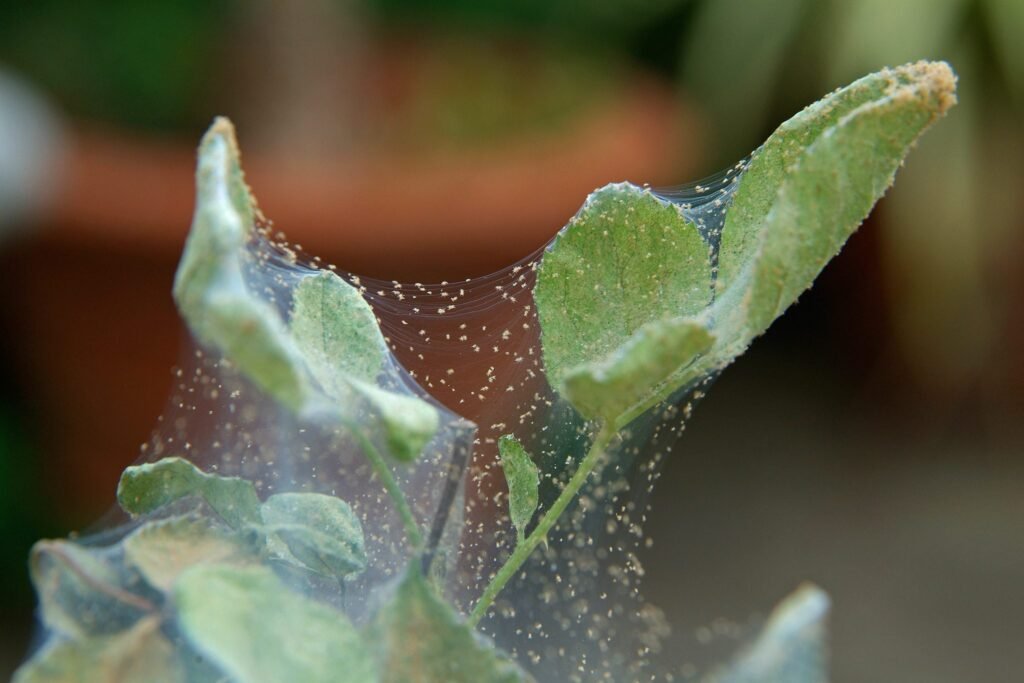
Spider mites (Tetranychidae) are tiny, often red or yellowish arachnids that thrive on the undersides of leaves. They feed by piercing plant cells and sucking out the contents, which results in:
- Chlorotic Spots: Tiny yellow or white speckles on leaves.
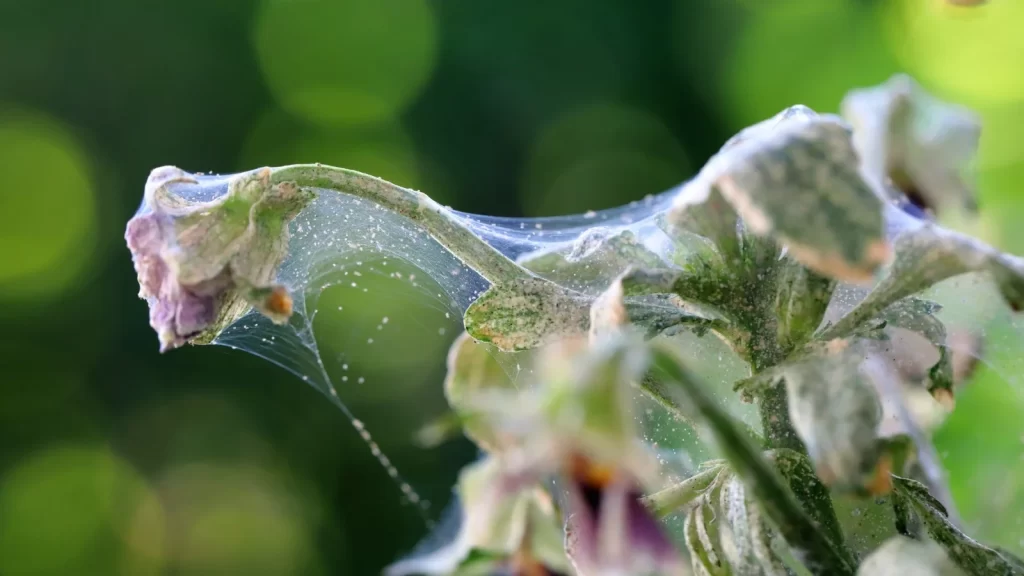
- Webbing: Fine silk threads produced by high-density populations.
- Leaf Drop: Severe feeding can cause leaves to fall prematurely.
- Stunted Growth: Reduced photosynthesis affects overall plant development.
Spider mites reproduce quickly, with eggs hatching in a few days, making early prevention and monitoring critical.
Environmental Conditions That Promote Spider Mites
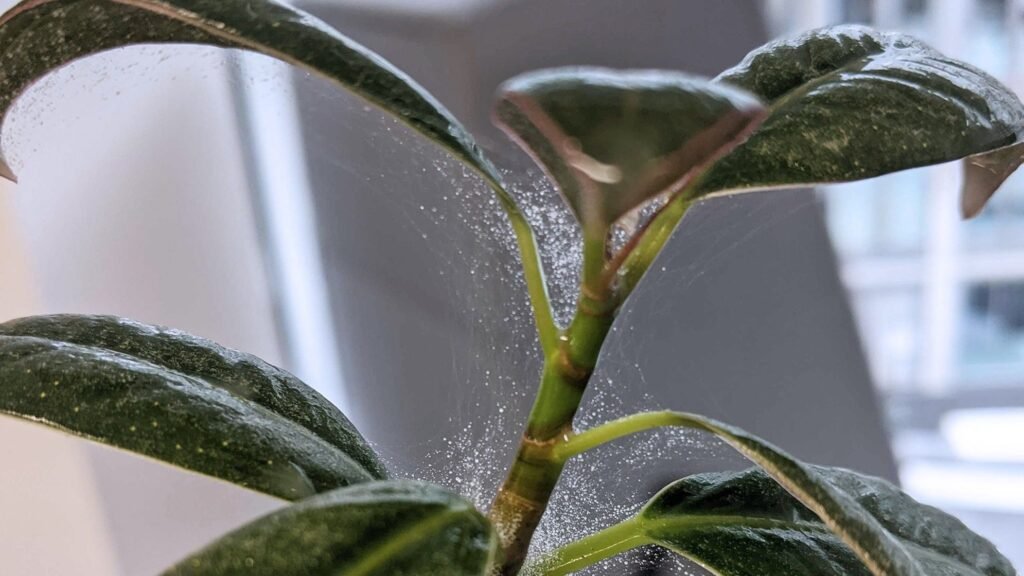
Spider mites thrive in certain indoor environments:
- Low Humidity: Dry conditions accelerate their development and reproduction.
- Warm Temperatures: Indoor temperatures above 25°C (77°F) favor rapid population growth.
- Stagnant Air: Poor ventilation reduces natural dispersal and allows populations to accumulate.
- Stressful Growing Conditions: Overcrowding, inconsistent watering, and nutrient deficiencies weaken plants, making them more susceptible.
Adjusting these environmental factors is the first line of defense against infestations.
Early Signs of Spider Mite Infestation
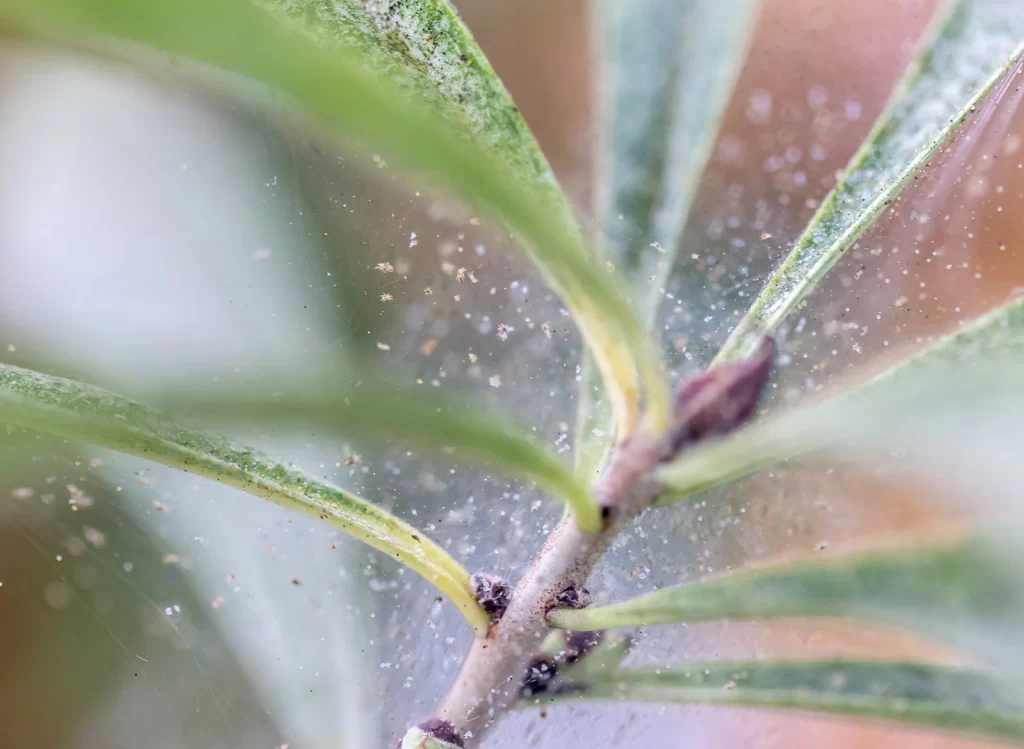
Recognizing spider mites early is essential for effective prevention:
- Yellow Speckling on Leaves: Tiny spots appear where mites feed.
- Silken Webs: Fine threads on leaf surfaces or stems indicate high-density infestations.
- Leaf Curling or Browning: Advanced feeding causes leaf distortion and tissue death.
- Visible Mites: Using a magnifying glass, tiny moving dots can often be seen on leaf undersides.
Regular inspection, particularly of young leaves and undersides, is crucial for early intervention.
Preventive Strategies for Spider Mites
Preventing spider mites in indoor greens involves creating an unfavorable environment for their growth, maintaining plant health, and using natural deterrents.
1. Environmental Control
- Maintain Humidity: Spider mites thrive in dry conditions. Increase indoor humidity using a humidifier, misting plants, or placing trays of water near plants.
- Temperature Management: Avoid excessively warm indoor conditions; moderate temperatures slow mite reproduction.
- Improve Air Circulation: Fans or open windows reduce stagnant air, making it harder for mites to establish colonies.
2. Watering and Plant Health
- Consistent Moisture: Ensure soil remains evenly moist but not waterlogged.
- Regular Pruning: Remove old or damaged leaves to reduce mite habitat.
- Balanced Fertilization: Adequate nutrients strengthen plant defenses, reducing susceptibility.
Healthy plants are naturally more resistant to pests, including spider mites.
3. Sanitation and Hygiene
- Clean Pots and Tools: Sterilize containers and gardening tools before use.
- Remove Debris: Fallen leaves and plant residues can harbor pests.
- Quarantine New Plants: Inspect new additions for mites before introducing them to indoor greens.
4. Physical Controls
- Leaf Washing: Spray plants with a gentle stream of water to dislodge mites. Focus on the undersides of leaves.
- Sticky Barriers: Place sticky traps nearby to catch adult mites that disperse by walking.
- Isolation: Separate infested plants immediately to prevent spread to healthy greens.
5. Companion Plants and Natural Repellents
Certain companion plants can naturally deter spider mites through chemical cues or by attracting beneficial insects:
- Basil and Mint: Aromatic oils repel mites and improve overall plant resilience.
- Marigolds: Emit compounds that discourage many pests, including spider mites.
- Garlic and Chives: Their strong scent masks plant signals that attract mites.
6. Natural Sprays and Treatments
For early infestations or preventive measures, plant-based sprays are highly effective:
- Neem Oil: Disrupts feeding and reproduction of spider mites. Apply every 7–10 days.
- Insecticidal Soap: Mild soap sprays suffocate mites on contact without harming plants.
- Garlic or Chili Spray: Infusions deter mites while being safe for edible greens.
- Water-Based Sprays: Regular misting washes off mites and reduces dry conditions they prefer.
All treatments should focus on leaf undersides, where spider mites typically reside.
7. Beneficial Insects
Although indoor environments may limit predator populations, beneficial insects can be introduced in larger indoor setups or greenhouses:
- Predatory Mites (Phytoseiulus persimilis): Feed exclusively on spider mites, reducing populations naturally.
- Ladybugs and Lacewings: Consume mite eggs and other soft-bodied insects.
Encouraging natural predators is an effective biological control method in integrated pest management.
8. Regular Monitoring
- Inspect plants at least weekly, particularly undersides of leaves and new growth.
- Keep records of infestations to detect trends and apply preventive strategies proactively.
- Early detection allows small populations to be controlled before they cause significant damage.
Integrating Multiple Strategies
The most effective prevention combines environmental, cultural, and natural interventions:
- Maintain humidity, moderate temperatures, and good airflow.
- Practice consistent watering and plant health management.
- Ensure sanitation and quarantine new plants.
- Use companion plants and natural sprays proactively.
- Introduce beneficial predators where feasible.
- Monitor regularly for early signs of infestation.
This integrated approach provides multiple layers of protection against spider mites, reducing the risk of widespread damage.
Benefits of Preventing Spider Mites Naturally
- Safe for Edible Plants: Avoids chemical residues on leafy greens.
- Environmentally Friendly: Reduces indoor pollution and supports beneficial insects.
- Cost-Effective: Uses common household remedies and plant-based oils.
- Sustainable: Promotes long-term plant health and ecosystem balance.
- Maintains Productivity: Healthy, pest-free greens yield higher-quality leaves for consumption.
Case Examples
- Indoor Lettuce and Basil: Interplanting basil around lettuce beds reduced whitefly and spider mite activity in urban gardens.
- Spinach in High-Humidity Greenhouses: Using misting systems and neem sprays prevented spider mite infestations while promoting robust growth.
- Kale with Marigold Border: Marigolds provided a natural repellent barrier, minimizing pest attacks without chemical interventions.
These examples demonstrate that combining companion planting, environmental control, and natural sprays is highly effective in preventing spider mites.
Conclusion
Spider mites are a persistent threat to indoor greens, capable of causing significant damage if left unchecked. However, their presence can be effectively prevented through natural, plant-based strategies. By managing environmental conditions, maintaining plant health, practicing good sanitation, using companion plants, applying natural sprays, and encouraging beneficial predators, indoor greens can thrive without chemical pesticides.
An integrated approach to spider mite prevention not only protects plant health but also ensures safe, nutritious, and sustainable indoor gardening. By implementing these strategies, gardeners can enjoy vibrant, productive greens year-round while maintaining a chemical-free and environmentally conscious growing space.