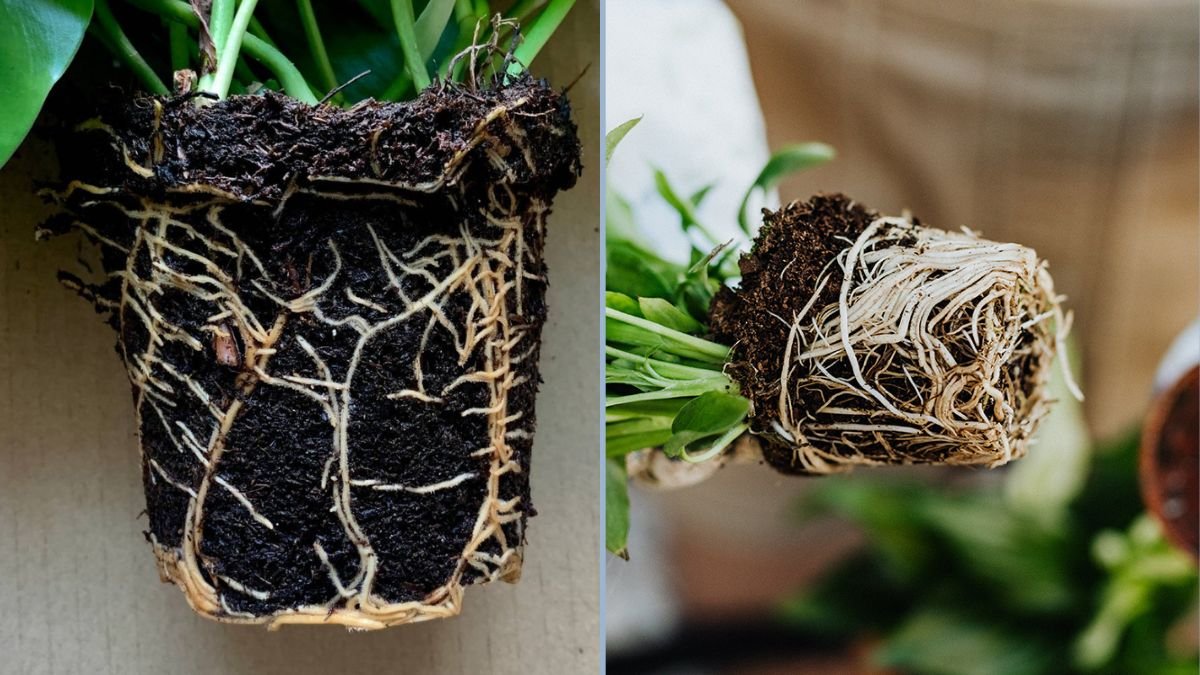
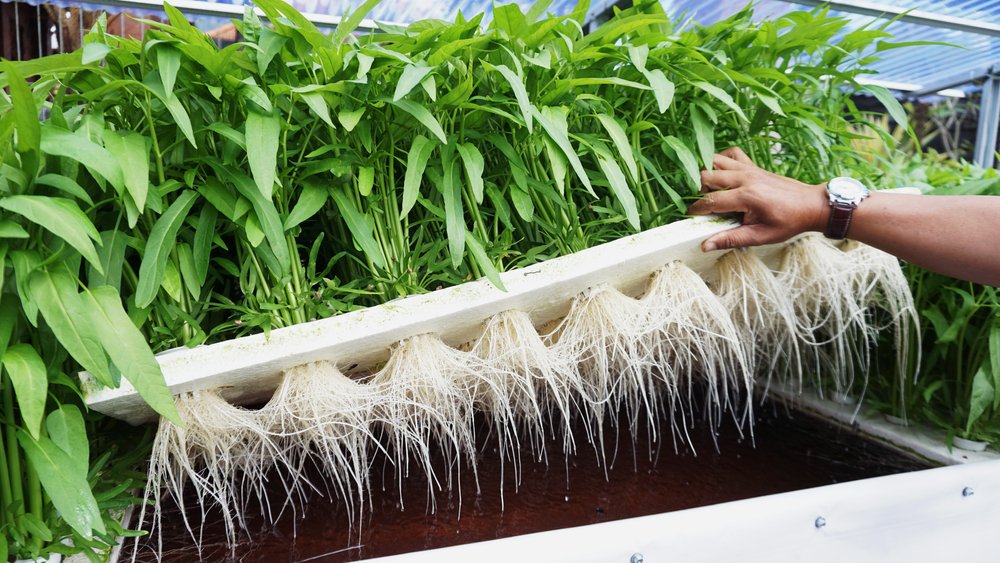
Healthy roots are the foundation of vigorous plant growth, nutrient uptake, and overall crop productivity. Strong root systems support water absorption, anchorage, and resilience against environmental stress. Poor root development, on the other hand, can lead to stunted growth, reduced yields, and increased susceptibility to pests and diseases. In modern agriculture and home gardening, promoting root health organically—without chemical fertilizers or synthetic growth regulators—ensures sustainable plant development, preserves soil ecology, and produces nutrient-rich crops.
This article provides a comprehensive overview of organic methods for promoting healthy root growth, the underlying principles, and practical applications for gardeners and farmers.
Importance of Healthy Roots
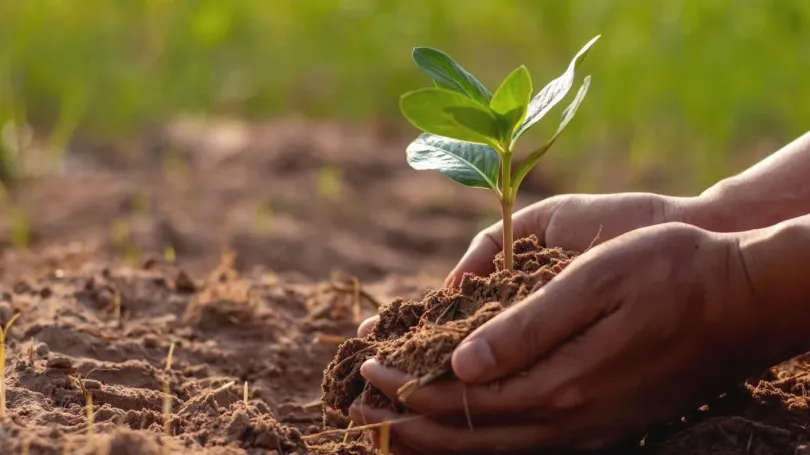
Roots perform essential functions that determine the vitality of a plant:
- Nutrient Absorption: Roots take up water and minerals, which are critical for photosynthesis, growth, and fruiting.
- Anchorage: Strong root systems stabilize plants, enabling them to withstand wind, rain, and mechanical stress.
- Storage: Roots store carbohydrates and other nutrients that support plant metabolism during adverse conditions.
- Symbiotic Relationships: Healthy roots foster interactions with beneficial microorganisms, such as mycorrhizal fungi and nitrogen-fixing bacteria.
Maintaining root health is fundamental for long-term plant performance and soil sustainability.
Factors Affecting Root Development
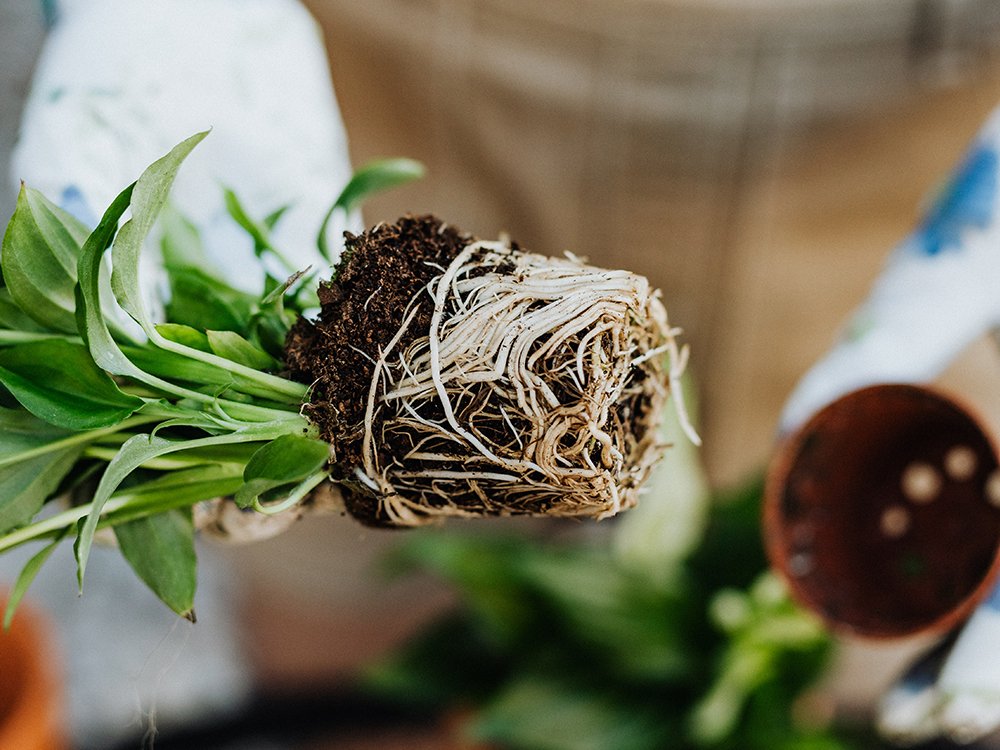
Several environmental and cultural factors influence root growth:
- Soil Structure: Compacted soil limits root penetration and aeration.
- Soil pH: Extreme acidity or alkalinity impairs nutrient availability and microbial activity.
- Moisture Levels: Overwatering or drought stress reduces root function and development.
- Nutrient Availability: Deficiency or imbalance of essential elements like phosphorus, potassium, and micronutrients affects root proliferation.
- Temperature: Soil that is too cold or too hot can slow root growth.
- Pest and Disease Pressure: Root-feeding insects and soil-borne pathogens weaken root systems.
Addressing these factors organically encourages robust root growth without chemical intervention.
Organic Methods to Promote Healthy Root Development
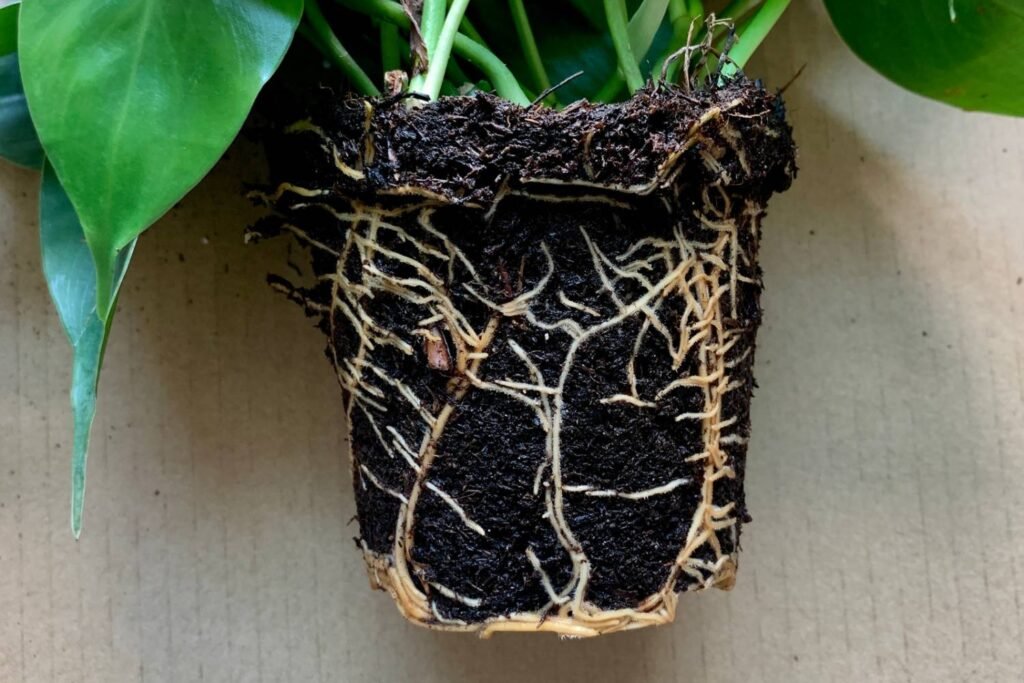
1. Use of Organic Fertilizers and Amendments
Organic fertilizers supply nutrients slowly and improve soil structure:
- Compost: Rich in humus, compost enhances soil aeration, water retention, and microbial activity.
- Vermicompost: Worm castings provide essential nutrients and beneficial microbes that stimulate root growth.
- Manure: Well-rotted farmyard manure adds nutrients and organic matter, supporting strong root development.
- Bone Meal and Rock Phosphate: Provide phosphorus, which is critical for root initiation and elongation.
- Seaweed Extracts: Supply trace elements and growth-promoting hormones such as cytokinins and auxins.
These amendments improve nutrient availability while maintaining ecological balance.
2. Soil Conditioning and Structure Improvement
Healthy roots require loose, well-aerated soil:
- Loosening Compacted Soil: Tilling or using raised beds reduces compaction and promotes root penetration.
- Mulching: Organic mulches like straw, leaves, or coconut husks retain moisture, moderate temperature, and add organic matter as they decompose.
- Cover Crops: Legumes and grasses protect soil from erosion, add organic matter, and improve soil porosity for root growth.
3. Mycorrhizal Fungi and Beneficial Microorganisms
Symbiotic relationships with microbes enhance root development:
- Mycorrhizal Fungi: Form associations with plant roots, increasing surface area for nutrient and water uptake.
- Trichoderma spp.: Promote root growth and suppress pathogenic fungi.
- Rhizobacteria (PGPR – Plant Growth-Promoting Rhizobacteria): Stimulate root elongation and improve plant resilience.
Inoculating seedlings or soil with beneficial microbes naturally enhances root development and plant health.
4. Organic Root Stimulants

Several plant-based solutions promote root initiation and elongation:
- Aloe Vera Extract: Rich in growth hormones, enhances root formation when applied to cuttings or seedlings.
- Garlic and Ginger Extracts: Improve root health and protect against soil pathogens.
- Humic and Fulvic Acids: Extracts from decomposed plant matter that stimulate root growth and nutrient absorption.
These organic stimulants are safe, eco-friendly, and effective in small-scale and large-scale cultivation.
5. Proper Watering Practices
Root development is highly dependent on adequate soil moisture:
- Consistent Moisture: Maintain even soil moisture without waterlogging.
- Deep Watering: Encourages roots to penetrate deeper, improving drought resilience.
- Drip Irrigation: Provides water directly to the root zone, minimizing fungal issues and optimizing growth.
Avoiding shallow or erratic watering ensures the root system grows robustly.
6. Seedling and Transplant Management
Strong roots start with healthy seedlings:
- Use Healthy Seeds: Select disease-free, high-germination seeds.
- Pre-Soak Seeds: Soaking seeds in water or natural stimulants like seaweed extract improves germination and root vigor.
- Avoid Root Disturbance: When transplanting, handle seedlings gently to prevent root damage.
- Spacing: Adequate spacing allows roots to expand without competition.
7. Crop Rotation and Intercropping
Rotating crops and intercropping improves soil health and encourages root growth:
- Legume Rotation: Legumes fix nitrogen, improving fertility for subsequent crops.
- Diverse Cropping: Mixing deep-rooted and shallow-rooted crops optimizes soil structure and nutrient distribution.
- Reduced Pest Pressure: Rotating crops prevents soil-borne pests and diseases that damage roots.
8. Organic Pest and Disease Management
Protecting roots from pests and diseases is vital:
- Neem and Herbal Sprays: Deter root-feeding insects naturally.
- Beneficial Nematodes: Target harmful soil pests without harming plants.
- Clean Planting Material: Use pathogen-free seeds, seedlings, and soil.
9. Environmental and Cultural Practices
Optimal environmental conditions foster root growth:
- Temperature Management: Maintain soil temperature suitable for the crop.
- Adequate Light: Healthy shoots promote photosynthesis, fueling root growth.
- Air Circulation: Proper spacing prevents humidity build-up, reducing root diseases.
Benefits of Organic Root Development Methods
- Safe for Humans and Environment: Avoids chemical residues and maintains soil ecology.
- Sustainable: Promotes long-term fertility and soil microbial diversity.
- Improved Crop Quality: Nutrient-rich soils support vigorous root systems and healthy plants.
- Cost-Effective: Organic amendments are often locally available and low-cost.
- Enhanced Resilience: Strong roots improve drought tolerance, nutrient uptake, and pest resistance.
Case Studies and Applications
- Tomato Cultivation: Applying vermicompost and mycorrhizal fungi increased root biomass and fruit yield.
- Lettuce in Organic Greenhouses: Seaweed extract and consistent deep watering promoted uniform root development and higher leaf quality.
- Carrot Farming: Loose soil, organic mulch, and crop rotation prevented root deformities and improved taproot growth.
These cases demonstrate that organic methods are effective across a variety of crops and growing conditions.
Conclusion
Healthy root development is the cornerstone of vigorous, productive, and resilient plants. Organic methods—including compost, vermicompost, organic fertilizers, mycorrhizal inoculation, proper watering, and cultural practices—enhance root growth while preserving soil health and ecological balance. By avoiding synthetic chemicals and adopting plant-based approaches, gardeners and farmers can improve nutrient uptake, increase yields, and create sustainable cropping systems.
Promoting root health organically is not only beneficial for plant growth but also supports long-term environmental sustainability, biodiversity, and human health. Integrated use of soil amendments, beneficial microbes, natural stimulants, and proper cultural practices ensures strong, deep-rooted plants capable of thriving under diverse conditions. Healthy roots, after all, are the foundation of a thriving garden and successful agriculture.