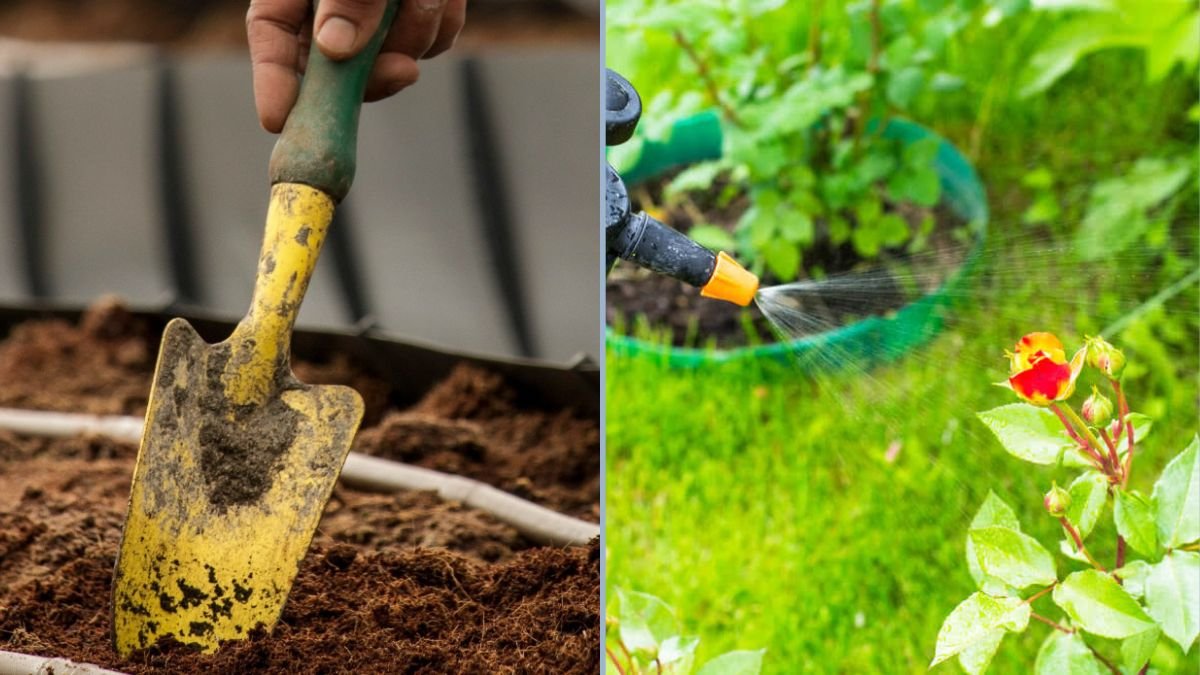
Soil pests are among the most persistent challenges faced by gardeners and farmers. They can attack roots, stems, and underground plant parts, leading to stunted growth, nutrient deficiencies, and reduced yields. While chemical pesticides are widely used to control soil pests, they often harm beneficial soil organisms, reduce soil fertility over time, and pose environmental and health risks. Natural, non-chemical approaches offer effective, sustainable alternatives for managing soil pests while maintaining soil health and ecological balance. This article explores common soil pests, their impact, and proven natural methods for prevention and control.
Understanding Soil Pests
Soil pests encompass a wide variety of organisms, including insects, nematodes, fungi, and other invertebrates that feed on plant roots and underground structures. Common soil pests include:
- Root-Knot Nematodes (Meloidogyne spp.): Microscopic worms that form galls on roots, impeding nutrient and water uptake.
- Wireworms (Larvae of Click Beetles): Feed on roots, tubers, and seeds, creating holes and tunnels.
- Root Maggots: Larvae of flies that attack seedlings and underground stems.
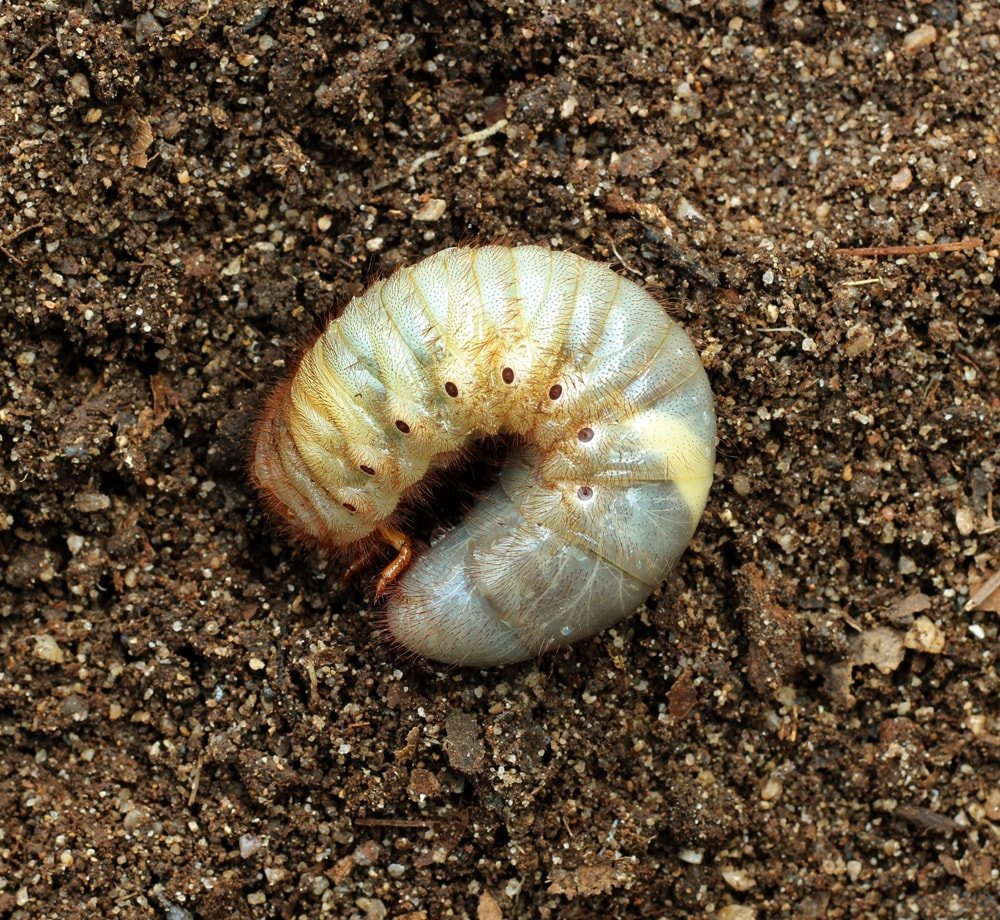
- Grubs (Larvae of Scarab Beetles): Feed on roots, weakening plants and making them prone to wilting.
- Fungal Pathogens: Soil-borne fungi like Fusarium and Pythium cause root rot and damping-off in seedlings.
Identifying the type of soil pest is critical for implementing appropriate management strategies.
Signs of Soil Pest Infestation
Early detection of soil pests allows timely intervention and prevents severe damage. Common signs include:
- Stunted or Wilting Plants: Even with adequate watering, infected plants show poor growth.
- Yellowing Leaves: Nutrient deficiencies caused by damaged roots often lead to chlorosis.
- Root Galls or Swellings: Typical of nematode infestation.
- Holes or Tunnels in Roots and Tubers: Caused by wireworms, grubs, or root maggots.
- Seedling Damping-Off: Young seedlings collapse due to fungal pathogens.
- Reduced Yield or Deformed Fruits: Chronic pest activity weakens plants and limits productivity.
Regular monitoring and examination of roots and soil are essential for early identification.
Factors That Promote Soil Pest Infestation
Several environmental and cultural factors increase susceptibility to soil pests:
- Monoculture Planting: Repeated cultivation of the same crop attracts pests that specialize in that plant.
- Poor Soil Health: Low organic matter and imbalanced nutrients reduce plant resilience.
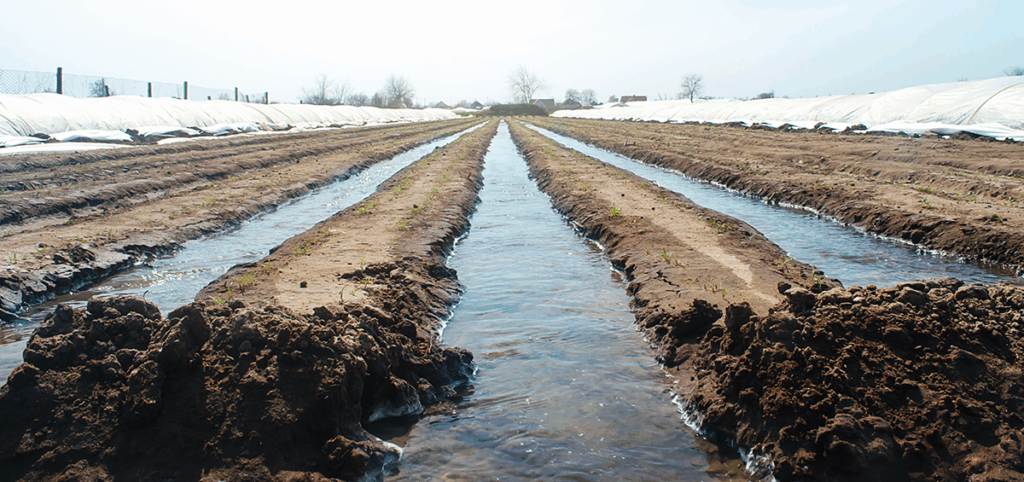
- Excess Moisture or Poor Drainage: Favors fungal pathogens and attracts root-feeding insects.
- Overcrowding: Dense planting reduces airflow, increasing humidity and pest prevalence.
- Lack of Biodiversity: Absence of natural predators allows pests to proliferate unchecked.
Adjusting these factors forms the foundation for natural soil pest management.
Natural Strategies for Managing Soil Pests
Non-chemical soil pest management relies on preventive measures, biological control, and cultural practices to reduce pest populations and protect crops.
1. Crop Rotation
Rotating crops disrupts the life cycles of soil pests:
- Planting non-host crops in successive seasons prevents pests from establishing populations.
- Legumes, cereals, and leafy vegetables can be rotated to manage nematodes and root-feeding insects.
- Rotation also improves soil fertility and balances nutrients.
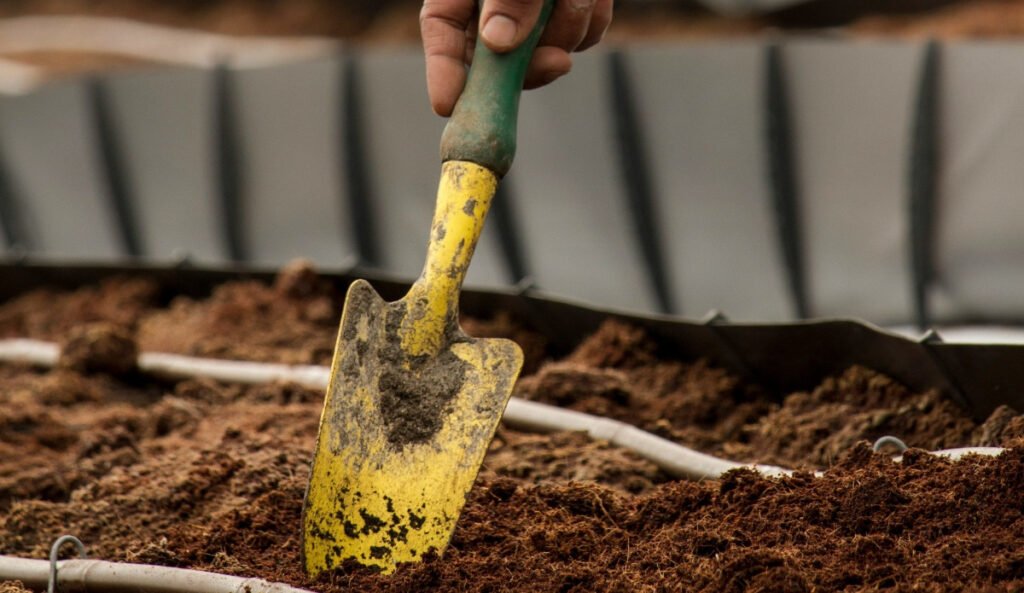
2. Organic Soil Amendments
Adding organic matter enhances soil health and suppresses pests:
- Compost: Provides beneficial microorganisms that compete with pests and pathogens.
- Manure: Improves soil structure and fertility, promoting strong root growth.
- Mulch: Organic mulch reduces soil moisture fluctuations and deters root exposure, discouraging pests.
Healthy soil encourages plants to resist pest attacks naturally.
3. Beneficial Nematodes and Microorganisms
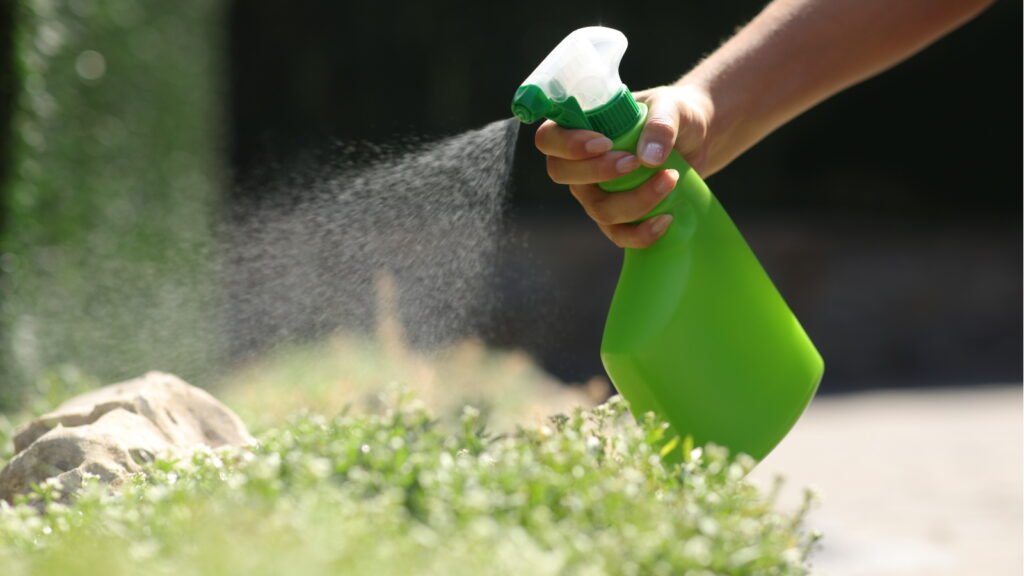
Introducing natural predators into the soil can effectively reduce pest populations:
- Beneficial Nematodes: Species like Steinernema and Heterorhabditis parasitize soil insects.
- Mycorrhizal Fungi: Form symbiotic relationships with roots, improving nutrient uptake and resistance to root pathogens.
- Bacillus subtilis and Trichoderma spp.: Soil microbes that suppress fungal pathogens and root rot.
Biological control methods are safe for humans, pets, and non-target organisms.
4. Trap Crops
Trap crops attract pests away from main crops:
- Planting susceptible species in designated areas draws root-feeding insects, preventing damage to primary crops.
- Example: Mustard can be used to attract and trap nematodes.
Trap crops reduce pest pressure without chemicals.
5. Physical Barriers and Soil Solarization
- Physical Barriers: Using fine mesh or row covers prevents pests from accessing soil around young seedlings.
- Soil Solarization: Covering moist soil with clear plastic during hot months increases soil temperature, killing pests, nematodes, and fungal spores.
These methods are environmentally friendly and highly effective in small-scale or container gardening.
6. Proper Watering and Drainage
- Avoid overwatering, which encourages fungal growth and root decay.
- Ensure adequate drainage to prevent waterlogging, which attracts soil-borne insects.
- Drip irrigation minimizes wet foliage and surface water, reducing pest-friendly conditions.
7. Intercropping and Biodiversity
- Mixing different crops in the same area confuses pests and reduces host availability.
- Intercropping with pest-repellent plants like marigolds, garlic, and onions naturally deters root-feeding insects.
- Supporting a diverse ecosystem encourages beneficial insects that feed on soil pests.
8. Regular Monitoring and Hygiene
- Inspect soil and roots periodically to identify early pest activity.
- Remove infected plant material and dispose of it away from the garden.
- Sterilize tools before working in different plots to prevent pest spread.
9. Resistant Varieties
Planting crop varieties resistant to common soil pests reduces the need for intervention:
- Nematode-resistant tomato or cabbage varieties are widely available.
- Selecting hardy, disease-resistant varieties improves root health and overall plant vigor.
Benefits of Non-Chemical Soil Pest Management
- Safe for Humans and the Environment: Avoids toxic residues and contamination of water sources.
- Preserves Soil Health: Supports beneficial microorganisms and soil structure.
- Sustainable: Reduces dependency on synthetic pesticides.
- Cost-Effective: Uses readily available organic materials and natural predators.
- Enhances Crop Quality: Healthy soil produces robust, nutrient-rich crops.
Integrated Approach for Soil Pest Management
The most effective strategy involves combining multiple methods:
- Begin with healthy, well-draining soil and resistant varieties.
- Apply organic amendments and mulch to improve fertility and structure.
- Rotate crops annually to prevent pest establishment.
- Introduce beneficial organisms and use trap crops.
- Monitor regularly and maintain garden hygiene.
- Adjust watering, drainage, and planting density to reduce pest-friendly conditions.
This integrated approach minimizes pest damage while maintaining soil fertility, biodiversity, and sustainability.
Conclusion
Managing soil pests without chemicals is both feasible and beneficial for long-term agricultural productivity. By adopting preventive cultural practices, enhancing soil health with organic amendments, employing biological control, and maintaining garden hygiene, gardeners and farmers can protect crops from soil pests while preserving the environment.
Non-chemical strategies such as crop rotation, intercropping, mulching, and the use of beneficial organisms create resilient ecosystems in which plants can thrive. Sustainable soil pest management not only improves crop yield and quality but also supports ecological balance, reduces dependency on chemical inputs, and promotes safe, healthy food production.
Adopting these practices ensures that plants grow strong, soil remains fertile, and agricultural systems remain productive and environmentally responsible.