Garden pests are among the most persistent challenges for both home gardeners and commercial growers. From aphids and caterpillars to whiteflies and slugs, these organisms can damage leaves, stems, flowers, and fruits, ultimately reducing crop yields and garden aesthetics. Once pests establish themselves, their rapid reproduction can quickly overwhelm a garden. Therefore, early intervention and preventive measures are critical to stopping garden pests before they multiply.
Using natural, non-chemical methods to prevent pest outbreaks promotes healthier plants, preserves beneficial insects, and maintains soil and environmental health. This article provides a comprehensive guide on identifying, monitoring, and managing garden pests naturally to prevent their multiplication.
Understanding Garden Pests
Garden pests encompass a wide variety of organisms, including insects, mites, slugs, and other invertebrates. They harm plants through:
- Leaf Chewing: Caterpillars, beetles, and grasshoppers feed on foliage, creating holes and skeletonized leaves.
- Sap-Sucking: Aphids, whiteflies, and scale insects remove sap, causing yellowing, curling, and stunted growth.
- Fruit and Flower Damage: Fruit flies, thrips, and caterpillars damage reproductive structures, reducing yield.
- Root Feeding: Grubs, nematodes, and fungus gnats weaken roots, reducing nutrient and water uptake.
Understanding the type of pest affecting your garden is critical for implementing targeted preventive measures.
Early Signs of Pest Infestation
Detecting pests before they multiply is essential:
- Discolored Leaves: Yellowing, browning, or curling may indicate sap-sucking pests.
- Chewed or Damaged Leaves: Holes, notches, or skeletonized leaves are signs of leaf-eating insects.
- Sticky Residue (Honeydew): Aphids and whiteflies produce honeydew, which can promote mold growth.
- Webbing: Spider mites create fine silk webs on leaves and stems.
- Visible Insects or Eggs: Tiny clusters of eggs on leaves or stems are early indicators of potential outbreaks.
- Stunted Growth or Wilting: Often results from root-feeding pests or heavy infestations.
Routine inspection of leaves, stems, flowers, and soil is essential for early detection.
Environmental Factors That Promote Pest Multiplication
Several conditions can accelerate pest reproduction:
- Warm Temperatures: Many pests reproduce faster in hot, dry conditions.
- High Humidity or Moisture: Excessive moisture can encourage fungal pathogens and attract pests like slugs and fungus gnats.
- Overfertilization with Nitrogen: Promotes soft, lush growth, which is attractive to many pests.
- Overcrowding: Dense planting reduces air circulation, creating ideal conditions for pests.
- Lack of Biodiversity: Monoculture gardens without natural predators allow pest populations to increase unchecked.
Adjusting these factors creates an environment that is less favorable for pest proliferation.
Preventive Strategies to Stop Garden Pests
Preventing pests before they multiply relies on a combination of cultural practices, biological controls, and natural deterrents.
1. Regular Monitoring and Early Detection
- Inspect plants at least once a week, focusing on new growth and the undersides of leaves.
- Look for eggs, larvae, or early signs of feeding damage.
- Identify the specific pest to apply appropriate preventive measures.
Early detection allows gardeners to intervene before populations reach damaging levels.
2. Proper Garden Hygiene
- Remove Debris: Fallen leaves, dead flowers, and plant residues can harbor pests.
- Clean Tools: Sterilize pruning shears, trowels, and containers to prevent pest spread.
- Quarantine New Plants: Isolate new plants for a few weeks to ensure they are pest-free before adding them to the garden.
Maintaining a clean garden environment reduces places where pests can hide and reproduce.
3. Soil Health and Organic Fertilization
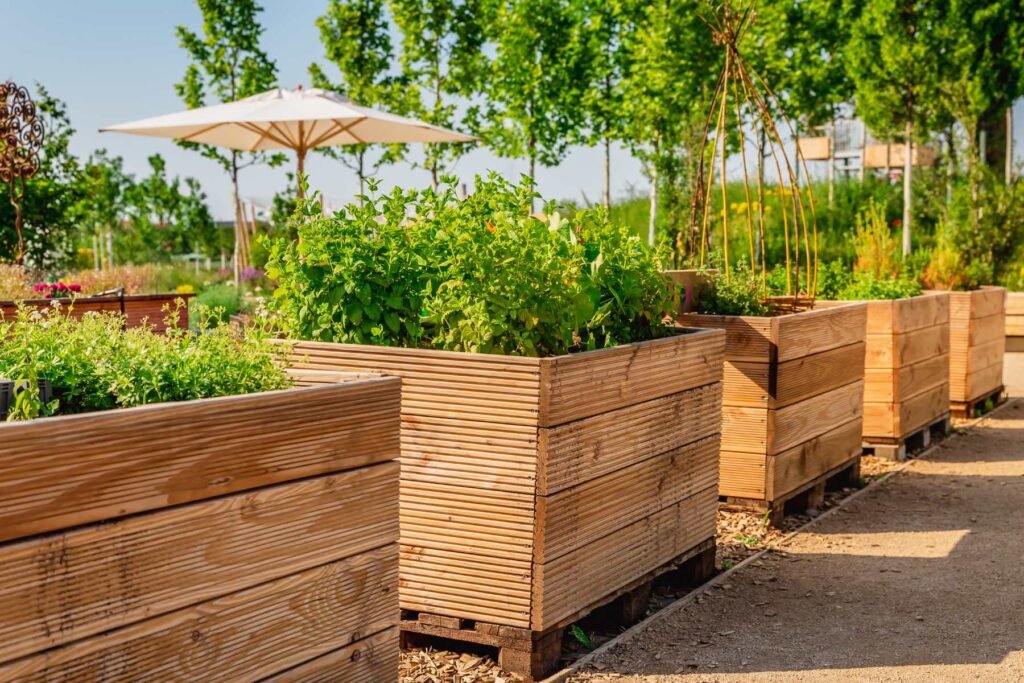
Healthy plants are less susceptible to pests:
- Compost and Organic Matter: Improves soil fertility, water retention, and microbial diversity.
- Vermicompost: Provides beneficial microbes that enhance plant resilience.
- Balanced Nutrients: Avoid excessive nitrogen, which encourages soft growth attractive to pests.
Robust roots and healthy foliage support the plant’s natural defenses.
4. Physical Barriers and Mechanical Methods
- Row Covers and Netting: Prevents flying insects like whiteflies and cabbage butterflies from reaching plants.
- Mulching: Straw, wood chips, or leaf mulch reduces soil splash, deters pests, and retains soil moisture.
- Handpicking: Remove visible insects like caterpillars, beetles, or slugs by hand.
Physical barriers are effective, chemical-free solutions to prevent pests from reaching plants.
5. Companion Planting
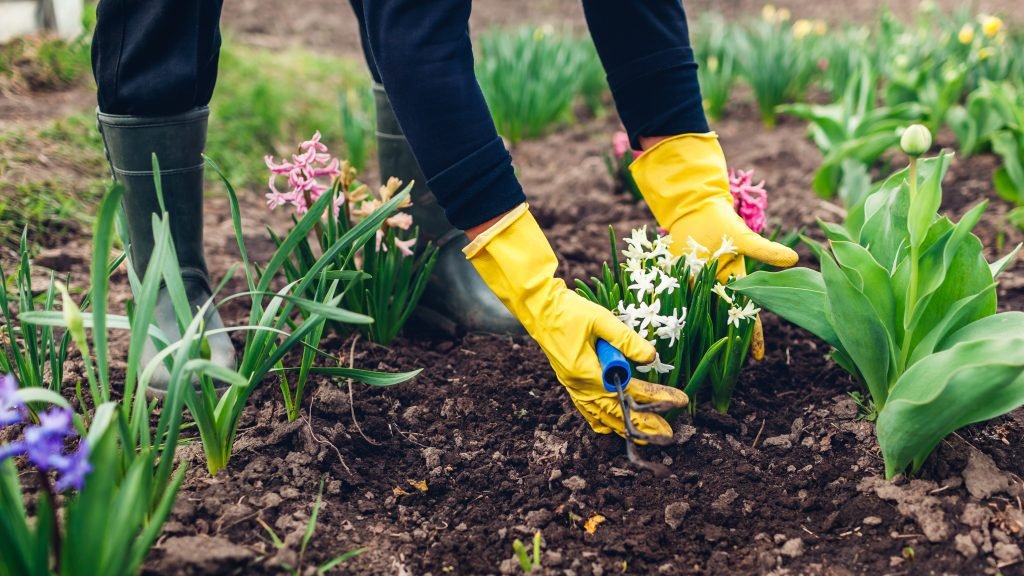
Strategically planting pest-repelling species near vulnerable crops discourages pests:
- Marigolds: Repel nematodes and leaf-eating insects.
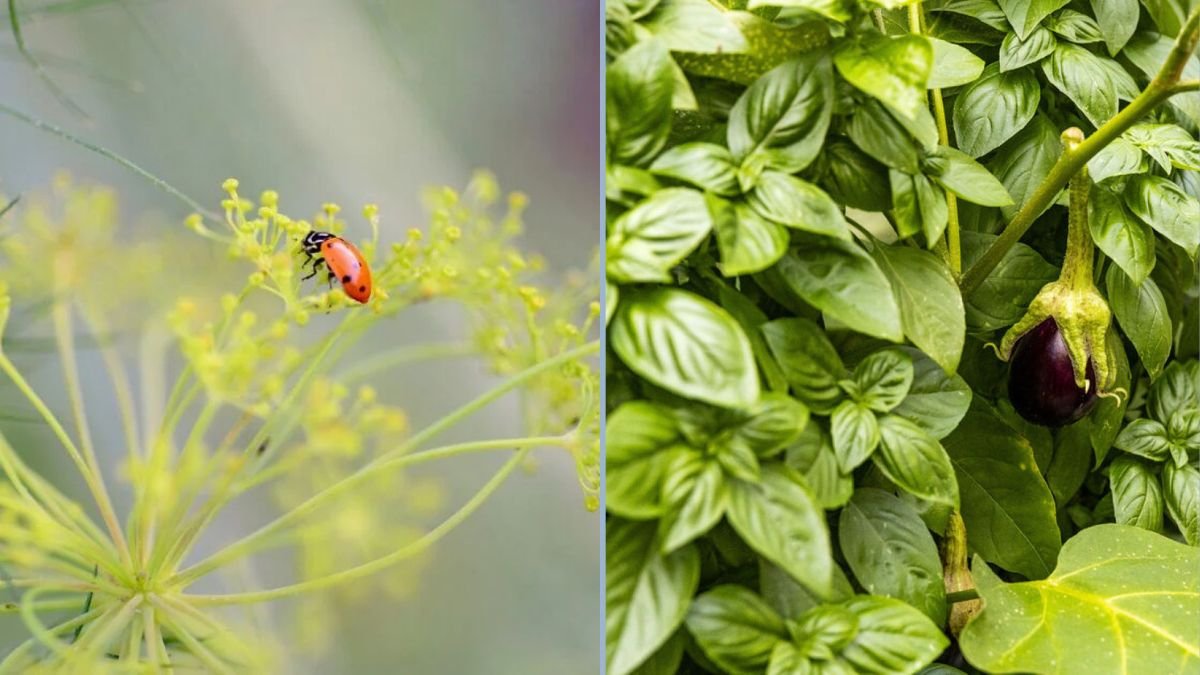
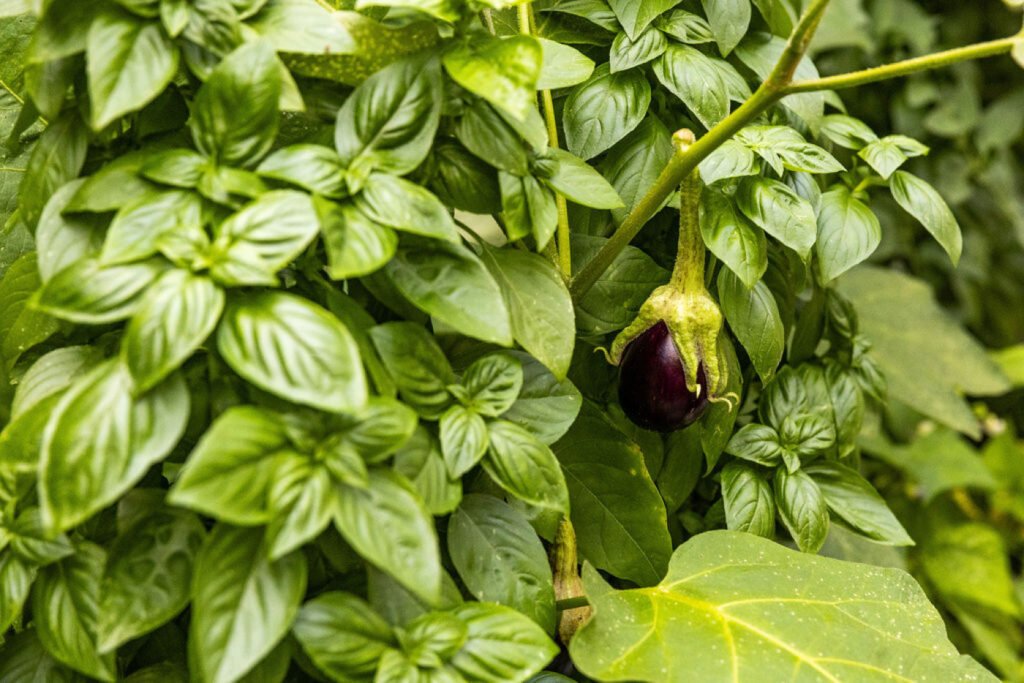
- Basil and Mint: Deter aphids, whiteflies, and other flying pests.
- Garlic and Chives: Mask plant scents, confusing insects.
- Nasturtium: Serves as a trap crop, attracting pests away from primary crops.
Companion planting enhances biodiversity and strengthens the garden’s natural pest defenses.
6. Natural Sprays and Remedies
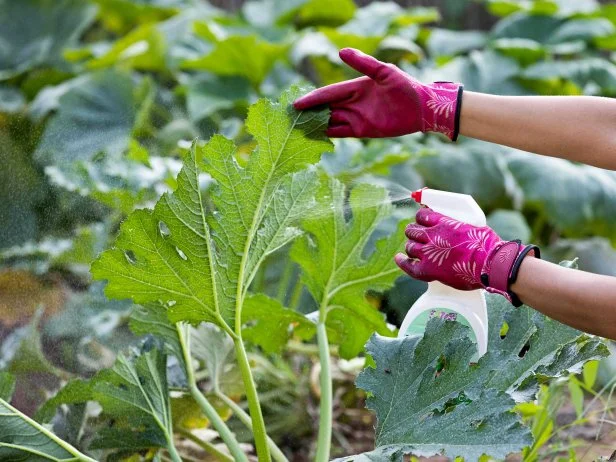
- Neem Oil: Disrupts feeding and reproduction of soft-bodied insects.
- Soap and Water Spray: Controls aphids, mealybugs, and spider mites.
- Garlic and Chili Infusions: Repel a variety of insects when sprayed on leaves.
- Diatomaceous Earth: A natural powder that damages the exoskeleton of crawling insects like slugs and beetles.
These natural remedies prevent pest multiplication without harming the environment or humans.
7. Encouraging Beneficial Insects
Natural predators control pests before they become problematic:
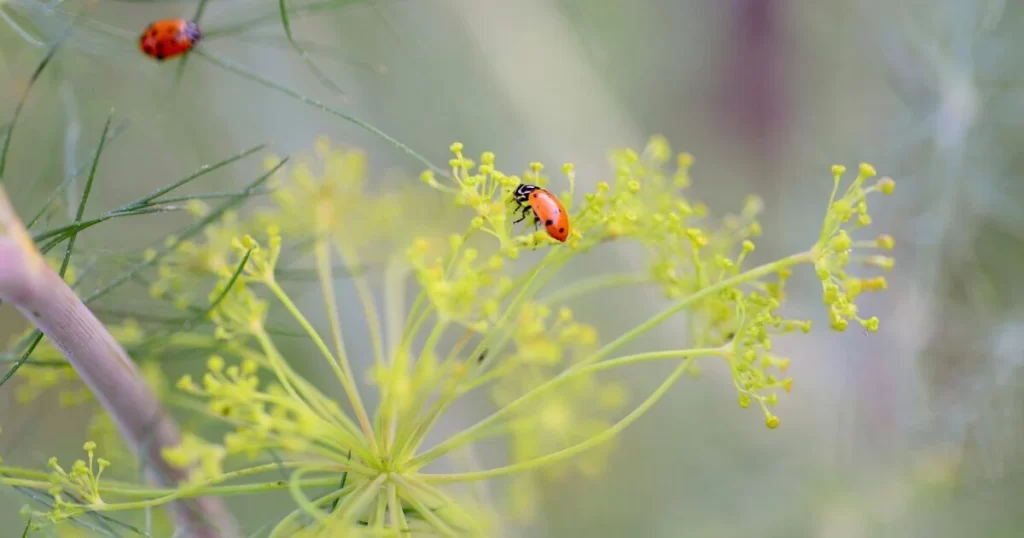
- Ladybugs: Feed on aphids and other small insects.
- Lacewings: Consume aphids and whiteflies.
- Parasitic Wasps: Target caterpillars and scale insects.
- Ground Beetles: Feed on soil-dwelling larvae and slugs.
Planting flowering herbs and creating habitats for these insects supports natural pest control.
8. Crop Rotation and Diversity
- Rotate crops annually to prevent pest life cycles from establishing in the soil.
- Mix deep-rooted and shallow-rooted plants to maintain soil health and confuse pests.
- Avoid monocultures, which are highly vulnerable to pest outbreaks.
9. Environmental Optimization
- Maintain proper spacing to improve air circulation and reduce humidity.
- Avoid water stress, which weakens plants and makes them more attractive to pests.
- Provide adequate sunlight to ensure vigorous growth.
Healthy plants in an optimal environment are naturally more resistant to pest multiplication.
Integrated Approach to Prevent Pest Multiplication
Stopping garden pests before they multiply is most effective when multiple strategies are used together:
- Monitor plants regularly for early signs of pests.
- Maintain hygiene and clean tools and planting areas.
- Use organic fertilizers and compost to strengthen plant defenses.
- Employ physical barriers and companion planting to prevent pest access.
- Apply natural sprays and remedies as preventive measures.
- Encourage beneficial insects and maintain garden biodiversity.
- Rotate crops and optimize environmental conditions to reduce pest pressure.
An integrated, multi-layered approach ensures long-term pest prevention without relying on chemical pesticides.
Benefits of Early Prevention
- Reduces Chemical Use: Minimizes exposure to toxic pesticides for humans, pets, and beneficial organisms.
- Preserves Biodiversity: Supports natural predators and soil microorganisms.
- Promotes Sustainable Gardening: Maintains soil fertility and ecological balance.
- Cost-Effective: Preventive measures reduce the need for expensive chemical interventions.
- Enhances Plant Health and Yield: Healthy plants resist pests more effectively and produce higher-quality fruits and vegetables.
Conclusion
Preventing garden pests before they multiply is the key to maintaining a healthy, productive, and sustainable garden. By focusing on early detection, environmental optimization, proper soil and plant care, companion planting, natural sprays, physical barriers, and promoting beneficial insects, gardeners can effectively control pest populations naturally.
An integrated, preventive approach not only protects plants from damage but also enhances biodiversity, improves yields, and reduces dependency on chemical pesticides. With consistent monitoring, proactive measures, and organic strategies, gardeners can maintain a thriving garden while supporting environmental sustainability and food safety.