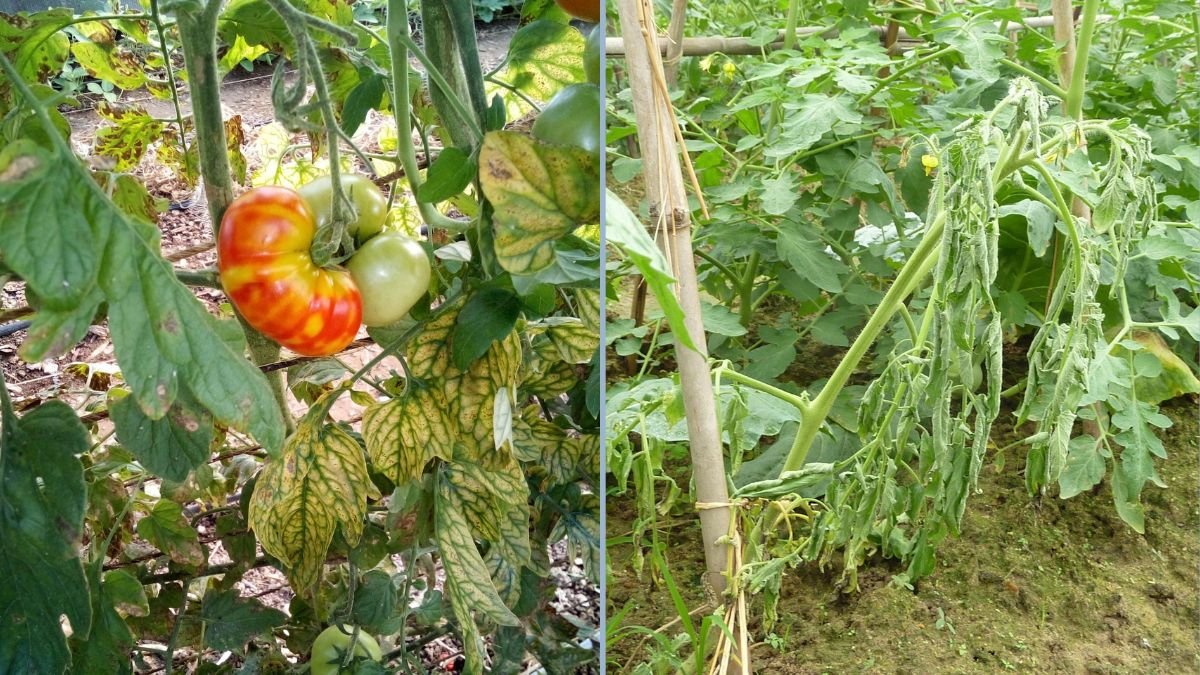
Vegetables require a balanced supply of nutrients for optimal growth, development, and yield. Nutrient deficiencies can reduce plant health, limit productivity, and make crops more susceptible to pests and diseases. Recognizing the signs of deficiencies early is crucial for timely intervention and effective nutrient management. This article explores the essential nutrients for vegetable growth, the visual symptoms of deficiencies, and strategies for accurate diagnosis and correction.
Essential Nutrients for Vegetables
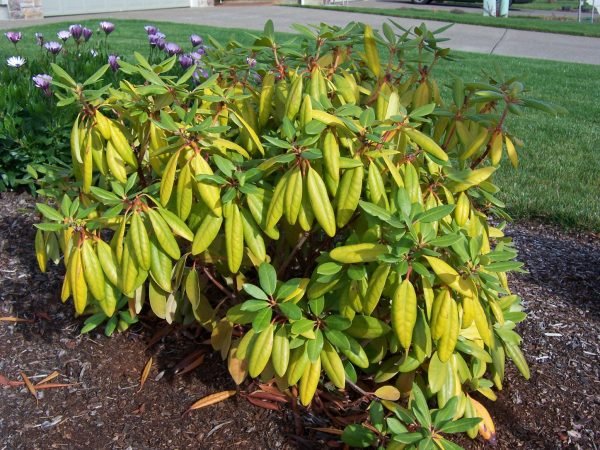
Vegetable plants need nutrients in two categories: macronutrients and micronutrients.
1. Macronutrients
These are required in large amounts:
- Nitrogen (N): Promotes leafy growth and overall plant vigor.
- Phosphorus (P): Supports root development, flowering, and fruiting.
- Potassium (K): Enhances disease resistance, water regulation, and fruit quality.
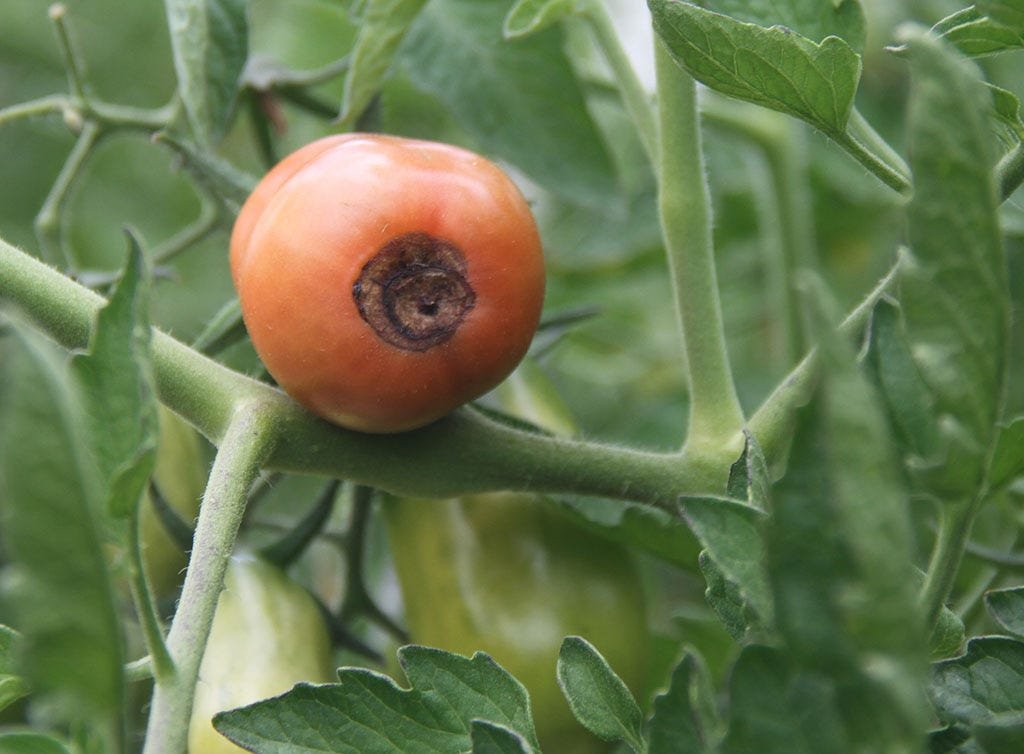
- Calcium (Ca): Critical for cell wall development and preventing disorders like blossom end rot.
- Magnesium (Mg): Essential for chlorophyll production and photosynthesis.
- Sulfur (S): Important for protein synthesis and enzyme function.
2. Micronutrients
These are required in smaller amounts but are equally vital:
- Iron (Fe): Needed for chlorophyll synthesis.
- Manganese (Mn): Involved in photosynthesis and enzyme activation.
- Zinc (Zn): Supports growth hormone production and leaf development.
- Copper (Cu): Essential for reproductive growth.
- Boron (B): Important for cell wall formation and reproductive success.
- Molybdenum (Mo): Helps nitrogen fixation and enzyme activity.
Deficiencies in any of these nutrients can lead to visible symptoms, reduced growth, and poor yield.
Visual Symptoms of Common Nutrient Deficiencies
Early detection of nutrient deficiencies allows for targeted intervention. Visual symptoms are often the first indication of a problem:
1. Nitrogen Deficiency
- Older leaves turn pale green or yellow (chlorosis).
- Stunted growth and small leaves.
- Reduced yield due to limited vegetative growth.
2. Phosphorus Deficiency
- Dark green or purplish coloration on older leaves.
- Delayed flowering and fruiting.
- Weak root systems and slow plant development.
3. Potassium Deficiency
- Yellowing or browning at leaf edges (marginal chlorosis).
- Weak stems and susceptibility to disease.
- Poor fruit development and low-quality produce.
4. Calcium Deficiency
- Young leaves may appear distorted or curled.
- Blossom end rot in tomatoes and peppers.
- Poor root and shoot growth.
5. Magnesium Deficiency
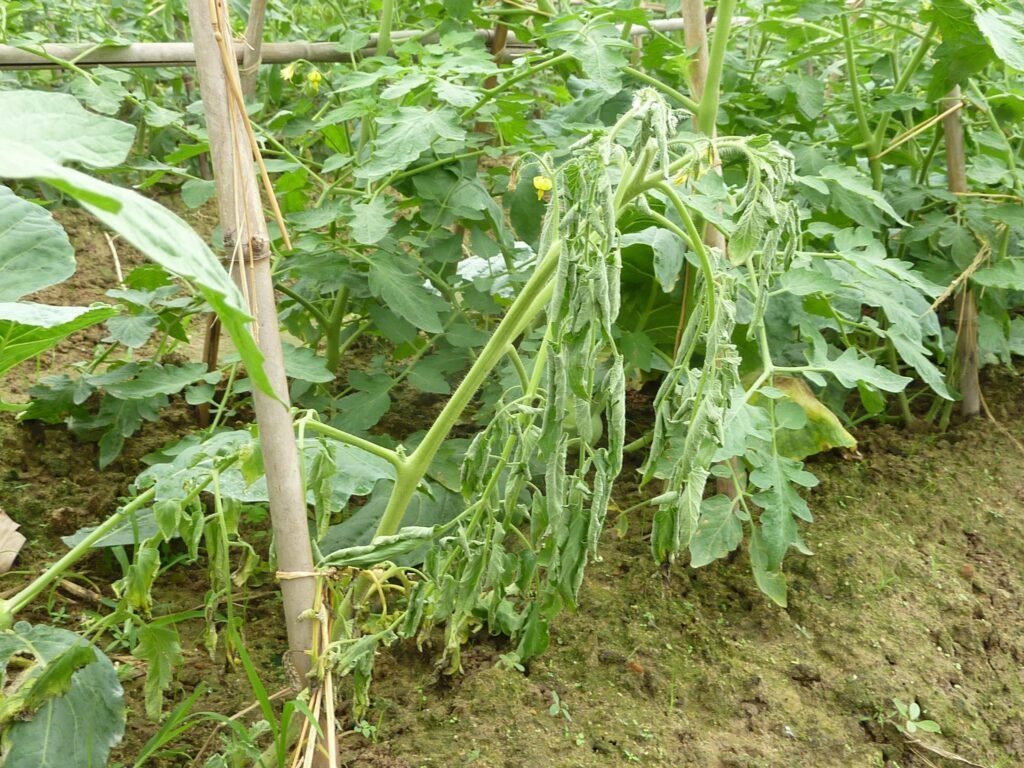
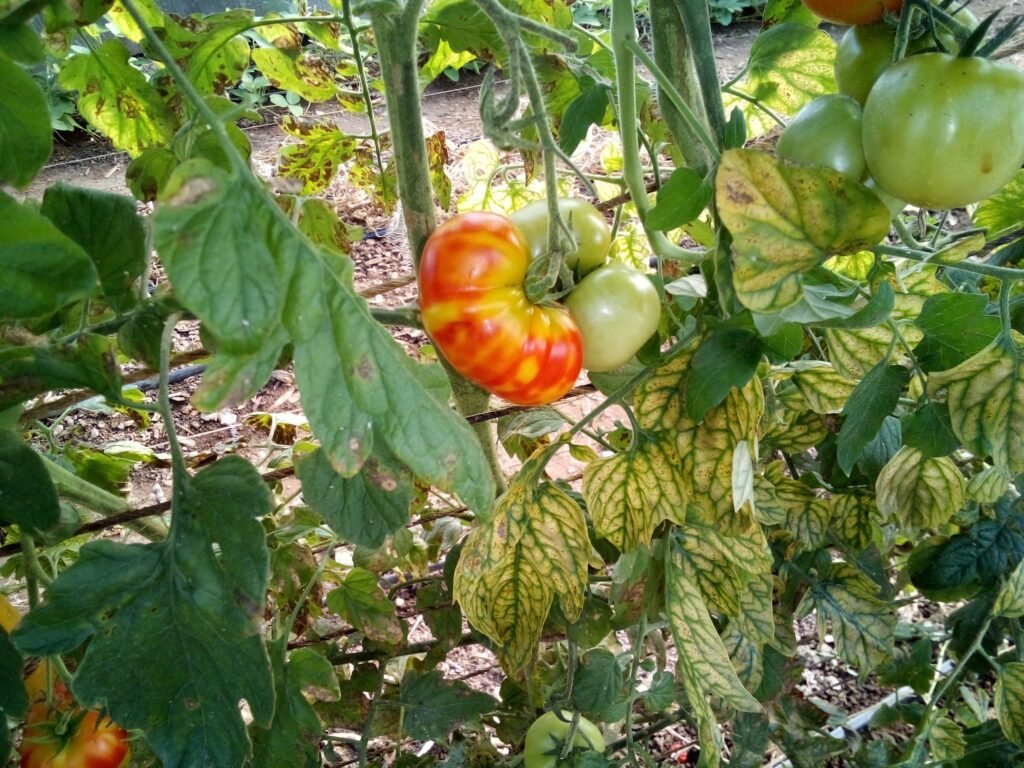
- Interveinal chlorosis on older leaves (yellowing between veins).
- Leaves may curl upward, and growth may slow.
- Reduced photosynthesis affecting overall plant vigor.
6. Sulfur Deficiency
- Yellowing of young leaves (similar to nitrogen deficiency but on new growth).
- Slow growth and weak stems.
7. Iron Deficiency
- Interveinal chlorosis on young leaves while veins remain green.
- Leaf tips may die in severe cases.
8. Manganese Deficiency
- Yellowing between leaf veins, often with small brown spots.
- Stunted growth and weak stems.
9. Zinc Deficiency
- Shortened internodes, small leaves, and rosette growth.
- Leaves may develop a bronzed appearance.
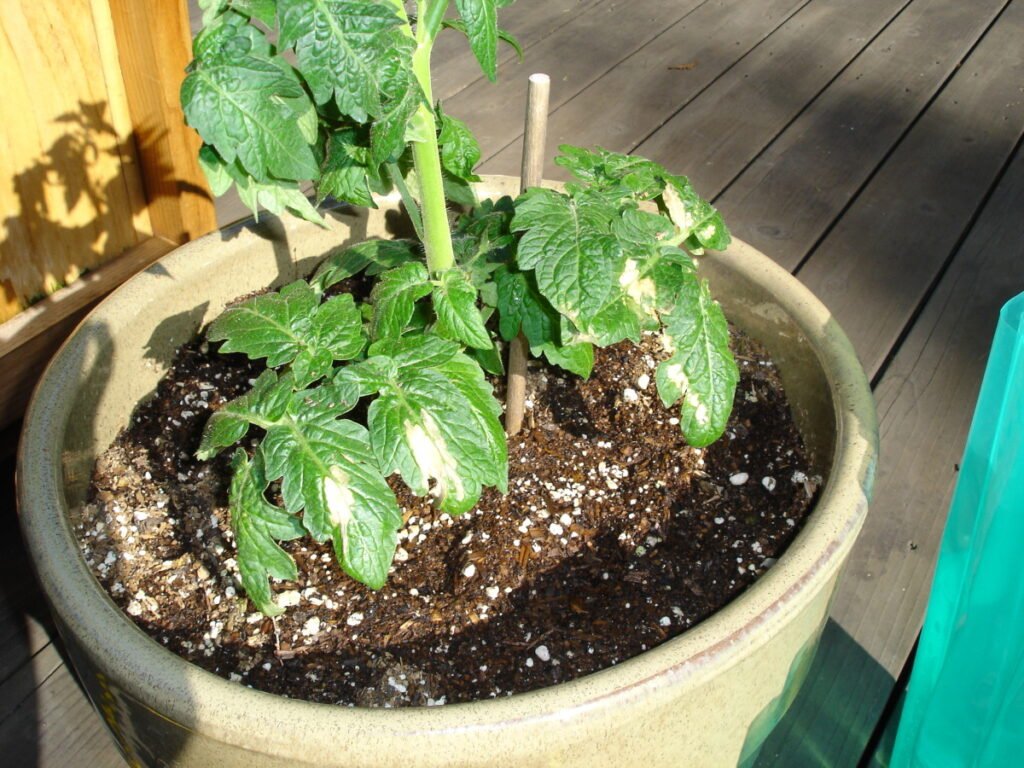
10. Boron Deficiency
- Deformation of growing points and tip dieback.
- Hollow stems or brittle tissue in some crops.
- Poor flowering and fruit set.
11. Copper Deficiency
- Young leaves may wilt and become pale.
- Stunted growth and reduced flowering.
12. Molybdenum Deficiency
- Yellowing of older leaves.
- Poor leaf expansion and marginal scorching in severe cases.
Diagnosis and Confirmation
While visual inspection is a useful first step, nutrient deficiencies should be confirmed through:
- Soil Testing: Determines nutrient availability and soil pH.
- Tissue Analysis: Confirms which nutrients are deficient within the plant.
- Growth Observation: Monitoring patterns over time helps distinguish between deficiencies, water stress, or pest damage.
Accurate diagnosis prevents misapplication of fertilizers, which can harm plants and the environment.
Corrective Measures
Once a deficiency is identified, timely corrective measures can restore plant health:
- Soil Amendments: Adding organic matter or specific nutrient-rich fertilizers based on soil tests.
- Foliar Sprays: Applying micronutrients directly to leaves for rapid correction, especially for iron, zinc, or manganese deficiencies.
- Balanced Fertilization: Ensuring all essential nutrients are supplied in proper ratios to prevent secondary deficiencies.
- pH Management: Adjusting soil pH to optimize nutrient availability. Most vegetables prefer slightly acidic to neutral soils (pH 6.0–7.0).
- Organic Sources: Compost, manure, bone meal, and seaweed extracts can supply macro- and micronutrients naturally.
Preventive Strategies
Preventing nutrient deficiencies is more effective than correcting them after symptoms appear:
- Regular Soil Testing: Provides guidance for nutrient management.
- Crop Rotation: Reduces nutrient depletion and maintains soil fertility.
- Proper Irrigation: Ensures nutrients are available for uptake without causing leaching.
- Mulching: Conserves soil moisture and improves nutrient retention.
- Integrated Fertilization: Combining organic and mineral fertilizers ensures continuous nutrient supply.
Conclusion
Identifying nutrient deficiencies in vegetables is a critical aspect of sustainable and productive gardening. Recognizing visual symptoms such as chlorosis, stunted growth, leaf distortion, and poor fruiting allows gardeners and farmers to take timely corrective measures. Accurate diagnosis, supported by soil and tissue analysis, ensures effective nutrient management without over-reliance on synthetic fertilizers.
By adopting preventive strategies such as regular soil testing, crop rotation, balanced fertilization, and organic amendments, gardeners can maintain healthy soil and vibrant crops. Proper nutrient management enhances vegetable yield, quality, and resilience, contributing to sustainable food production and a healthier garden ecosystem.