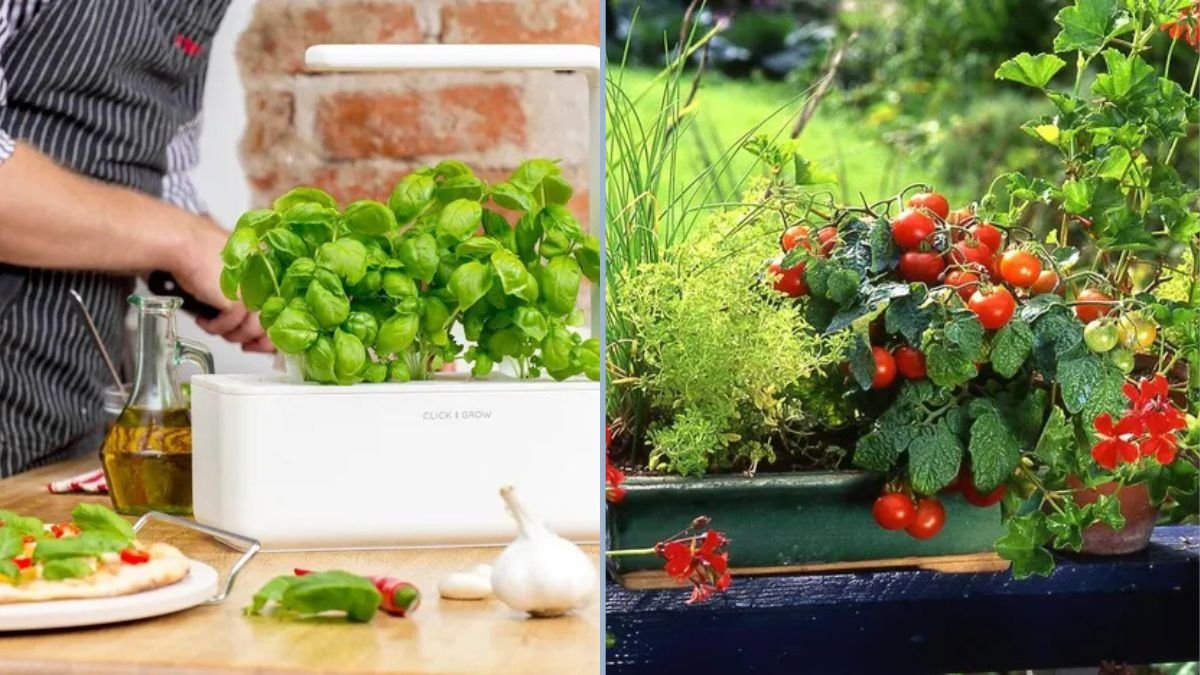
Indoor gardening has become increasingly popular among urban dwellers and plant enthusiasts seeking fresh, nutritious, and chemical-free ingredients for their meals. Limited outdoor space, harsh weather, or busy lifestyles often make traditional gardening difficult. However, cultivating vegetables, herbs, and leafy greens indoors provides a practical, sustainable, and rewarding solution. Indoor gardening allows individuals to grow fresh plant-based foods year-round, enhancing both nutrition and culinary creativity. This article explores strategies, plant selection, and techniques for successful indoor gardening, emphasizing plant-based methods to promote healthy meals.
Why Indoor Gardening Matters for Healthy Meals
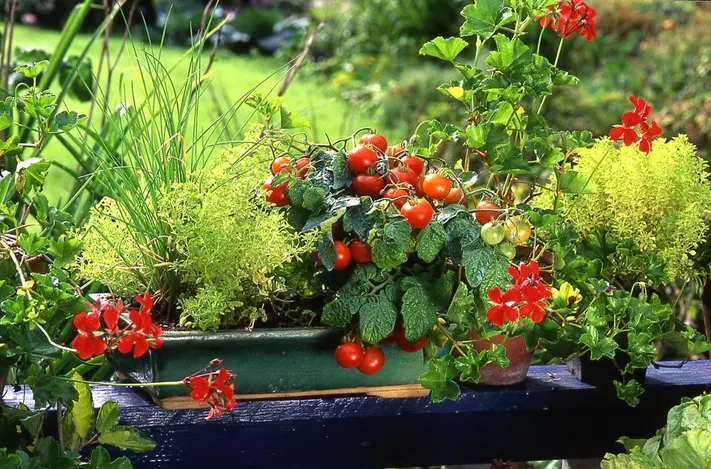
Indoor gardening contributes to healthier eating and overall well-being in several ways:
- Access to Fresh Produce: Harvest vegetables, herbs, and leafy greens at peak freshness, preserving nutrients.
- Chemical-Free Growth: Indoor plants can be grown without synthetic fertilizers or pesticides.
- Year-Round Availability: Indoor setups are unaffected by seasonal limitations, allowing continuous harvest.
- Enhanced Nutrition: Homegrown vegetables often have higher nutrient content than store-bought produce.
- Culinary Variety: Fresh herbs and greens elevate plant-based dishes, salads, smoothies, and sauces.
- Mental and Physical Benefits: Gardening reduces stress, encourages mindfulness, and provides a sense of accomplishment.
By cultivating edible plants indoors, individuals can integrate fresh, wholesome ingredients into their diets effortlessly.
Choosing Plants for Indoor Gardening
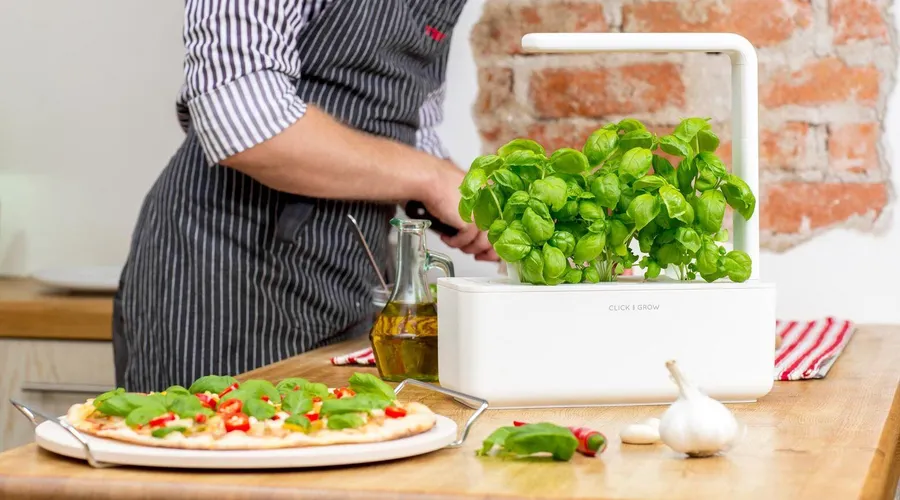
Selecting appropriate plant varieties is key for successful indoor gardening. Ideal indoor plants are compact, fast-growing, and tolerant of limited sunlight or container conditions.
1. Leafy Greens
- Examples: Lettuce, spinach, kale, arugula, Swiss chard
- Benefits: High in vitamins, antioxidants, and fiber; perfect for salads, sandwiches, and smoothies.
- Tips: Use shallow containers and cut-and-come-again harvesting to encourage continuous growth.
2. Herbs
- Examples: Basil, mint, parsley, cilantro, chives, oregano
- Benefits: Add flavor and nutrition to plant-based meals, teas, and sauces.
- Tips: Use small pots or vertical herb gardens; regular pruning encourages bushy growth.
3. Microgreens
- Examples: Broccoli, radish, mustard, beet microgreens
- Benefits: Packed with nutrients, quick-growing (7–14 days), ideal for sandwiches and salads.
- Tips: Use shallow trays, maintain consistent moisture, and provide indirect light.
4. Compact Fruiting Vegetables
- Examples: Cherry tomatoes, baby peppers, dwarf zucchini
- Benefits: Provide colorful, nutrient-rich additions to meals.
- Tips: Use medium-sized containers with proper drainage and adequate light; prune regularly to maintain plant health.
5. Edible Flowers
- Examples: Nasturtium, pansy, calendula
- Benefits: Enhance visual appeal and flavor in salads, teas, or garnishes.
- Tips: Plant in shallow containers, maintain humidity, and fertilize occasionally with organic, plant-based nutrients.
Essential Components for Successful Indoor Gardening
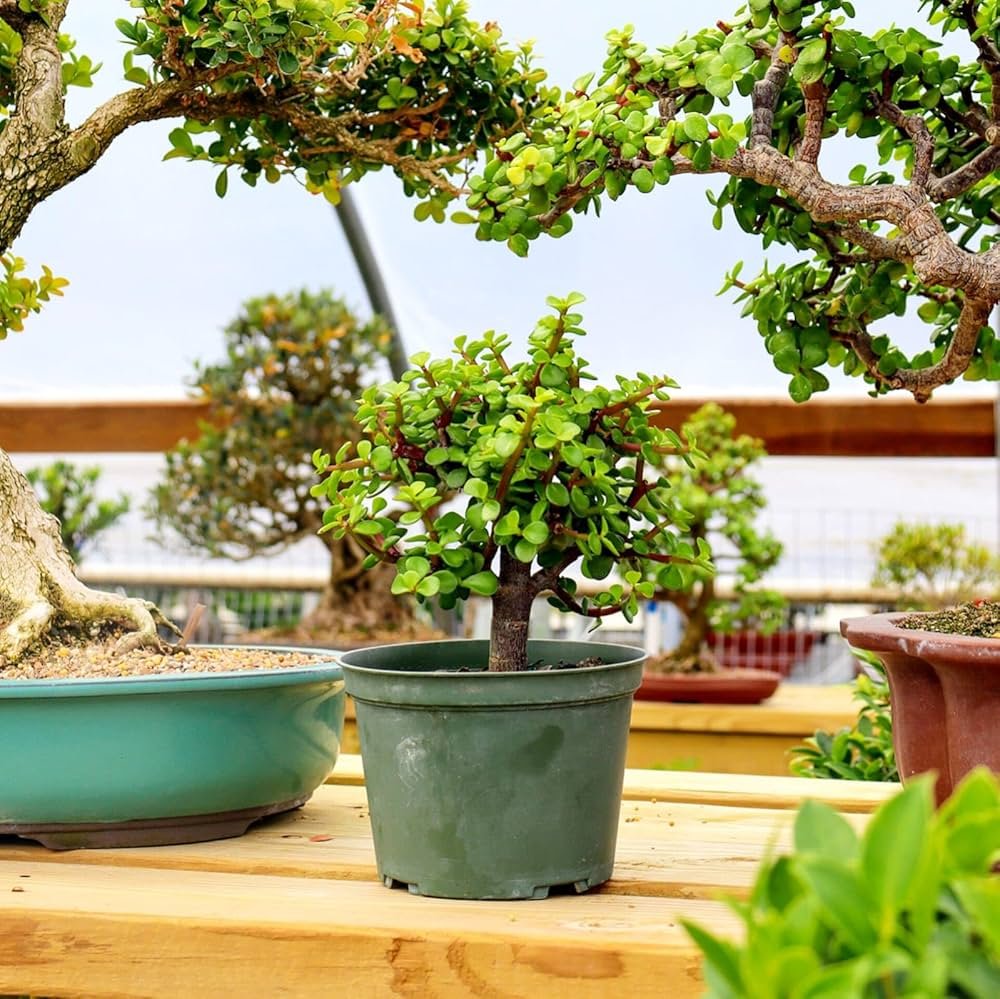
1. Light
- Most indoor vegetables and herbs require 4–6 hours of bright, indirect sunlight daily.
- South- or west-facing windows provide the best natural light.
- For low-light conditions, supplement with LED or fluorescent grow lights to maintain healthy growth.
2. Containers
- Select pots or trays with adequate depth for root development.
- Shallow containers work for leafy greens and herbs; deeper ones are suitable for root vegetables or compact fruiting plants.
- Materials: Plastic, ceramic, terracotta, or recycled containers with drainage holes.
3. Soil
- Use light, well-draining potting mix enriched with organic compost.
- Avoid garden soil that may compact and hinder root growth.
- Plant-based fertilizers like compost tea, vermicompost, or liquid seaweed extract improve nutrient availability.
4. Watering
- Maintain consistent soil moisture without waterlogging.
- Water gently and frequently, especially for leafy greens and microgreens.
- Self-watering pots or trays can help regulate hydration.
5. Fertilization
- Apply plant-based fertilizers every 2–3 weeks.
- Use compost, liquid seaweed extract, or organic manure for nutrient-rich growth.
- Avoid excessive nitrogen, which encourages foliage over flavor or fruiting.
6. Temperature and Humidity
- Most indoor vegetables thrive in temperatures between 18–24°C (65–75°F).
- Maintain moderate humidity; misting can benefit leafy greens and herbs in dry indoor environments.
Step-by-Step Indoor Gardening Guide
Step 1: Choose Your Space
- Select a windowsill, balcony, kitchen corner, or indoor shelf that receives adequate light.
Step 2: Select Containers
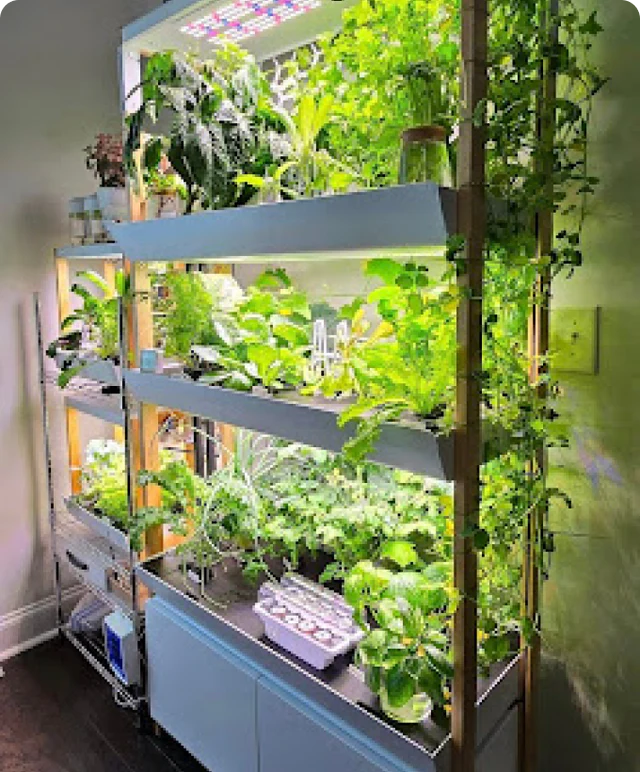
- Match container size to plant requirements; consider vertical stacking, hanging pots, or tiered shelves for limited space.
Step 3: Prepare Soil
- Mix potting soil with compost or vermicompost for fertile, well-draining media.
Step 4: Plant Seeds or Seedlings
- Sow seeds at recommended depth and spacing, or transplant seedlings carefully to avoid root damage.
Step 5: Light Management
- Position plants to receive maximum sunlight; supplement with grow lights if needed.
Step 6: Maintenance
- Water regularly and consistently, avoiding overwatering.
- Fertilize with plant-based nutrients every 2–3 weeks.
- Prune leaves to encourage healthy growth and prevent overcrowding.
- Monitor for pests such as aphids or mites, using organic control methods like neem oil or soapy water.
Harvesting Tips
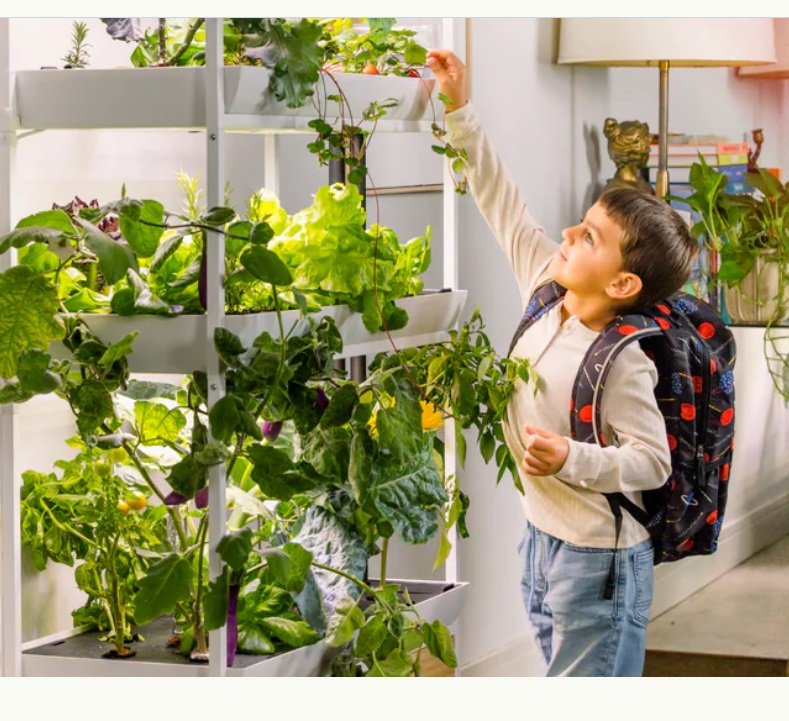
- Leafy Greens: Use cut-and-come-again harvesting for continuous production.
- Herbs: Snip leaves regularly, leaving at least one-third of the plant to maintain growth.
- Microgreens: Harvest at 2–3 inches for peak flavor and nutrients.
- Fruiting Vegetables: Harvest promptly to encourage continuous flowering and fruiting.
- Edible Flowers: Pick blossoms in the morning for freshness and optimal flavor.
Regular harvesting encourages healthy growth and ensures a steady supply of ingredients for plant-based meals.
Creative Indoor Gardening Ideas
- Vertical Gardens: Stack containers or install wall-mounted pockets to save space.
- Hanging Planters: Use macramé holders or hanging pots to maximize light exposure and aesthetics.
- Tiered Shelves: Utilize multiple levels to grow various plants efficiently.
- Hydroponics: Soil-less systems allow rapid growth and reduce pests.
- Recycled Containers: Upcycle jars, tins, or crates to create an eco-friendly garden.
- Succession Planting: Sow seeds every 2–3 weeks to maintain a continuous supply of fresh produce.
Common Challenges and Solutions
| Challenge | Cause | Solution |
|---|---|---|
| Leggy growth | Insufficient light | Use LED grow lights or reposition plants near windows |
| Wilting | Over- or under-watering | Adjust watering schedule; ensure proper drainage |
| Pest infestation | Aphids, mites | Use neem oil, soapy water, or manual removal |
| Slow growth | Nutrient deficiency | Apply plant-based fertilizers regularly |
| Overcrowding | Planting too densely | Thin seedlings or transplant to larger containers |
Sustainability Practices for Indoor Gardening
- Organic Fertilizers: Use compost, compost tea, or plant-based liquid fertilizers.
- Water Recycling: Collect rainwater or reuse kitchen water for irrigation.
- Upcycling Materials: Repurpose jars, crates, or trays as planting containers.
- Chemical-Free Gardening: Avoid synthetic fertilizers and pesticides.
Benefits of Indoor Gardening for Healthy Meals
- Fresh and Nutrient-Rich Produce: Continuous access to high-quality, plant-based ingredients.
- Space Efficiency: Optimizes small apartments, kitchens, or balconies.
- Culinary Creativity: Enhances plant-based meals with fresh vegetables, herbs, and microgreens.
- Mental Well-Being: Gardening reduces stress and promotes mindfulness.
- Sustainable Living: Reduces reliance on store-bought vegetables and packaging waste.
- Educational Value: Teaches plant growth cycles, care techniques, and sustainable practices.
Conclusion
Indoor gardening provides an innovative, sustainable, and practical solution for growing fresh vegetables, herbs, leafy greens, and edible flowers, even in small or urban spaces. By selecting suitable plant varieties, using proper containers, maintaining consistent light and watering, and applying organic plant-based fertilizers, anyone can cultivate a productive indoor garden. Techniques such as vertical stacking, hanging planters, hydroponics, and succession planting optimize space and maximize yield.
Indoor gardening not only contributes to healthier, plant-based meals but also enhances mental well-being, promotes sustainability, and brings greenery and life to indoor spaces. With careful planning, creative approaches, and regular care, home gardens can transform kitchens, windowsills, and small apartments into thriving sources of fresh, nutritious, and flavorful plant-based ingredients.