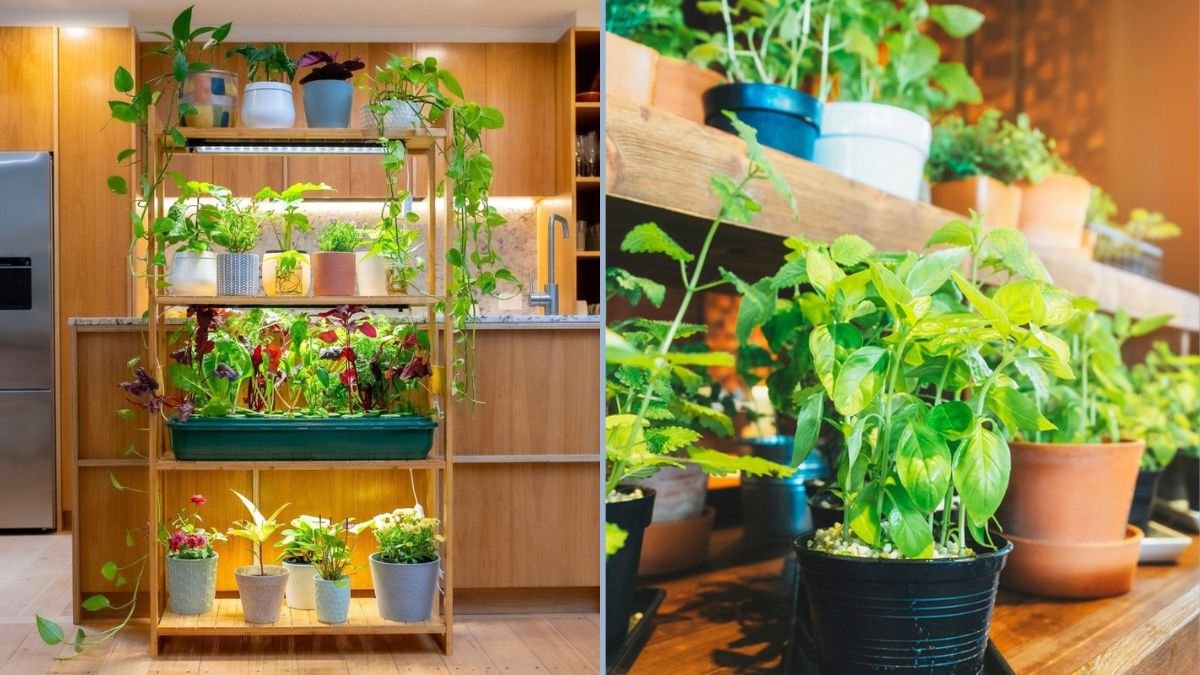
Indoor herb gardening has become increasingly popular among urban dwellers and plant enthusiasts, offering fresh, aromatic ingredients for plant-based meals and a touch of greenery to living spaces. Growing herbs indoors not only provides convenient access to fresh ingredients but also enhances air quality, adds aesthetic appeal, and encourages sustainable living. With creative approaches, even small apartments or limited indoor spaces can become thriving herb gardens. This article provides a comprehensive guide to growing herbs indoors, with innovative ideas, practical tips, and detailed plant-based strategies for success.
Why Grow Herbs Indoors?
Indoor herb gardening offers multiple advantages:
- Year-Round Fresh Herbs: Enjoy fresh basil, cilantro, mint, parsley, and more throughout the year.
- Space Efficiency: Ideal for apartments, balconies, kitchens, or windowsills.
- Cost Savings: Reduces reliance on store-bought herbs and prevents wastage.
- Aesthetic and Aromatic Benefits: Herbs add greenery, fragrance, and a natural touch to home interiors.
- Sustainability: Promotes chemical-free, plant-based food production.
- Educational and Therapeutic Value: Teaches plant growth cycles and provides a relaxing hobby.
Choosing Herbs for Indoor Cultivation
Some herbs are particularly well-suited for indoor growth because of their compact size, adaptability to containers, and light requirements:
1. Basil
- Thrives in containers with bright, indirect sunlight.
- Regular pruning encourages bushy growth and prevents flowering.
2. Mint
- Grows vigorously and can be cultivated in small pots.
- Requires consistent watering and indirect sunlight.
3. Parsley
- Prefers moderate light and well-draining soil.
- Flat-leaf varieties are ideal for culinary use.
4. Cilantro
- Quick-growing herb suitable for windowsills or kitchen gardens.
- Frequent harvesting prevents bolting and encourages new growth.
5. Chives
- Compact and hardy, ideal for small pots or vertical arrangements.
- Adds flavor and color to salads and dishes.
6. Thyme and Oregano
- Slow-growing but aromatic, thriving in sunny indoor spots.
- Low-maintenance, suitable for small containers or vertical herb gardens.
Essential Requirements for Growing Herbs Indoors
Even in small indoor spaces, certain conditions are crucial for successful herb growth:
1. Light
- Most herbs require 4–6 hours of bright, indirect sunlight.
- South- or west-facing windows are ideal.
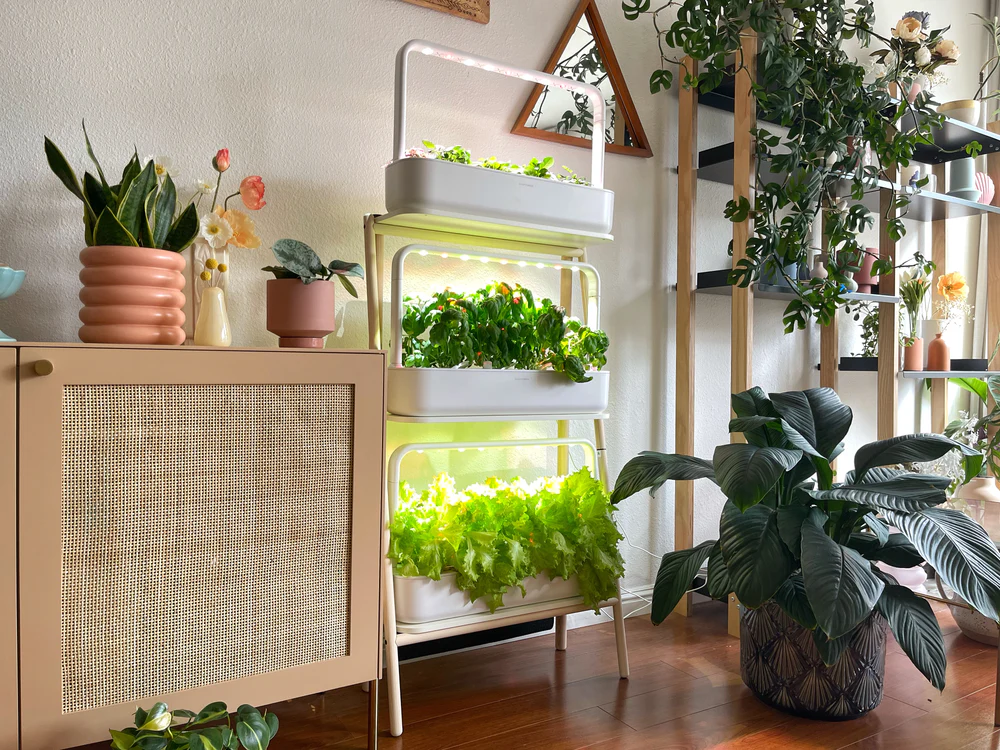
- For areas with limited natural light, supplement with LED or fluorescent grow lights.
2. Containers
- Use pots with proper drainage holes to prevent waterlogging.
- Small to medium-sized pots work for most herbs; deeper pots are recommended for root-heavy varieties like parsley.
- Consider hanging planters, vertical walls, or tiered shelves for space efficiency.
3. Soil
- Use light, well-draining potting mix enriched with organic compost.
- Avoid compacted garden soil, which may hinder root development.
- Plant-based fertilizers like compost tea or liquid seaweed extract enhance nutrient availability.
4. Watering
- Herbs prefer consistent moisture but should not sit in soggy soil.
- Water when the top 1–2 inches of soil feel dry.
- Self-watering pots or trays can help maintain proper moisture levels.
5. Fertilization
- Apply organic, plant-based fertilizers every 2–3 weeks.
- Liquid seaweed, compost tea, or diluted organic fertilizers boost growth and flavor.
- Avoid over-fertilization, which can affect herb taste and growth.
Creative Indoor Herb Gardening Ideas
Maximizing space and aesthetics in indoor gardening requires creativity. Here are several innovative approaches:
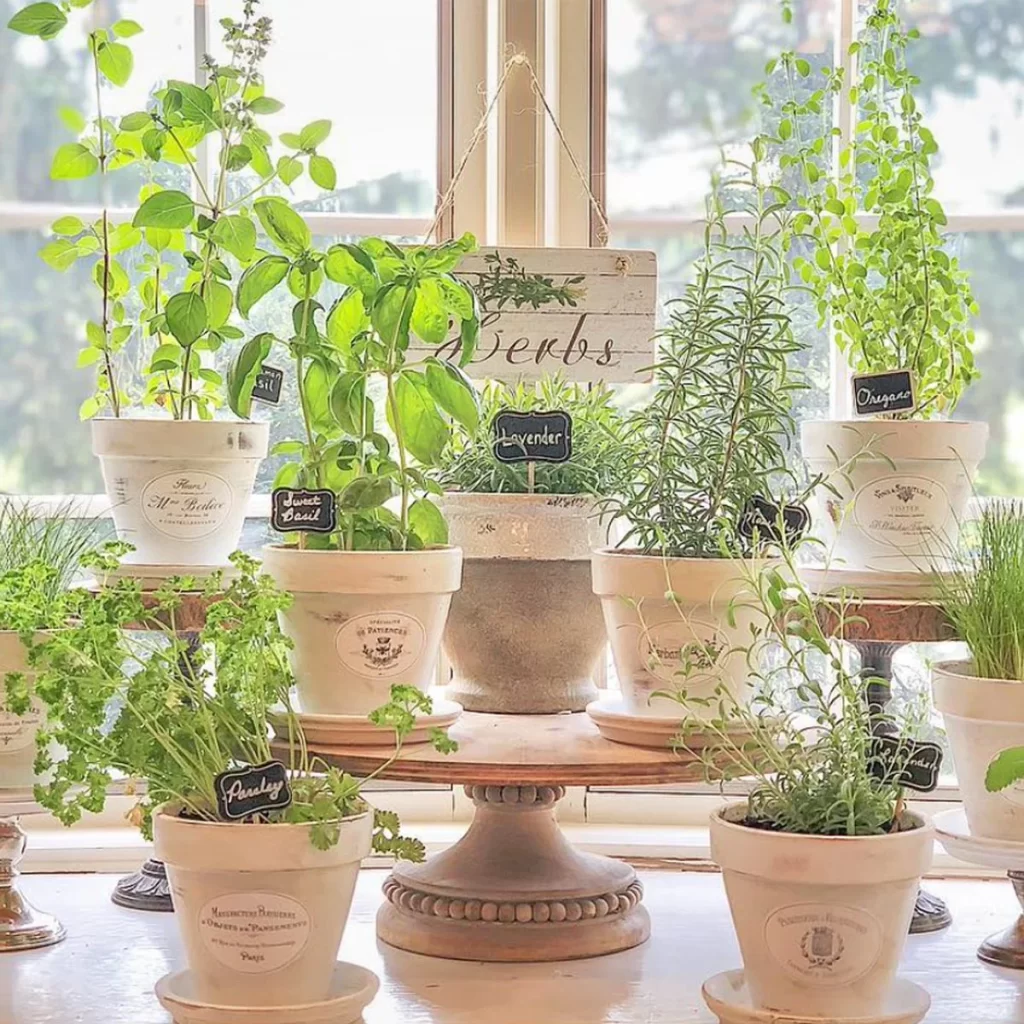
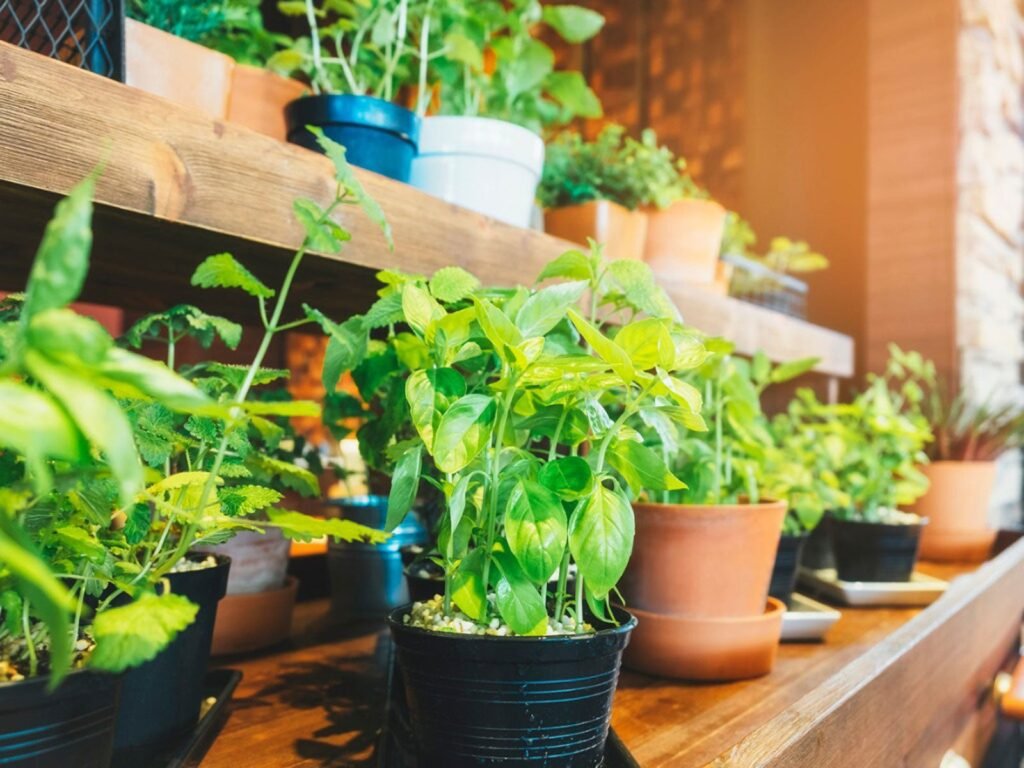
1. Windowsill Herb Garden
- Place pots along sunny windowsills for optimal light exposure.
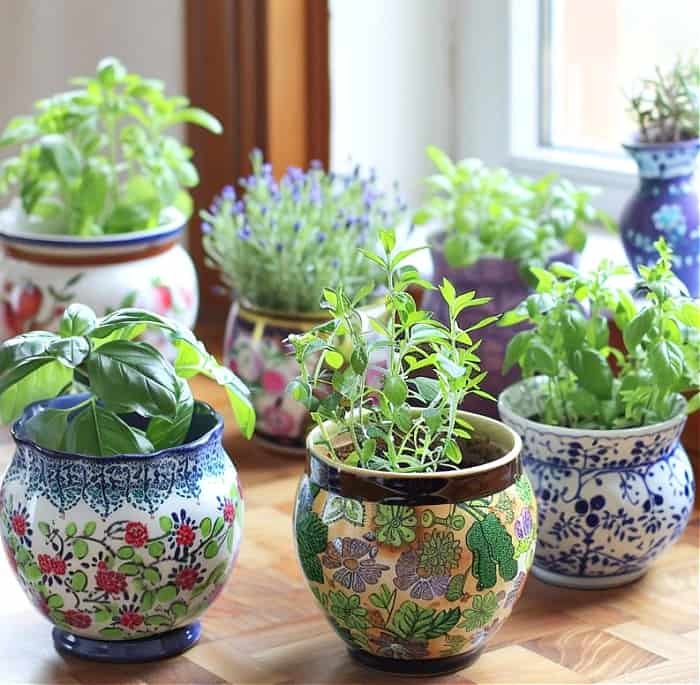
- Use uniform pots or colorful containers for a visually appealing arrangement.
- Rotate pots occasionally for even light distribution.
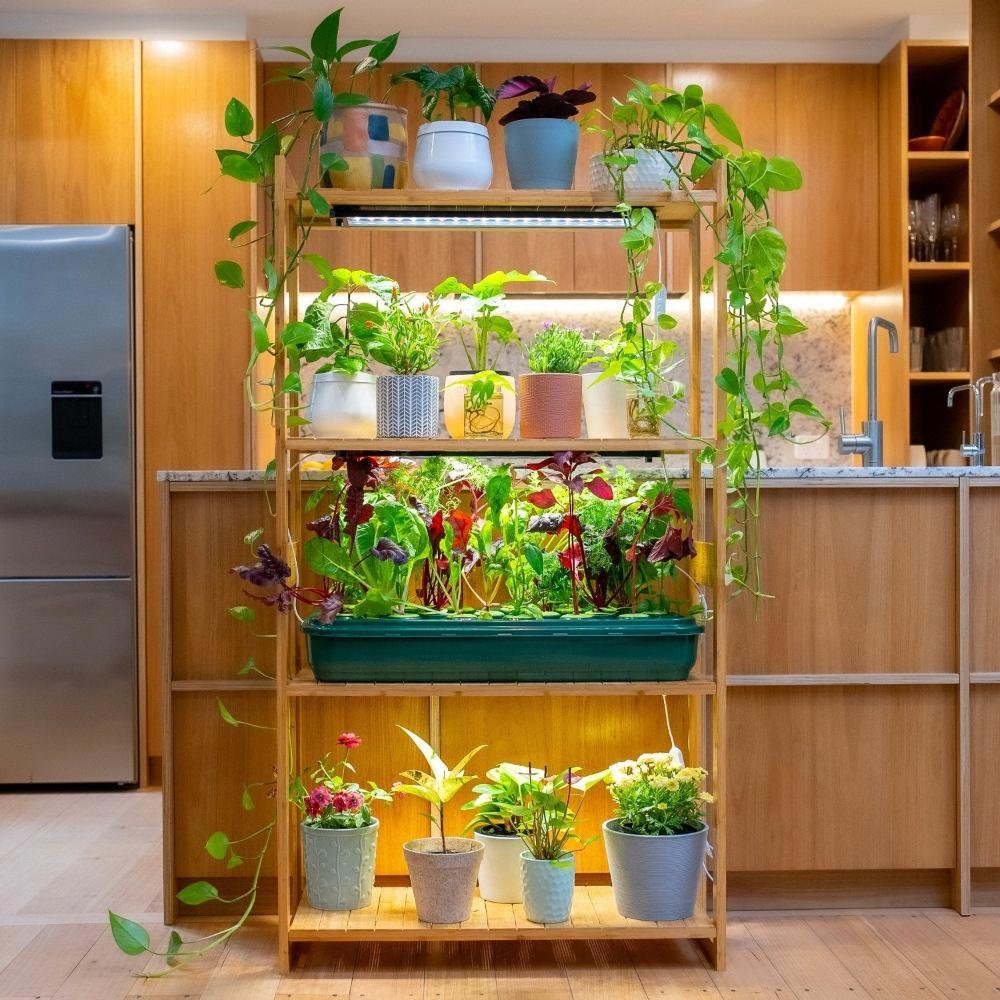
2. Vertical Herb Garden
- Install wall-mounted pockets, hanging planters, or tiered shelves to save floor space.
- Ideal for small apartments, kitchens, or narrow balconies.
- Herbs like basil, chives, and thyme thrive in vertical arrangements.
3. Hanging Planters
- Suspend herbs in macramé holders or hanging baskets near windows.
- Perfect for trailing herbs like mint or oregano.
- Adds a decorative element to kitchens or living spaces.
4. Hydroponic Herb Gardens
- Use water-based systems for soil-less cultivation.
- Herbs like basil, mint, and cilantro grow quickly with proper nutrients.
- Reduces soil-borne pests and allows indoor placement without mess.
5. Recycled Containers
- Upcycle jars, tins, or teacups for small herbs.
- Drill drainage holes or place a layer of gravel at the bottom to prevent waterlogging.
- Eco-friendly and visually creative for kitchens or study areas.
6. Herb Terrariums
- Create small enclosed herb gardens in glass containers.
- Ideal for humidity-loving herbs like mint.
- Adds a miniature decorative garden indoors.
7. Herb Frames
- Vertical frames with pockets allow herbs to grow like a living wall.
- Use felt or cloth pockets for lightweight, efficient planting.
- Works well for herbs with shallow roots.
Step-by-Step Guide for Indoor Herb Cultivation
Step 1: Select Herbs
- Choose herbs suited to indoor conditions and light availability.
Step 2: Choose Containers
- Select appropriate pots based on root depth and space availability.
- Consider creative or vertical arrangements to maximize space.
Step 3: Prepare Soil
- Fill containers with light, nutrient-rich potting mix.
- Incorporate organic compost for improved fertility.
Step 4: Plant Seeds or Seedlings
- Sow seeds according to packet instructions or transplant seedlings.
- Lightly firm the soil and water gently to maintain moisture.
Step 5: Provide Adequate Light
- Place herbs in bright, indirect sunlight.
- Supplement with grow lights if necessary.
Step 6: Maintain Herbs
- Watering: Keep soil moist but avoid waterlogging.
- Fertilization: Apply plant-based fertilizers biweekly.
- Pruning: Trim leaves regularly to encourage bushy growth.
- Pest Control: Inspect for aphids or mites and use plant-based solutions.
Harvesting Indoor Herbs
- Basil, Mint, and Cilantro: Snip leaves regularly, avoiding more than one-third of the plant at a time.
- Chives: Cut leaves at the base for continuous regrowth.
- Thyme and Oregano: Harvest stems as needed, leaving enough foliage for photosynthesis.
- Timing: Harvest in the morning for peak flavor and aroma.
Regular harvesting promotes healthy growth, prevents flowering, and ensures a constant supply of fresh herbs.
Common Challenges and Solutions
| Challenge | Cause | Solution |
|---|---|---|
| Leggy or weak growth | Insufficient light | Supplement with LED grow lights or move plants closer to windows |
| Wilting or yellow leaves | Over/under-watering | Adjust watering schedule; ensure proper drainage |
| Pests (aphids, mites) | Indoor infestation | Use neem oil, soapy water, or manual removal |
| Slow growth | Nutrient deficiency | Apply plant-based fertilizers regularly |
| Overcrowding | Excessive planting | Thin seedlings or transplant to larger containers |
Sustainability Practices for Indoor Herb Gardening
- Plant-Based Fertilizers: Compost tea, seaweed extract, or organic manure maintain healthy growth.
- Water Conservation: Reuse kitchen water or collect rainwater for irrigation.
- Recycling Containers: Upcycle jars, tins, or trays to reduce waste.
- Chemical-Free Practices: Avoid synthetic fertilizers and pesticides to maintain edible quality.
Benefits of Growing Herbs Indoors
- Fresh Ingredients: Year-round access to flavorful, chemical-free herbs.
- Space Efficiency: Optimizes small apartments, kitchens, or balconies.
- Sustainability: Reduces reliance on store-bought produce and packaging.
- Aesthetic and Aromatic Enhancement: Herbs add beauty and fragrance indoors.
- Educational and Therapeutic: Encourages learning about plant growth and reduces stress.
- Culinary Diversity: Enhances plant-based meals with fresh herbs for salads, teas, sauces, and garnishes.
Conclusion
Creative indoor herb gardening allows urban residents and small-space dwellers to enjoy fresh, aromatic, and nutrient-rich herbs year-round. By selecting suitable varieties, providing proper containers, ensuring adequate light, and maintaining consistent watering and organic fertilization, anyone can cultivate thriving indoor herb gardens. Techniques such as vertical gardening, hanging planters, hydroponics, and recycled containers optimize space, enhance aesthetics, and support sustainability.
Indoor herb gardening not only provides convenient access to plant-based ingredients but also promotes eco-friendly practices, mental well-being, and a connection to nature. With regular care, creative design, and plant-based growing methods, indoor herb gardens can transform any small space into a vibrant, productive, and visually appealing oasis of fresh herbs.