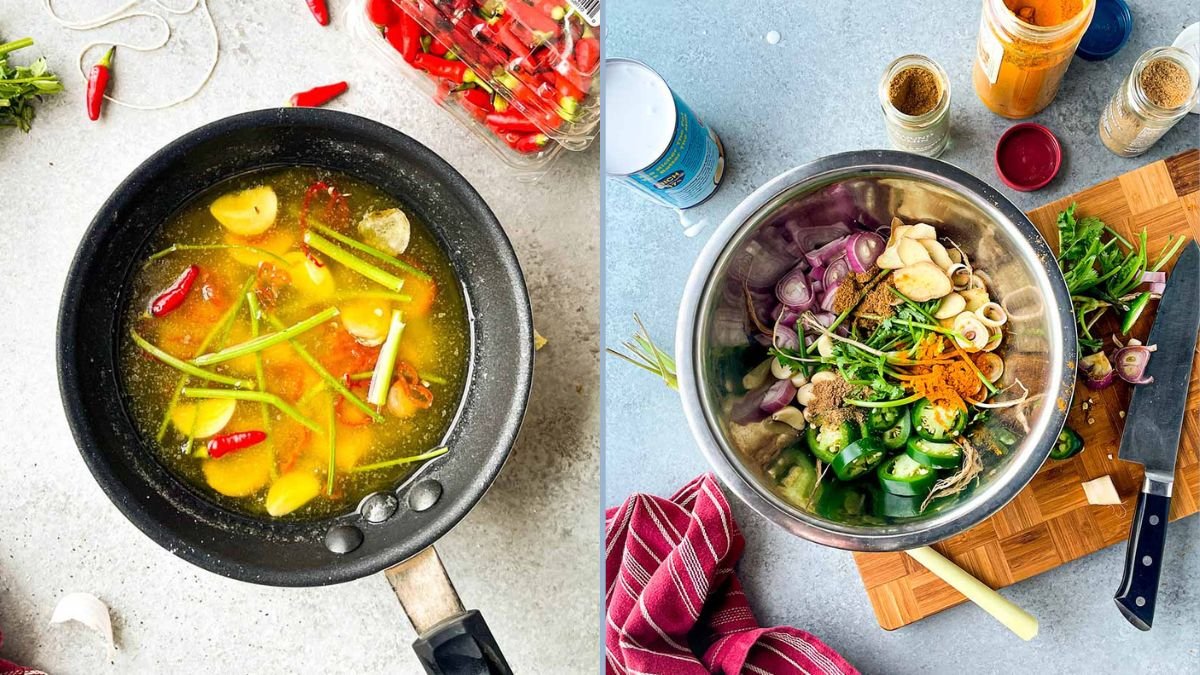
In most kitchens, the fragrant leaves of herbs are celebrated, while their stems are often discarded as waste. However, herb stems are an underrated culinary resource that can add remarkable flavor, nutrition, and sustainability to cooking. Using herb stems wisely not only enhances the depth of dishes but also reduces kitchen waste, making it an eco-friendly and creative culinary practice.
This article explores the importance of using herb stems in cooking, identifying which stems are edible, how they can be incorporated into vegetarian dishes, and the nutritional and environmental benefits of embracing the whole herb.
Understanding the Culinary Value of Herb Stems
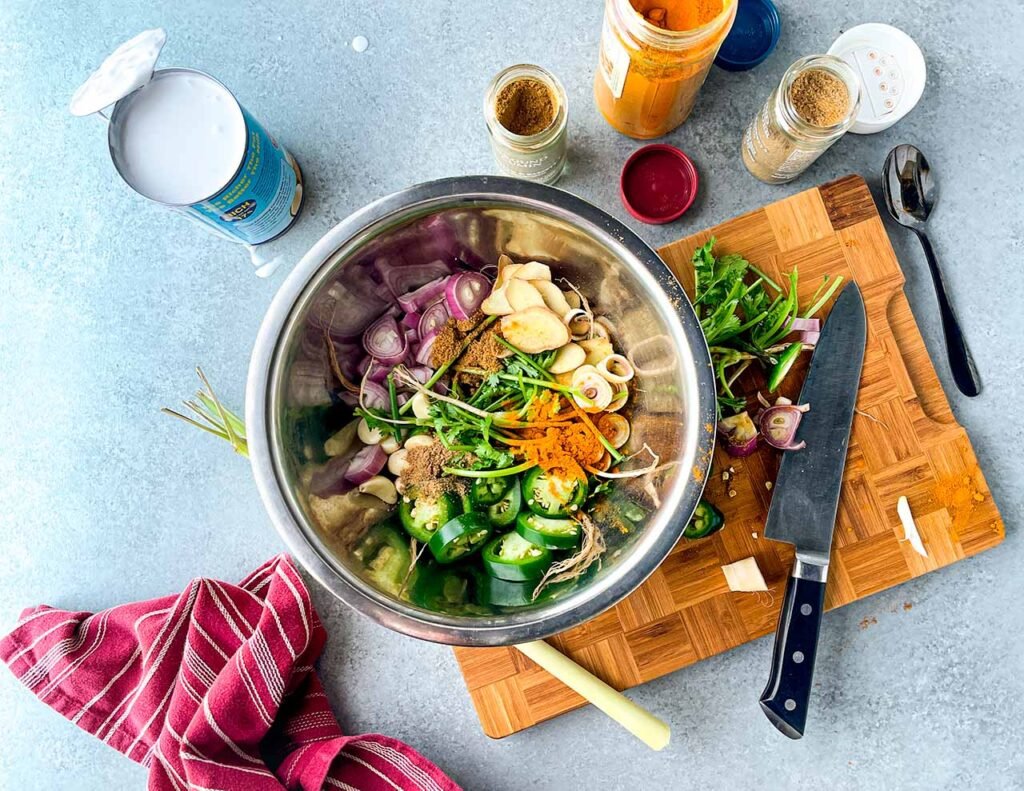
Herbs have been essential in global cuisines for centuries, prized for their aroma, flavor, and medicinal properties. While leaves are typically preferred, the stems often contain concentrated oils, flavors, and nutrients that rival or even surpass those found in the leaves.
The stems of herbs like coriander, parsley, basil, mint, and dill are packed with essential oils and aromatic compounds. Their tougher texture makes them less ideal for garnishing, but when cooked properly or processed, they release flavor gradually—making them perfect for soups, sauces, stews, and infusions.
Why Stems Are Often Overlooked
Most people discard herb stems because of misconceptions about their texture and usability. However, with a little knowledge and creativity, stems can become valuable additions to various recipes. Unlike woody stems (like those of rosemary or thyme), soft and tender stems (such as those from coriander or parsley) are completely edible and can be processed to enhance both flavor and nutrition.
Types of Herb Stems and Their Uses
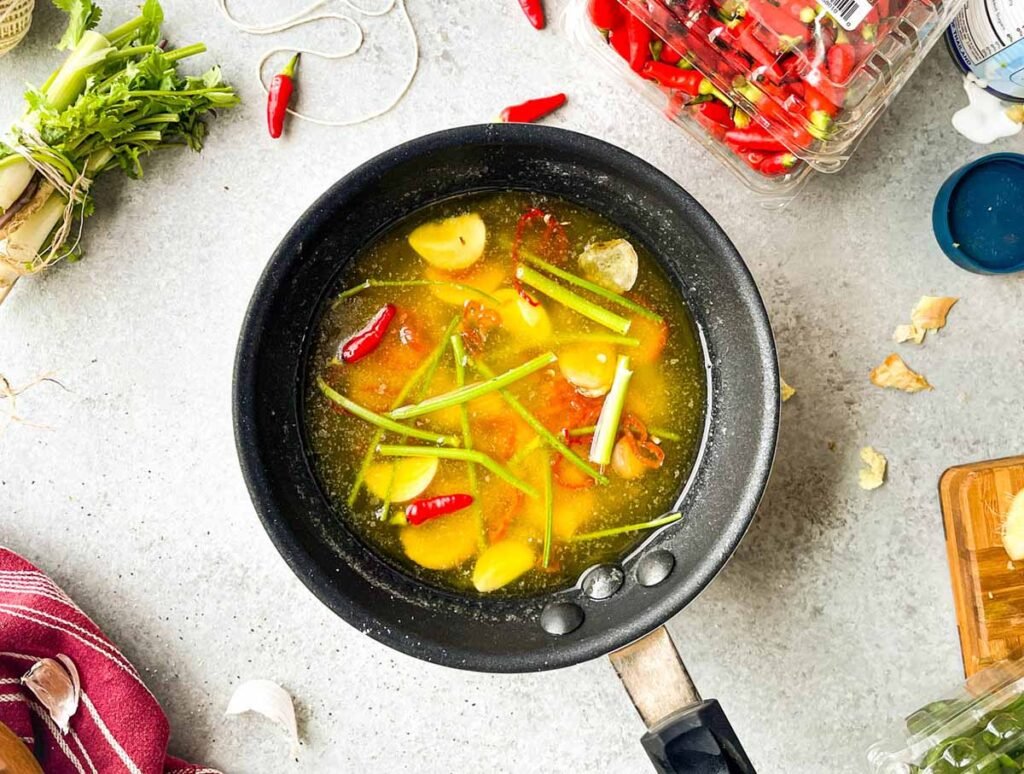
Not all herb stems are created equal. Some are tender and flavorful, while others are woody and better used for infusions. Understanding the characteristics of each herb helps determine the best use for its stems.
1. Coriander (Cilantro) Stems
Coriander stems are soft, juicy, and intensely flavorful. They have a slightly more concentrated taste than the leaves and are commonly used in chutneys, soups, and stir-fries. Finely chopped coriander stems can be blended into sauces, marinades, or green curries for an extra burst of freshness.
Uses:
- Blend into coriander chutney or salsa verde.
- Add to soups or lentil stews for a strong, aromatic flavor.
- Use in herb pastes or marinades.
2. Parsley Stems
Parsley stems are fibrous but flavorful. When chopped finely or simmered, they release a mild, earthy aroma. They are excellent in stocks, soups, or herbal sauces like gremolata or chimichurri.
Uses:
- Simmer in vegetable stock for enhanced aroma.
- Blend into pesto or green dips.
- Add to grain salads for texture and taste.
3. Basil Stems
Basil stems contain essential oils that intensify when crushed or cooked. Although slightly tougher than the leaves, they can be used in sauces, soups, or infused oils.
Uses:
- Add to tomato-based sauces for depth of flavor.
- Use to infuse olive oil or vinegar.
- Blend into basil pesto for extra fragrance.
4. Mint Stems
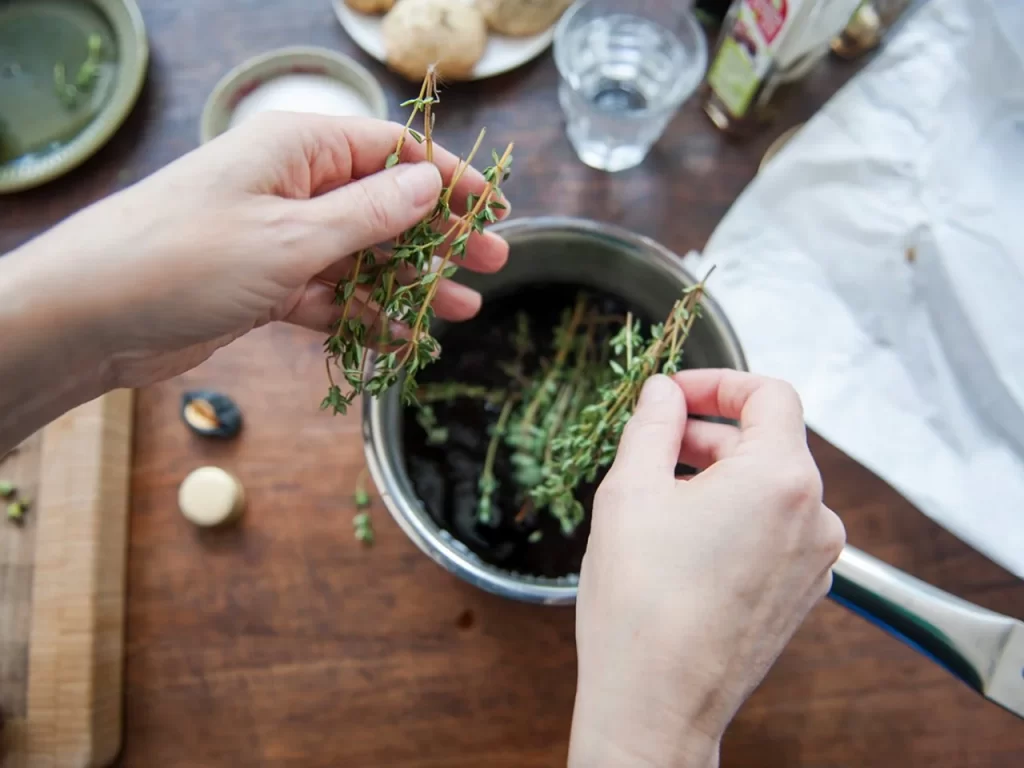
Mint stems are tender and aromatic, adding coolness to both sweet and savory dishes. They can be steeped in teas, blended into drinks, or used to infuse syrups.
Uses:
- Steep in hot water for herbal tea.
- Blend into chutneys or smoothies.
- Use to infuse syrups for desserts.
5. Dill Stems
Dill stems carry a mild, anise-like flavor that enhances soups, pickles, and sauces. Though slightly fibrous, they soften when cooked.
Uses:
- Add to soups and stews for aroma.
- Use in pickle jars for flavoring.
- Blend with yogurt or dips for a tangy freshness.
6. Cilantro and Celery-Like Stems (Such as Fennel or Lemongrass)
Certain herb-like stems such as fennel or lemongrass are thicker and tougher but offer remarkable flavor when cooked slowly.
Uses:
- Bruise and simmer in soups or stews to release essential oils.
- Remove before serving (as with bay leaves).
- Use as a flavoring base for herbal broths.
Techniques for Using Herb Stems Effectively
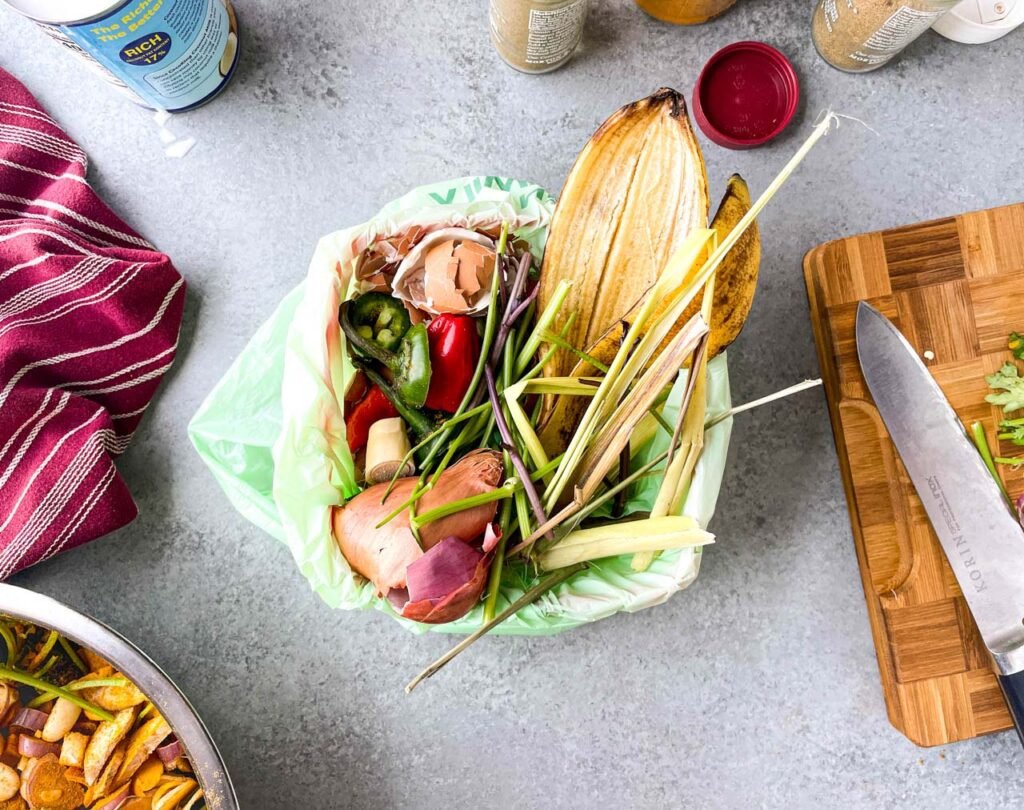
To use herb stems effectively, one must match the preparation method to the stem’s texture and flavor intensity. Here are some culinary techniques:
1. Blending and Pureeing
Soft stems like those of coriander, basil, or parsley can be blended with leaves, garlic, nuts, and oil to create pestos, chutneys, or herb pastes. Blending breaks down the fibers and releases the concentrated oils, giving smooth consistency and stronger flavor.
Example: A coriander-mint chutney made with both leaves and stems is more vibrant and aromatic than one made with leaves alone.
2. Simmering in Stocks or Soups
Harder or fibrous stems, such as those from parsley or dill, are best used in simmering dishes. Add them to broths, soups, or curries during cooking and strain them out before serving. They add subtle depth without overpowering the dish.
3. Infusing Oils and Vinegars
Herb stems can be used to flavor olive oils, vinegar, or syrups naturally. Simply place washed stems in the liquid, allow them to steep for several days, and strain. These infusions enhance salads, roasted vegetables, and sauces.
4. Finely Chopping for Texture
Tender stems can be finely minced and added directly to dishes for crunch and flavor. For example, adding chopped coriander or parsley stems to vegetable stir-fries enhances freshness and aroma.
5. Cooking and Softening
Stems that are slightly tough can be softened by light cooking. They can be sautéed with onions and garlic as a base for soups, sauces, or vegetable gravies.
Herb Stem Recipes (Vegetarian Focused)
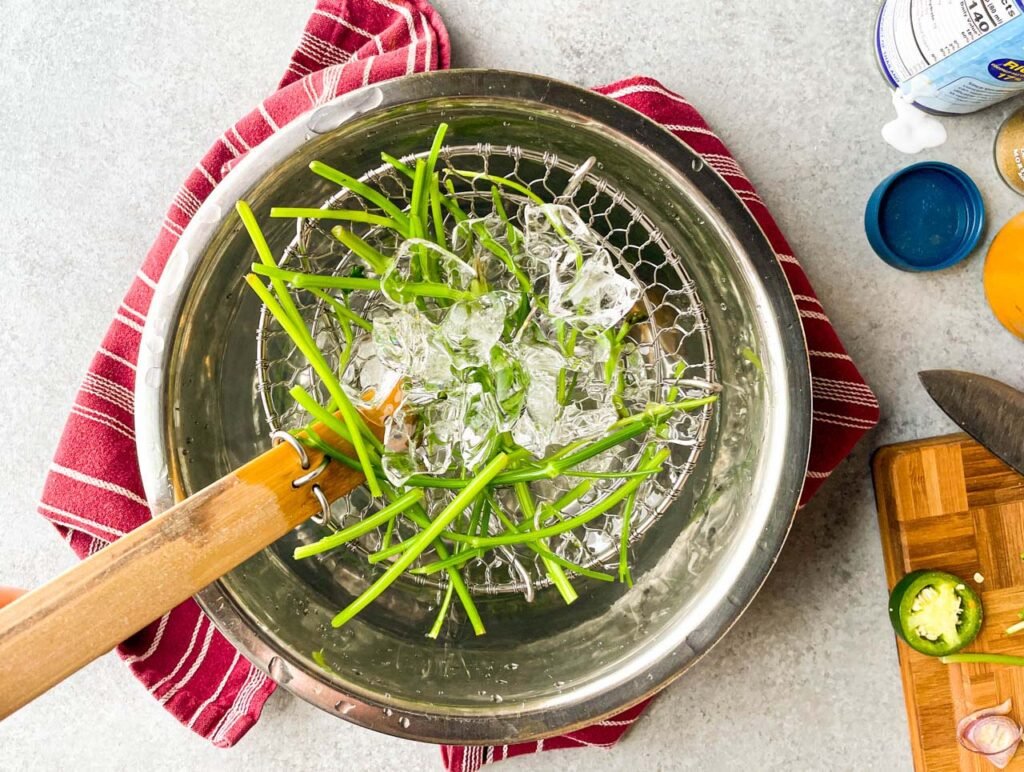
1. Herb Stem Pesto
Ingredients:
- 1 cup mixed herb stems (parsley, basil, coriander)
- ½ cup nuts (almonds or walnuts)
- 2 cloves garlic
- ½ cup olive oil
- 2 tbsp lemon juice
- Salt to taste
Method:
Blend all ingredients into a smooth paste. Use as a spread for bread, pasta sauce, or salad dressing.
2. Coriander Stem Chutney
Ingredients:
- 1 cup coriander stems and leaves
- ½ cup mint leaves
- 1 green chili
- 1 tbsp lemon juice
- Salt to taste
Method:
Blend all ingredients with a little water until smooth. Serve with snacks or rice dishes.
3. Herb-Infused Vegetable Stock
Ingredients:
- Assorted vegetable scraps
- Parsley and dill stems
- 2 cloves garlic
- 1 onion (halved)
- 1 tsp peppercorns
Method:
Simmer all ingredients in 2 liters of water for 40 minutes. Strain and store. Use for soups or gravies for enhanced aroma.
Nutritional and Environmental Benefits
1. Nutritional Value
Herb stems are rich in essential oils, antioxidants, fiber, and vitamins A, C, and K. Consuming the entire plant increases nutrient intake while supporting digestion and immunity.
2. Reducing Food Waste
Utilizing herb stems minimizes kitchen waste. Instead of discarding nutrient-rich parts, you maximize the use of ingredients and promote sustainable cooking practices.
3. Cost-Effective Cooking
By using stems that would otherwise be thrown away, home cooks can extend the value of their purchases, saving money and enhancing meals at the same time.
4. Environmental Sustainability
Reducing food waste lowers the overall carbon footprint. Making full use of herbs reflects responsible consumption and supports eco-friendly living.
Tips for Cooking with Herb Stems
- Wash Thoroughly: Stems often trap more dirt than leaves; rinse them properly before use.
- Chop Finely: Smaller pieces ensure even blending and prevent fibrous textures.
- Balance Flavors: Stems are more intense than leaves—use them moderately at first.
- Combine with Leaves: For balanced flavor, use stems and leaves together.
- Preserve Extra Stems: Freeze leftover stems in ice cube trays with olive oil or water for future use.
Herbs to Use with Caution
Some herb stems are woody or too strong in flavor. Stems from rosemary, thyme, or sage can be used for infusing but not eaten directly due to their tough texture. Always remove these before serving.
Cultural and Historical Use of Herb Stems
Across cultures, traditional cuisines have long used herb stems:
- Indian cuisine uses coriander and mint stems in chutneys and gravies.
- Mediterranean cooking often simmers parsley and basil stems in tomato sauces.
- Southeast Asian dishes feature lemongrass and coriander roots for depth of flavor in soups.
These practices demonstrate that using herb stems is not a new concept—it is a revival of resourceful, traditional cooking methods that respect the entirety of natural produce.
Conclusion
Using herb stems in cooking is a simple yet impactful way to enhance flavor, nutrition, and sustainability in vegetarian cuisine. From aromatic pestos to flavorful stocks and chutneys, stems offer endless possibilities when treated with creativity and care.
This practice reduces kitchen waste, conserves resources, and transforms overlooked plant parts into culinary treasures. By embracing herb stems, cooks not only celebrate the full potential of nature’s bounty but also contribute to sustainable and mindful cooking traditions.
The next time you reach for a bunch of fresh herbs, remember that the stems hold just as much magic as the leaves—waiting to bring depth, aroma, and meaning to your dishes.