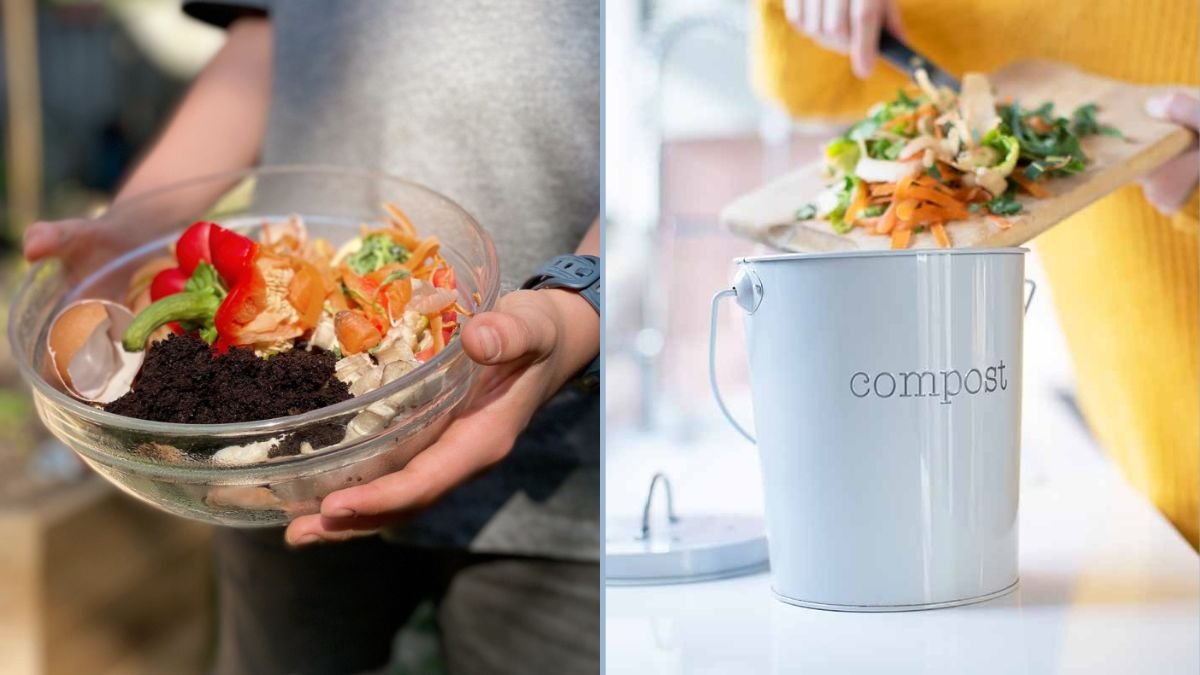
In modern kitchens, a significant amount of vegetable waste is generated daily, ranging from peels and stems to cores and leaves. While these by-products are often discarded, they contain valuable nutrients, flavors, and fibers that can be repurposed creatively. Reusing kitchen vegetable waste not only promotes sustainability and reduces household waste but also enhances culinary innovation and nutritional intake. This article explores the importance of reusing vegetable waste, practical strategies, and creative applications in vegetarian cooking.
Understanding Vegetable Waste
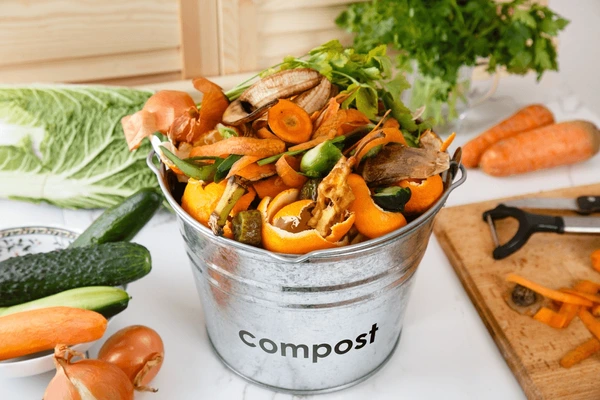
Vegetable waste includes any part of a vegetable that is typically not consumed, such as:
- Peels: Potato, carrot, cucumber, and zucchini peels are often discarded but contain fiber, vitamins, and antioxidants.
- Stems and Leaves: Broccoli stems, cauliflower leaves, beet greens, and carrot tops are nutrient-dense and flavorful.
- Cores and Seeds: Tomato cores, bell pepper seeds, and squash seeds can be repurposed for stocks or snacks.
- Trimmings: Ends of leeks, onions, and garlic cloves provide aromatic compounds ideal for flavoring dishes.
Discarding these materials contributes to environmental waste and nutrient loss. By rethinking the use of kitchen scraps, households can turn what was once considered refuse into culinary treasures.
Nutritional Value of Vegetable Waste
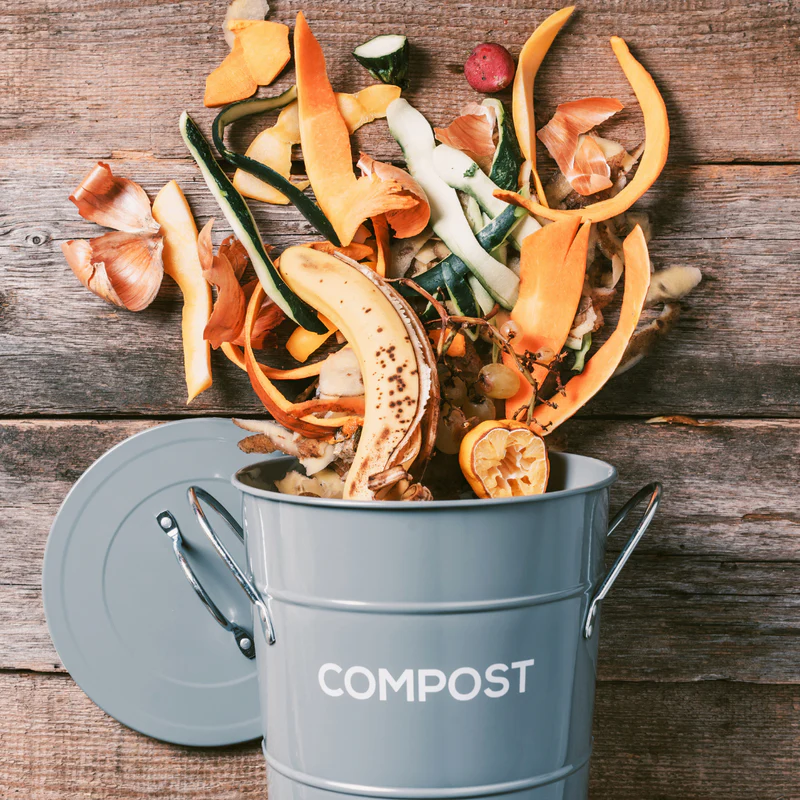
Many vegetable by-products are rich in nutrients often overlooked:
- Peels: Potato and carrot peels contain fiber, potassium, and antioxidants. Citrus peels are high in vitamin C and flavonoids.
- Stems and Leaves: Broccoli stems and beet greens provide vitamins A, C, and K, calcium, and iron.
- Seeds: Pumpkin and squash seeds are rich in protein, healthy fats, and minerals.
- Trimmings: Onion and garlic trimmings contain sulfur compounds with antioxidant and antimicrobial properties.
Utilizing vegetable waste not only reduces environmental impact but also enhances the nutritional profile of meals.
Strategies for Reusing Vegetable Waste
1. Making Vegetable Stocks
One of the most common and practical uses of vegetable waste is making homemade stocks. Vegetable peels, stems, and cores can be simmered in water with herbs and spices to create nutrient-rich broths. Examples include:
- Carrot and Potato Peel Stock: Simmer peels with onion ends, garlic, and parsley for a flavorful base.
- Broccoli Stem and Cauliflower Leaf Stock: Adds subtle vegetal sweetness suitable for soups and risottos.
- Tomato Core and Bell Pepper Seed Stock: Ideal for enhancing sauces or vegetarian stews.
Once cooked, strain the liquid and store in airtight containers in the refrigerator or freezer for later use.
2. Creating Vegetable Chips and Snacks
Certain peels and stems can be transformed into crispy, healthy snacks:
- Potato and Sweet Potato Peels: Toss in olive oil, salt, and spices, then bake until crisp.
- Carrot and Zucchini Peels: Season with paprika or garlic powder and roast for a nutritious snack.
- Kale and Beet Greens: Lightly coat with olive oil and bake into crunchy chips.
These snacks provide fiber, vitamins, and antioxidants while minimizing waste.
3. Preparing Pestos and Sauces
Stems and leaves of herbs and vegetables can be blended into flavorful sauces:
- Broccoli Stem Pesto: Combine chopped stems, garlic, olive oil, nuts, and parmesan or plant-based alternatives.
- Carrot Top Chimichurri: Blend carrot greens with parsley, garlic, vinegar, and olive oil for a zesty sauce.
- Beet Green Pesto: Combine beet leaves with nuts, lemon juice, and olive oil for a vibrant green topping.
These creative sauces add nutrition and flavor to pasta, grains, sandwiches, and salads.
4. Pickling and Fermentation
Vegetable scraps can be repurposed through pickling and fermentation:
- Pickled Carrot Tops and Radish Greens: Submerge in vinegar, salt, and spices for tangy accompaniments.
- Fermented Broccoli Stems: Lacto-fermentation preserves nutrients and creates probiotic-rich condiments.
- Cucumber End Pickles: Utilize the ends and trimmings for quick, crunchy pickles.
Fermentation not only extends shelf life but also introduces beneficial bacteria that support digestive health.
5. Making Flavored Oils and Vinegars
Herb stems and vegetable scraps can be used to infuse oils and vinegars:
- Garlic and Onion Stem Oil: Heat stems gently in olive oil to extract aroma, then strain for a flavorful cooking oil.
- Herb Vinegar: Infuse leftover basil stems, rosemary, or parsley in vinegar for salad dressings and marinades.
- Vegetable Scrap Oil: Peels of carrots, parsnips, and fennel can impart subtle flavors to oil, suitable for drizzling or cooking.
These infusions add depth to vegetarian dishes without additional cost.
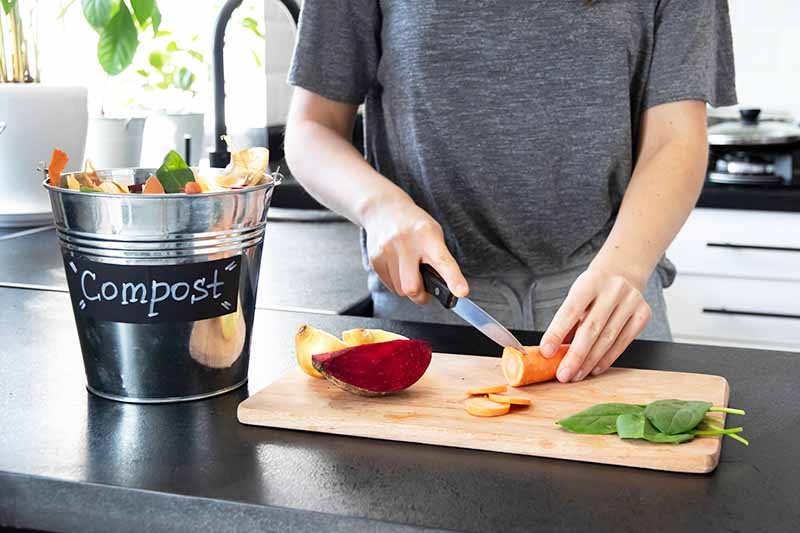
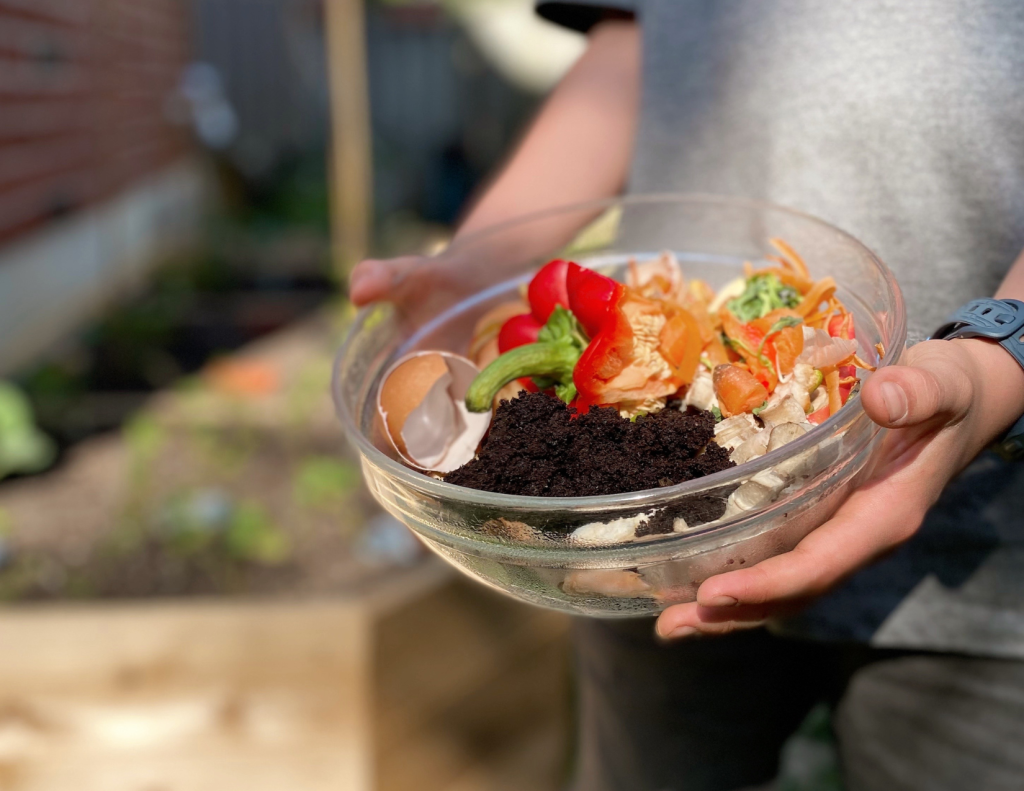
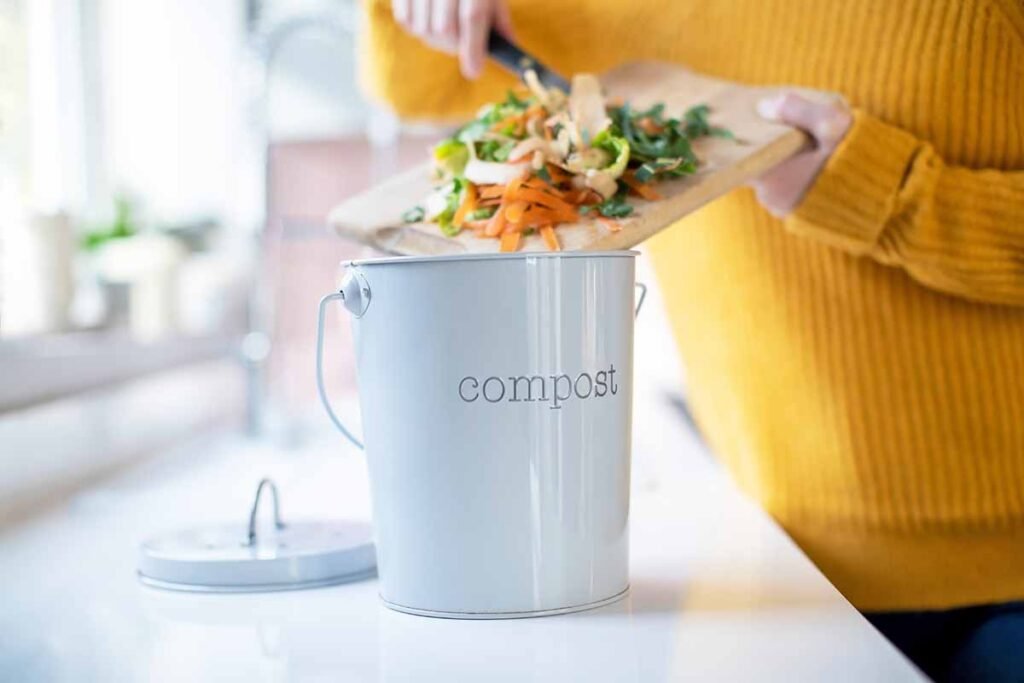
6. Composting for Sustainable Gardening
Even when vegetable scraps cannot be directly repurposed for cooking, they can be composted to create nutrient-rich soil. Composting reduces landfill waste, decreases greenhouse gas emissions, and produces organic fertilizer suitable for growing more vegetables and herbs.
Creative Recipe Ideas Using Vegetable Waste
- Carrot Top Pesto Pasta: Blend carrot greens, garlic, olive oil, nuts, and lemon juice; toss with cooked pasta.
- Potato Peel Crisps with Herb Salt: Bake potato peels coated in olive oil and rosemary; sprinkle with sea salt.
- Vegetable Scrap Stock Soup: Combine all collected vegetable scraps with water, simmer, strain, and use as soup base.
- Pickled Radish Greens: Quick-pickle greens with vinegar, sugar, and salt for a tangy side dish.
- Broccoli Stem Stir-Fry: Peel and slice stems thinly; sauté with garlic, soy sauce, and sesame seeds for a crunchy side.
These recipes showcase how scraps can be transformed into flavorful, nutritious, and attractive dishes.
Environmental and Economic Benefit
Reusing vegetable waste has multiple benefits:
- Reduces Food Waste: By repurposing scraps, households contribute less to landfills.
- Lowers Grocery Costs: Maximizes the use of purchased vegetables, reducing the need for additional ingredients.
- Promotes Sustainability: Reduces demand for excessive packaging and transport associated with purchasing processed foods.
- Enhances Culinary Skills: Encourages creativity in the kitchen and experimentation with new flavors and textures.
Best Practices for Handling Vegetable Waste
- Wash Thoroughly: Clean all scraps to remove dirt and pesticides.
- Store Properly: Keep scraps in airtight containers in the refrigerator if not used immediately.
- Use Promptly: Fresh scraps are best utilized within a few days for optimal flavor and nutrient retention.
- Separate Types: Keep peels, stems, and leaves separate to optimize their culinary use.
- Label and Rotate: Track storage dates to prevent spoilage and ensure safety.
Conclusion
Reusing kitchen vegetable waste creatively is a practical, sustainable, and nutritious practice that benefits both households and the environment. By transforming peels, stems, leaves, and cores into stocks, sauces, snacks, pickles, and infused oils, cooks can maximize the value of their produce while reducing waste.
Beyond environmental and economic advantages, reusing vegetable waste enhances vegetarian cuisine by adding flavor, texture, and nutrients to dishes. It encourages culinary experimentation and demonstrates that sustainability and gastronomy can coexist harmoniously in everyday cooking.
By adopting these practices, households and chefs alike can contribute to a more sustainable food system, minimize waste, and enjoy creative, nutritious meals that make the most of every vegetable purchased. Reusing vegetable waste is not just a practical choice; it is a culinary philosophy that transforms what was once discarded into a source of inspiration, taste, and health.