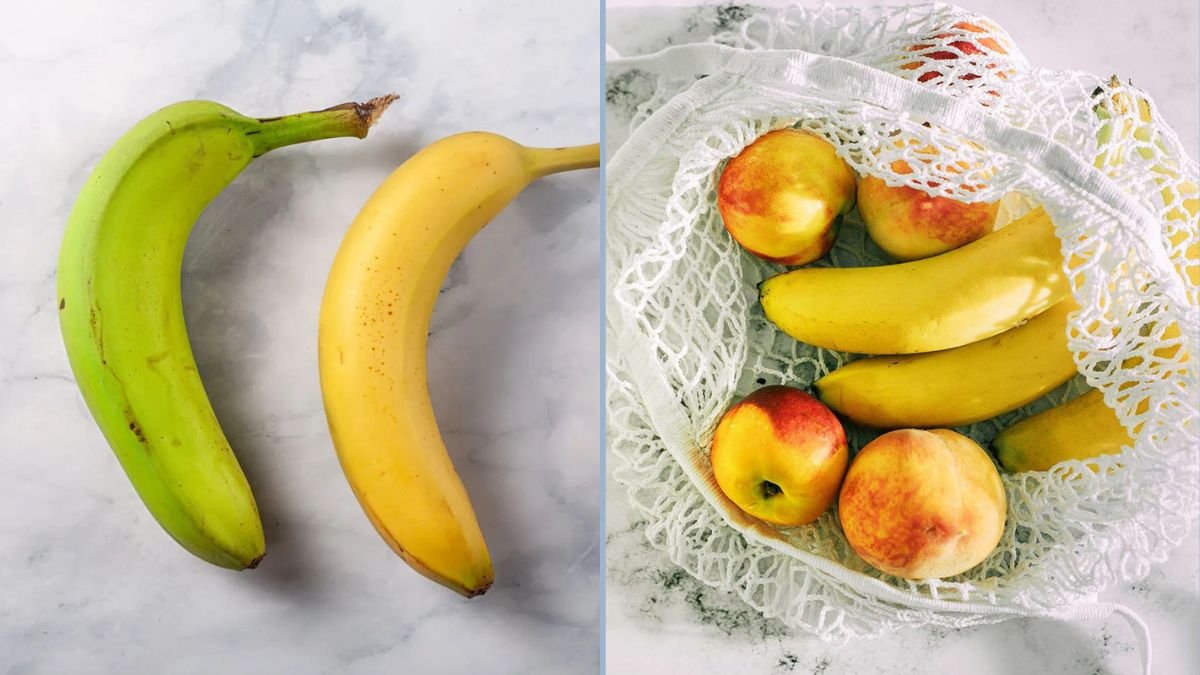
Fruits are an essential part of a healthy diet, providing vital vitamins, minerals, antioxidants, and natural sweetness. However, a common challenge for households is consuming fruits at their optimal ripeness. Fruits are often purchased underripe due to transportation or storage requirements, and improper ripening can lead to a loss of flavor, texture, and nutritional value. Understanding how to manage and accelerate fruit ripening at home is essential for maximizing taste, extending usability, and minimizing food waste. This article provides detailed insights and practical techniques for achieving perfectly ripened fruits in a safe, natural, and vegetarian-friendly manner.
Understanding Fruit Ripening
Ripening is a natural physiological process in fruits, involving chemical, enzymatic, and structural changes that convert starches into sugars, soften the flesh, and enhance aroma and color. There are two main categories of fruits based on their ripening behavior:
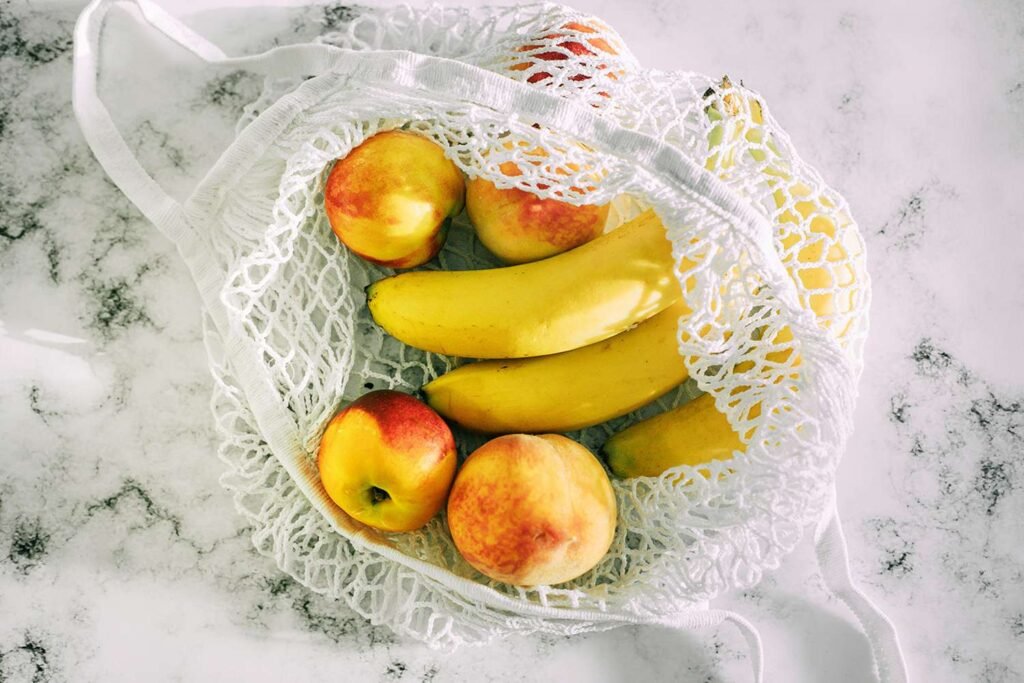
- Climacteric Fruits: These fruits continue to ripen after being harvested. Examples include bananas, mangoes, avocados, pears, peaches, and tomatoes. Climacteric fruits produce ethylene gas, a plant hormone that triggers ripening, making them responsive to storage conditions and ripening techniques.
- Non-Climacteric Fruits: These fruits do not ripen significantly once harvested and must reach full maturity on the plant. Examples include strawberries, grapes, cherries, and citrus fruits. For these fruits, choosing ripe specimens at purchase is critical.
Understanding these categories helps in applying appropriate methods to accelerate or control the ripening process effectively.
Factors Influencing Fruit Ripening
Several factors influence how quickly fruits ripen at home:
- Ethylene Gas Exposure: Many fruits produce ethylene, which stimulates ripening. Climacteric fruits can be ripened faster by controlling ethylene exposure.
- Temperature: Temperature affects enzymatic activity and sugar conversion. Warmer environments accelerate ripening, while cooler temperatures slow it down.
- Humidity: Proper moisture levels prevent fruit dehydration while ensuring enzymatic processes occur efficiently.
- Airflow: Proper ventilation prevents mold and ensures even ripening. Storing fruits in airtight containers or sealed plastic bags can trap ethylene and speed up the process.
Quick Tips for Ripening Fruits at Home
1. Using Paper Bags
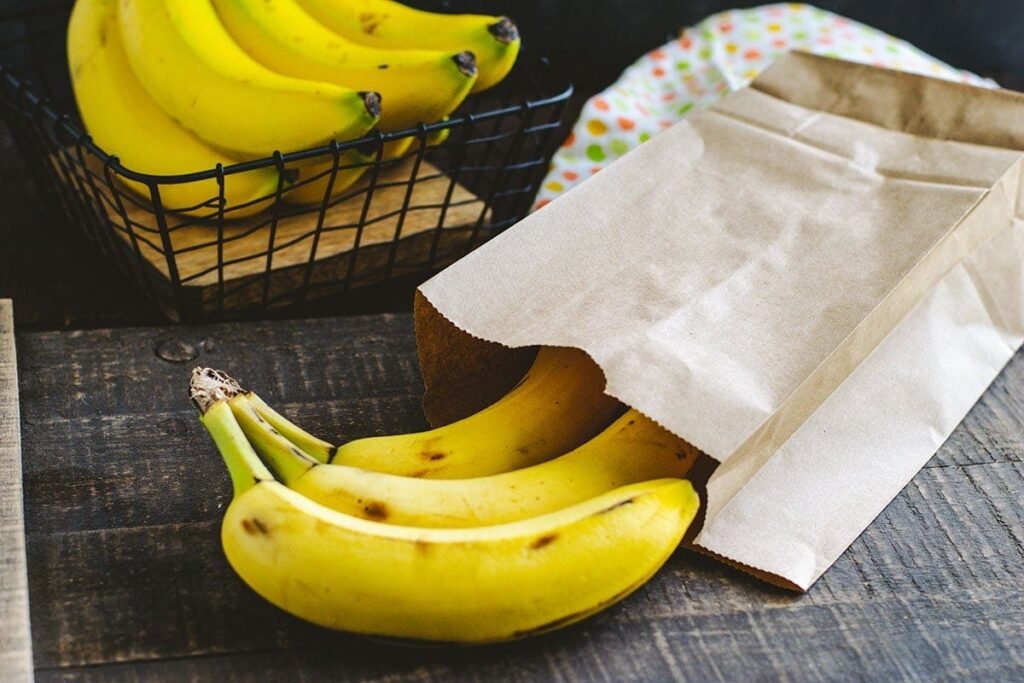
A simple and effective method to accelerate ripening is to place climacteric fruits in a paper bag. The bag traps ethylene gas released by the fruit, concentrating it around the produce and accelerating ripening. For example:
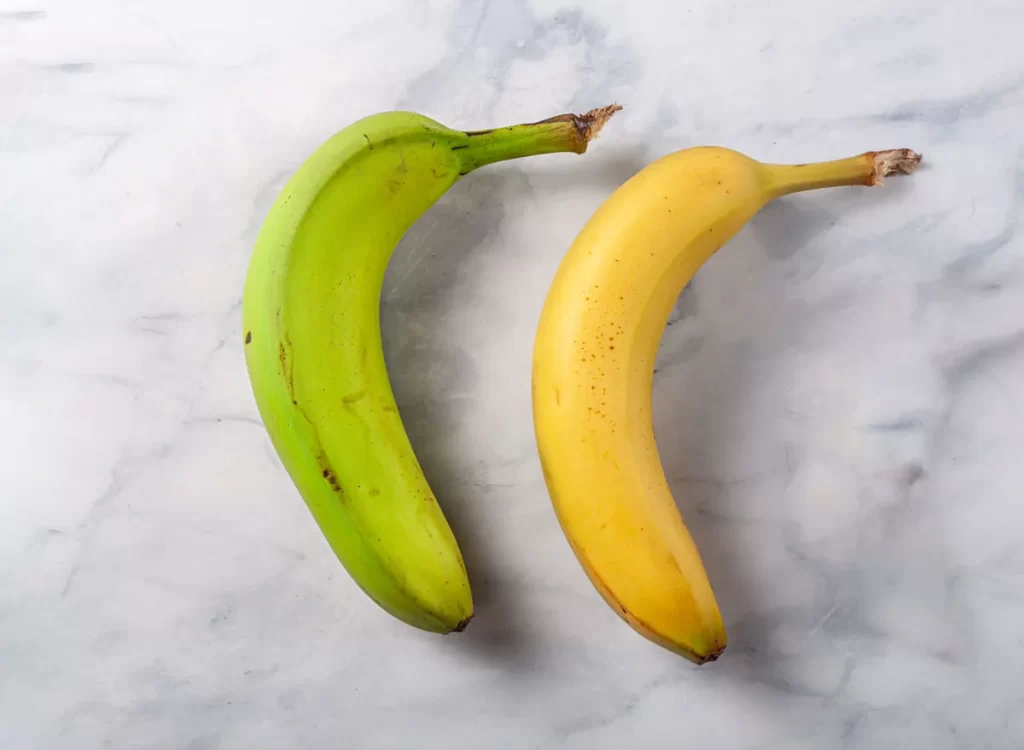
- Bananas: Place bananas in a brown paper bag to ripen faster within 1–2 days. Adding an apple or a ripe avocado can enhance the process due to the combined ethylene emissions.
- Avocados: Store in a paper bag with a banana for 2–3 days to reach ideal softness for guacamole or salads.
Avoid using plastic bags for this method, as they can trap moisture and create an environment conducive to mold growth.
2. Utilizing Natural Warmth
Temperature plays a key role in fruit ripening. Storing fruits at room temperature (20–25°C / 68–77°F) accelerates enzymatic activity, while cooler storage slows ripening:
- Peaches and Nectarines: Keep on the kitchen counter away from direct sunlight for 2–3 days to achieve optimal juiciness and sweetness.
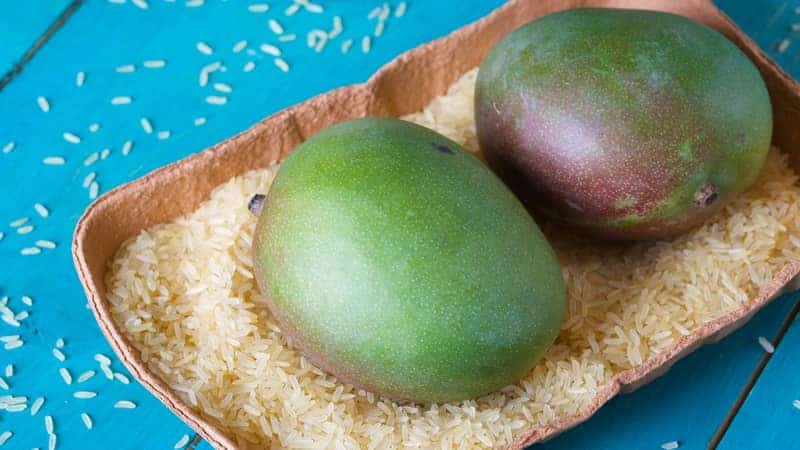
- Mangoes: Store at room temperature in a fruit bowl; gently pressing the fruit can indicate ripeness without over-ripening.
3. Ethylene Gas Concentration
Climacteric fruits can ripen faster when exposed to additional ethylene sources:
- Bananas: Produce significant ethylene and can ripen nearby mangoes, papayas, or avocados.
- Apples: Keep in a bowl with pears or plums to accelerate their ripening process.
Separating ethylene-producing fruits from sensitive or non-climacteric fruits prevents premature spoilage.
4. Using Heat or Warm Water
For some fruits, controlled heat or warm water can enhance ripening:
- Tomatoes: Placing tomatoes on a windowsill with indirect sunlight can improve color and flavor.
- Avocados: Briefly immersing in warm (not hot) water for 10–15 minutes can stimulate enzymatic processes, shortening ripening time.
5. Controlled Humidity Environment
Maintaining adequate moisture prevents fruits from dehydrating, which can lead to shriveled skin and reduced sweetness. A small humid area, such as a countertop bowl covered with a breathable cloth, allows humidity to remain stable while preventing excess moisture accumulation.
6. Monitoring and Rotating Fruits
Regularly checking fruits for softness, color change, and aroma helps in avoiding over-ripening. Rotate fruits so those that ripen first are used immediately, reducing food waste. Signs of ripeness vary:
- Bananas: Yellow with small brown spots, slightly soft to the touch.
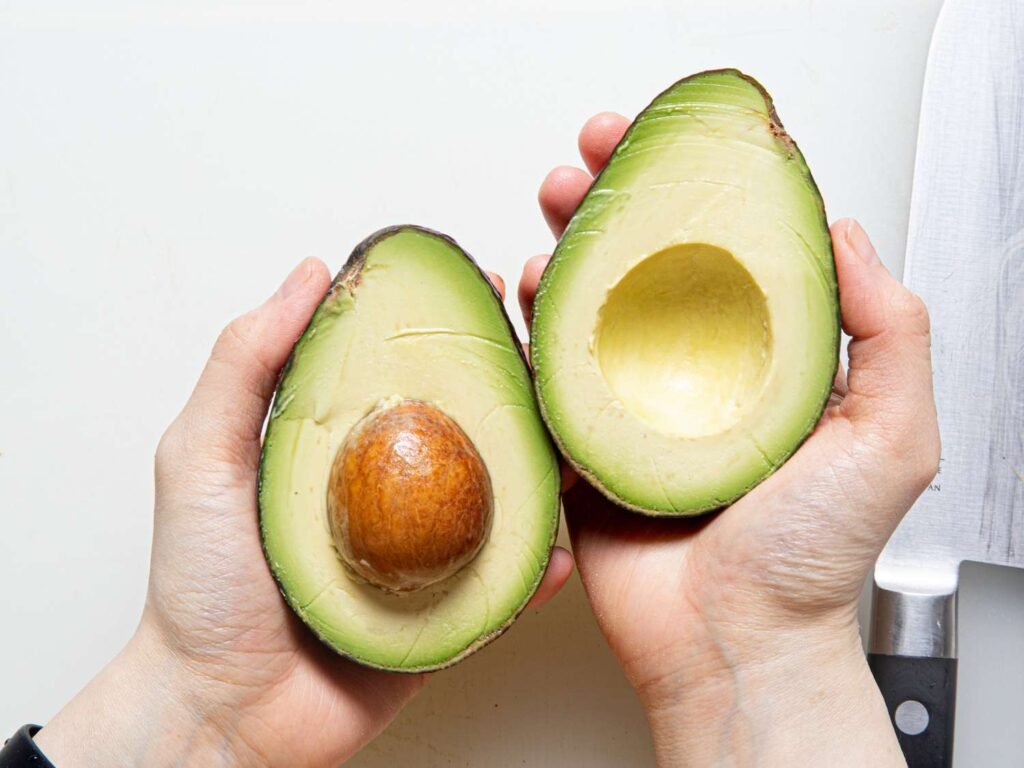
- Avocados: Yield to gentle pressure without feeling mushy.
- Mangoes: Fragrant aroma near the stem, skin slightly soft.
- Pears: Slight pressure at the neck or top of the fruit should yield without bruising.
7. Freezing for Later Use
If fruits ripen faster than they can be consumed, freezing is a practical option:
- Peel, pit, and slice fruits like mangoes, bananas, or peaches.
- Lay on a tray to freeze individually before transferring to airtight freezer bags.
- Frozen fruits retain nutrients and can be used in smoothies, desserts, or compotes.
Creative Applications of Ripened Fruits
Properly ripened fruits can elevate vegetarian dishes in multiple ways:
- Smoothies: Bananas, mangoes, and peaches provide natural sweetness and creaminess.
- Salads: Mango, apple, or pear slices add flavor, texture, and color.
- Baked Goods: Overripe bananas or apples can be mashed for muffins, cakes, and breads.
- Sauces and Chutneys: Soft, sweet fruits create naturally flavorful sauces without added sugar.
- Snacks: Sliced ripened fruits can be dehydrated or lightly roasted for healthy treats.
Nutritional Benefits of Properly Ripened Fruits
Ripening transforms starches into sugars, enhancing sweetness and digestibility. Additionally, fully ripened fruits offer:
- Higher Antioxidant Levels: Ripened fruits contain elevated levels of phenolic compounds and vitamin C.
- Improved Digestibility: Softer textures are easier to chew and metabolize.
- Enhanced Flavor and Aroma: Volatile compounds develop fully during ripening, making fruits more palatable and appealing.
By ensuring fruits reach optimal ripeness, households maximize both the culinary and nutritional value of produce.
Common Mistakes to Avoid
- Refrigerating Too Early: Some fruits, like bananas, peaches, and mangoes, stop ripening when stored in the fridge. Refrigeration should only be used after ripening to extend shelf life.
- Using Plastic Bags: Trapping moisture in plastic can cause mold and spoilage. Paper bags or breathable containers are safer for ripening.
- Ignoring Ethylene Sensitivity: Storing ethylene-sensitive fruits like berries with ethylene producers can accelerate spoilage.
Conclusion
Mastering fruit ripening at home is a combination of understanding fruit physiology, controlling storage conditions, and employing practical techniques. From using paper bags and room-temperature storage to leveraging ethylene gas and warm water, households can achieve perfectly ripened fruits that are flavorful, aromatic, and nutritionally optimized.
Properly ripened fruits enhance a variety of vegetarian dishes, reduce waste, and maximize the health benefits of produce. By implementing these quick tips, home cooks can ensure fruits are ready for consumption when needed, fostering both culinary enjoyment and sustainable food practices.
Through careful attention to temperature, humidity, ethylene management, and storage techniques, the challenge of unripened or overripe fruits can be easily overcome, ensuring that every fruit reaches its peak flavor and nutrition.