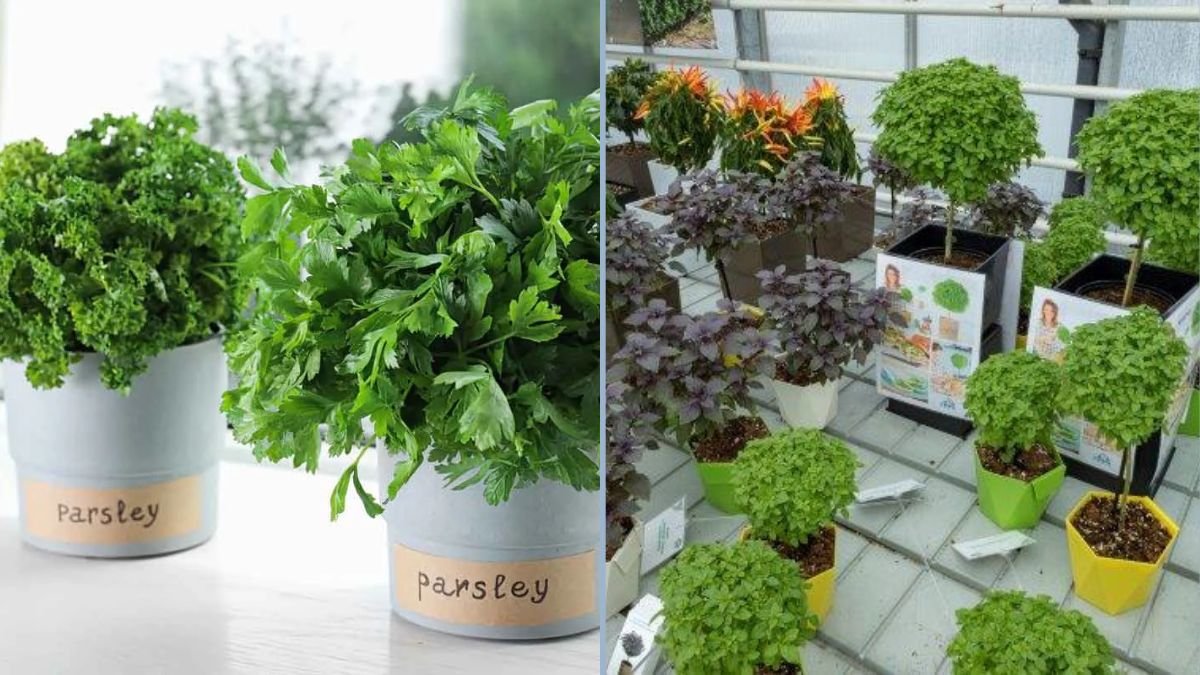
Herbs are essential in kitchens around the world, enhancing dishes with flavor, aroma, and nutrition. Beyond their culinary uses, many herbs have medicinal properties, soothing qualities, and can even improve indoor air quality. Growing garden herbs indoors is an excellent solution for year-round access, particularly in urban or small-space environments. However, one of the key challenges is maintaining their aromatic quality over time. The aroma of herbs is a reflection of their essential oils, which are volatile compounds that can degrade if plants are stressed, improperly watered, or inadequately stored. This article explores practical strategies, scientific principles, and creative methods to keep garden herbs aromatic indoors.
Understanding Herb Aromatics
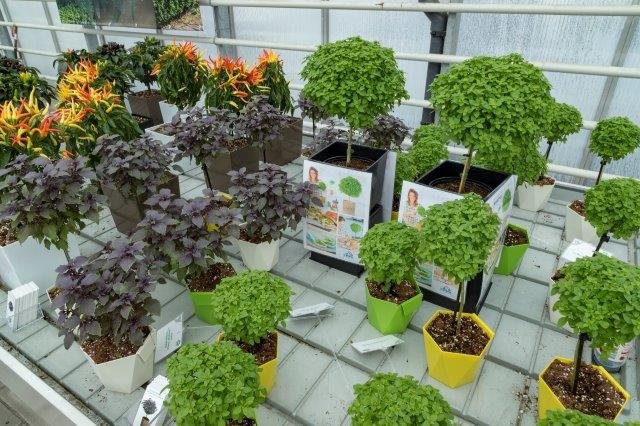
The fragrance of herbs comes from essential oils stored in specialized plant cells, often in leaves, flowers, or stems. These oils contain compounds such as terpenes, phenolics, and aldehydes that give herbs their characteristic aroma and flavor. Factors that influence the concentration and stability of these compounds include:
- Light Exposure: Adequate sunlight is necessary for photosynthesis, which indirectly supports the synthesis of essential oils.
- Temperature: Extremes in temperature can cause stress, reducing oil content. Most herbs thrive in moderate indoor temperatures.
- Watering and Humidity: Overwatering can dilute essential oils, while underwatering stresses the plant. Balanced moisture is critical.
- Pruning and Harvesting: Regular trimming encourages growth and higher essential oil production. Overharvesting can reduce aromatic quality.
Understanding these factors is crucial for maintaining both the flavor and fragrance of indoor herbs.
Choosing Herbs Suitable for Indoor Aromatics
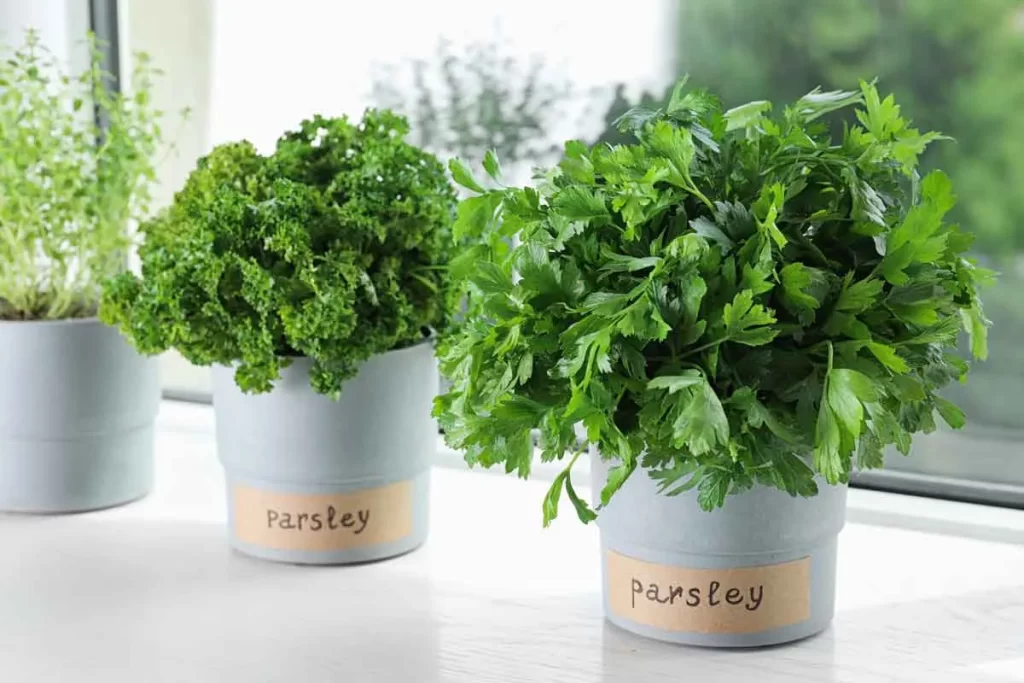
Not all herbs adapt equally to indoor environments. Some varieties maintain their aroma better and are easier to grow indoors:
- Basil (Ocimum basilicum): Known for its sweet and spicy aroma, basil thrives in bright light and warm conditions.
- Mint (Mentha spp.): Vigorous and aromatic, mint prefers moderate temperatures and consistent moisture.
- Rosemary (Rosmarinus officinalis): Woody stems and needle-like leaves hold aromatic oils; rosemary requires good light and well-drained soil.
- Thyme (Thymus vulgaris): Compact, hardy, and highly aromatic, thyme is suitable for small pots and tolerates lower water availability.
- Parsley (Petroselinum crispum): Mildly aromatic leaves, rich in chlorophyll, perform well in bright indirect light.
- Cilantro (Coriandrum sativum): Strong, citrus-like aroma; grows quickly indoors with regular harvesting.
Selecting herbs suited to your indoor climate and lighting ensures consistent aromatic quality.
Strategies for Maintaining Aromatic Quality Indoors
1. Optimal Lighting
Light is a major driver of essential oil production in herbs. Indoor herbs require at least 6–8 hours of bright light daily. Natural sunlight from south-facing windows is ideal. In low-light conditions, consider:
- LED Grow Lights: Full-spectrum LEDs simulate natural sunlight, promoting essential oil synthesis.
- Positioning: Rotate pots periodically to ensure even light exposure and avoid shading.
Proper lighting improves leaf quality, aroma intensity, and overall plant health.
2. Controlled Temperature and Humidity
Most aromatic herbs prefer temperatures between 18–24°C (65–75°F). Avoid placing herbs near radiators, heating vents, or drafty windows, as temperature fluctuations stress the plant and reduce essential oils.
Humidity levels of 40–60% are ideal. For dry indoor environments, particularly during winter, consider:
- Misting: Light misting of leaves in the morning increases humidity without waterlogging soil.
- Pebble Trays: Place pots on trays with water and pebbles to create localized humidity.
- Humidifiers: Maintain consistent moisture in the air for sensitive herbs like basil and cilantro.
3. Proper Watering
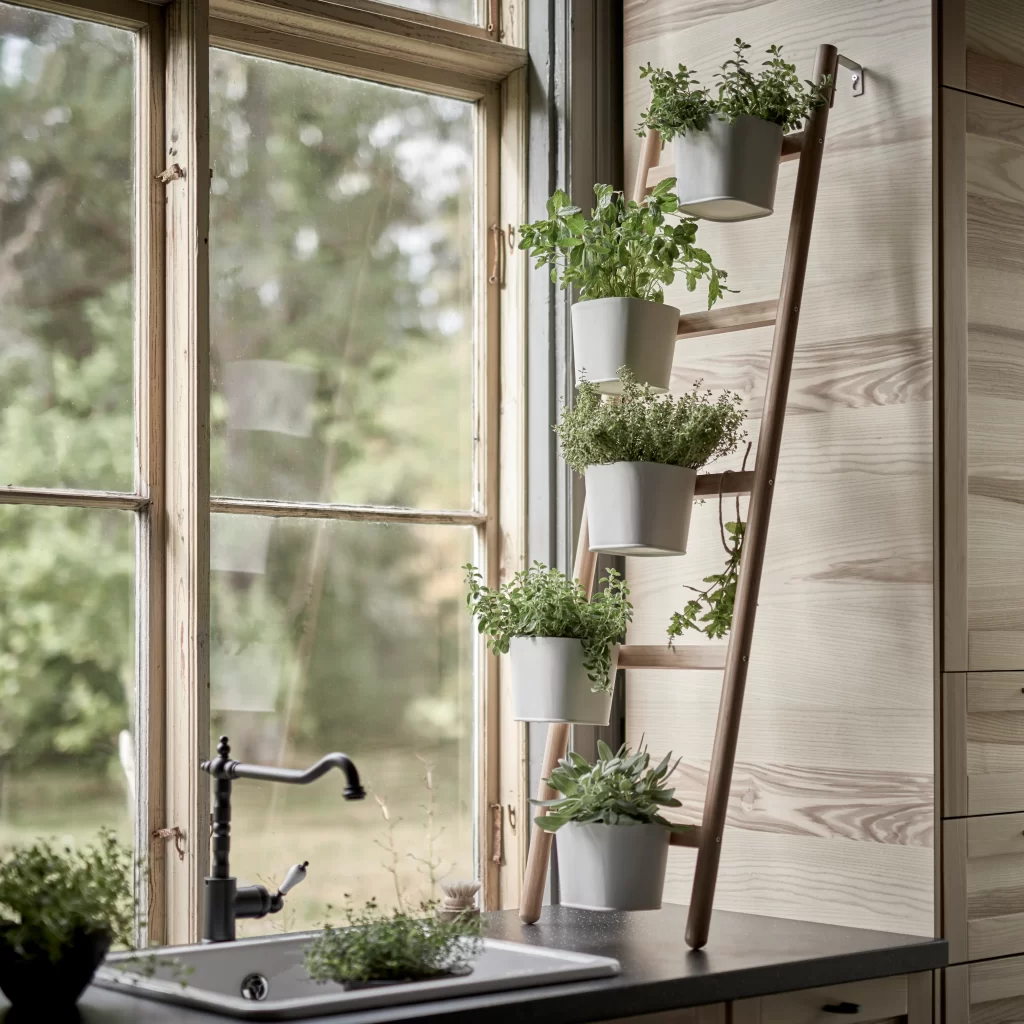
Watering is critical to maintaining aromatic oils:
- Consistent Moisture: Keep soil evenly moist, allowing the top inch to dry between watering.
- Avoid Overwatering: Saturated soil can dilute aromatic compounds and encourage root rot.
- Well-Draining Soil: Use a mix of potting soil with sand or perlite to improve drainage.
Correct watering preserves plant vitality and ensures essential oil production.
4. Regular Pruning and Harvesting
Harvesting stimulates new growth and enhances aromatic quality:
- Pinching Tips: Pinch back young stems to encourage bushy growth and higher essential oil concentration.
- Avoid Overharvesting: Remove no more than one-third of the plant at a time to prevent stress.
- Flower Removal: Remove blooms from herbs like basil, as flowering diverts energy from leaf production and reduces aroma.
Frequent, careful pruning keeps herbs productive and fragrant.
5. Soil and Nutrient Management
Healthy soil supports robust aromatic development:
- Balanced Fertilizers: Use slow-release, organic fertilizers or diluted liquid fertilizer every 4–6 weeks.
- Compost Addition: Adds nutrients and promotes microbial health in the soil.
- pH Monitoring: Most herbs prefer slightly acidic to neutral soil (pH 6–7).
Nutrient-rich soil ensures optimal growth and essential oil production.
6. Airflow and Ventilation
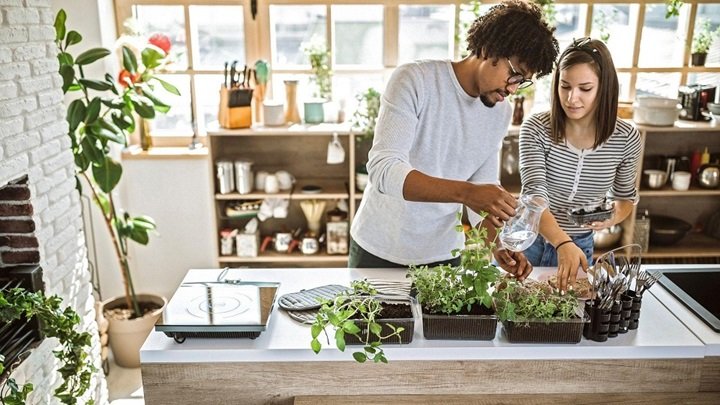
Good airflow reduces fungal diseases and supports aroma retention:
- Avoid stagnant indoor areas; place herbs near windows with gentle breezes.
- Use small fans if indoor air is stagnant, ensuring circulation without excessive drying.
Healthy leaves with good airflow maintain higher essential oil content, resulting in stronger fragrance.
7. Companion Planting Indoors
Planting compatible herbs together can improve growth and aroma:
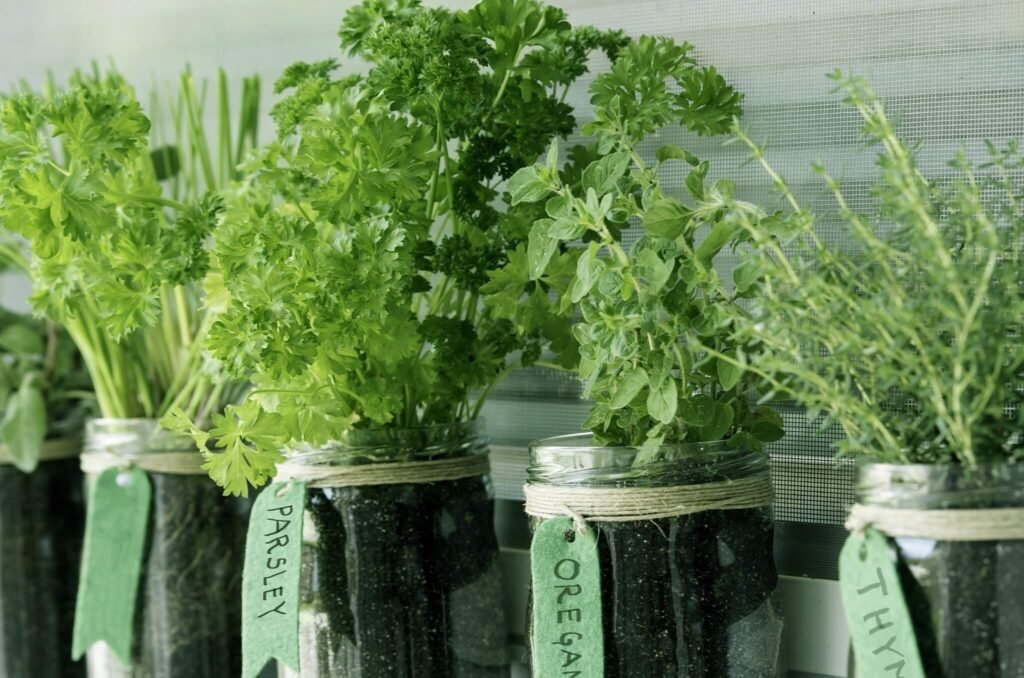
- Basil and parsley grow well together, enhancing leaf quality.
- Rosemary and thyme can share a sunny windowsill, as both prefer similar soil and moisture levels.
Consider container arrangements that optimize space and microclimates for each herb type.
Creative Methods to Enhance Aromatics
- Herb Infusions: Harvested leaves can be used to make aromatic oils or vinegars for cooking.
- Drying Leaves: Gentle air-drying or low-temperature oven drying preserves aroma for long-term use.
- Herb Ice Cubes: Chop leaves and freeze in water or olive oil for convenient aromatic additions to meals.
These methods allow the aroma of indoor-grown herbs to be enjoyed even when fresh harvesting is limited.
Benefits of Aromatic Indoor Herbs
Maintaining aromatic herbs indoors offers multiple benefits:
- Culinary Enhancement: Fresh herbs improve flavor in salads, soups, sauces, and beverages.
- Health Advantages: Many herbs contain antioxidants, vitamins, and anti-inflammatory compounds.
- Air Quality Improvement: Certain herbs release volatile compounds that may contribute to fresher indoor air.
- Mental Well-Being: Pleasant aromas from herbs like mint, basil, and rosemary can reduce stress and improve mood.
- Sustainability: Growing herbs indoors reduces the need for store-bought herbs, minimizing packaging and transport emissions.
Common Challenges and Solutions
- Leggy Growth: Caused by insufficient light; solution: provide grow lights or rotate plants for even exposure.
- Yellowing Leaves: Often from overwatering or nutrient deficiency; solution: adjust watering and add balanced fertilizer.
- Pest Infestations: Aphids or spider mites can affect aroma; solution: use insecticidal soap or natural predators like ladybugs.
- Reduced Aroma: Caused by stress, improper pruning, or low light; solution: maintain consistent care, proper light, and regular harvesting.
Conclusion
Keeping garden herbs aromatic indoors requires a holistic approach that balances light, temperature, humidity, soil, and pruning. By understanding the science behind essential oils and applying practical care strategies, homeowners can maintain flavorful and fragrant herbs year-round.
Aromatic herbs enhance vegetarian cuisine, providing fresh flavors and health benefits while promoting sustainable indoor gardening practices. With proper lighting, watering, and pruning, even small indoor spaces can yield herbs with vibrant aroma, taste, and visual appeal. Creative methods such as infusions, drying, or herb ice cubes further extend the benefits, allowing the fragrance of herbs to permeate both cooking and living spaces.
By adopting these strategies, indoor herb gardeners can enjoy a continuous supply of aromatic herbs, transforming their kitchens into vibrant centers of flavor, fragrance, and nutrition. This approach not only supports culinary excellence but also contributes to well-being, sustainability, and the pleasure of nurturing living plants indoors.