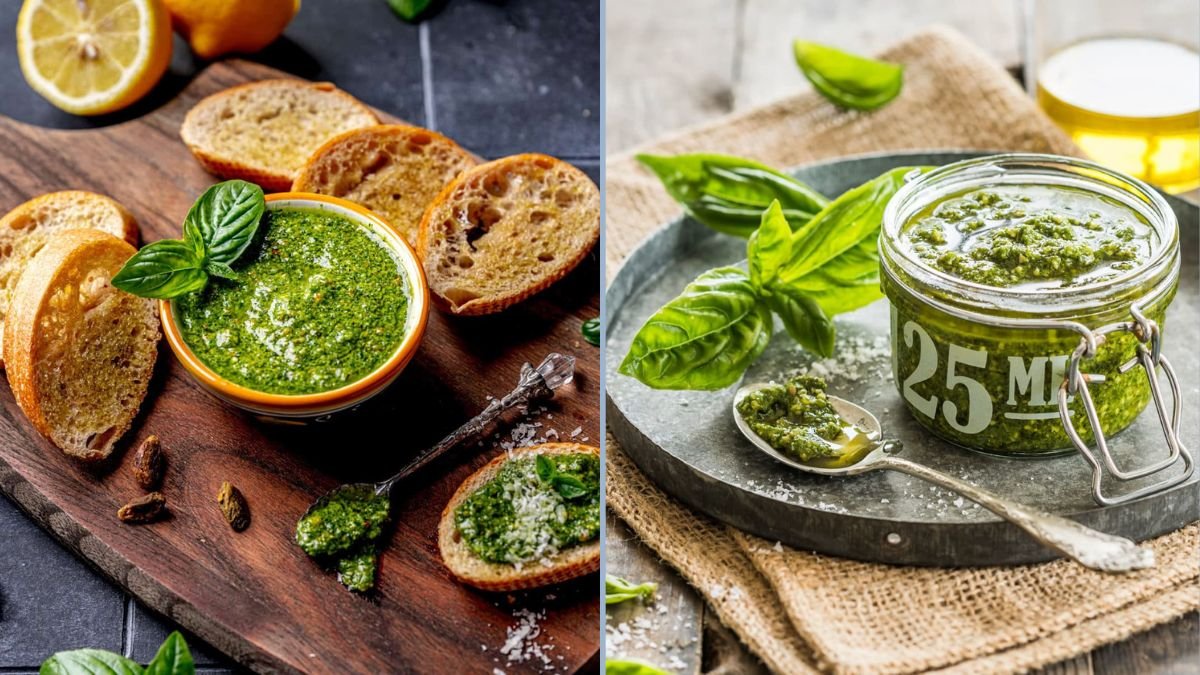
Pesto, a versatile sauce traditionally made with fresh herbs, nuts, olive oil, and seasonings, is a flavorful addition to a variety of dishes. Home-prepared pesto maximizes freshness, nutritional value, and taste while allowing for creative variations using herbs from one’s own garden. This paper explores methods for making fresh herb pestos at home, highlighting different herb combinations, ingredient choices, preparation techniques, and serving suggestions. Emphasis is placed on vegetarian options and seasonal ingredients. The study demonstrates how homemade pesto can enhance both culinary creativity and nutritional intake, offering a simple yet healthful way to elevate everyday meals.
Introduction
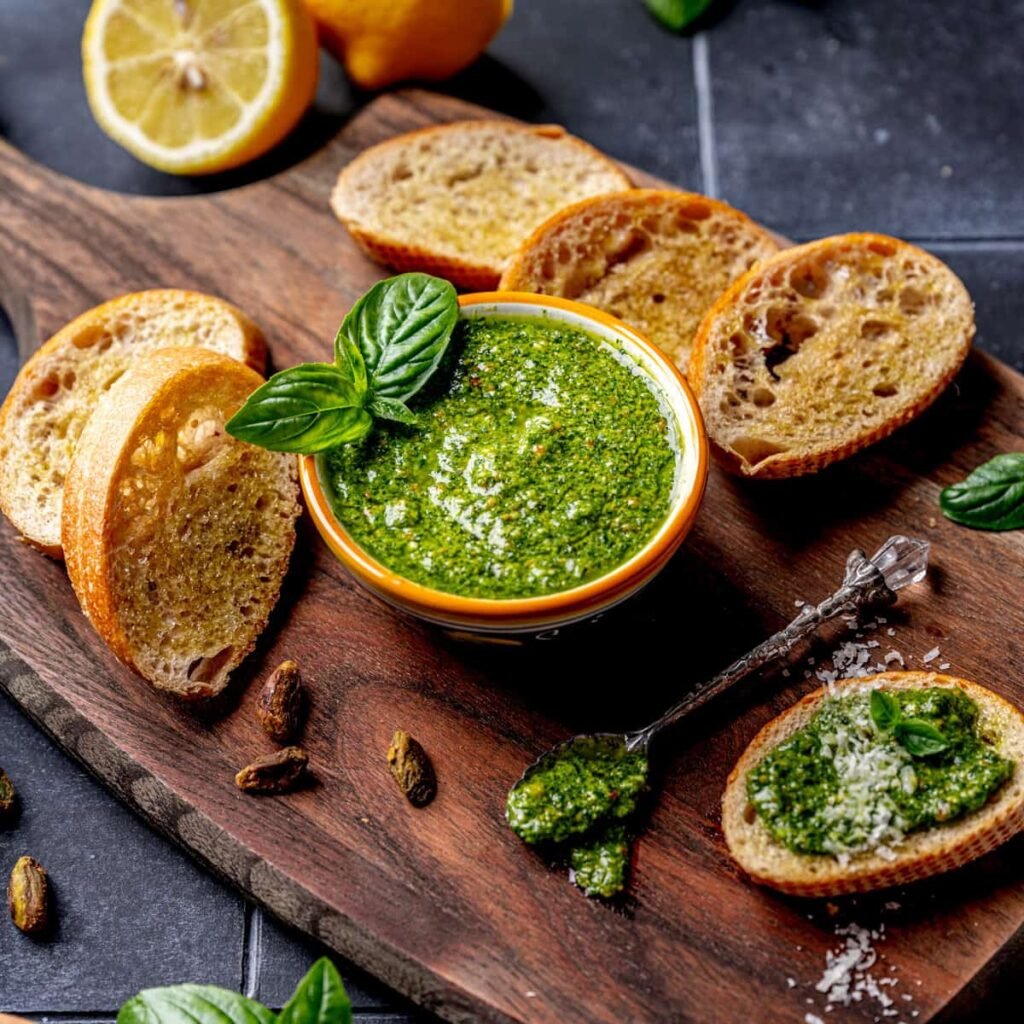
Pesto is a classic culinary preparation originating from Italy, traditionally featuring basil, pine nuts, Parmesan cheese, garlic, and olive oil. Its popularity has grown worldwide due to its bold flavor, versatility, and ease of preparation. Beyond the traditional basil pesto, a wide array of herbs — from parsley to cilantro, mint, and arugula — can serve as the foundation for vibrant, nutritious pestos.
Homemade pesto is superior to commercial versions in flavor, nutritional content, and customization. Using fresh, homegrown herbs ensures maximum aroma, minimal chemical exposure, and seasonal variation. Pesto can be used as a pasta sauce, a spread for bread, a drizzle over roasted vegetables, or a base for soups and dips.
This paper focuses on fresh herb pesto recipes, detailing preparation techniques, ingredient variations, nutritional benefits, and tips for preserving freshness. The aim is to provide practical guidance for creating flavorful, healthy, and fully vegetarian pestos at home.
Nutritional Benefits of Fresh Herb Pesto
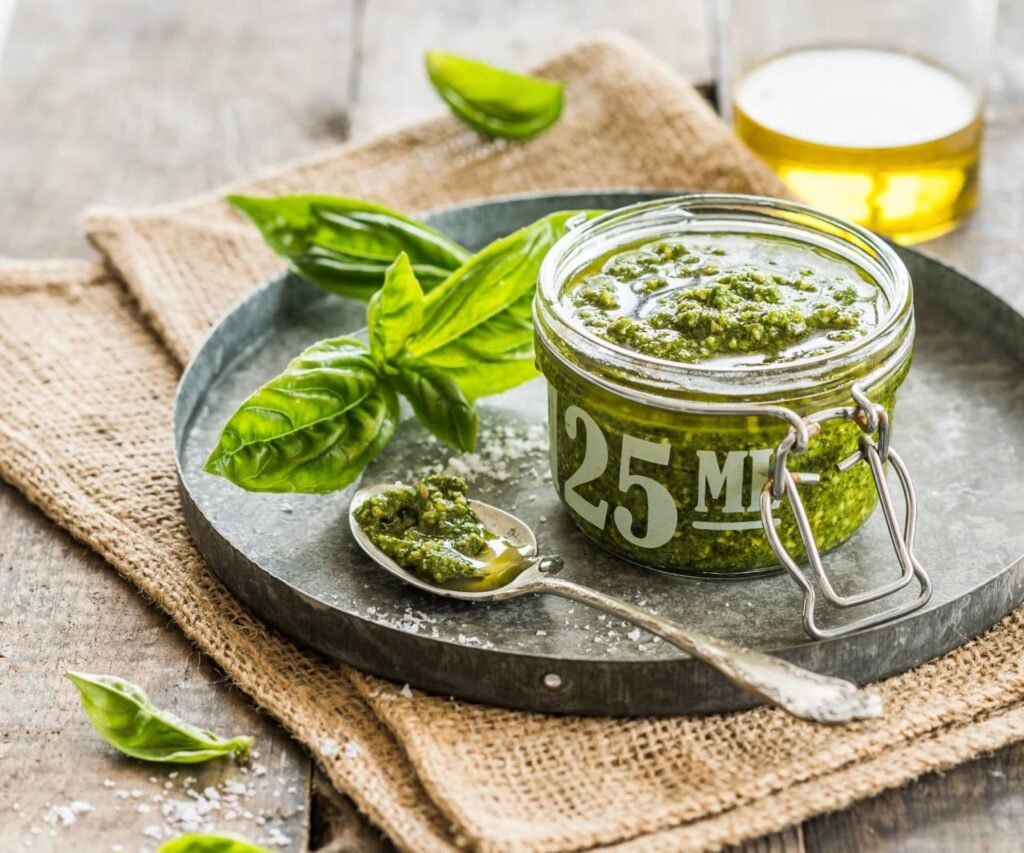
Fresh herb pestos provide a range of nutrients and health benefits due to the combination of herbs, nuts, and olive oil:
- Antioxidants and Phytonutrients: Herbs like basil, parsley, and cilantro contain flavonoids, carotenoids, and polyphenols that combat oxidative stress.
- Healthy Fats: Olive oil and nuts supply monounsaturated fats and essential fatty acids, supporting heart health.
- Vitamins and Minerals: Basil, parsley, and other herbs provide vitamin A, vitamin K, vitamin C, calcium, and iron.
- Protein and Fiber: Nuts such as walnuts, pine nuts, or almonds add plant-based protein and fiber.
- Natural Flavor Enhancer: Fresh herbs reduce the need for excessive salt or processed seasonings, promoting a healthier diet.
These combined benefits make fresh herb pesto a nutrient-dense condiment suitable for a variety of vegetarian dishes.
Selecting Fresh Herbs for Pesto
The choice of herbs defines the flavor profile and nutritional content of pesto. Common options include:
- Basil: Sweet and aromatic; traditional choice for classic pesto.
- Parsley: Bright, slightly peppery, and rich in vitamin C.
- Cilantro (Coriander): Earthy, fresh, and slightly citrusy; popular in Latin and Asian-inspired pestos.
- Mint: Refreshing and aromatic; pairs well with lemon or cucumber-based dishes.
- Arugula: Peppery and bold; provides depth in flavor.
- Dill and Tarragon: Subtle herbal notes that complement mild nuts and oils.
Combining multiple herbs can create layered flavors, balancing sweetness, earthiness, and peppery notes.
Essential Ingredients and Variations
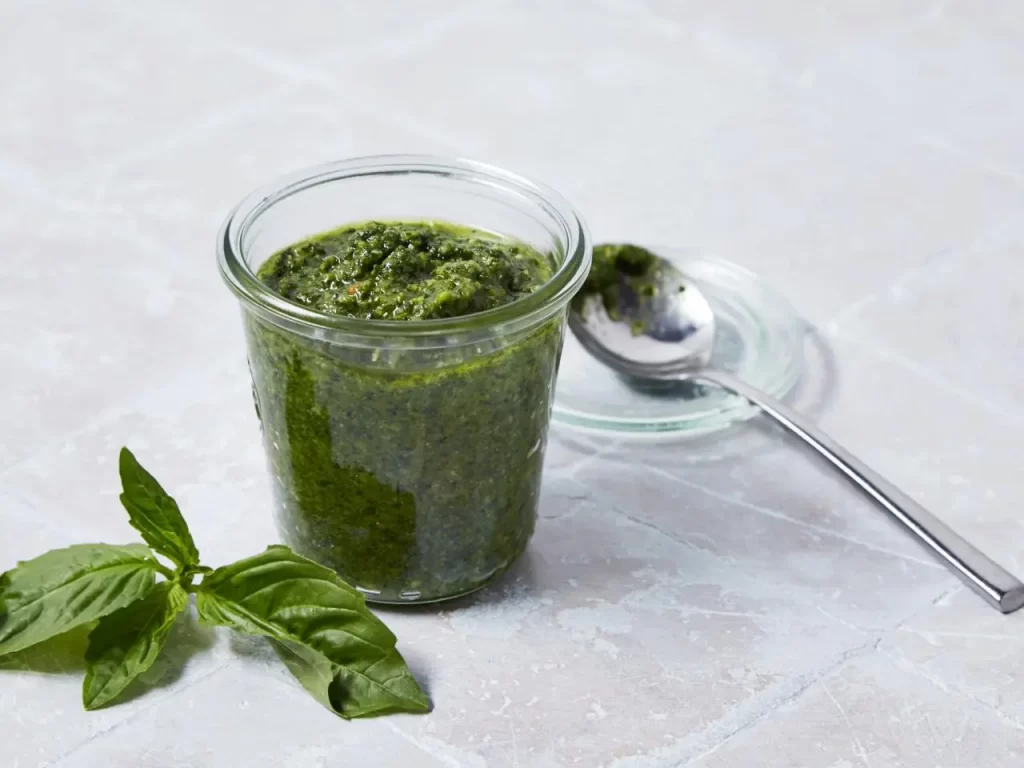
- Nuts and Seeds: Pine nuts, walnuts, almonds, sunflower seeds, or pumpkin seeds provide texture, protein, and healthy fats.
- Olive Oil: Extra virgin olive oil is preferred for its flavor and antioxidant content.
- Garlic: Adds pungency and depth; quantity can be adjusted to taste.
- Cheese Alternatives: For vegan versions, omit cheese or use nutritional yeast for a nutty, cheesy flavor.
- Acidity: Lemon juice balances richness and enhances flavor.
- Seasoning: Salt, pepper, and chili flakes can be added sparingly.
By varying nuts, herbs, and additional seasonings, one can create pestos suited to specific dishes or flavor profiles.
1. Classic Basil Pesto
Ingredients: Fresh basil leaves, pine nuts, garlic, olive oil, Parmesan or nutritional yeast, salt.
Preparation: Combine basil, garlic, and nuts in a food processor. Pulse while gradually adding olive oil until smooth. Add cheese or nutritional yeast and season with salt.
Flavor Profile: Sweet, nutty, and aromatic.
Nutritional Value: Rich in antioxidants, vitamins A and K, monounsaturated fats, and protein.
Serving Suggestions: Toss with pasta, drizzle over roasted vegetables, or spread on whole-grain bread.
2. Parsley and Walnut Pesto
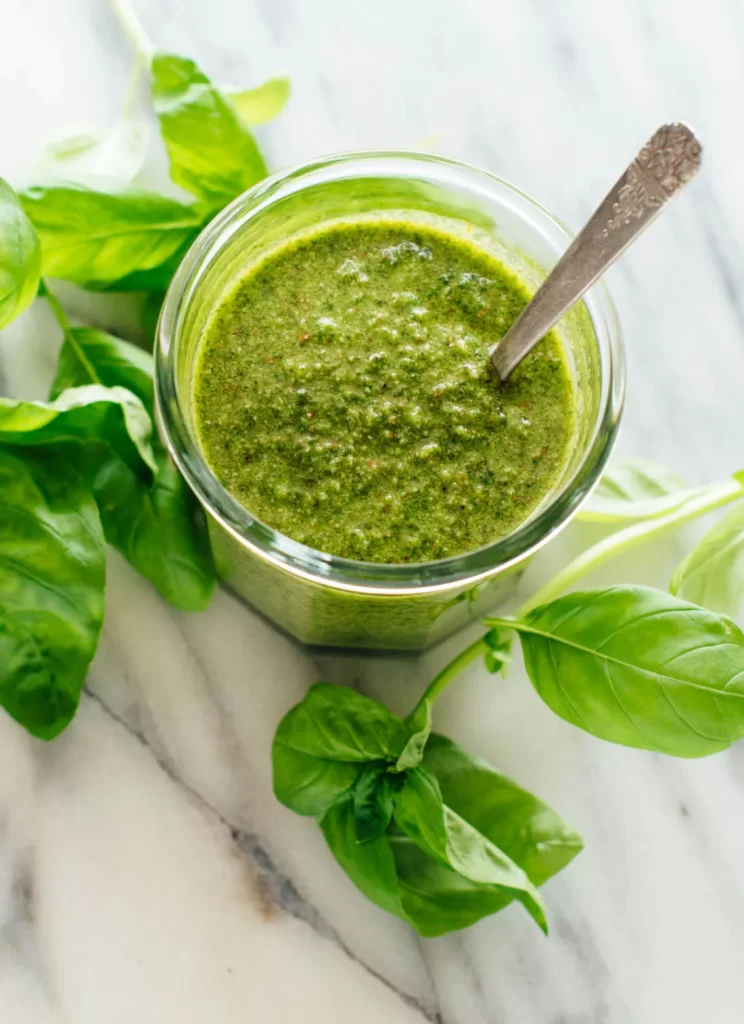
Ingredients: Fresh parsley, walnuts, garlic, olive oil, lemon juice, salt.
Preparation: Blend parsley, walnuts, and garlic; gradually add olive oil and lemon juice. Season to taste.
Flavor Profile: Bright, earthy, and slightly tangy.
Nutritional Value: High in vitamin C, fiber, and healthy fats.
Creative Twist: Use as a dressing for salads or as a dip for raw vegetables.
3. Cilantro and Almond Pesto
Ingredients: Fresh cilantro leaves, roasted almonds, garlic, olive oil, lime juice, salt.
Preparation: Process all ingredients until smooth. Adjust oil and lime juice for desired consistency.
Flavor Profile: Fresh, slightly citrusy, and nutty.
Nutritional Value: Supports immunity with vitamin C; almonds add protein and healthy fats.
Serving Suggestions: Ideal for grain bowls, roasted vegetables, or as a sandwich spread.
4. Arugula and Pumpkin Seed Pesto
Ingredients: Arugula, pumpkin seeds, garlic, olive oil, lemon juice, salt, nutritional yeast.
Preparation: Blend arugula, pumpkin seeds, and garlic. Add olive oil and lemon juice gradually, then season.
Flavor Profile: Peppery, nutty, and fresh.
Nutritional Value: High in vitamin K, antioxidants, and plant-based protein.
Creative Twist: Pair with zucchini noodles for a light, fresh meal.
5. Mint and Pine Nut Pesto
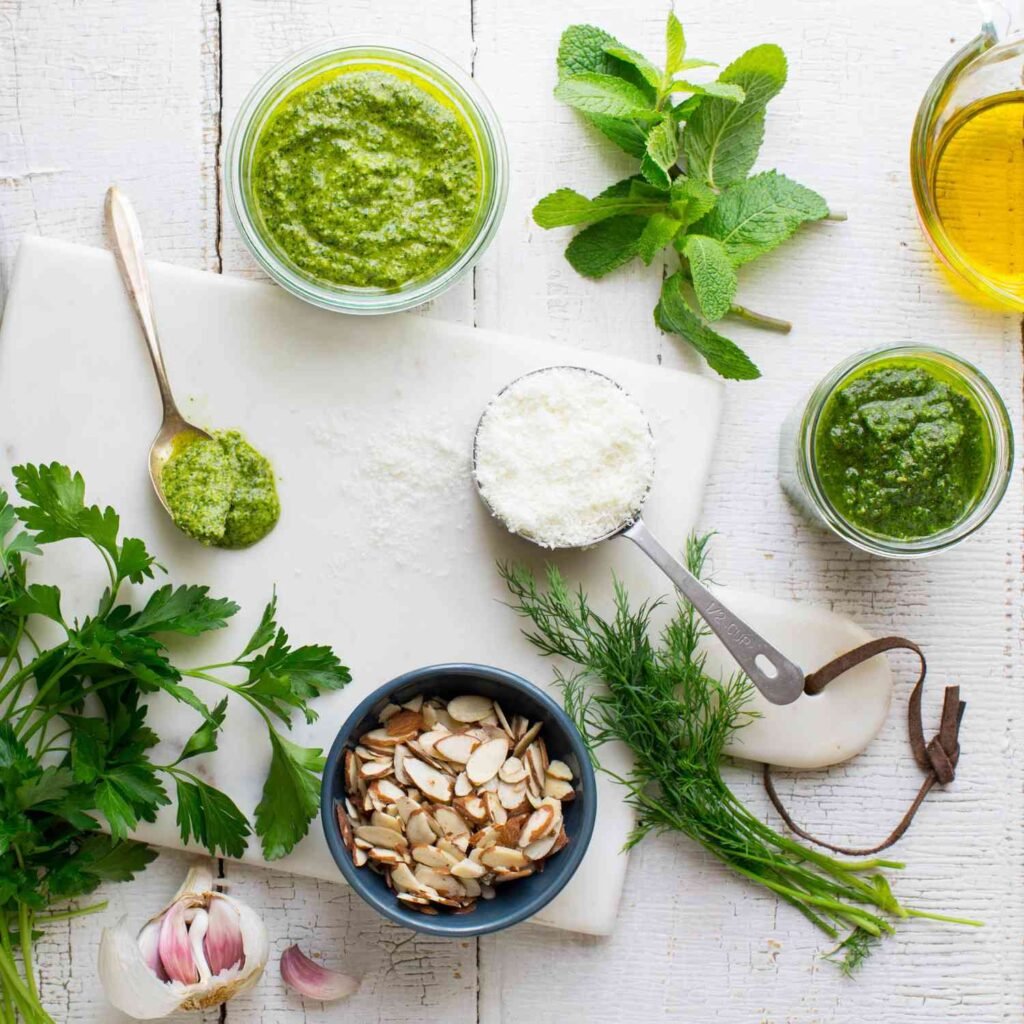
Ingredients: Fresh mint, pine nuts, garlic, olive oil, lemon juice, salt.
Preparation: Combine mint and pine nuts in a processor, pulse while adding olive oil and lemon juice. Season to taste.
Flavor Profile: Refreshing, aromatic, and slightly sweet.
Nutritional Value: Supports digestion and immunity; healthy fats from pine nuts.
Serving Suggestions: Use as a dip, spread for crackers, or drizzle over roasted potatoes.
Tips for Making the Best Fresh Herb Pesto
- Use Fresh, Organic Herbs: Ensures maximum flavor and nutritional content.
- Toast Nuts Lightly: Enhances flavor and adds depth.
- Control Consistency: Adjust olive oil gradually to achieve smooth or chunky texture.
- Balance Flavors: Taste while blending; adjust acidity, salt, or garlic as needed.
- Storage: Store in airtight containers, cover with a thin layer of olive oil, and refrigerate for up to one week. Freezing in ice cube trays extends shelf life.
- Creative Pairings: Combine herbs or nuts for unique flavor combinations.
Health and Culinary Benefits
Homemade herb pestos offer multiple advantages:
- Nutrient-Dense: High in vitamins, minerals, antioxidants, and healthy fats.
- Customization: Adaptable to personal taste, dietary restrictions, or seasonal produce.
- Minimal Processing: Reduces preservatives, additives, and excess sodium found in store-bought products.
- Culinary Versatility: Enhances flavor profiles in pastas, soups, salads, grains, and roasted vegetables.
- Sustainable Eating: Encourages home gardening and use of locally sourced herbs.
These benefits make pesto a practical, flavorful, and health-promoting addition to vegetarian diets.
Discussion
Fresh herb pesto exemplifies the harmony of flavor, nutrition, and simplicity in vegetarian cooking. The combination of herbs, nuts, and olive oil provides both sensory appeal and functional nutrition. By experimenting with herbs, nuts, and flavorings, home cooks can create pestos tailored to diverse dishes while preserving freshness and nutrient density.
The preparation of homemade pestos also fosters culinary creativity, encouraging the use of seasonal garden herbs. It promotes healthier eating patterns by reducing dependence on processed condiments, highlighting the value of plant-based fats and antioxidants in everyday meals.
Conclusion
Fresh herb pestos made at home represent a simple, versatile, and nutritious culinary option. Using garden-fresh herbs and carefully selected nuts, oils, and seasonings results in flavorful sauces that enhance both the taste and nutritional quality of meals.
From classic basil to inventive combinations like cilantro-almond or mint-pine nut, pestos can be tailored to suit a variety of dishes, occasions, and dietary preferences. Homemade pestos encourage mindful, sustainable cooking practices, reduce processed ingredient intake, and elevate plant-based meals to gourmet standards.
Ultimately, preparing fresh herb pestos at home empowers individuals to create nutrient-rich, aromatic, and versatile condiments that enrich everyday vegetarian meals, blending tradition with creativity and health-conscious cooking.