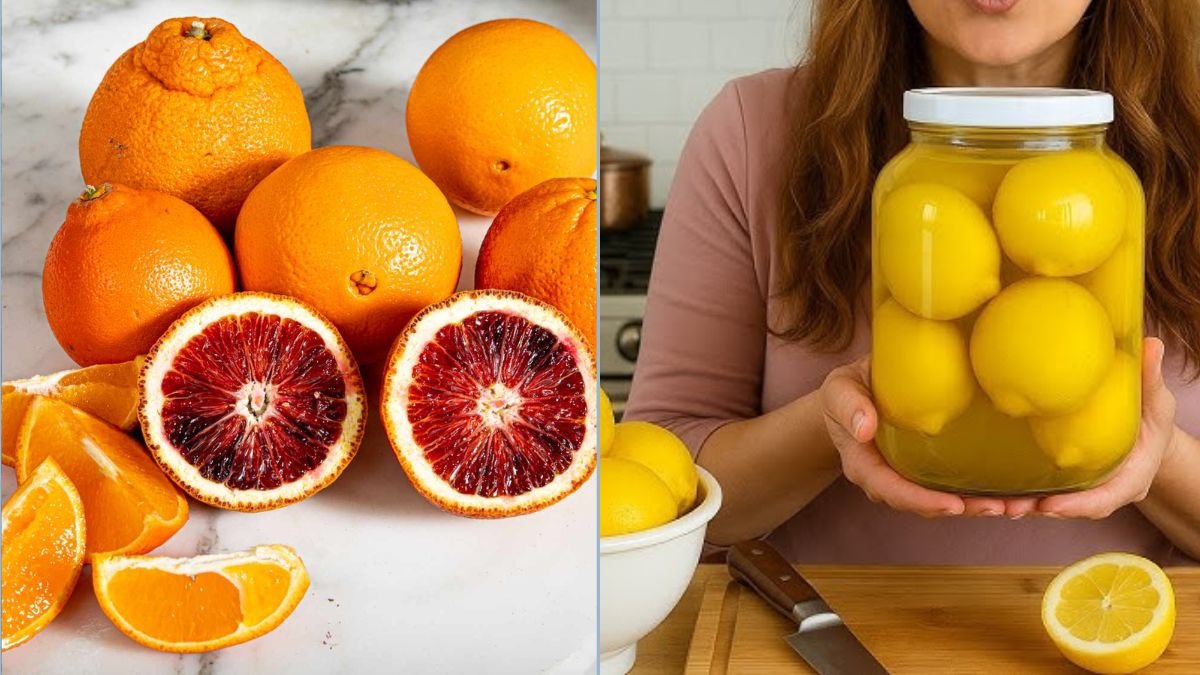
Citrus fruits—such as oranges, lemons, limes, grapefruits, and tangerines—are celebrated for their vibrant flavor, refreshing aroma, and high nutritional value. Rich in vitamin C, fiber, flavonoids, and antioxidants, citrus fruits are essential in vegetarian diets, supporting immune health, digestion, and overall wellness. However, improper storage can lead to spoilage, mold growth, shriveling, or bitterness, reducing both taste and nutrient content.
This article explores the best methods to store citrus fruits without spoiling, covering selection, handling, storage conditions, natural preservation techniques, and sustainable practices to extend shelf life. All approaches are vegetarian-friendly and avoid chemical preservatives.
1. Selecting Citrus Fruits for Storage
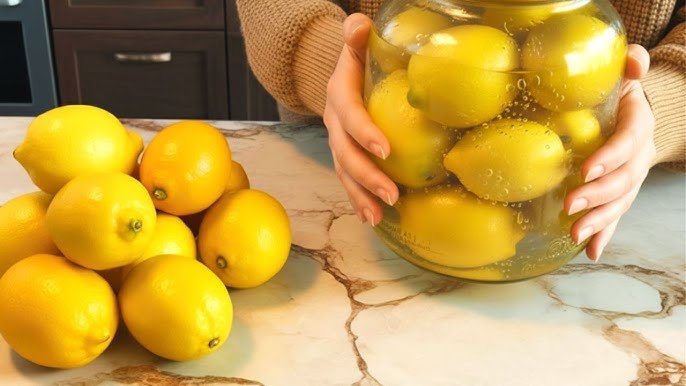
The foundation of long-lasting citrus begins with choosing high-quality fruits. Selection impacts shelf life and flavor retention.
Tips for Selecting Citrus
- Firmness: Choose fruits that feel heavy for their size and firm when gently squeezed. Soft or spongy fruits spoil quickly.
- Skin Condition: Smooth, bright-colored skin indicates freshness. Avoid fruits with cuts, cracks, blemishes, or mold spots.
- Aroma: Fresh citrus should emit a fragrant, tangy scent. A lack of aroma may indicate underripeness.
- Size Consideration: Medium-sized fruits often store better than oversized ones, which can become mealy more quickly.
Selecting fresh, unblemished fruits ensures maximum storage potential and crisp flavor.
2. Handling Citrus Properly
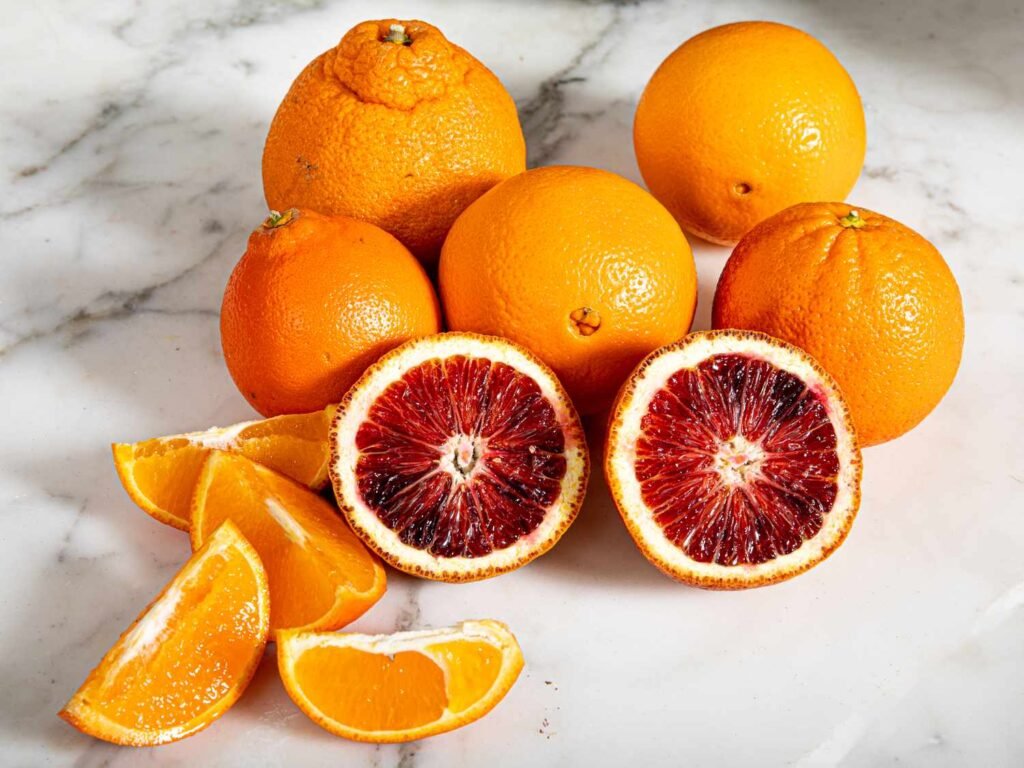
Even high-quality citrus fruits can spoil prematurely without careful handling.
Handling Tips
- Avoid Bruising: Bruised fruits are more susceptible to rot. Handle gently during transport and storage.
- Do Not Wash Immediately: Moisture promotes mold. Wash fruits only before consumption.
- Separate by Ripeness: Store fully ripe fruits away from underripe ones to prevent accelerated spoilage of the entire batch.
Proper handling ensures that fruits enter storage in the best condition possible.
3. Ideal Storage Conditions for Citrus
Temperature, humidity, and airflow are critical for maintaining freshness.
Temperature
- Optimal range: 10°C to 15°C (50°F to 59°F) for most citrus.
- Avoid freezing temperatures, which damage cell structure and alter texture.
- Avoid warm storage, which speeds up ripening and moisture loss.
Humidity
- Moderate humidity (~85–90%) prevents dehydration without encouraging mold.
- Excess moisture can lead to soft spots and fungal growth.
Airflow
- Store in ventilated crates, baskets, or perforated bags to allow circulation.
- Avoid airtight containers for whole fruits unless humidity is controlled.
Maintaining proper environmental conditions slows respiration, prevents shriveling, and prolongs shelf life.
4. Storage Methods for Citrus Fruits
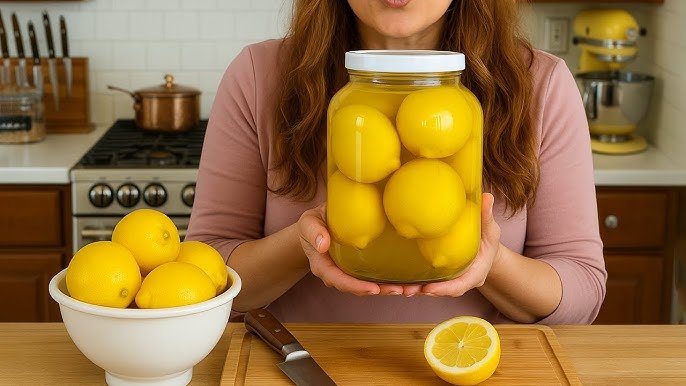
Several storage techniques help prevent spoilage and maintain crispness and juiciness.
A. Room Temperature Storage
- Place citrus in a cool, dry, and well-ventilated area.
- Ideal for short-term storage of up to 1–2 weeks.
- Avoid direct sunlight, which accelerates ripening and flavor loss.
B. Refrigerator Storage
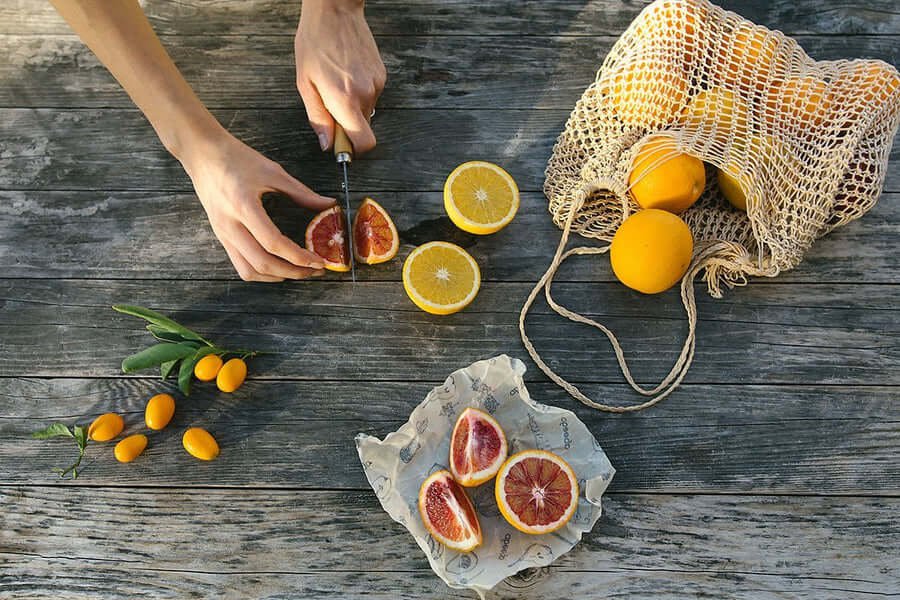
- Store citrus in perforated plastic bags or crisper drawers to maintain humidity while allowing airflow.
- Keep away from ethylene-producing fruits (e.g., apples, bananas) that accelerate ripening.
- Optimal for 3–4 weeks for most varieties.
C. Freezing Citrus
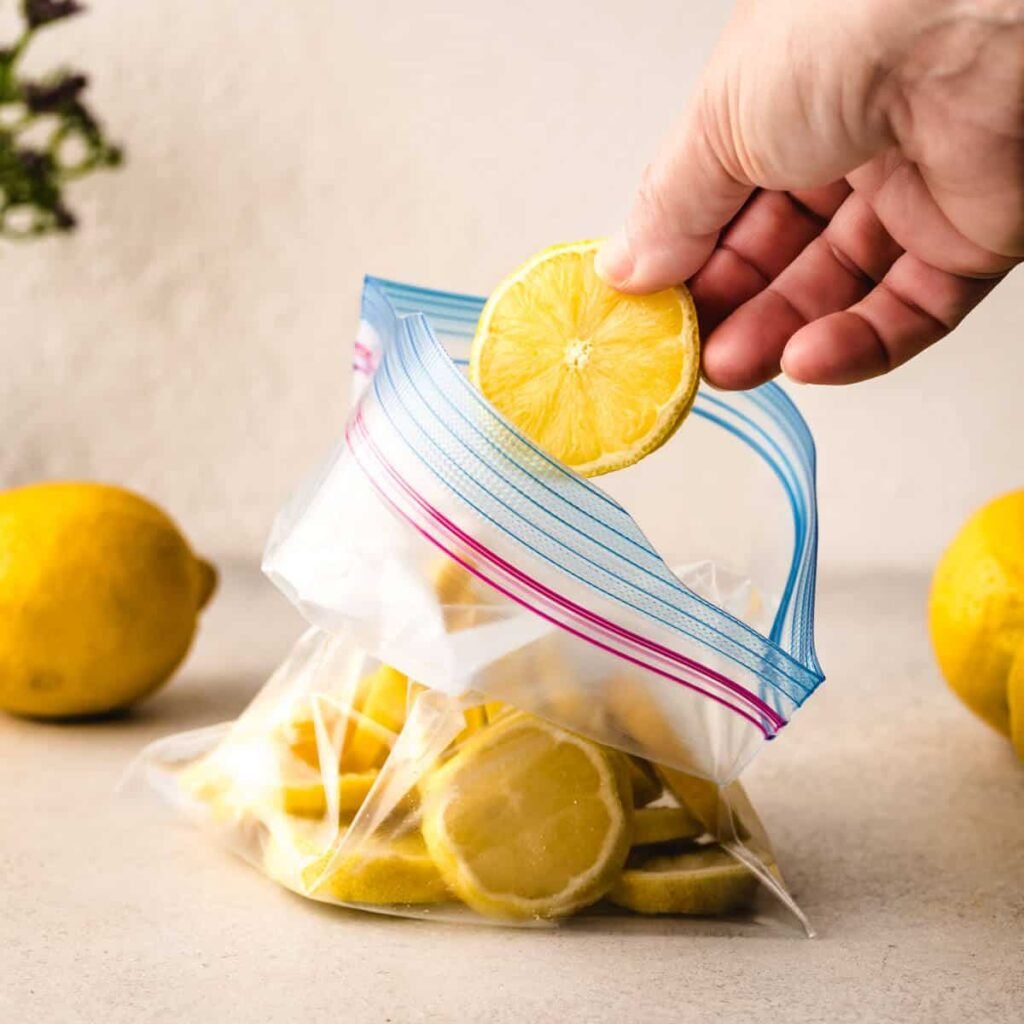
- Citrus can be frozen either as whole fruits, slices, or juice.
- Wash, dry, and peel or slice as desired.
- Place in airtight freezer bags or containers, removing as much air as possible.
- Frozen citrus retains nutrients and flavor for up to 6 months.
Tips: Use frozen citrus for smoothies, sauces, or desserts, as texture changes slightly after thawing.
D. Candied or Preserved Citrus (Optional)
- Citrus peel can be boiled in sugar syrup and stored in jars.
- Preserves flavor and aroma for several months.
- Ideal for baking, cooking, or garnishing vegetarian dishes.
5. Using Natural Preservation Techniques
Natural methods can further extend shelf life without compromising taste or nutrition.
A. Lemon or Citrus Juice
- Lightly coat cut fruits with lemon juice to prevent browning and oxidation.
B. Vinegar Wash
- A mild vinegar rinse (1 part vinegar to 3 parts water) followed by drying reduces microbial growth on the rind.
C. Citrus Storage in Sand or Sawdust
- Whole fruits can be layered in dry sand or sawdust to prevent moisture loss, mimicking traditional root storage.
Natural preservation techniques are safe, eco-friendly, and maintain fruit quality for extended periods.
6. Avoiding Common Storage Mistakes
Even minor errors can lead to premature spoilage.
| Mistake | Effect | Solution |
|---|---|---|
| Storing wet fruits | Promotes mold | Wash only before eating |
| Mixing damaged fruits | Spoilage spreads quickly | Inspect and remove bruised or soft fruits |
| Exposure to sunlight | Accelerates ripening and dehydration | Store in a dark or shaded area |
| Overcrowding | Reduces airflow | Store in ventilated containers |
| Ethylene exposure | Speeds ripening of citrus | Store separately from apples, bananas, and pears |
Correcting these mistakes ensures longer shelf life and optimal flavor.
7. Monitoring Citrus During Storage
Routine checks help maintain quality throughout storage.
Tips
- Inspect fruits weekly for mold, soft spots, or shriveling.
- Remove affected fruits immediately to prevent contamination.
- Rotate stock so older fruits are consumed first.
Monitoring ensures the remaining fruits stay fresh and flavorful.
8. Nutrient Preservation
Citrus fruits are rich in vitamin C, flavonoids, fiber, and antioxidants, which degrade under poor storage conditions.
Tips to Preserve Nutrients
- Keep fruits away from light and heat to prevent vitamin C degradation.
- Use airtight containers for cut fruits to minimize oxidation.
- Refrigerate or freeze fruits for longer nutrient retention.
- Avoid chemical preservatives to maintain natural health benefits.
Proper storage retains not only texture but also the full nutritional profile.
9. Sustainable and Eco-Friendly Practices
Effective citrus storage can align with sustainable practices in the kitchen.
Suggestions
- Use reusable containers or glass jars instead of disposable plastics.
- Compost peels or spoiled fruits to reduce waste.
- Buy or harvest only the quantity that can be effectively stored.
- Separate ethylene-sensitive produce to naturally extend freshness.
Sustainable storage reduces food waste while maintaining healthy fruits throughout the season.
10. Creative Uses for Stored Citrus
Properly stored citrus fruits are versatile and enhance a variety of vegetarian dishes.
Ideas
- Snacking: Fresh whole fruits or segments.
- Juices and Smoothies: Use whole or frozen fruits for beverages.
- Salads: Add segments for a tangy, refreshing element.
- Baking: Use zest or juice for cakes, cookies, and pastries.
- Cooking: Add to vegetarian sauces, marinades, or glazes.
- Infusions: Flavor water, teas, or dressings naturally.
Maintaining fruit quality ensures maximum culinary flexibility.
Conclusion
Storing citrus without spoiling requires attention to selection, handling, temperature, humidity, and container choice. Firm, unblemished fruits stored in cool, ventilated, and moderate humidity conditions retain crispness, flavor, and nutrients for weeks. Refrigeration, freezing, and natural preservation methods further extend shelf life, while regular monitoring prevents spoilage from spreading.
By implementing these strategies, citrus fruits can remain a fresh, nutritious, and flavorful component of vegetarian diets throughout the season. Combining careful storage, natural preservation, and sustainable practices ensures that citrus fruits are always ready to enhance meals, beverages, and snacks while minimizing waste.