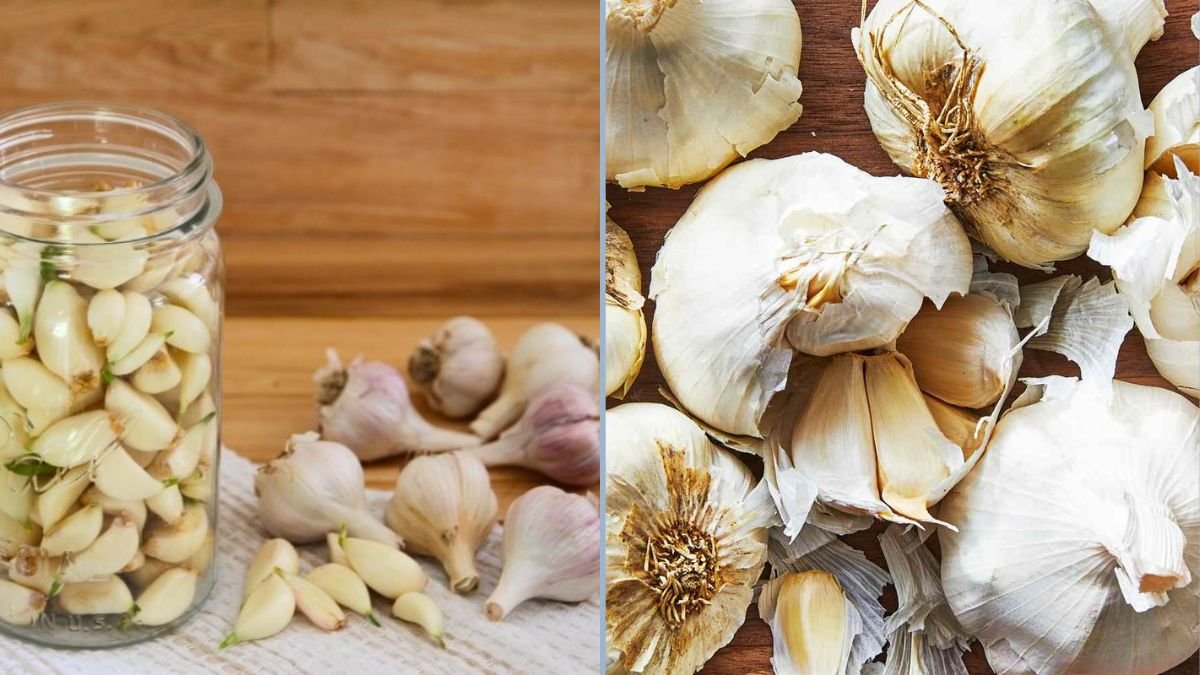
Garlic is a culinary staple renowned for its distinctive aroma, pungent flavor, and numerous health benefits. Rich in antioxidants, vitamins, and sulfur compounds, garlic supports heart health, boosts immunity, and adds depth to vegetarian dishes. Despite its long shelf life compared to other fresh produce, garlic can deteriorate if stored improperly, leading to sprouting, mold, or loss of flavor. Proper storage ensures that garlic retains its texture, taste, and nutritional value for months.
This article explores effective, natural, and vegetarian-friendly techniques to store garlic, covering selection, handling, storage conditions, and creative uses while minimizing waste.
1. Selecting Garlic for Storage
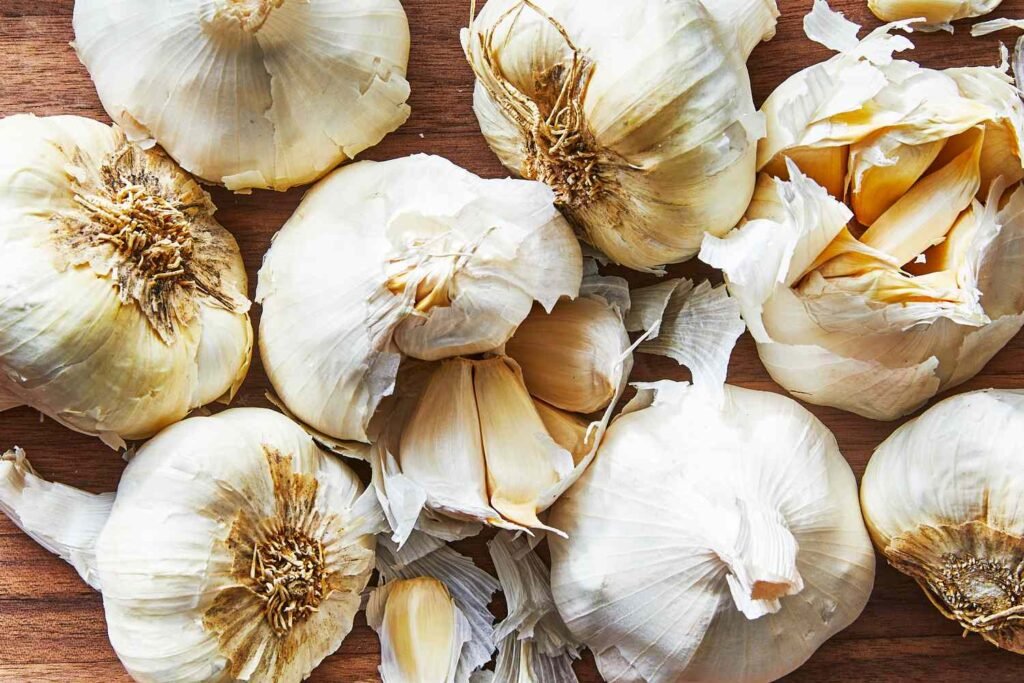
The foundation of long-lasting garlic begins at selection. Only healthy, undamaged bulbs can be stored for extended periods.
Tips for Selecting Garlic
- Firmness: Choose bulbs that feel firm and heavy for their size. Avoid soft or shriveled bulbs.
- Skin Integrity: Look for papery, intact skin. Damaged or partially peeled bulbs spoil quickly.
- Variety: Hardneck garlic stores well for shorter periods (3–4 months) but has stronger flavor. Softneck garlic is ideal for long-term storage (up to 8–10 months).
- Clove Condition: Individual cloves should be plump, unblemished, and free from mold or sprouting.
Selecting high-quality garlic sets the stage for successful long-term storage.
2. Handling Garlic Properly
Even the best garlic can deteriorate quickly if mishandled.
Handling Tips
- Avoid Bruising: Handle bulbs gently. Bruises encourage microbial growth.
- Do Not Wash Before Storage: Moisture promotes mold and sprouting. Only clean garlic when ready to use.
- Separate Cloves Carefully: If you separate cloves, leave the papery skin intact to prevent drying.
Proper handling maintains garlic’s natural protective layers, ensuring longer freshness.
3. Ideal Storage Conditions
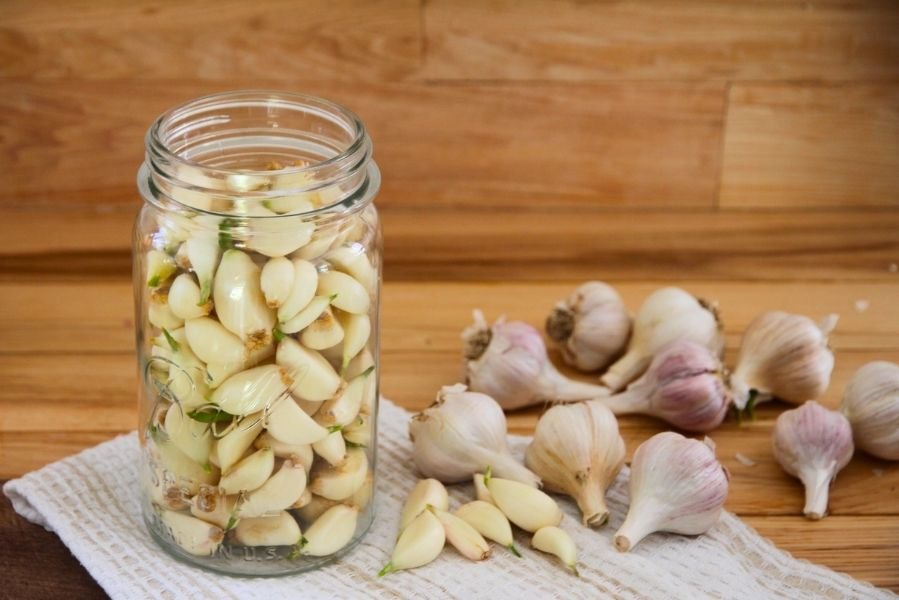
Garlic storage depends on controlling temperature, humidity, and light exposure.
Temperature
- Store at 15–18°C (59–64°F) for long-term storage.
- Avoid refrigeration for whole bulbs; cold temperatures can trigger sprouting.
- Excess heat accelerates drying and flavor loss.
Humidity
- Maintain moderate humidity (60–70%) to prevent bulbs from drying out or molding.
- Excess humidity can cause rot, while too low humidity leads to shriveled cloves.
Light
- Keep garlic in a dark or shaded area to slow sprouting.
- Exposure to sunlight or bright artificial light shortens shelf life.
4. Storage Methods for Garlic
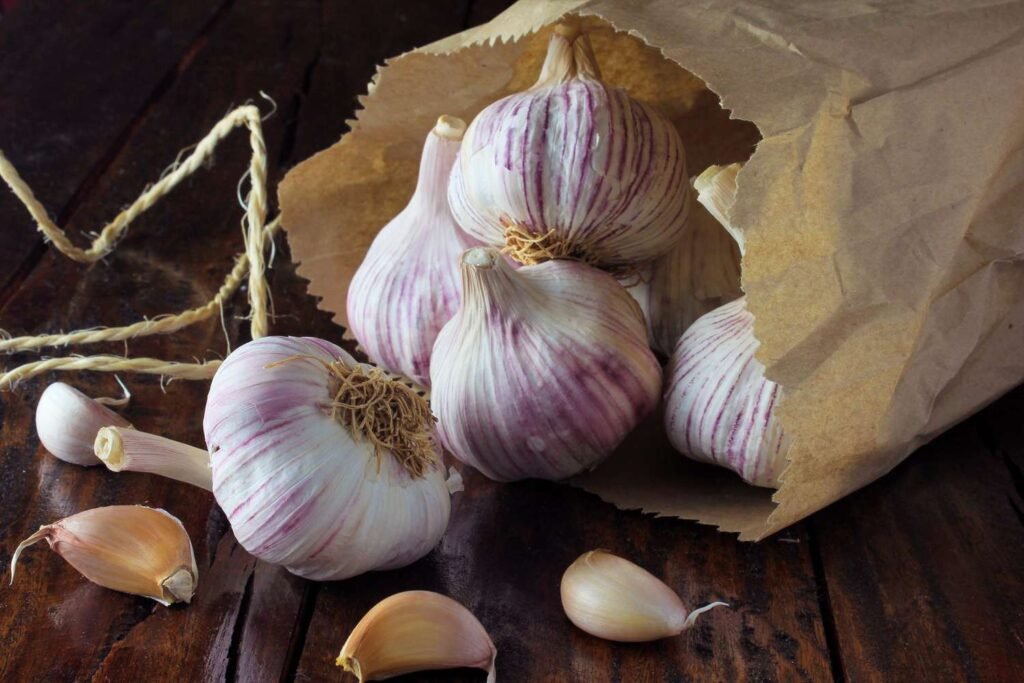
Several natural and effective techniques help preserve garlic’s freshness.
A. Room Temperature Storage
- Place whole bulbs in a well-ventilated basket, mesh bag, or paper bag.
- Allow airflow to prevent moisture accumulation.
- Keep away from direct sunlight and heat sources.
Shelf Life: 3–6 months for softneck garlic; shorter for hardneck varieties.
B. Hanging Garlic Braids
- Softneck garlic is ideal for braiding.
- Hang braids in a cool, dry, and dark location.
- Braiding allows air circulation around bulbs, reducing the risk of mold.
C. Storing in Glass Jars or Ceramic Containers
- Place garlic bulbs in unsealed jars or containers with perforated lids to maintain airflow.
- Avoid airtight containers for whole bulbs; lack of ventilation encourages spoilage.
D. Refrigeration and Freezing (Optional)
- Refrigeration: Only recommended for peeled cloves; store in airtight containers to prevent moisture absorption and odor transfer.
- Freezing: Peel cloves and store in airtight freezer bags. Frozen garlic is best used in cooked dishes, as freezing alters texture.
5. Using Natural Preservation Techniques
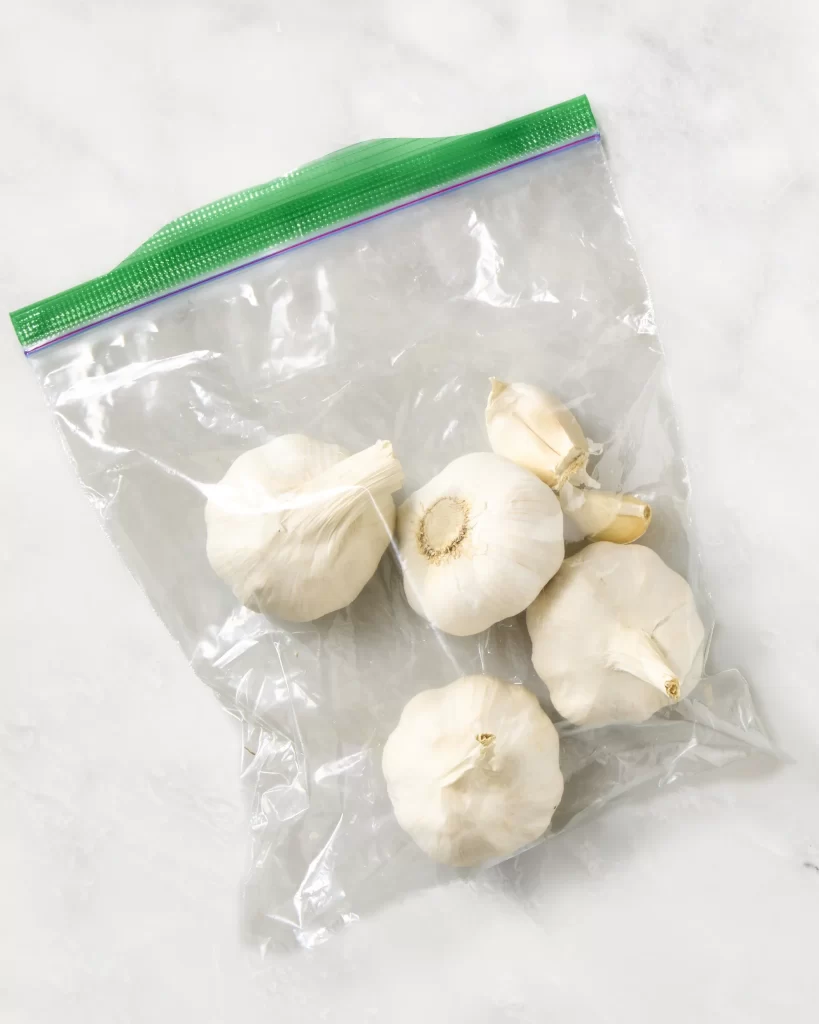
Natural methods can extend garlic shelf life without chemicals.
A. Olive Oil Preservation
- Peel and submerge garlic cloves in olive oil.
- Refrigerate in a sealed jar for up to 2 weeks.
- Safety Note: Keep refrigerated to prevent bacterial growth, particularly botulism.
B. Drying or Dehydration
- Dry garlic cloves in a dehydrator or low oven until brittle.
- Store dried cloves in airtight containers in a cool, dark place.
- Rehydrates easily for cooking and can last 6–12 months.
C. Storing with Other Vegetables
- Avoid storing garlic near moisture-sensitive vegetables like onions, as excess humidity can accelerate spoilage.
- Keep garlic separate from ethylene-producing fruits (e.g., apples, bananas) that trigger sprouting.
6. Avoiding Common Storage Mistakes
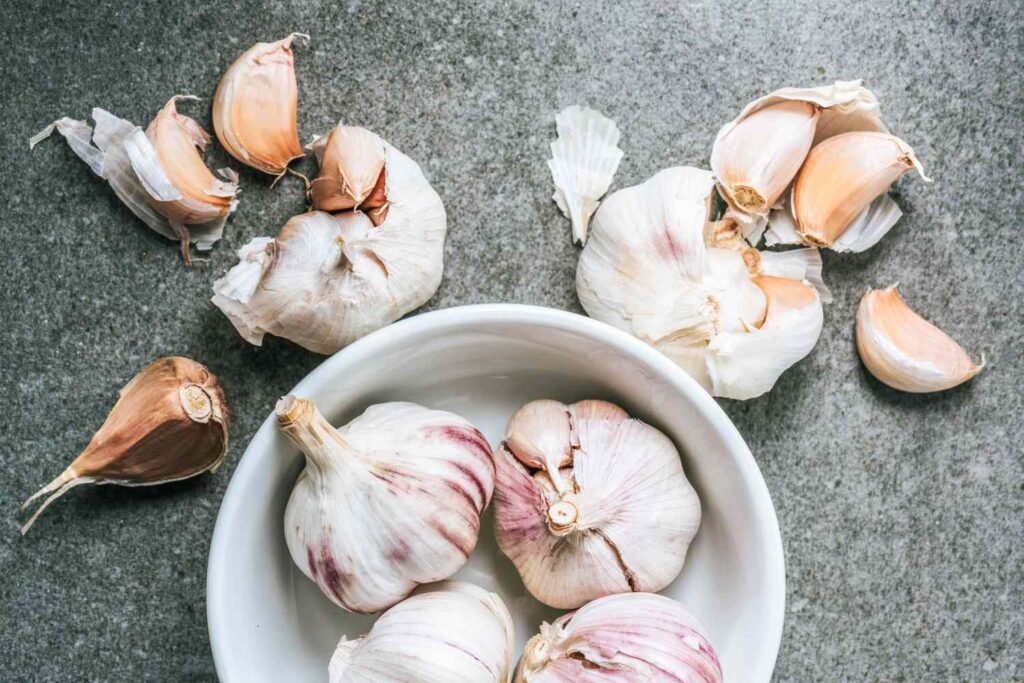
Even minor errors can reduce garlic quality significantly.
| Mistake | Effect | Solution |
|---|---|---|
| Refrigerating whole bulbs | Triggers sprouting | Store at room temperature for whole bulbs |
| Storing in airtight containers | Traps moisture | Use ventilated containers or mesh bags |
| Exposing to sunlight | Accelerates sprouting | Keep in dark, dry areas |
| Storing damaged bulbs | Spoilage spreads | Inspect and remove bruised or moldy bulbs |
| Washing before storage | Promotes rot | Clean only before use |
Correcting these mistakes ensures garlic remains flavorful, firm, and nutritious.
7. Monitoring Garlic During Storage
Routine inspection prevents spoilage from spreading.
Tips
- Check bulbs every 2–3 weeks for sprouting, mold, or shriveling.
- Remove affected cloves immediately.
- Rotate older bulbs to the front for use.
Regular monitoring maintains quality throughout the storage period.
8. Nutrient Preservation in Stored Garlic
Garlic is rich in allicin, antioxidants, vitamin C, and sulfur compounds, which contribute to flavor and health benefits.
Tips for Retaining Nutrients
- Store in a cool, dry, dark environment to slow chemical breakdown.
- Avoid cutting or peeling cloves until ready to use; exposure to air reduces allicin content.
- Minimize refrigeration of whole bulbs to preserve enzymatic activity.
Proper storage ensures garlic remains both flavorful and nutritionally potent.
9. Sustainable and Eco-Friendly Storage Practices
Maintaining garlic freshness can support environmentally responsible kitchen practices.
Suggestions
- Use mesh bags, paper bags, or ceramic containers instead of single-use plastics.
- Compost any spoiled cloves to reduce food waste.
- Plan storage quantities to prevent excess purchase and spoilage.
- Share surplus garlic with friends or local food initiatives before it spoils.
Sustainable storage reduces waste and supports a more eco-friendly lifestyle.
10. Culinary Uses of Well-Stored Garlic
Properly stored garlic retains its versatility and enhances vegetarian meals.
Ideas
- Raw: Mince or crush for dressings, sauces, or dips.
- Sautéed or Roasted: Enhances soups, stir-fries, and vegetable dishes.
- Infused Oils: Gently heat cloves in olive oil for flavorful cooking oils.
- Dried Garlic Powder or Flakes: Use in seasoning blends or marinades.
- Pickled Garlic: A tangy addition to salads and sandwiches.
Maintaining garlic quality ensures that it enhances meals with maximum flavor and nutrition.
Conclusion
Storing garlic to keep it fresh requires attention to selection, handling, temperature, humidity, and storage method. Whole bulbs are best kept in cool, dry, dark, and ventilated conditions, while peeled cloves may be refrigerated or frozen for convenience. Natural preservation methods such as drying or storing in olive oil extend shelf life while retaining flavor and nutrients.
Regular monitoring and proper rotation prevent spoilage, ensuring that garlic remains a staple in vegetarian kitchens for months. By implementing these strategies, garlic can maintain its aroma, texture, and health benefits, enhancing a wide variety of dishes while minimizing waste and supporting sustainable practices.