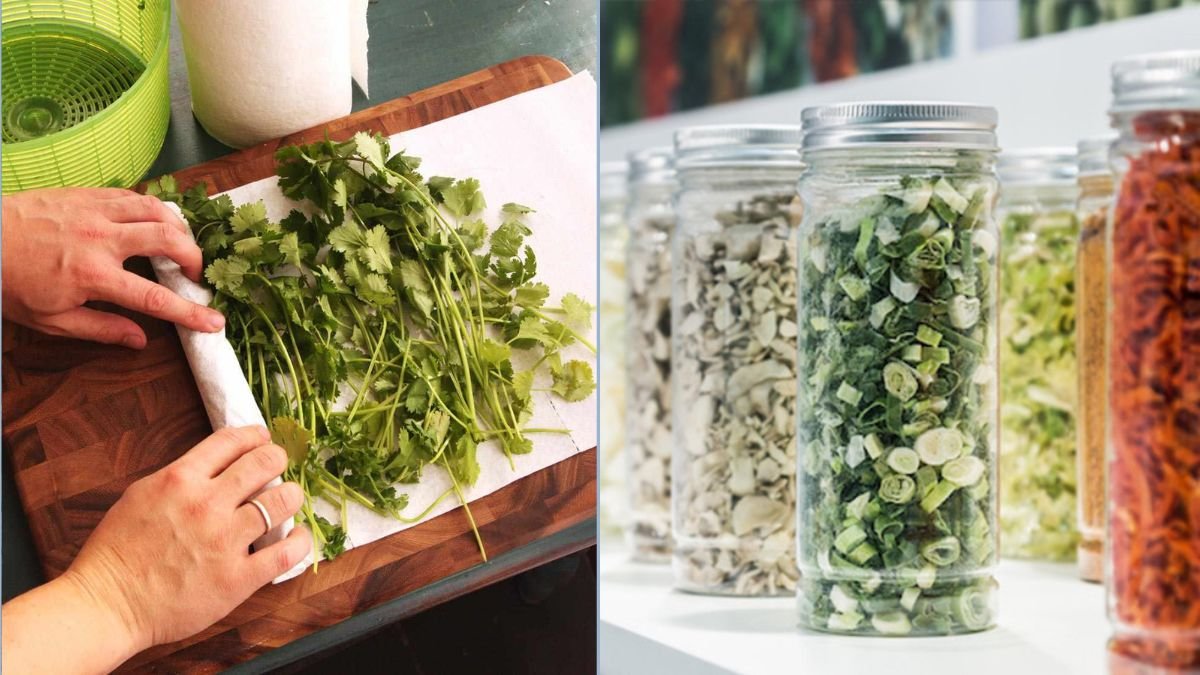
Herbs are among the most versatile and flavor-enhancing ingredients in vegetarian cooking. Fresh basil, parsley, cilantro, rosemary, thyme, mint, and dill elevate dishes with their aroma, color, and nutritional benefits. However, their delicate structure and high moisture content make fresh herbs highly perishable. Without proper handling, herbs can wilt, lose flavor, or spoil within a few days.
For home cooks and culinary enthusiasts, freezing herbs offers a convenient solution for long-term storage. Freezing preserves the flavor, aroma, and nutritional content of herbs without relying on chemical preservatives. It allows you to enjoy fresh-tasting herbs year-round, reduces waste, and ensures a steady supply for everyday cooking.
This article explores practical and effective methods for freezing herbs, the science behind flavor preservation, and tips for maximizing shelf life — all in a vegetarian-friendly context.
1. Why Freezing is Ideal for Herbs
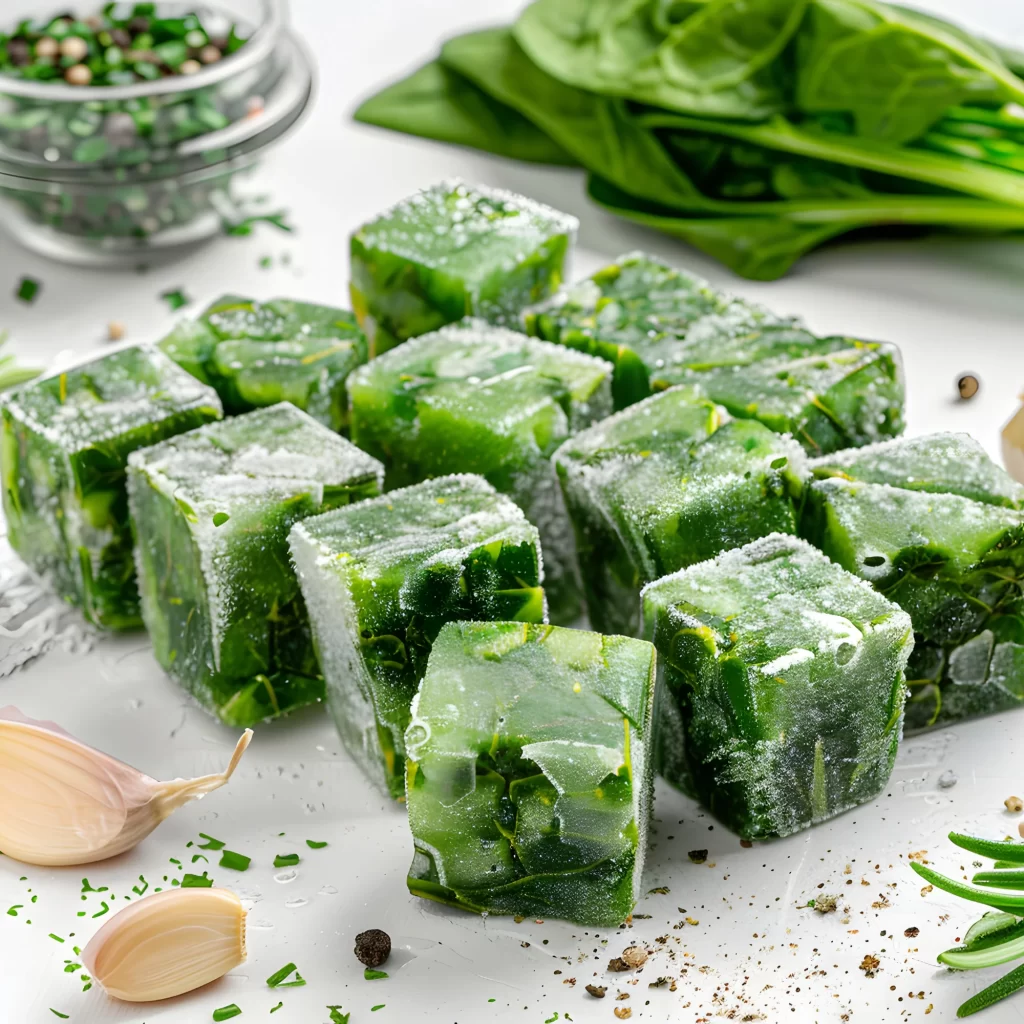
Freezing is a natural preservation method that halts enzymatic activity and microbial growth, which are the main causes of spoilage in fresh herbs. Unlike drying, freezing maintains the herbs’ original color, flavor, and nutritional profile.
Benefits of Freezing Herbs:
- Preserves flavor and aroma more effectively than air-drying for most soft herbs.
- Extends shelf life from a few days to several months.
- Reduces waste by allowing bulk purchases or home harvests to be stored safely.
- Convenience: Frozen herbs can be used directly in cooking without thawing in many recipes.
2. Selecting the Best Herbs for Freezing
The quality of herbs at the time of freezing directly affects their shelf life and flavor retention.
Tips for Selection:
- Choose fresh, vibrant leaves free from yellowing, spots, or wilting.
- Harvest herbs early in the morning when essential oils are most concentrated.
- Avoid herbs that have begun to flower; they may taste bitter.
- Select young, tender leaves for soft herbs like basil, cilantro, or parsley.
- Woody herbs such as rosemary, thyme, oregano, and sage can tolerate more mature leaves, as their structure withstands freezing well.
Proper selection ensures your frozen herbs remain flavorful and visually appealing.
3. Preparing Herbs for Freezing

Before freezing, herbs require careful preparation to preserve both flavor and texture.
Step 1: Washing
- Rinse the herbs gently under cold water to remove dirt and pests.
- Avoid vigorous washing, which can damage delicate leaves.
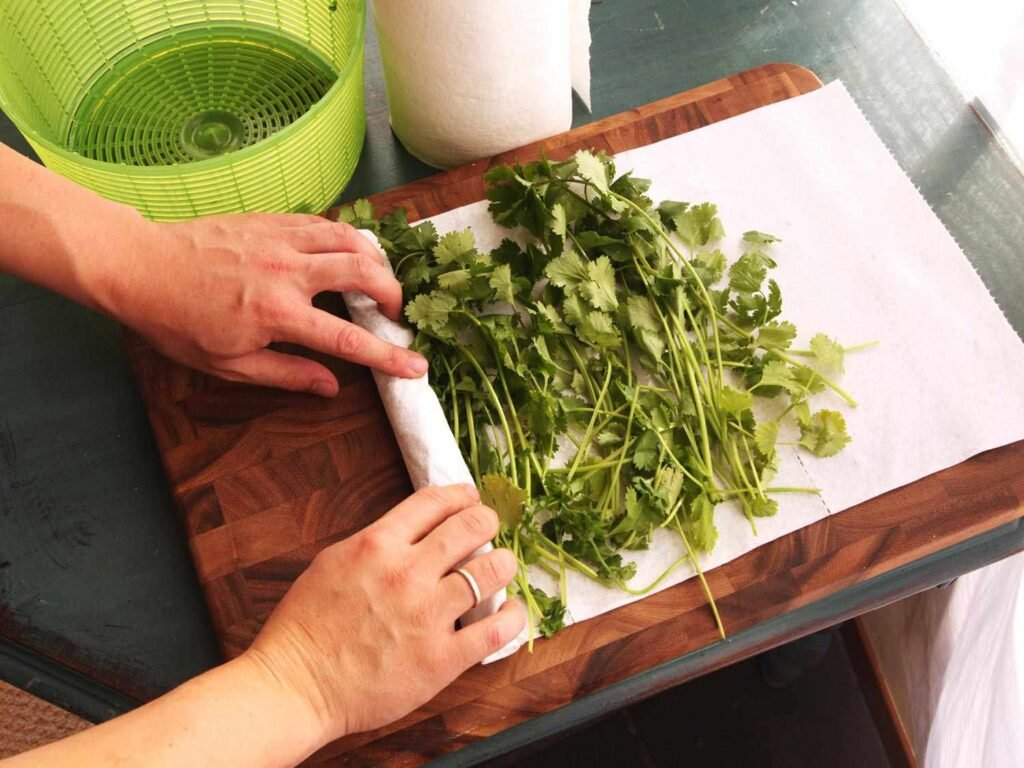
Step 2: Drying
- Dry thoroughly using a salad spinner or by patting gently with clean towels.
- Excess water can cause ice crystals to form, which damages cell structure and leads to flavor loss.
Step 3: Trimming
- Remove tough stems or woody sections for soft herbs.
- Leave tender stems intact for herbs like parsley or cilantro, which can add flavor when cooked.
By carefully preparing herbs, you prevent freezer burn and retain maximum aroma.
4. Freezing Methods for Soft Herbs
Soft herbs such as basil, parsley, cilantro, dill, and mint require special handling because they are prone to wilting and discoloration.
Method A: Whole Leaf Freezing
- Spread washed and dried leaves on a baking tray in a single layer.
- Freeze for 2–3 hours until the leaves are solid (flash freezing).
- Transfer to airtight freezer bags or containers.
- Label with the date.
Advantages:
- Prevents leaves from sticking together.
- Retains shape for garnishing and cooking.
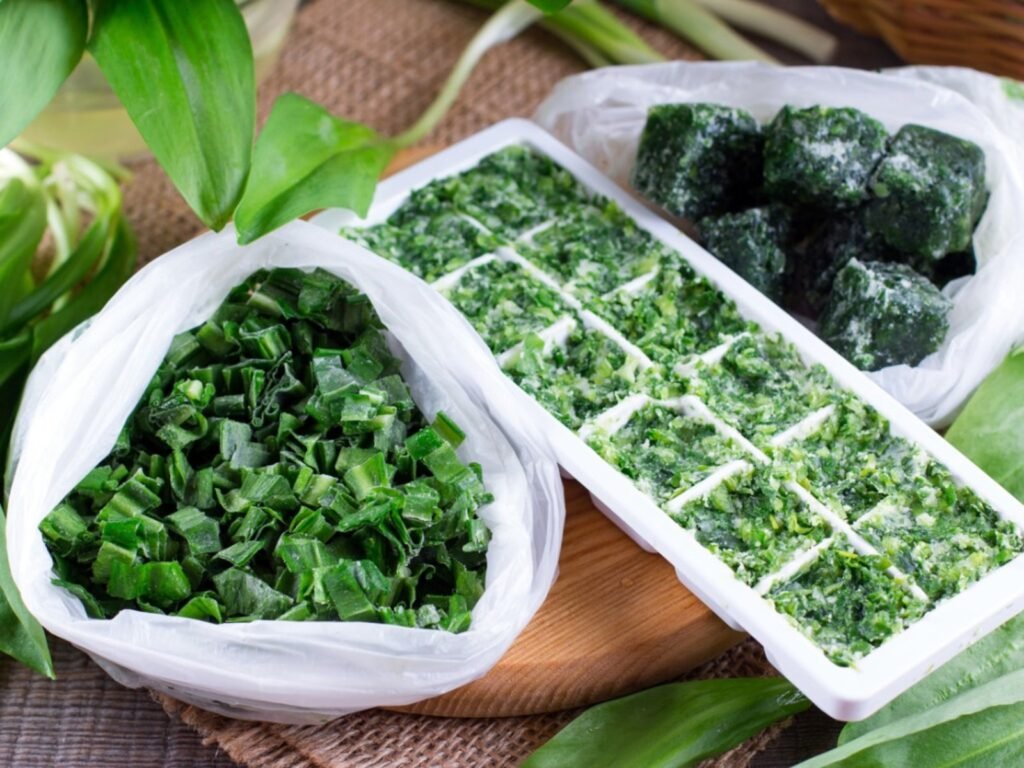
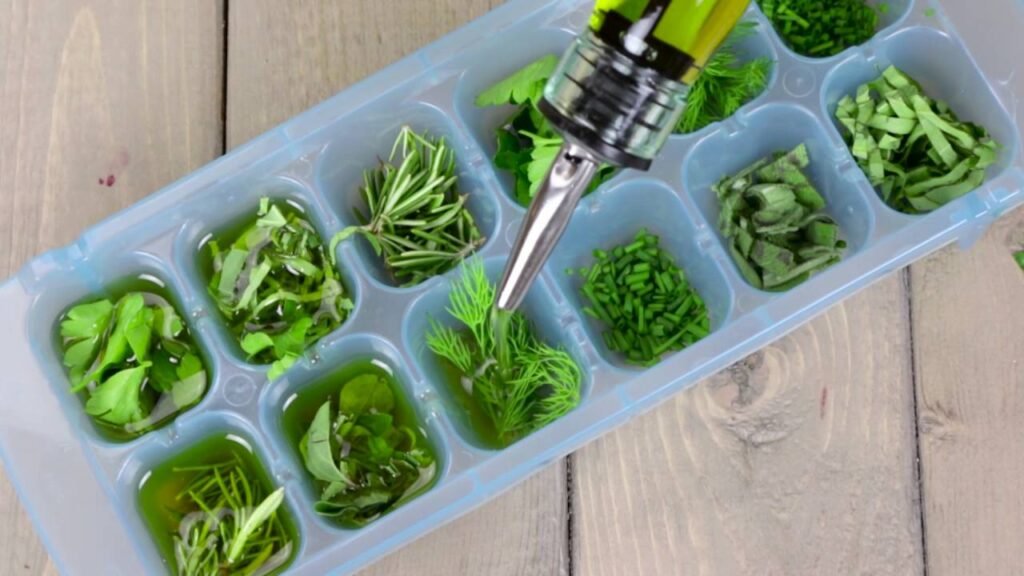
Method B: Herb Cubes with Water or Oil
- Chop herbs finely.
- Place 1–2 tablespoons of chopped herbs into each compartment of an ice cube tray.
- Cover with water or olive oil.
- Freeze until solid.
- Transfer cubes to a freezer bag and store.
Usage: Drop a cube directly into soups, sauces, or stews. The liquid protects herbs from freezer burn and helps release flavor evenly.
Method C: Vacuum-Sealed Freezing
- After flash freezing, use a vacuum sealer to remove air from the storage bag.
- Vacuum sealing reduces oxidation and prevents loss of aroma.
- Ideal for herbs you intend to store for 6–12 months.
5. Freezing Methods for Woody Herbs
Woody herbs like rosemary, thyme, oregano, and sage are more resilient and can often be frozen without additional preparation.
Steps:
- Wash and dry the herbs.
- Strip leaves from the stems if desired.
- Flash freeze on a tray, then transfer to airtight freezer bags or containers.
- Use directly in cooking without thawing.
Woody herbs retain flavor well even after several months, making them perfect candidates for bulk freezing.
6. Tips for Maximizing Shelf Life
Proper handling and storage practices are crucial to maintain quality.
Temperature Control
- Keep the freezer at -18°C (0°F) or lower.
- Avoid frequent temperature fluctuations, as repeated thawing and refreezing degrade flavor.
Portioning
- Freeze herbs in small portions that match typical cooking needs.
- This prevents repeated thawing and preserves freshness.
Avoid Overpacking
- Leave space in freezer containers to prevent crushing leaves.
- Overcrowding leads to clumping and loss of texture.
Labeling
- Clearly label each bag with herb type and date.
- Use herbs within 6–12 months for optimal flavor.
7. Common Mistakes to Avoid
Even when freezing, mistakes can reduce herb quality. Avoid these pitfalls:
| Mistake | Why It’s a Problem | Solution |
|---|---|---|
| Freezing wet herbs | Causes ice crystals and flavor loss | Dry thoroughly before freezing |
| Storing in opaque containers | Makes it hard to identify herbs | Use clear, labeled bags |
| Overfilling trays | Herbs freeze in a clump | Flash freeze in single layers first |
| Long-term storage beyond 12 months | Herbs lose flavor and aroma | Rotate stock regularly |
Correcting these mistakes ensures long-lasting, flavorful frozen herbs.
8. Reviving Frozen Herbs
Frozen herbs are typically added directly to hot dishes, but sometimes a gentle thaw is helpful.
Tips:
- Soft herbs: Chop frozen herbs directly into soups, sauces, or sautés. Flavor releases as they cook.
- Woody herbs: Can be added whole or chopped. No thawing required.
- Garnishing: For salads or fresh dishes, thaw in the refrigerator for a few minutes and drain any ice before using.
Avoid microwaving or rapid thawing, as this can compromise flavor and texture.
9. Sustainable and Eco-Friendly Practices
Freezing herbs not only preserves flavor but also supports sustainable kitchen practices.
Tips:
- Grow herbs at home: Harvest only what you need and freeze the rest.
- Use reusable containers and silicone trays instead of single-use plastics.
- Compost leftover stems and scraps to enrich garden soil.
- Plan batches: Freeze herbs in quantities that match your cooking habits to minimize waste.
These practices ensure that your herb preservation is both economical and environmentally friendly.
10. Culinary Uses of Frozen Herbs
Freezing herbs expands culinary possibilities. You can enjoy fresh-tasting herbs year-round without worrying about spoilage.
Ideas:
- Soups and Stews: Add frozen herb cubes directly for flavor infusion.
- Sauces and Gravies: Frozen parsley, cilantro, or basil maintain their aroma when simmered.
- Marinades: Chop and mix frozen herbs into olive oil or vinegar.
- Vegetable Dishes: Sprinkle chopped frozen herbs into stir-fries, roasted vegetables, or grain bowls.
- Infusions: Add frozen herbs to water, tea, or homemade beverages for a fresh taste.
By using frozen herbs creatively, you maximize their utility and reduce reliance on store-bought options.
Conclusion
Freezing herbs is a simple, natural, and effective method to extend their shelf life while maintaining flavor, aroma, and nutritional value. From soft herbs like basil and cilantro to woody herbs like rosemary and thyme, proper selection, careful preparation, and thoughtful storage practices are key to successful long-term preservation.
By mastering flash freezing, ice cube trays, airtight storage, and proper portioning, home cooks can enjoy fresh-tasting herbs throughout the year, reduce food waste, and embrace sustainable kitchen practices. Frozen herbs are not only convenient but also an excellent way to ensure that vibrant flavors are always within reach — enhancing vegetarian meals with freshness, nutrition, and convenience.