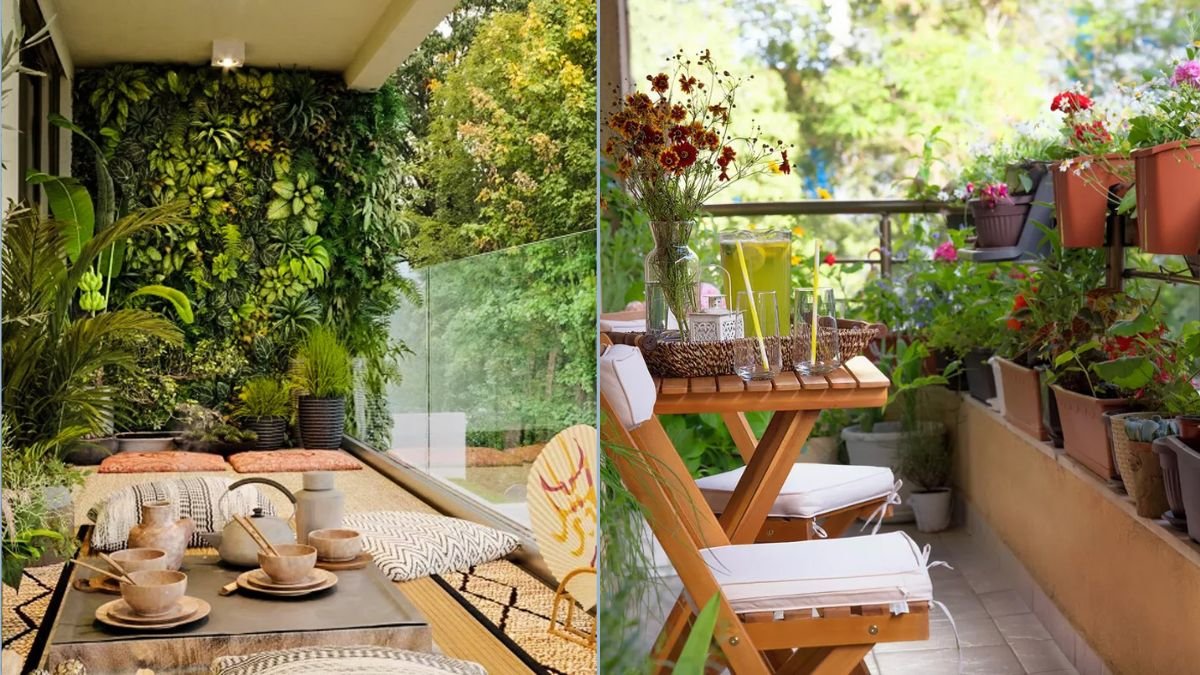
Urban living often limits access to outdoor garden space, yet the desire for fresh, nutritious vegetables, herbs, and leafy greens remains strong. Indoor gardening offers a solution for city dwellers, allowing them to grow food, enhance indoor aesthetics, improve air quality, and create a sustainable lifestyle. This article provides a comprehensive guide to indoor garden ideas for busy urban apartments, focusing on space-efficient techniques, plant selection, container systems, lighting, care strategies, and productivity optimization.
1. Introduction
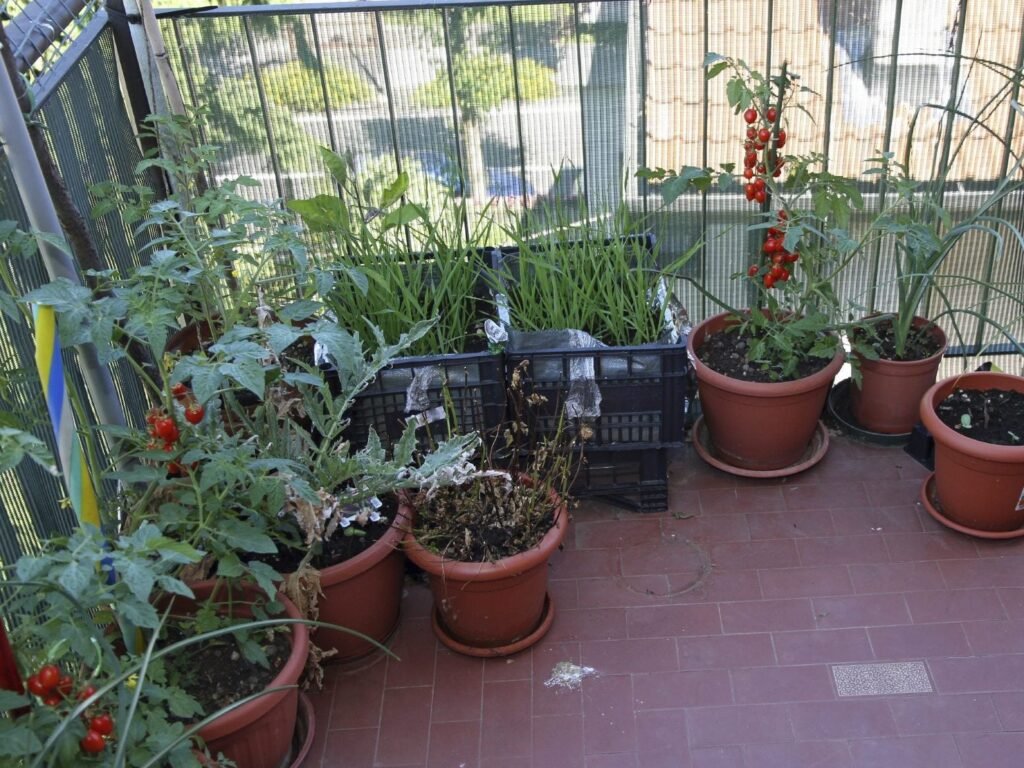
Indoor gardening transforms apartments into green, productive spaces where residents can cultivate vegetables, herbs, and ornamental plants. For busy urbanites, indoor gardens provide fresh produce without relying on outdoor plots, while offering psychological and environmental benefits, such as reduced stress, improved air quality, and increased engagement with nature.
Indoor gardening also supports sustainable urban agriculture, encouraging organic cultivation, reduced food miles, and resource-efficient practices. By utilizing small spaces creatively, apartment dwellers can enjoy year-round access to fresh greens and vegetables.
2. Benefits of Indoor Gardening in Urban Apartments
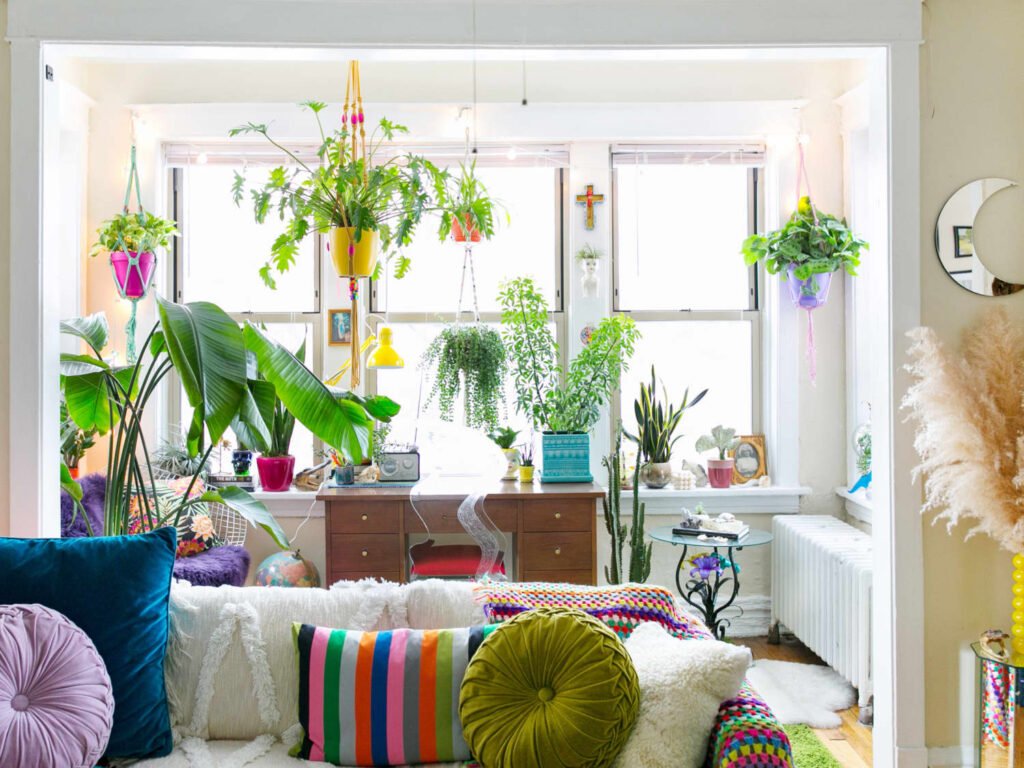
a. Space Efficiency
Indoor gardening techniques, such as vertical gardens, hydroponic trays, and container cultivation, allow residents to maximize limited floor space and balconies.
b. Year-Round Production
Controlled indoor conditions enable year-round cultivation, independent of seasonal changes or outdoor weather conditions.
c. Reduced Dependency on Store-Bought Produce
Indoor gardens provide access to fresh, chemical-free vegetables, herbs, and leafy greens, reducing reliance on supermarket produce.
d. Stress Relief and Mental Wellbeing
Engaging with indoor plants has been shown to reduce stress, improve focus, and create a sense of accomplishment.
e. Environmental Benefits
Indoor gardens enhance air quality, recycle organic waste through composting, and promote sustainable urban living practices.
3. Selecting Plants for Indoor Apartments
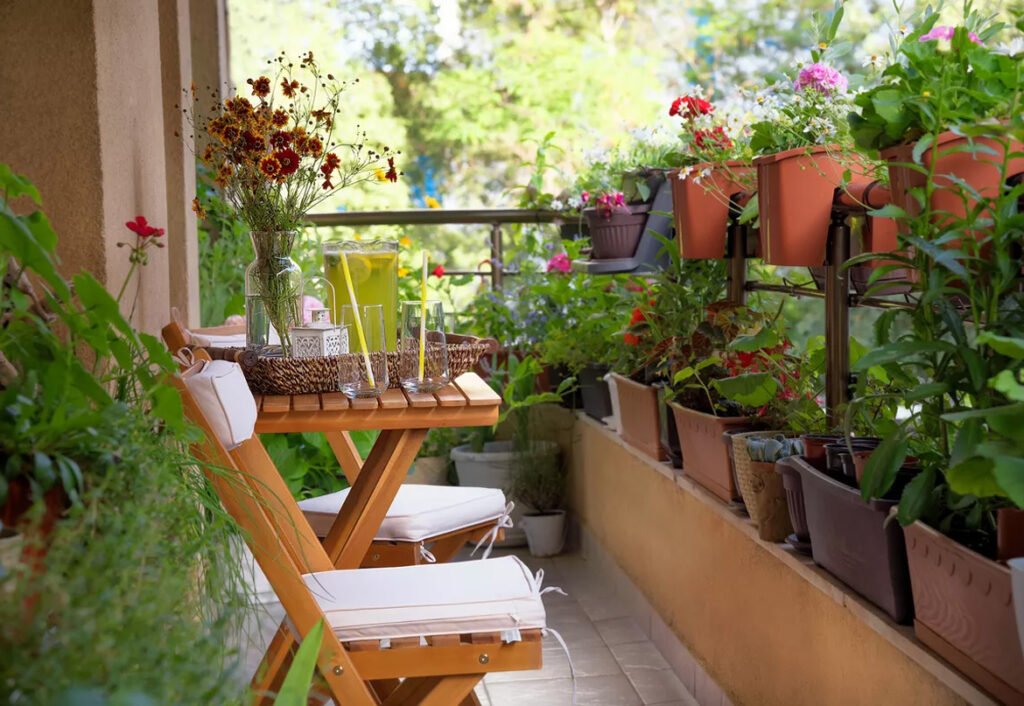
Choosing plants suited for indoor conditions is essential for success. Recommended plants include:
a. Leafy Greens
- Spinach – Fast-growing and suitable for small containers
- Lettuce – Compact varieties thrive in shallow trays
- Kale – Hardy and nutrient-rich
b. Herbs
- Basil – Requires moderate light and supports vegetable companion planting
- Cilantro – Fast-growing and suitable for successive harvests
- Thyme and Rosemary – Compact perennials ideal for windowsills
c. Compact Vegetables
- Cherry Tomatoes – Thrive in containers with support structures
- Radishes – Quick-growing and require minimal space
- Peppers – Smaller varieties suitable for indoor pots
d. Microgreens
- Arugula, Mustard, and Beet Greens – Rapid harvest in 2–3 weeks
- Excellent for busy residents due to quick growth cycles
4. Choosing Containers and Garden Systems
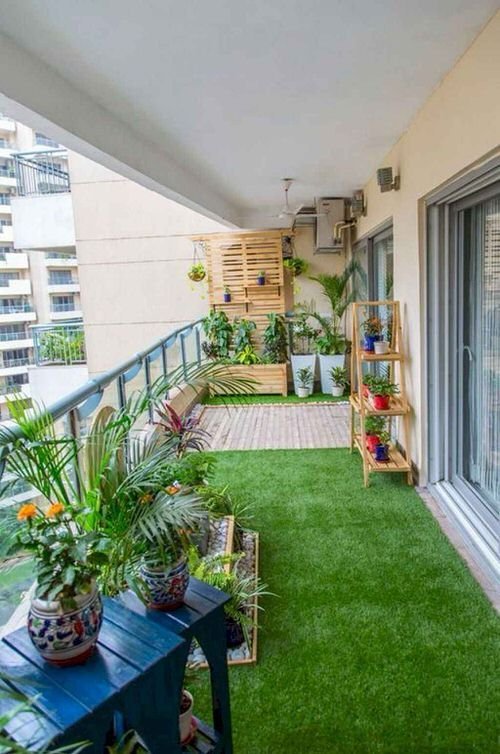
Proper container selection ensures healthy plant growth and ease of maintenance.
a. Container Types
- Standard Pots – Ideal for herbs and small vegetables
- Shallow Trays – Suitable for microgreens and lettuce
- Fabric Grow Bags – Improve aeration and prevent root circling
- Vertical Planters – Maximize wall space for multiple plant layers
b. Drainage Considerations
- Ensure containers have adequate drainage holes to prevent waterlogging
- Use saucers or trays to catch excess water and protect apartment surfaces
c. Material Selection
- Plastic: Lightweight and easy to clean
- Ceramic or clay: Provide stability and insulation
- Fabric: Enhance aeration for fast-growing root crops
5. Lighting Solutions for Indoor Gardens
Light is critical for photosynthesis, plant growth, and productivity.
a. Natural Light
- Place plants near south-facing windows for maximum sunlight
- Rotate containers periodically for uniform growth
- Supplement with reflective surfaces to maximize light distribution
b. Artificial Lighting
- LED Grow Lights: Full-spectrum lights mimic natural sunlight
- Fluorescent Tubes: Effective for leafy greens and herbs
- Light duration: 12–16 hours per day for most indoor vegetables
c. Light Placement
- Keep lights 12–18 inches above plant canopy
- Adjust height as plants grow to prevent leaf burn
6. Soil and Growing Medium
Indoor plants require nutrient-rich, well-draining soil to thrive.
a. Soil Composition
- 40% organic compost
- 40% loamy soil
- 20% perlite or vermiculite for aeration and drainage
b. Fertilization
- Balanced organic fertilizers support vegetative growth
- Liquid compost or seaweed extract applied every 1–2 weeks
- Avoid excessive nitrogen to prevent weak, leggy growth
c. pH Management
- Optimal soil pH: 6.0–7.0 for most vegetables and herbs
- Adjust pH using lime (to raise) or sulfur (to lower) if necessary
7. Watering and Moisture Management
Maintaining consistent moisture is crucial for indoor plant health.
- Use bottom-watering or drip irrigation to reduce fungal risk
- Water when soil surface feels slightly dry
- Mulch containers with coco coir or straw to conserve moisture
- Ensure excess water drains to avoid root rot
8. Companion Planting for Indoor Spaces
Companion planting improves productivity, pest control, and space efficiency.
- Basil with tomatoes – Enhances flavor and repels pests
- Chives with carrots or radishes – Reduces aphid infestations
- Cilantro with spinach – Supports healthy microclimate for leaves
Grouping compatible plants minimizes competition and maximizes yields in small spaces.
9. Pest and Disease Management (Non-Toxic Methods)
Indoor gardens face fewer pest problems but require monitoring.
a. Common Indoor Pests
- Aphids
- Spider mites
- Fungus gnats
b. Preventive Strategies
- Regularly inspect leaves and remove affected areas
- Use neem oil, insecticidal soap, or companion planting for pest control
- Maintain airflow and avoid overcrowding to prevent fungal infections
c. Disease Prevention
- Avoid overhead watering
- Remove yellowing or diseased leaves promptly
- Rotate crops or replace growing medium periodically
10. Maintenance Tips for Busy Residents
a. Succession Planting
- Stagger sowing dates to maintain continuous harvest
- Ideal for herbs and microgreens with short growth cycles
b. Pruning
- Trim herbs regularly to promote bushy growth
- Remove old or damaged leaves to enhance plant health
c. Vertical Gardening
- Use wall-mounted planters, shelves, or hanging baskets to maximize space
- Grow climbing vegetables, such as beans, with trellises to save floor space
d. Time Management
- Allocate 5–10 minutes daily for watering, pruning, and inspection
- Use self-watering containers or automated drip systems for minimal effort
11. Harvesting and Utilization
a. Leafy Greens and Herbs
- Harvest outer leaves first to allow continual growth
- Pick herbs in the morning for maximum flavor and essential oils
b. Vegetables
- Cherry tomatoes, radishes, and peppers can be harvested when ripe
- Microgreens ready in 2–3 weeks provide quick nutrition
c. Continuous Harvest
- Practice succession planting and rotational harvest for year-round supply
12. Maximizing Productivity in Small Apartments
- Use vertical and tiered systems for maximum plant density
- Combine fast-growing herbs with slower-growing vegetables
- Rotate crops and containers to maintain soil health
- Implement succession planting for continuous fresh produce
13. Sustainability Considerations
Indoor gardens in apartments promote sustainable living:
- Reduce dependence on store-bought produce and packaging waste
- Encourage organic, chemical-free growing practices
- Minimize food miles by producing fresh greens locally
- Reuse containers, compost kitchen scraps, and recycle water when possible
14. Challenges and Solutions
- Limited sunlight: Use LED grow lights or reflective surfaces
- Space constraints: Adopt vertical gardening and multi-level shelving
- Busy schedules: Use low-maintenance plants and self-watering systems
- Pest management: Implement organic, non-toxic strategies and maintain clean growing areas
Addressing these challenges ensures healthy, productive indoor gardens for busy urban residents.
15. Conclusion
Indoor gardening provides a practical and rewarding solution for urban apartments, offering fresh vegetables, herbs, and leafy greens year-round. By selecting suitable plants, utilizing containers efficiently, providing adequate light and nutrients, and implementing sustainable care practices, busy residents can create thriving indoor gardens even in limited spaces. Companion planting, vertical systems, and succession harvesting further enhance productivity and ensure continuous supply of fresh, nutrient-rich produce.
Indoor gardening not only contributes to food security and environmental sustainability but also promotes mental wellbeing and a deeper connection with nature. With consistent care and thoughtful planning, even small apartments can be transformed into productive, green sanctuaries.