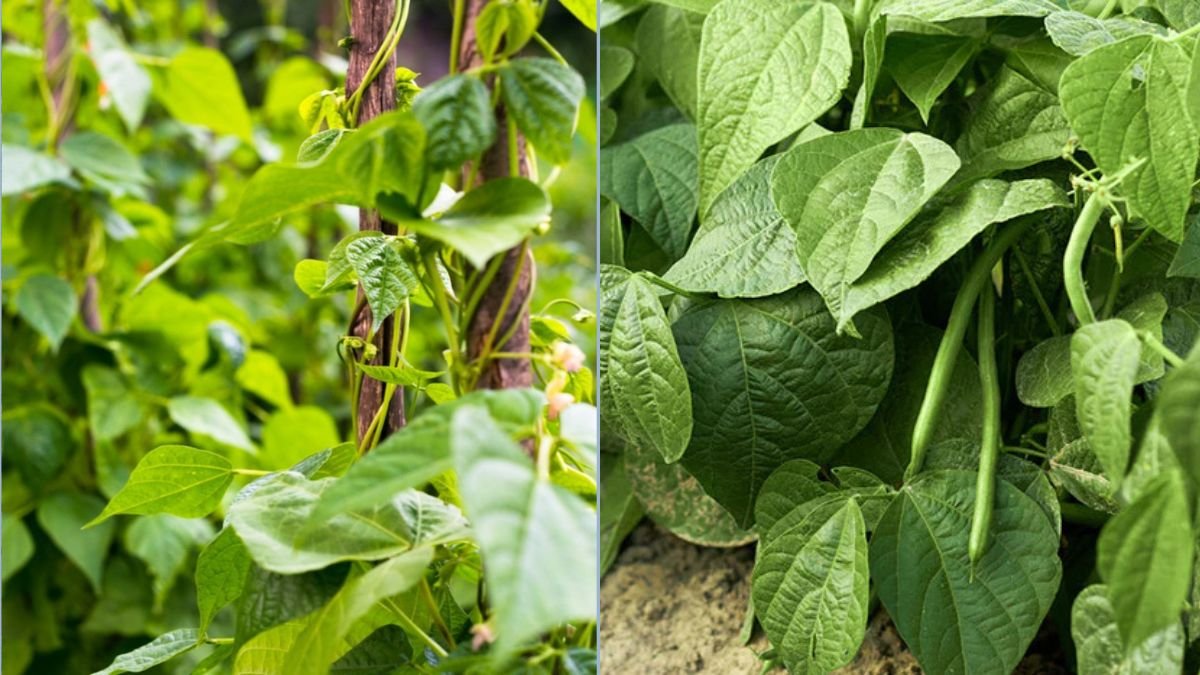
Green beans (Phaseolus vulgaris), also known as snap beans or string beans, are a popular and highly nutritious vegetable, valued for their tender pods and high protein, fiber, and vitamin content. Traditionally grown in garden beds, green beans can be effectively cultivated using vertical gardening techniques, which optimize space, enhance productivity, and simplify maintenance. This article provides a comprehensive guide on growing green beans vertically, focusing on space-saving strategies, variety selection, container and trellis options, soil preparation, planting techniques, care, and harvesting.
1. Introduction
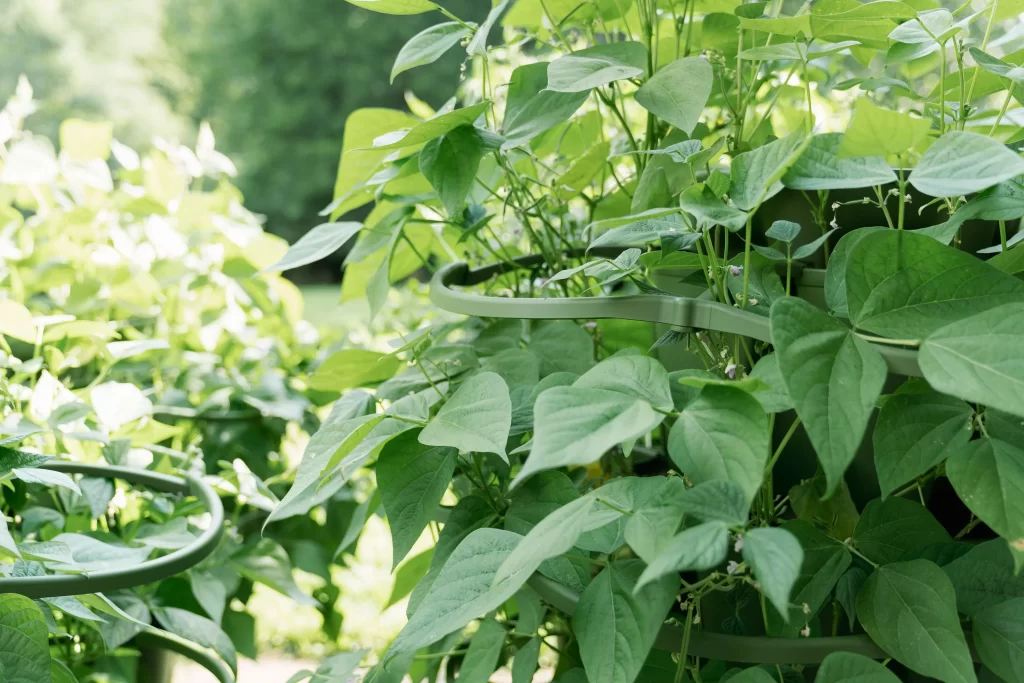
Urbanization and limited garden space have increased the importance of vertical gardening, especially for vining crops like green beans. Vertical growth allows plants to climb trellises, poles, or mesh supports, reducing the footprint required for cultivation and enabling gardeners to maximize yield per square foot. Vertical gardening also improves airflow around plants, reduces disease incidence, and simplifies harvesting.
Green beans are highly adaptable to container systems and vertical supports, making them ideal for small garden beds, patios, balconies, and urban apartment gardening. This approach aligns with sustainable agriculture practices by optimizing resource use while providing fresh, nutrient-rich produce year-round.
2. Benefits of Vertical Green Bean Gardening
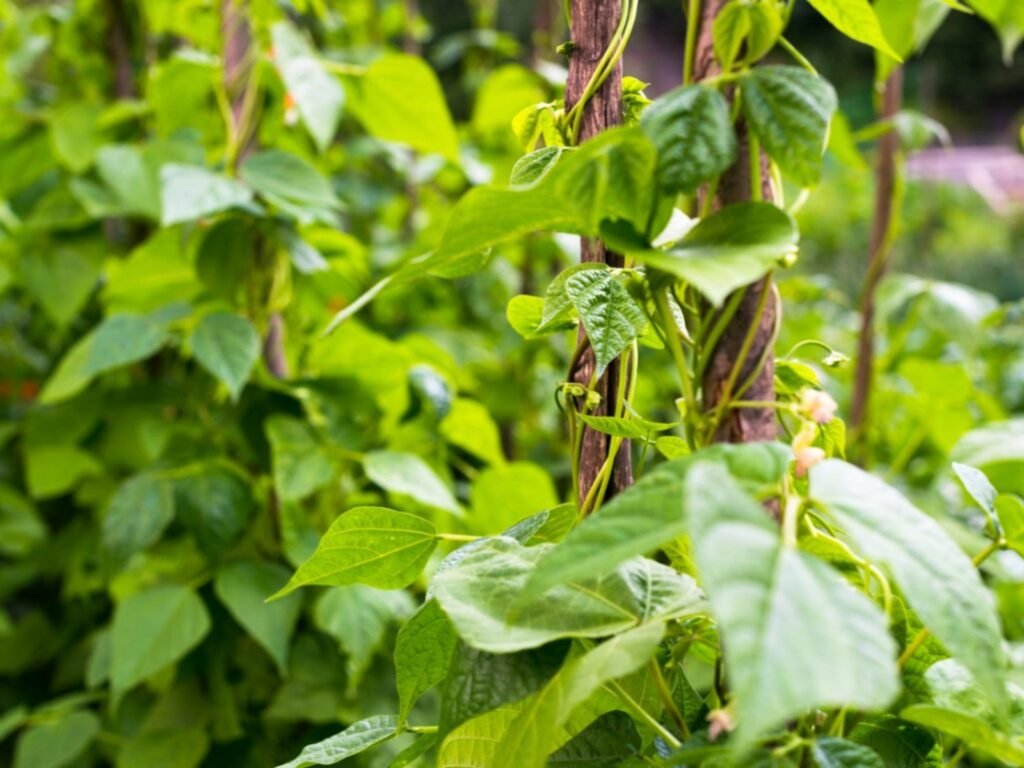
a. Space Efficiency
Vertical cultivation allows vining green beans to grow upwards rather than sprawling across the ground, making it ideal for small spaces and urban gardens.
b. Improved Air Circulation
Elevating plants reduces the risk of fungal infections and improves leaf health by allowing better airflow around foliage.
c. Ease of Harvesting
Vertical growth positions pods at eye level, simplifying harvesting and reducing the risk of damage to stems and leaves.
d. Higher Yield
By growing upwards, green beans can utilize vertical space efficiently, often producing higher yields per square foot than traditional horizontal planting.
e. Pest and Disease Reduction
Vertical gardening minimizes contact with soil-borne pests and pathogens, decreasing the need for chemical interventions.
3. Selecting Green Bean Varieties for Vertical Growth
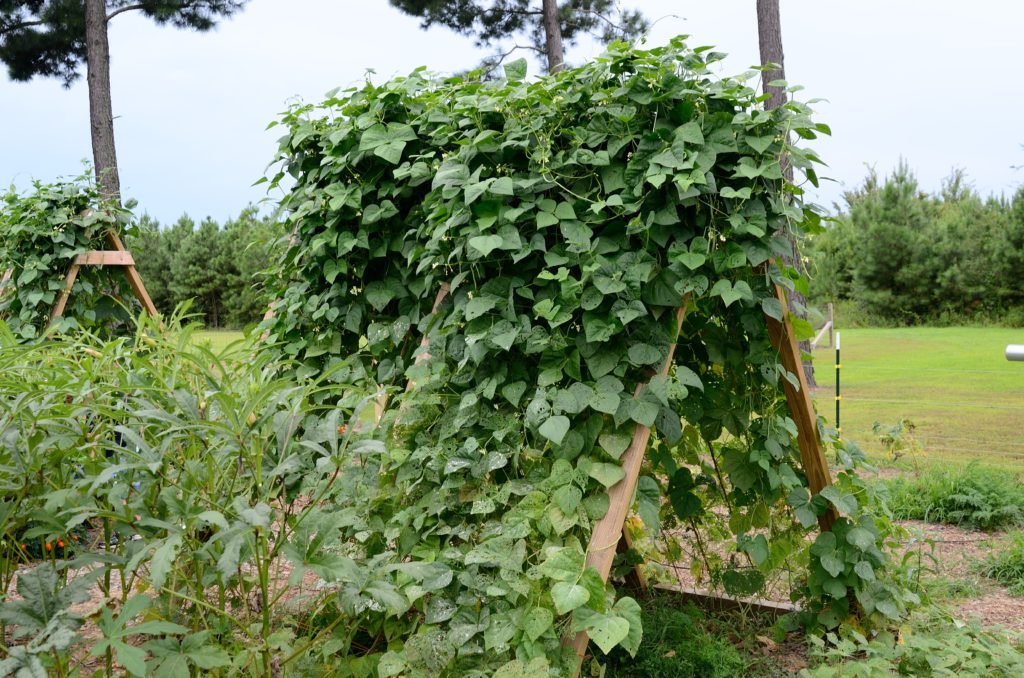
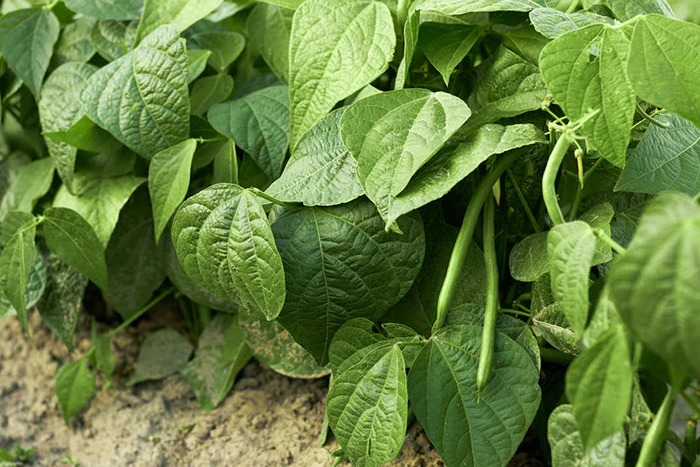
Green beans come in bush and pole varieties. For vertical gardening, pole varieties are preferred due to their climbing habit. Recommended varieties include:
- ‘Kentucky Wonder’ – Classic pole bean with high yield and tender pods
- ‘Blue Lake’ – Vining variety with prolific pod production
- ‘Scarlet Runner’ – Attractive flowering beans with climbing habit
- ‘Provider’ – Early-maturing, vigorous climber suitable for small spaces
- ‘Purple Podded’ – Unique purple pods, compact climber for decorative gardens
Bush varieties are better suited for horizontal or container planting without vertical support but can be intercropped alongside climbing varieties for space optimization.
4. Choosing Containers and Vertical Supports
a. Containers
- Depth: 12–18 inches to accommodate root growth
- Diameter: 12–15 inches per plant or use larger troughs for multiple plants
- Types: Plastic pots, fabric grow bags, wooden boxes, or ceramic containers
- Ensure adequate drainage to prevent waterlogging
b. Vertical Supports
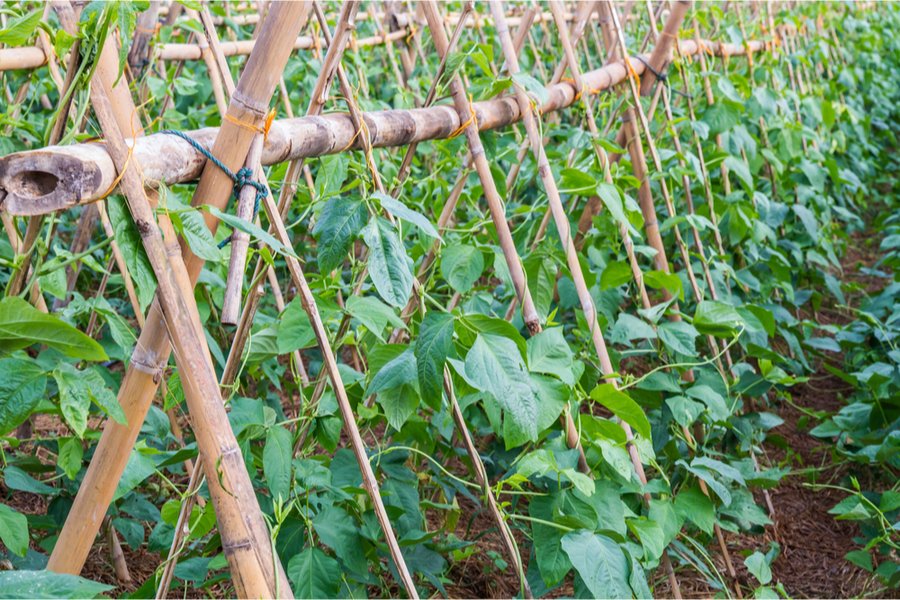
- Trellises – Wooden or metal structures provide sturdy climbing surfaces
- Poles – Bamboo or PVC poles arranged in teepees or A-frames
- Mesh or Netting – Lightweight and easy to install for container gardening
- String Supports – Inexpensive option for indoor or balcony setups
Choosing sturdy supports is essential to handle heavy bean vines and prevent toppling.
5. Soil Preparation for Green Beans
Healthy soil is critical for vigorous growth and abundant pod production.
a. Soil Composition
- Loamy soil mixed with well-aged compost
- Optional perlite or vermiculite to improve aeration and drainage
b. Soil pH
- Ideal pH: 6.0–7.0
- Neutral pH supports nutrient availability and root health
c. Fertility
- Green beans fix nitrogen naturally; avoid excessive nitrogen fertilization
- Apply balanced organic fertilizer or compost before planting
- Supplement with potassium and phosphorus to support flowering and pod formation
6. Planting Techniques for Vertical Gardening
a. Seed Sowing
- Sow seeds 1–2 inches deep
- Space seeds 4–6 inches apart along the base of the support
- Thin seedlings if necessary to prevent overcrowding
b. Transplanting
- Start seeds in small pots and transplant seedlings to containers with vertical supports after 2–3 weeks
- Ensure roots are well-established for strong climbing growth
c. Training Vines
- Guide young vines to the support using soft ties or by gently wrapping stems around poles
- Regularly check and adjust vines to maintain vertical growth
7. Light and Temperature Requirements
a. Light
- Green beans require 6–8 hours of sunlight daily
- Use reflective surfaces or grow lights for indoor or low-light environments
- Rotate containers for even light distribution
b. Temperature
- Optimal growth: 60–75°F (15–24°C)
- Beans are sensitive to frost; protect seedlings in early spring or late fall
- Indoor cultivation allows temperature control for year-round growth
8. Watering and Moisture Management
- Keep soil evenly moist, especially during flowering and pod development
- Avoid waterlogging, which can lead to root rot
- Mulch soil surface with straw or coco coir to retain moisture and reduce evaporation
- Water at the base to prevent fungal issues on leaves
9. Nutrient Management During Growth
- Beans fix nitrogen, reducing fertilizer needs
- Side-dress with compost tea or organic liquid fertilizer during flowering to support pod growth
- Monitor plant health and adjust nutrient supply as needed
10. Pest and Disease Management (Non-Toxic Methods)
a. Common Pests
- Aphids
- Spider mites
- Bean beetles
b. Preventive Measures
- Inspect plants regularly and remove affected leaves
- Introduce beneficial insects such as ladybugs for aphid control
- Neem oil or insecticidal soap for persistent infestations
c. Disease Management
- Ensure proper spacing and airflow to reduce fungal infections
- Avoid overhead watering
- Remove yellowing or diseased foliage promptly
11. Harvesting Green Beans
a. Timing
- Snap beans: Harvest when pods are firm and tender, before seeds enlarge
- Regular picking encourages continuous flowering and pod production
b. Technique
- Gently pinch or cut pods from vines to avoid damaging stems
- Harvest every 2–3 days for optimal yield and quality
c. Continuous Harvest
- Successive picking ensures sustained production from vertical systems
- Plant in staggered intervals for continuous supply
12. Maximizing Yield in Vertical Gardens
- Use trellises efficiently to maximize vertical space
- Intercrop with low-growing vegetables like lettuce or radishes to utilize ground space
- Succession planting ensures continuous harvest
- Regular pruning promotes healthy growth and reduces overcrowding
- Monitor soil moisture, nutrients, and light for consistent productivity
13. Sustainability Considerations
Vertical green bean gardening supports sustainable urban agriculture:
- Reduces land and water use compared to traditional horizontal cultivation
- Encourages organic, chemical-free practices
- Supports year-round urban food production
- Efficient use of vertical space aligns with small-space and apartment gardening
14. Challenges and Solutions
- Limited space: Vertical supports maximize small areas
- Weak seedlings: Use quality seeds and ensure adequate light and water
- Pest issues: Implement non-toxic pest control and monitor plants regularly
- Overcrowding: Thin plants and guide vines to maintain airflow
- Support failure: Choose sturdy trellises or poles to prevent collapse
Addressing these challenges ensures healthy, productive green bean plants in vertical systems.
15. Conclusion
Growing green beans vertically is an effective solution for space-constrained gardens, providing high yields of tender, nutrient-rich pods in limited areas. By selecting suitable varieties, using proper containers and trellises, preparing fertile soil, and maintaining appropriate light, water, and nutrient management, gardeners can achieve productive vertical gardens.
Vertical cultivation enhances airflow, reduces pest and disease pressure, simplifies harvesting, and maximizes yield per square foot. With thoughtful planning, careful care, and regular monitoring, vertical green bean gardens offer urban gardeners a sustainable, productive, and rewarding method to grow fresh vegetables year-round.