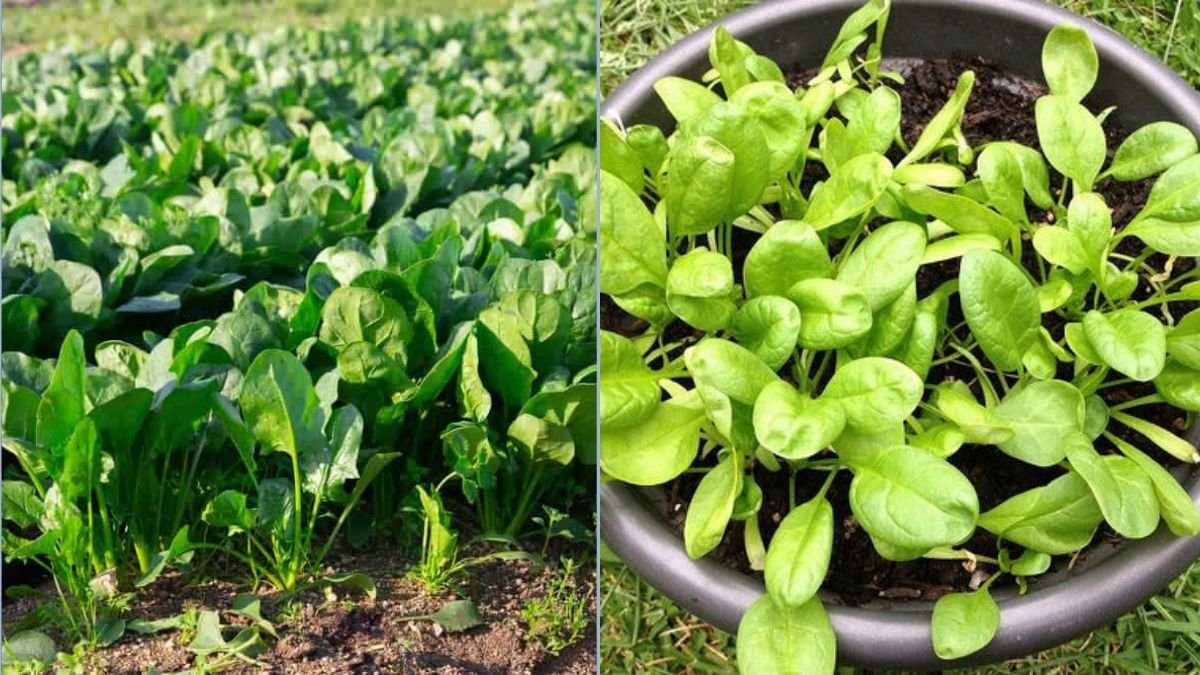
Spinach is one of the most versatile and nutrient-rich leafy greens, packed with vitamins, minerals, and antioxidants. Known for its fast growth and adaptability, spinach is ideal for home gardeners looking to maintain a year-round supply of fresh greens. Even families or individuals without access to a traditional garden can successfully cultivate spinach indoors, on balconies, or in small containers. This article provides a comprehensive guide on growing spinach year-round, covering variety selection, container setups, soil preparation, care routines, and harvesting strategies.
Benefits of Growing Spinach Year-Round
Growing spinach year-round offers numerous advantages:
- Consistent Supply: Fresh spinach is always available for salads, smoothies, and cooking.
- Nutritional Value: Spinach is rich in iron, calcium, vitamin K, vitamin C, and fiber, promoting overall health.
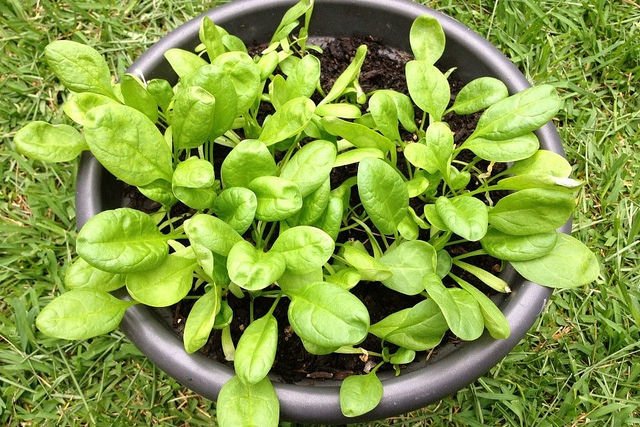
- Space Efficiency: Spinach can thrive in small containers, hydroponic systems, or vertical gardens, making it ideal for urban or apartment gardening.
- Fast Growth: Spinach matures quickly, typically within 30–45 days, allowing multiple harvests throughout the year.
- Cost Savings: Growing your own spinach reduces grocery expenses while minimizing exposure to pesticides and preservatives.
Selecting the Right Spinach Varieties
Choosing the right variety is critical for year-round success. Spinach comes in two main types:
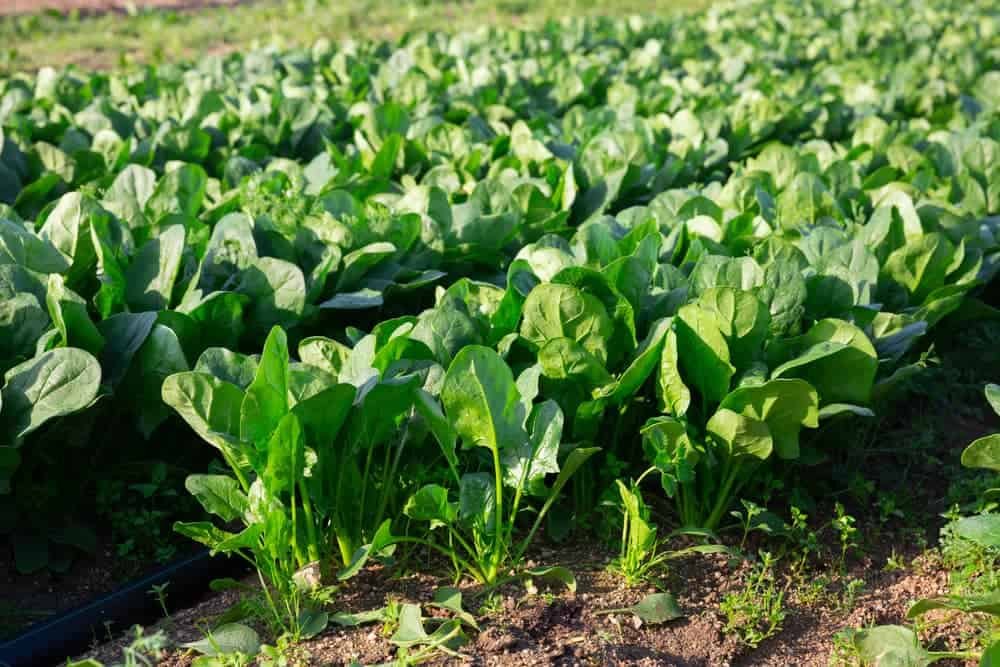
- Savoy Spinach: Characterized by dark green, crinkled leaves. It is cold-tolerant and ideal for outdoor winter cultivation.
- Smooth-Leaf (Flat-Leaf) Spinach: Produces smooth, tender leaves and is easier to wash. Suitable for indoor container gardening and hydroponics.
Popular varieties for continuous harvest include ‘Bloomsdale,’ ‘Baby Leaf,’ and ‘Tyee,’ which are known for rapid growth, disease resistance, and high yield. Selecting varieties that match your space, climate, and container setup ensures optimal results.
Growing Spinach in Containers
For gardeners without a traditional garden, container growing is the most practical option.
- Container Size: Use pots at least 6–8 inches deep to allow adequate root growth. Wider containers (12–16 inches) accommodate multiple plants without overcrowding.
- Material: Plastic, ceramic, or terra-cotta containers are suitable. Plastic retains moisture longer, while terra-cotta promotes aeration.
- Drainage: Ensure containers have sufficient drainage holes to prevent waterlogging, which can cause root rot.
Spinach grows well in grouped arrangements or as part of a mixed container with other leafy greens and herbs.
Preparing the Soil
Healthy soil is essential for rapid growth and nutrient-rich leaves:
- Soil Mix: Combine high-quality potting soil with organic compost to provide essential nutrients. Add perlite or sand to improve drainage.
- pH Level: Spinach prefers slightly acidic to neutral soil, with a pH range of 6.0–7.0. Adjust pH naturally with lime (to raise) or peat moss (to lower).
- Fertilization: Incorporate slow-release, plant-based fertilizers into the soil before planting. Spinach benefits from nitrogen-rich supplements to support lush leaf growth.
Sowing Spinach Seeds
Proper seed sowing ensures uniform germination and robust growth:
- Timing: Spinach prefers cool temperatures but can be grown year-round indoors or with controlled outdoor conditions.
- Planting Depth: Sow seeds ½ inch deep and cover lightly with soil.
- Spacing: Thin seedlings to 3–4 inches apart for optimal airflow and growth. Overcrowding can result in small leaves and increased risk of disease.
- Succession Planting: To ensure continuous harvest, sow seeds every 2–3 weeks. This strategy maintains a steady supply of fresh leaves throughout the year.
Light Requirements
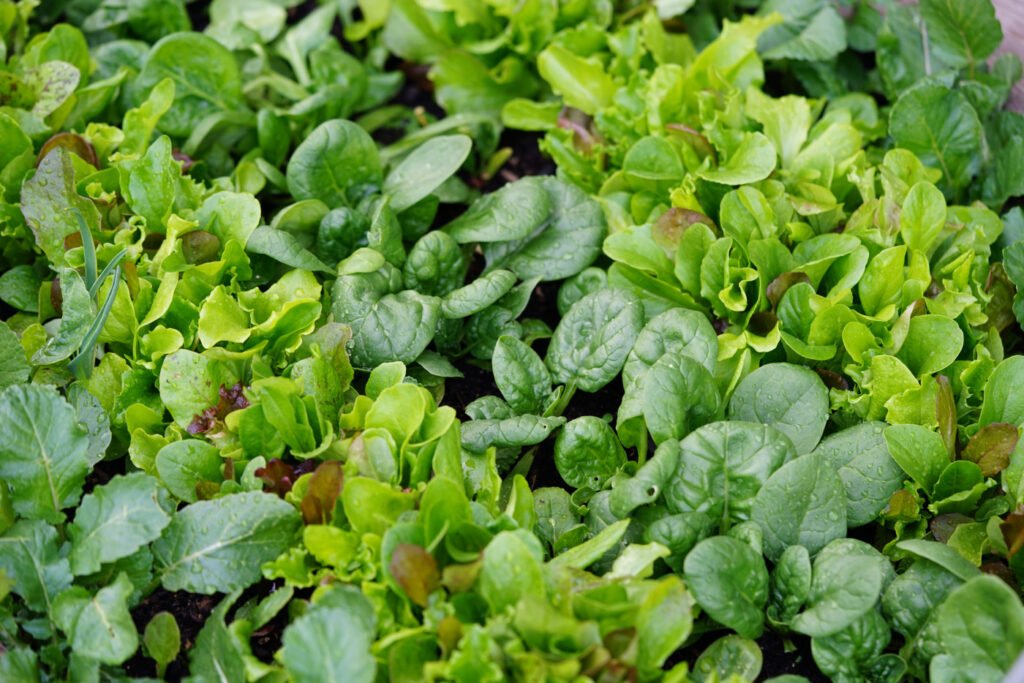
Spinach requires adequate light to thrive, particularly when grown indoors or in low-light conditions:
- Natural Light: Place containers in south- or west-facing windows that receive at least 4–6 hours of sunlight daily.
- Artificial Light: Use LED grow lights for indoor setups. Position lights 6–12 inches above the plants and maintain 12–14 hours of light daily.
- Rotation: Rotate containers weekly to ensure even growth and prevent plants from leaning toward light sources.
Proper lighting promotes vibrant, tender leaves and prevents leggy growth.
Watering and Moisture Management
Maintaining consistent soil moisture is key to year-round spinach growth:
- Watering Frequency: Keep soil consistently moist but not waterlogged. In general, water 2–3 times per week, adjusting based on container size, temperature, and humidity.
- Watering Technique: Water at the base of plants to avoid wetting leaves, which can lead to fungal diseases.
- Mulching: Apply a thin layer of organic mulch to retain moisture and regulate soil temperature.
Self-watering containers or drip irrigation systems can simplify maintenance for busy families.
Temperature and Climate Control
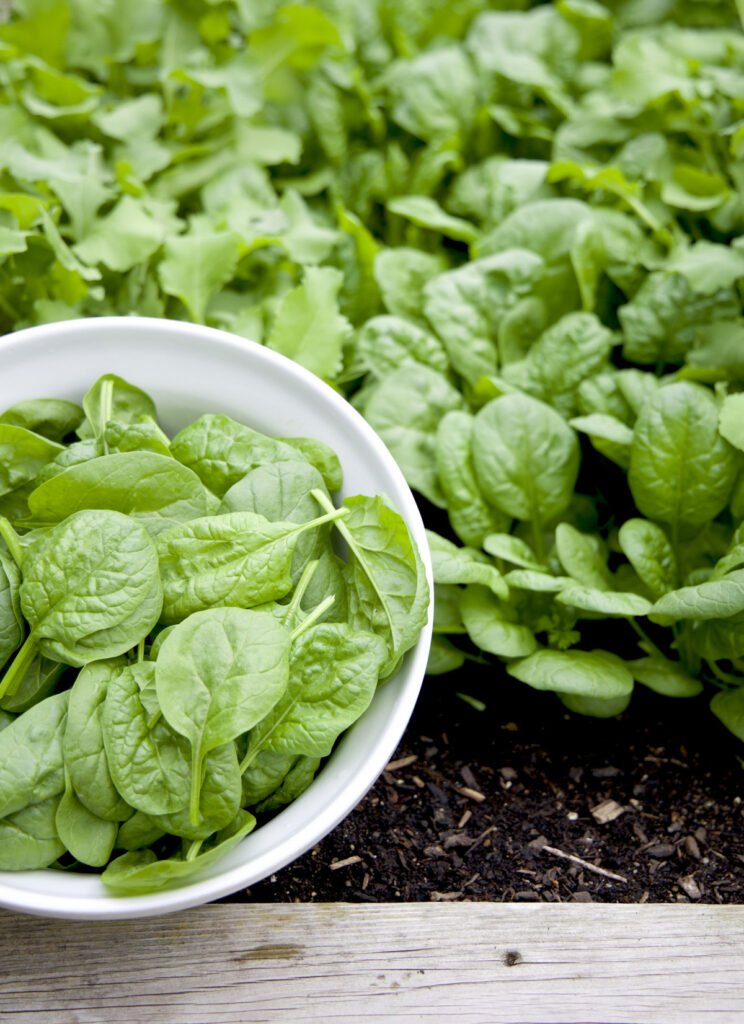
Spinach is a cool-season crop that can tolerate a range of temperatures:
- Optimal Temperature: Spinach grows best between 50–70°F (10–21°C).
- Cold Tolerance: Some varieties, like Bloomsdale, withstand frost, making outdoor winter cultivation possible in mild climates.
- Indoor Gardening: Indoor environments allow year-round temperature control, preventing bolting (premature flowering) caused by heat stress.
Maintaining stable temperatures ensures continuous leaf production and prevents stress-related growth issues.
Fertilization During Growth
Spinach requires periodic feeding to maintain nutrient-rich leaves:
- Organic Fertilizers: Apply compost tea or plant-based liquid fertilizers every 2–3 weeks.
- Nitrogen: Nitrogen-rich fertilizers encourage dense leaf growth. Avoid excessive phosphorus, which can inhibit leaf development.
- Micronutrients: Ensure sufficient calcium and magnesium to support healthy leaves and prevent yellowing or leaf curling.
Balanced feeding encourages tender, flavorful, and nutrient-dense spinach.
Pest and Disease Management
Even indoors, spinach can face minor pest and disease challenges:
- Common Pests: Aphids, leaf miners, and spider mites may occasionally infest spinach. Use neem oil, insecticidal soap, or introduce beneficial insects for control.
- Disease Prevention: Maintain proper spacing, avoid overhead watering, and remove diseased or yellowing leaves promptly.
- Hygiene: Clean containers and tools regularly to prevent fungal or bacterial outbreaks.
Proactive care ensures healthy plants with minimal intervention.
Harvesting Spinach Year-Round
Harvesting properly maximizes yield and encourages continued growth:
- Timing: Spinach is ready for harvest 30–45 days after sowing, depending on the variety.
- Leaf Picking: For continuous harvest, use the “cut-and-come-again” method by harvesting outer leaves and leaving inner leaves to grow.
- Frequency: Regular harvesting every 1–2 weeks promotes fresh growth and prevents bolting.
- Storage: Store harvested leaves in a cool, dark place or refrigerate to preserve freshness. Spinach is best consumed within a few days for optimal flavor and nutrition.
Space-Saving Strategies
For busy families or urban gardeners, maximizing available space is essential:
- Vertical Gardening: Use stacked planters or wall-mounted shelves to grow multiple trays of spinach efficiently.
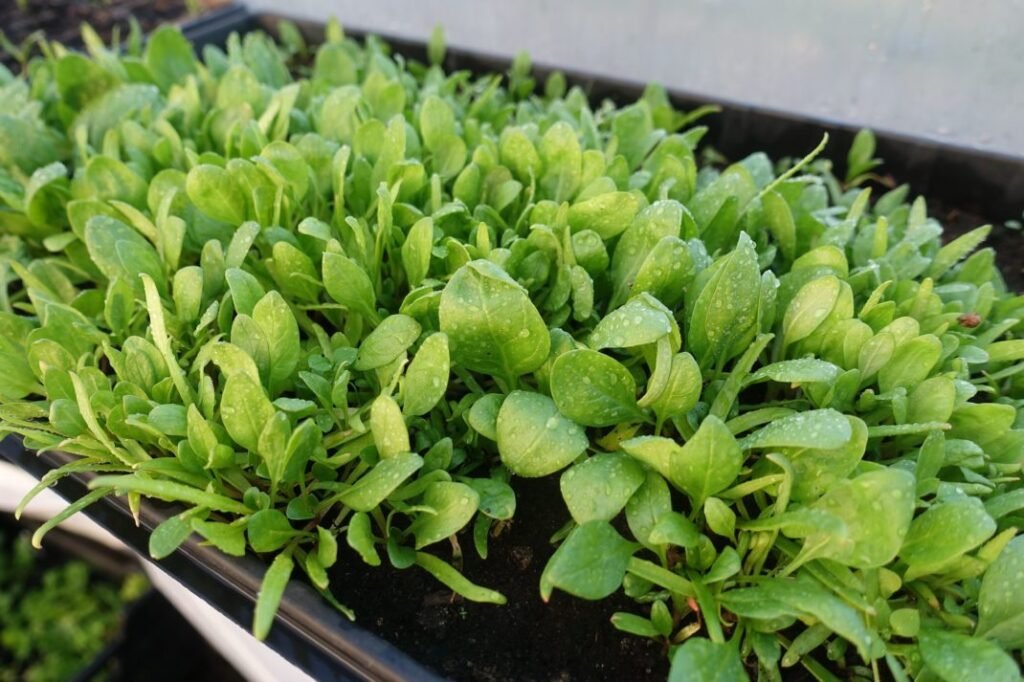
- Windowsill Farms: Grow baby spinach or microgreens on sunny windowsills for quick harvests.
- Hydroponics: Soilless systems provide faster growth and year-round harvests without the need for traditional soil.
These strategies allow families to maintain productive spinach gardens even in small apartments or limited spaces.
Conclusion
Growing spinach year-round is both practical and rewarding. With proper variety selection, container choice, soil preparation, lighting, watering, and fertilization, anyone can enjoy fresh, nutrient-rich spinach regardless of outdoor space. Indoor and container gardening ensures a continuous supply of leafy greens, making it ideal for busy families, urban dwellers, and health-conscious individuals.
By implementing succession planting, using space-saving techniques, and maintaining proactive care routines, gardeners can cultivate a sustainable, year-round spinach harvest. Freshly harvested spinach not only enhances family meals but also promotes health, environmental awareness, and a connection to nature.
Spinach demonstrates that with thoughtful planning and simple techniques, anyone can enjoy the benefits of homegrown greens, making year-round cultivation both achievable and enjoyable.