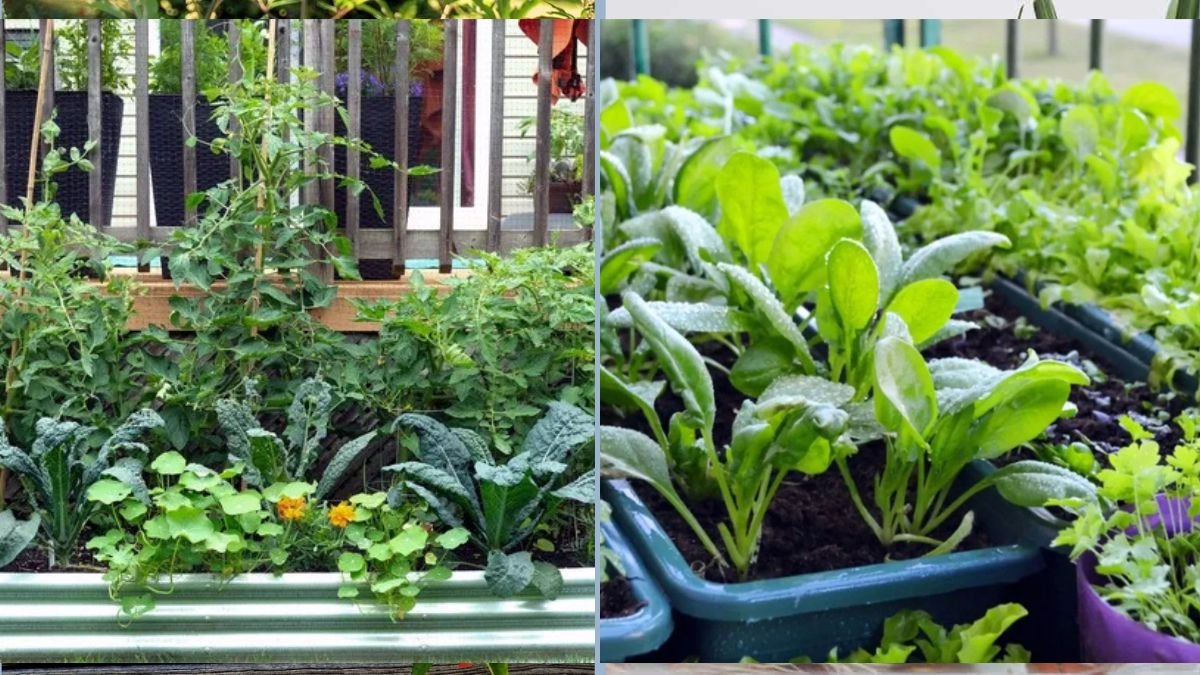
Raised container gardens are an excellent solution for urban dwellers, apartment residents, and those with limited yard space. By elevating plants above the ground, container gardening improves soil drainage, reduces pest problems, and provides greater control over soil quality and nutrient management. Selecting the right vegetables for raised containers is essential for maximizing yield, conserving space, and ensuring a successful, low-maintenance gardening experience. This article explores the best vegetables for raised container gardens, along with practical cultivation, care, and harvesting tips.
Why Choose Raised Container Gardens?
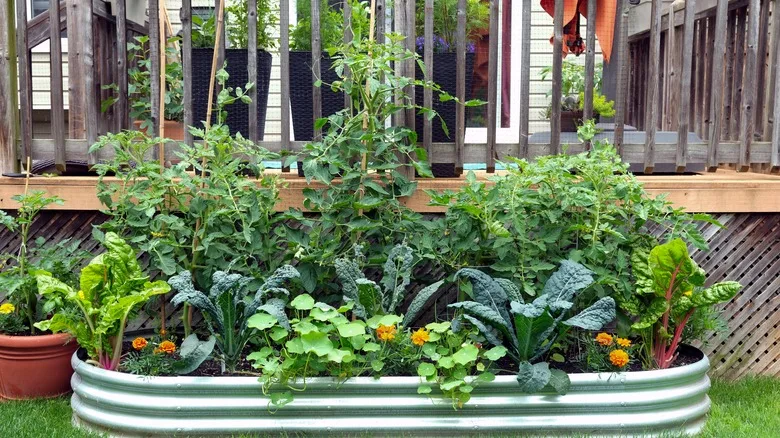
Raised container gardens offer numerous advantages compared to traditional ground planting:
- Improved Soil Control: Gardeners can choose nutrient-rich, well-draining soil specifically suited for each vegetable.
- Better Drainage: Containers prevent waterlogging, reducing the risk of root rot and other soil-borne diseases.
- Pest and Weed Management: Elevated plants are less prone to pests, and containers reduce weed growth.
- Space Efficiency: Ideal for small patios, balconies, and urban environments where traditional garden beds are impractical.
- Accessibility: Raised containers are easier to maintain, reducing bending and back strain.
Understanding these benefits helps gardeners select appropriate vegetables and create thriving container gardens.
Key Considerations for Container Vegetable Gardening
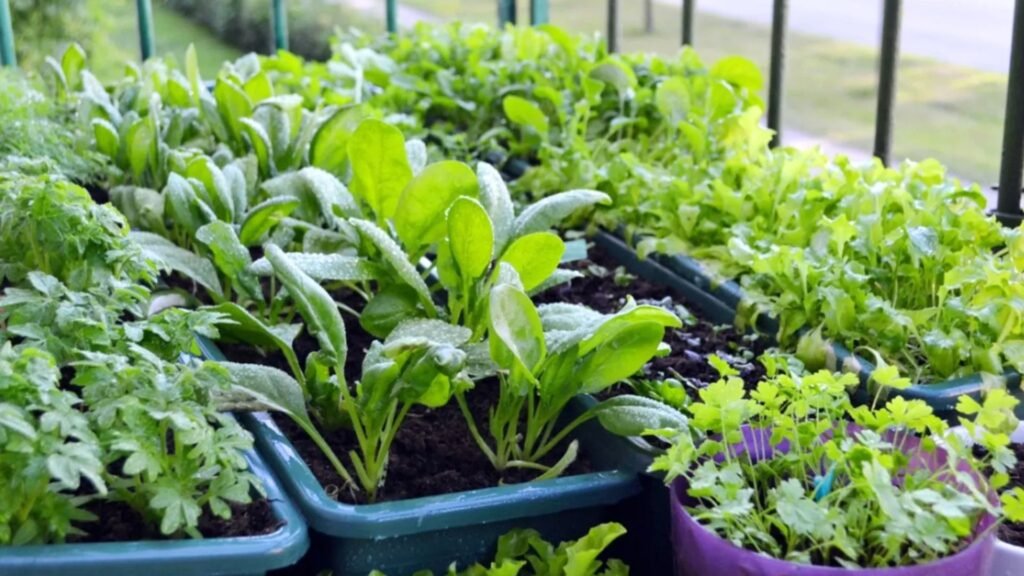
Before selecting vegetables, several factors must be considered:
- Container Size: Small vegetables like lettuce or radishes require 6–8 inch deep pots, while larger vegetables like tomatoes or peppers need 12–18 inches.
- Soil Quality: A nutrient-rich, well-draining potting mix with compost or organic matter is essential.
- Sunlight: Most vegetables require 6–8 hours of sunlight per day. For shaded areas, select low-light-tolerant vegetables.
- Watering: Containers dry out faster than ground soil, so consistent moisture is crucial.
- Drainage: Ensure all containers have drainage holes to prevent root rot.
By considering these factors, gardeners can maximize container productivity and plant health.
1. Leafy Greens
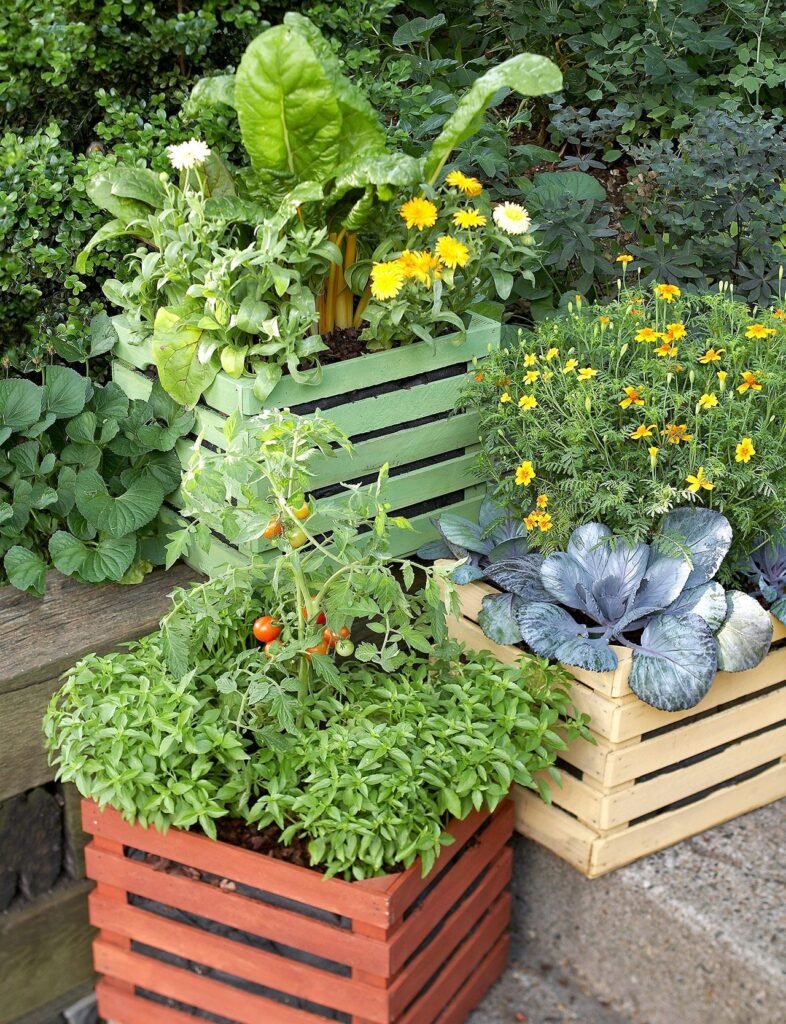
Leafy greens are fast-growing, nutrient-rich, and ideal for container gardens:
Examples
- Lettuce: Thrives in small pots, available in multiple varieties, and can be harvested repeatedly by cutting outer leaves.
- Spinach: Grows well in 6–8 inch containers, tolerates partial shade, and provides a continuous supply of tender leaves.
- Kale: Suitable for slightly larger containers, kale tolerates cool weather and produces nutrient-dense leaves over several months.
Cultivation Tips
- Sow seeds directly or transplant seedlings into containers.
- Maintain consistent soil moisture.
- Use organic fertilizers every 2–3 weeks.
- Harvest outer leaves regularly for ongoing growth.
Leafy greens are ideal for beginners because they grow quickly and provide early rewards.
2. Root Vegetables
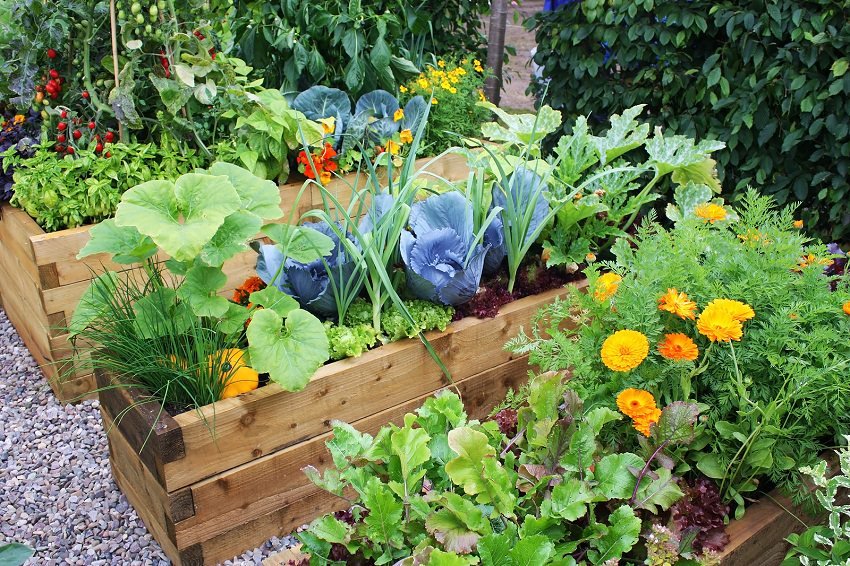
Root vegetables adapt well to raised containers, provided the soil is loose and deep:
Examples
- Radishes: Mature in 3–4 weeks, ideal for small containers, and require minimal care.
- Carrots: Prefer deeper containers (12 inches) to accommodate roots; thinning seedlings ensures healthy growth.
- Beets: Require well-draining soil and slightly larger containers, but provide both edible roots and nutritious greens.
Cultivation Tips
- Use loose, sandy, or well-aerated soil to prevent misshapen roots.
- Thin seedlings to reduce competition.
- Maintain consistent moisture without overwatering.
- Harvest when roots reach the desired size to encourage new growth in successive plantings.
Root vegetables are rewarding because they demonstrate rapid, visible progress, motivating beginner gardeners.
3. Fruiting Vegetables
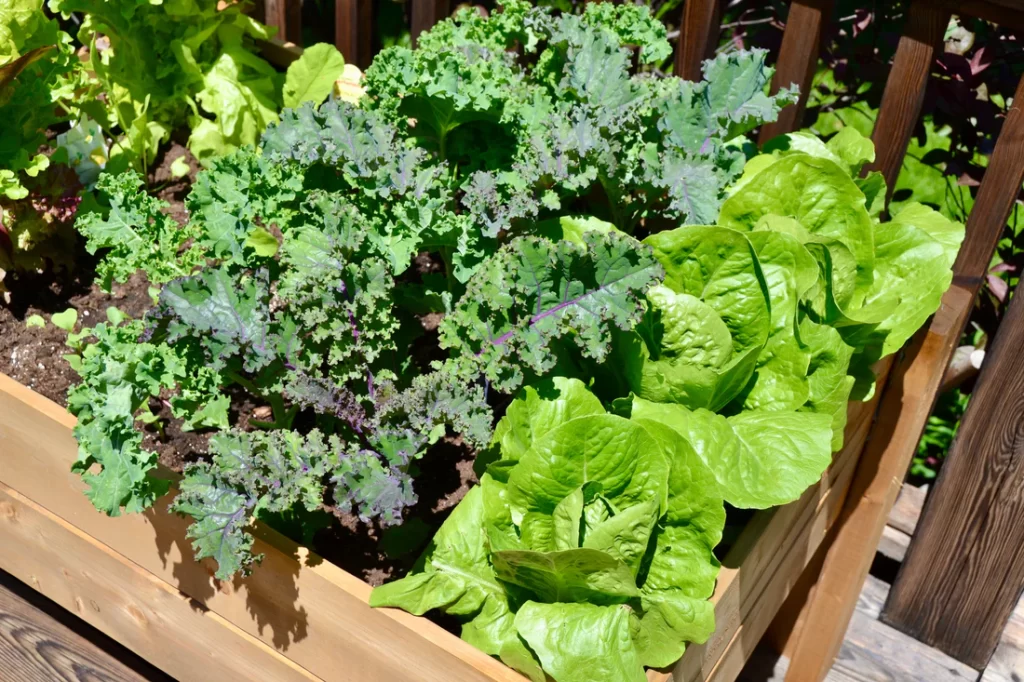
Fruiting vegetables like tomatoes, peppers, and eggplants are excellent choices for raised containers:
Examples
- Tomatoes: Dwarf or determinate varieties thrive in containers 12–18 inches deep.
- Peppers: Bell peppers and chili varieties grow well in pots, requiring moderate sunlight.
- Eggplants: Compact varieties yield well in deep containers and respond to consistent watering.
Cultivation Tips
- Support plants with stakes, cages, or trellises to encourage upright growth.
- Use high-quality potting soil with compost for nutrient support.
- Fertilize with organic liquid fertilizers every 2–3 weeks during active growth.
- Prune and remove damaged leaves to improve air circulation and reduce disease risk.
Fruiting vegetables offer visual appeal and a bountiful harvest, making them a popular choice for container gardeners.
4. Legumes
Legumes enrich soil nitrogen and grow well in containers:
Examples
- Bush Beans: Compact, bush-type beans are ideal for small raised containers.
- Peas: Require vertical supports or trellises for optimal growth and can grow in shallow containers.
- Lentils and Chickpeas: Suitable for medium containers; these legumes enrich soil and provide protein-rich crops.
Cultivation Tips
- Provide trellises for climbing varieties.
- Maintain consistent watering, especially during flowering and pod development.
- Harvest pods when tender for fresh consumption or allow seeds to mature for later use.
Legumes enhance soil fertility naturally while providing nutritious produce, making them both functional and productive.
5. Herbs
Herbs are perfect for small containers and require minimal maintenance:
Examples
- Basil: Thrives in 6–8 inch pots with sunlight, ideal for indoor or balcony gardens.
- Cilantro and Parsley: Adapt well to partial shade and provide continuous harvest.
- Mint: Vigorous grower; best contained to prevent spreading.
- Thyme and Oregano: Perennial herbs that grow well in shallow containers.
Cultivation Tips
- Regularly pinch or harvest leaves to encourage bushy growth.
- Use well-draining soil and avoid overwatering.
- Provide partial sunlight for shade-tolerant herbs.
- Repot annually to maintain health and productivity.
Herbs enhance culinary options and can be grown alongside vegetables to maximize container space.
Watering and Fertilization Strategies
Container vegetables require careful water and nutrient management:
- Watering: Monitor moisture regularly; containers dry faster than ground soil. Water deeply but avoid waterlogging.
- Mulching: Use organic mulch to retain moisture and moderate soil temperature.
- Fertilization: Organic fertilizers, compost tea, or slow-release formulations help sustain growth. Feed leafy greens lightly and fruiting vegetables more frequently to support flowering and fruit development.
Proper watering and fertilization are critical for healthy, productive container gardens.
Pest and Disease Management
Containers reduce many soil-borne pests but do not eliminate problems entirely:
- Common Pests: Aphids, whiteflies, spider mites, and caterpillars.
- Organic Solutions: Neem oil, insecticidal soaps, and manual removal are safe for edible crops.
- Disease Prevention: Ensure proper spacing, airflow, and avoid overhead watering to reduce fungal issues.
Regular monitoring and preventive care keep plants healthy and ensure optimal yield.
Space Optimization in Raised Container Gardens
Maximizing container space improves productivity:
- Vertical Gardening: Use trellises or supports for climbing vegetables like beans, peas, and cucumbers.
- Succession Planting: Stagger planting dates to ensure continuous harvest.
- Companion Planting: Grow complementary vegetables or herbs together to maximize yield and repel pests.
- Tiered Containers: Use multi-level setups to optimize sunlight exposure and increase planting density.
Smart planning allows gardeners to grow more produce in limited spaces efficiently.
Harvesting Tips
Timely harvesting ensures continued production and prevents overripe produce:
- Leafy Greens: Harvest outer leaves regularly to promote regrowth.
- Root Vegetables: Pull when roots reach desired size.
- Fruiting Vegetables: Pick when fully mature but still tender for best flavor.
- Herbs: Pinch leaves continuously to encourage bushiness and prevent flowering.
Consistent harvesting promotes plant health and maximizes yield.
Conclusion
Raised container gardens offer a practical and rewarding solution for growing fresh vegetables in urban environments, limited spaces, or areas with poor soil quality. Leafy greens, root vegetables, fruiting vegetables, legumes, and herbs are particularly well-suited for raised containers, providing high yields, nutritional value, and visual appeal. By selecting the right vegetables, optimizing containers, maintaining soil fertility, and managing water and pests effectively, gardeners can cultivate productive, low-maintenance, and sustainable container gardens. Raised container gardening empowers individuals to enjoy homegrown, chemical-free produce, foster healthier eating habits, and contribute to environmental sustainability—even in small urban spaces.