
Garlic (Allium sativum) is a versatile and nutrient-rich vegetable celebrated for its distinctive flavor, medicinal properties, and culinary versatility. Growing garlic at home is remarkably easy and rewarding, allowing individuals to enjoy fresh, organic bulbs without relying on store-bought produce. Even small kitchen gardens, balconies, or indoor containers can support garlic cultivation with minimal effort. This article provides a comprehensive guide to planting, nurturing, and harvesting garlic at home, offering practical tips to simplify the process and ensure a successful yield.
Why Grow Garlic at Home?
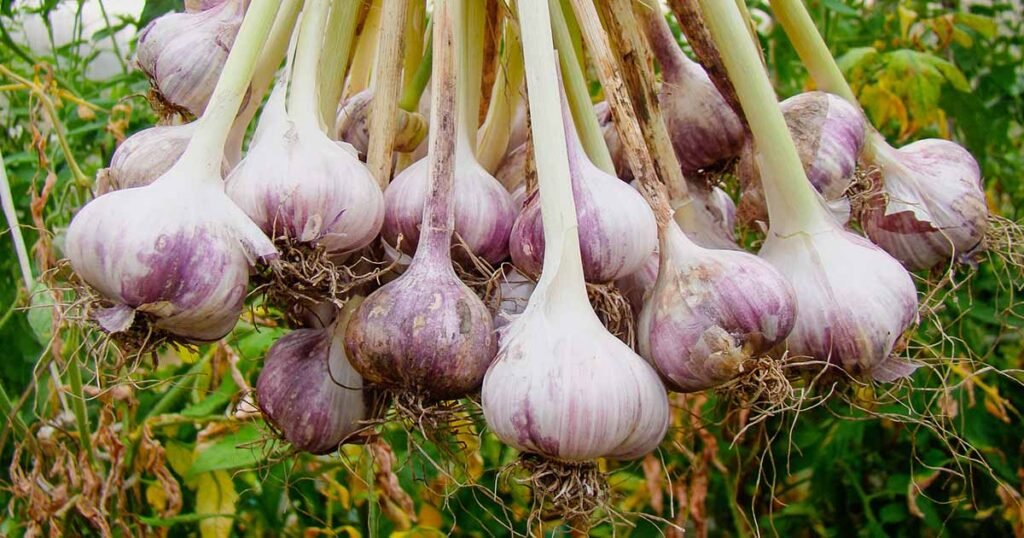
Growing garlic at home offers numerous benefits:
- Year-Round Supply: Fresh garlic is available whenever needed, ensuring optimal flavor and nutritional value.
- Chemical-Free Produce: Home cultivation eliminates concerns about pesticides and chemical residues.
- Cost-Effective: Garlic bulbs purchased in bulk for planting are more economical than buying organic bulbs from stores.
- Therapeutic Gardening: Caring for garlic promotes mindfulness and connection with nature.
- Culinary and Medicinal Uses: Garlic enhances dishes while providing antioxidant, immune-boosting, and heart-healthy properties.
These advantages make garlic an ideal choice for beginner and experienced home gardeners alike.
Selecting Garlic Varieties
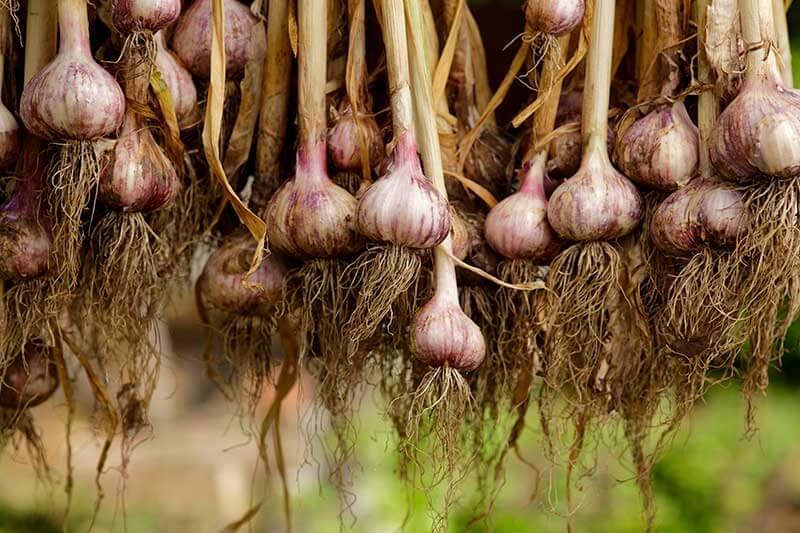
Choosing the right garlic variety is essential for home cultivation. Garlic is broadly classified into two types:
- Softneck Garlic:
- Flexible stems, ideal for braiding and storage.
- Well-suited for milder climates.
- Produces multiple cloves per bulb.
- Hardneck Garlic:
- Produces a flower stalk (scape) and has fewer, larger cloves.
- Better suited to colder climates.
- Stronger, more robust flavor.
Popular varieties for home planting include “California Early” (softneck), “Rocambole” (hardneck), and “Purple Stripe” (hardneck). Selecting a variety adapted to your local climate ensures healthier growth and better yields.
Choosing Planting Material
High-quality garlic bulbs are critical for successful cultivation:
- Certified Seed Garlic: Purchase disease-free seed garlic from reputable nurseries to avoid fungal or viral contamination.
- Healthy Bulbs: Select firm, plump bulbs with intact skins. Avoid soft, shriveled, or damaged bulbs.
- Clove Selection: Only the largest, healthiest cloves from each bulb should be used for planting; small cloves yield smaller bulbs.
Using quality planting material minimizes disease risk and maximizes bulb size and flavor.
Selecting Containers and Soil
Garlic thrives in well-draining soil with consistent moisture. For home planting:
- Container Size: Minimum 8–10 inches deep and wide per bulb. For multiple plants, use larger rectangular containers.
- Material: Plastic, clay, or ceramic pots are suitable; ensure adequate drainage holes.
- Soil Type: Loose, fertile soil enriched with organic compost, well-rotted manure, or worm castings.
- pH Requirement: Garlic prefers slightly acidic to neutral soil, with a pH between 6.0–7.0.
Good soil and container selection promote strong root systems and high-quality bulb formation.
Planting Garlic
Planting garlic properly ensures healthy growth and a bountiful harvest:
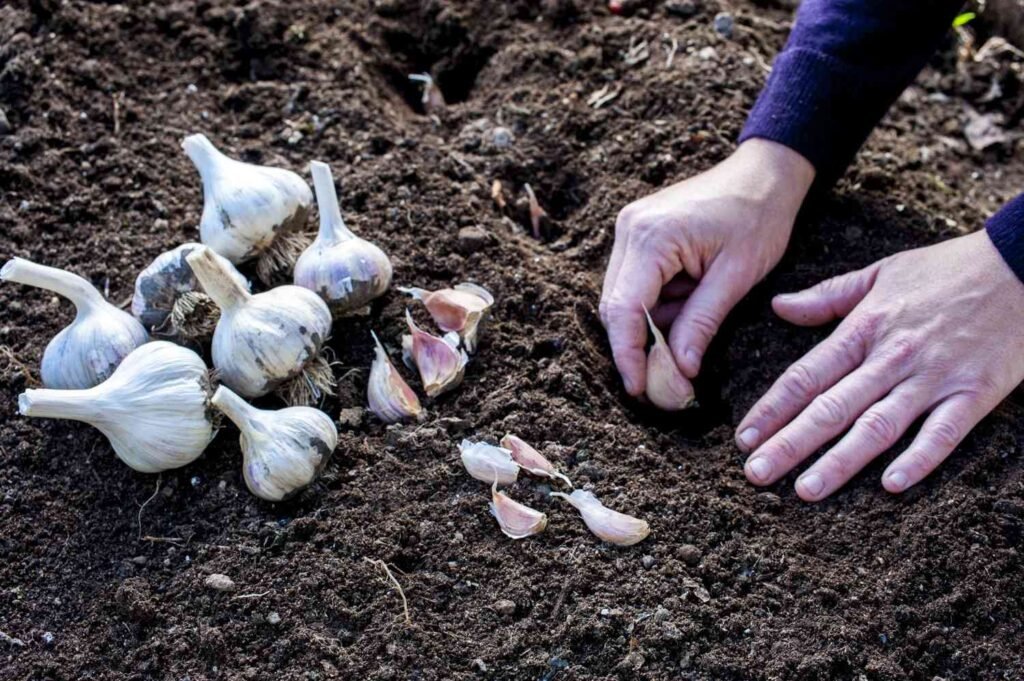
- Separate Cloves: Gently break the bulb into individual cloves, keeping skins intact.
- Planting Depth: Plant cloves 2–3 inches deep, pointy side up.
- Spacing: Maintain 4–6 inches between cloves to allow room for bulb expansion.
- Watering: Water lightly immediately after planting to settle the soil.
- Timing: Softneck varieties are best planted in fall for winter harvest; hardneck varieties can be planted in late fall or early spring depending on climate.
Correct planting technique reduces disease risk and ensures uniform bulb development.
Light and Temperature Requirements
Garlic requires adequate light and proper temperature for optimal growth:
- Sunlight: Provide 6–8 hours of direct sunlight daily. For indoor setups, supplement with LED grow lights.
- Temperature: Garlic prefers cool weather during early growth stages (40–60°F) and warmer temperatures as bulbs mature.
- Indoor Considerations: Keep containers in bright windowsills or under grow lights if natural sunlight is insufficient.
Providing suitable light and temperature conditions encourages strong, healthy foliage and large bulb development.
Watering Techniques
Consistent moisture is essential for garlic growth, but overwatering can be detrimental:
- Frequency: Water once or twice a week depending on climate; keep soil consistently moist.
- Avoid Waterlogging: Ensure drainage to prevent root rot and fungal infections.
- Mulching: Apply straw, dried leaves, or coconut coir to retain moisture and regulate soil temperature.
Proper watering techniques support bulb formation and prevent common diseases.
Fertilization and Soil Care
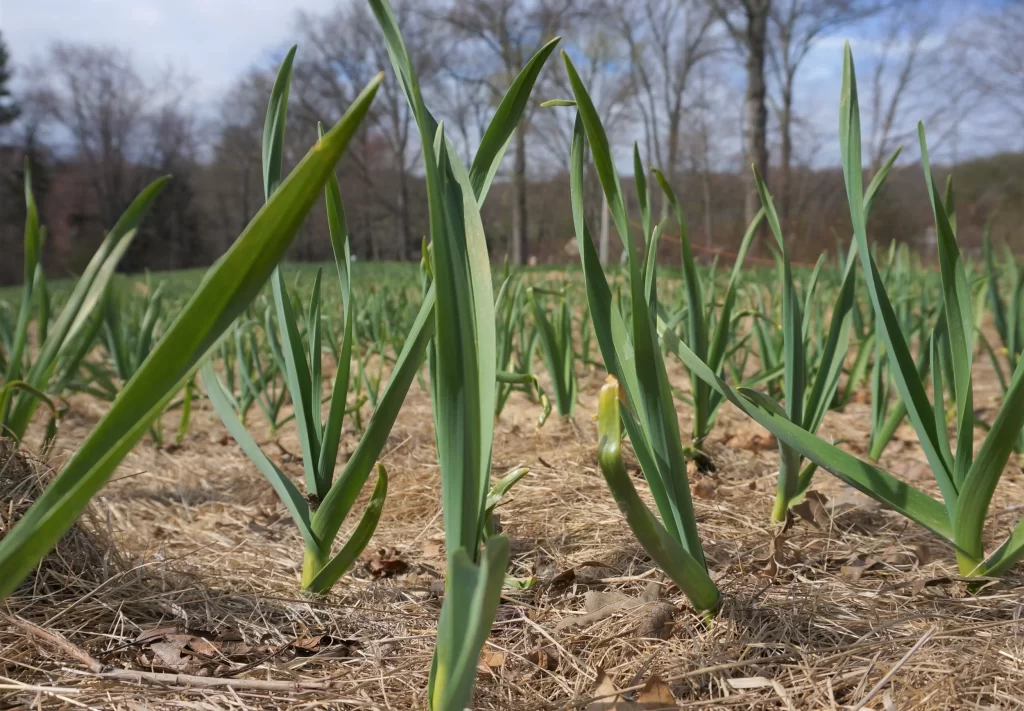
Nutrient-rich soil is essential for healthy garlic growth:
- Pre-Planting Enrichment: Incorporate compost or well-rotted manure into the soil before planting.
- Top-Dressing: Apply organic fertilizers, such as blood meal or fish emulsion, every 4–6 weeks during active growth.
- Avoid Excess Nitrogen Late: Reduce nitrogen-rich fertilizers during late stages to encourage bulb maturity rather than excessive foliage.
Balanced nutrition ensures robust cloves, strong foliage, and flavorful bulbs.
Mulching and Weed Management
Mulching provides multiple benefits for garlic:
- Moisture Retention: Reduces water evaporation and maintains consistent soil moisture.
- Temperature Regulation: Protects bulbs from extreme temperature fluctuations.
- Weed Control: Prevents competition for nutrients and sunlight.
Organic mulch such as straw or dried leaves is ideal, as it decomposes slowly and improves soil structure.
Pest and Disease Management
Garlic is relatively pest-resistant, but some challenges may arise:
- Common Pests: Onion thrips, aphids, and nematodes.
- Organic Controls: Neem oil, insecticidal soaps, or companion planting with marigolds to deter pests.
- Fungal Diseases: Ensure proper drainage, avoid overhead watering, and remove diseased leaves promptly.
Proactive monitoring and preventive measures reduce crop loss and maintain healthy plants.
Harvesting Garlic
Harvest timing is crucial for optimal flavor and storage:
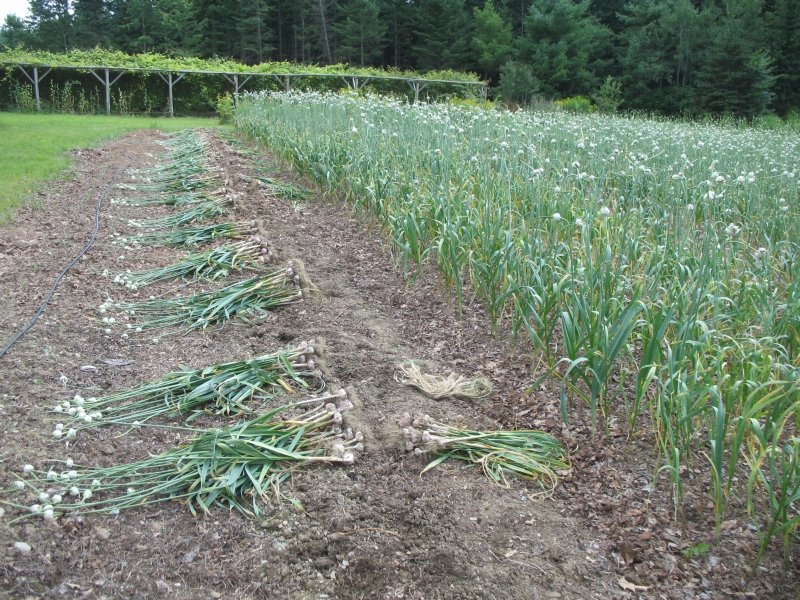
- Indicators: Harvest when lower leaves turn brown but upper leaves remain green, typically 7–8 months after planting.
- Technique: Gently lift bulbs from the soil with a garden fork or hands. Avoid bruising or damaging cloves.
- Curing: Dry bulbs in a well-ventilated area for 2–3 weeks before storage. Hang in bundles or spread on racks.
- Storage: Store in a cool, dry, and dark place; softneck varieties store longer than hardneck varieties.
Proper harvesting and curing maximize shelf life and flavor intensity.
Additional Tips for Hassle-Free Garlic Gardening
- Succession Planting: Plant cloves in intervals to ensure a continuous supply of fresh garlic.
- Indoor Growth: Garlic can be grown indoors in pots on windowsills or under grow lights year-round.
- Companion Planting: Grow garlic near tomatoes, peppers, or leafy greens to repel pests naturally.
- Container Rotation: Move pots periodically to optimize sunlight exposure and airflow.
These practical tips simplify home garlic cultivation and enhance productivity.
Conclusion
Planting garlic at home is a simple, low-maintenance gardening activity that offers culinary, nutritional, and therapeutic benefits. With proper selection of varieties, quality planting material, nutrient-rich soil, and attention to watering, light, and pest management, anyone can enjoy fresh, organic garlic year-round. Whether in small kitchen gardens, balcony containers, or indoor setups, garlic thrives with minimal effort and provides flavorful, healthy bulbs that enhance meals and support a sustainable lifestyle. By following these detailed strategies, home gardeners can plant garlic without hassle and reap the rewards of a productive, self-sufficient garden.