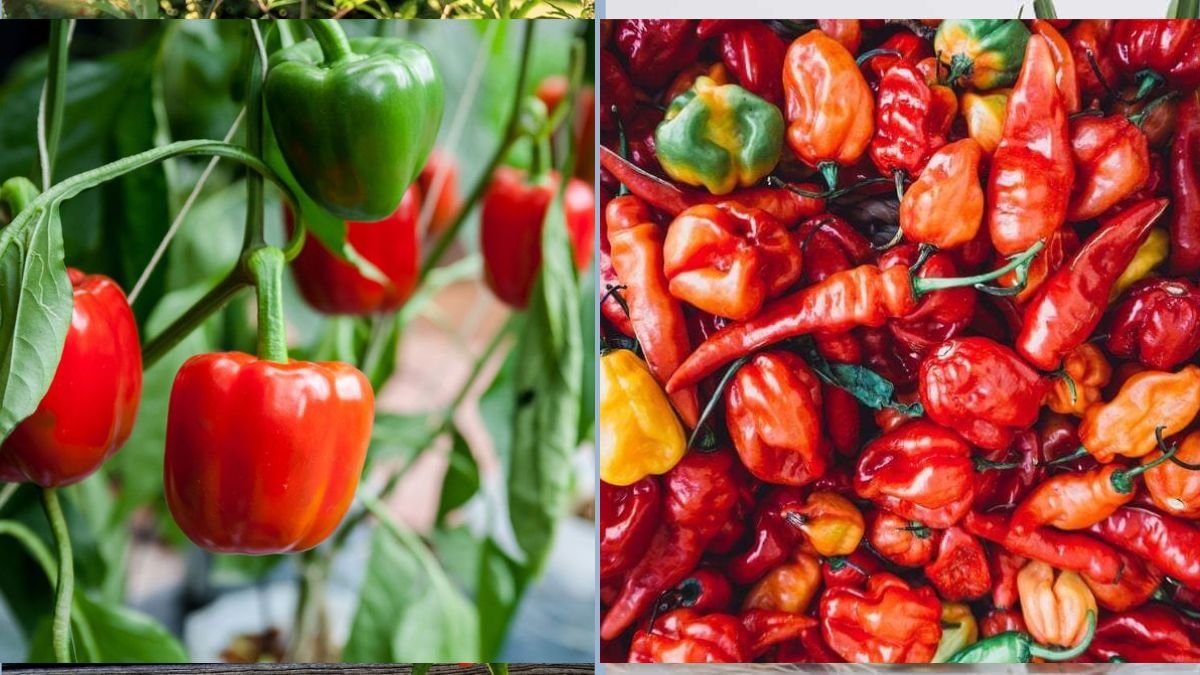
Peppers are vibrant, versatile vegetables prized for their flavor, color, and nutritional value. While commonly grown outdoors, peppers can thrive indoors, allowing gardeners to enjoy fresh, homegrown produce year-round. Indoor pepper cultivation is ideal for urban dwellers, apartment residents, or anyone with limited garden space. This article provides a comprehensive guide on selecting varieties, planting, nurturing, and harvesting peppers indoors, enabling gardeners to achieve a continuous supply without seasonal limitations.
Why Grow Peppers Indoors?
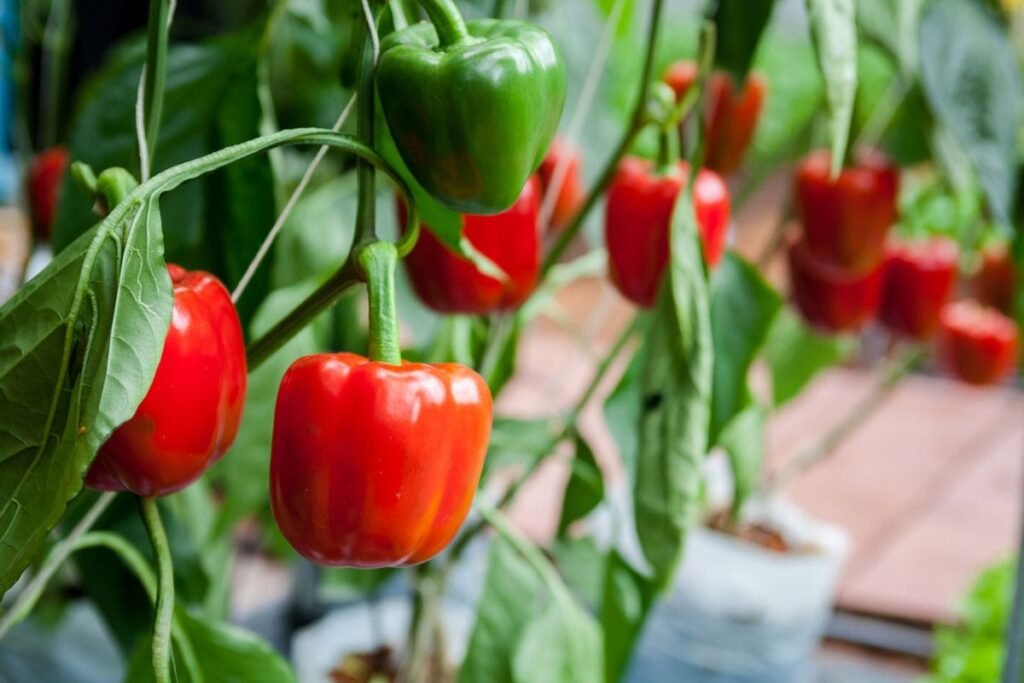
Growing peppers indoors offers several benefits:
- Year-Round Harvest: Indoor conditions allow peppers to fruit continuously, irrespective of outdoor seasons.
- Space Efficiency: Containers and small indoor setups accommodate peppers in apartments or compact spaces.
- Chemical-Free Produce: Growing at home ensures peppers are free from pesticides and harmful chemicals.
- Educational and Therapeutic: Indoor gardening fosters mindfulness, reduces stress, and provides an interactive learning experience.
- Aesthetic Appeal: Colorful pepper plants brighten indoor spaces while producing edible fruit.
By cultivating peppers indoors, gardeners can enjoy fresh, flavorful vegetables while enhancing living environments.
Selecting Pepper Varieties for Indoor Growth
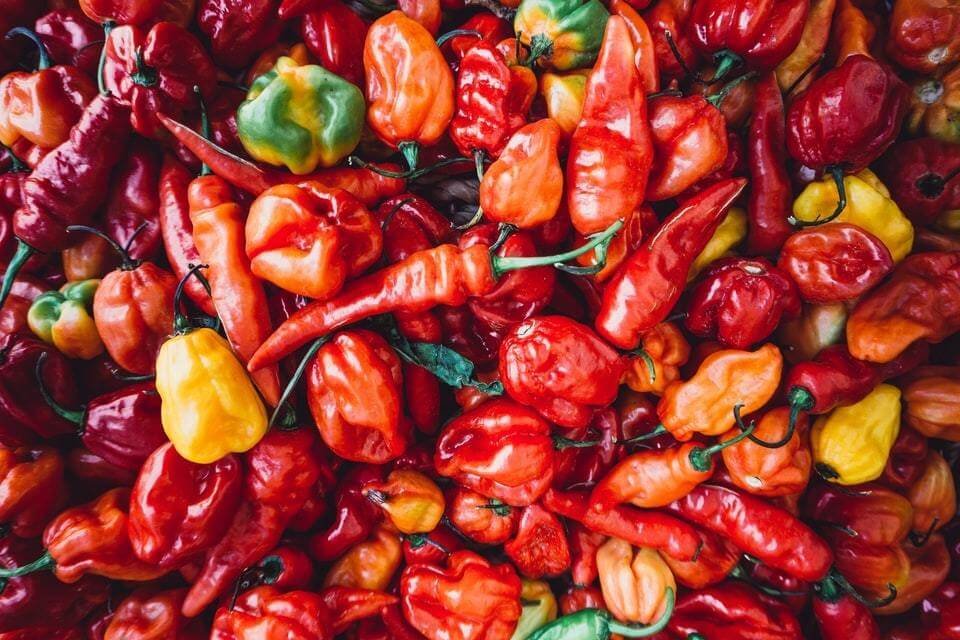
Choosing the right pepper varieties is crucial for indoor success:
- Compact or Dwarf Varieties: These require minimal space and are well-suited for container growth. Examples include “Mini Bell,” “Jalapeño M,” and “Cayenne Dwarf.”
- Sweet Peppers: Bell peppers and mini sweet peppers thrive in indoor containers, producing multiple harvests.
- Hot Peppers: Chili peppers, cayenne, and habanero can be grown indoors for those who enjoy spicier flavors.
- Fruiting Efficiency: Select varieties that flower and fruit quickly to ensure continuous harvest.
Choosing varieties adapted to indoor environments ensures healthy growth and abundant yields.
Choosing Containers and Soil
Peppers require well-draining, nutrient-rich soil and appropriate container sizes:
- Container Size: Minimum 10–12 inches in diameter and depth per plant. Larger pots allow stronger root systems and higher yields.
- Material: Plastic, ceramic, or terracotta pots with drainage holes are suitable. Lightweight pots facilitate repositioning for optimal light exposure.
- Soil Mix: Use a high-quality potting mix blended with perlite or vermiculite to enhance drainage. Add compost or organic matter for fertility.
- pH Requirements: Peppers prefer slightly acidic to neutral soil with a pH between 6.0 and 7.0.
Proper container and soil selection promotes vigorous growth, strong roots, and prolific fruiting.
Planting Techniques
Planting peppers correctly is critical for indoor success:
- Seeds or Seedlings: Start seeds in small seed trays or purchase healthy seedlings. Seeds can be sown ¼ inch deep in moist seed-starting mix.
- Transplanting: Once seedlings develop 2–3 true leaves, transplant them into larger containers with nutrient-rich soil.
- Spacing: Maintain at least 12 inches between plants to prevent overcrowding and allow air circulation.
- Watering: Water lightly immediately after transplanting to settle soil around roots.
Correct planting ensures healthy establishment and reduces transplant shock.
Light and Temperature Requirements
Peppers require adequate light and warmth for optimal growth:
- Sunlight: Provide at least 6–8 hours of direct sunlight daily. South- or west-facing windows are ideal.
- Supplemental Lighting: Use LED grow lights for 12–16 hours daily in low-light indoor conditions. Position lights 6–12 inches above plants.
- Temperature: Maintain daytime temperatures between 70–85°F and nighttime temperatures above 55°F. Avoid cold drafts.
Providing consistent light and optimal temperature promotes flowering, fruit set, and continuous harvest.
Watering and Humidity Management
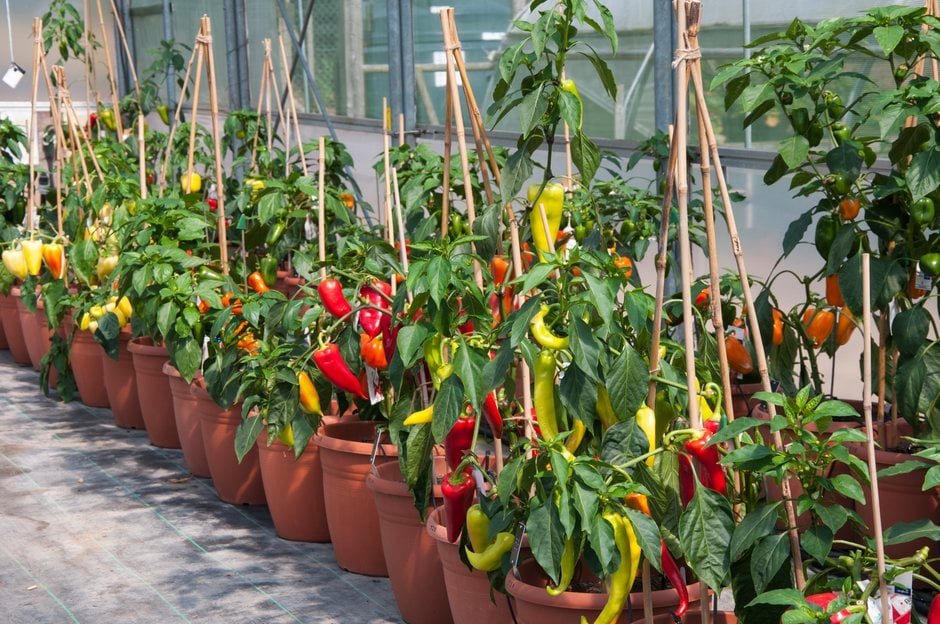
Indoor peppers require careful water management:
- Moisture: Keep soil consistently moist but avoid waterlogging. Allow the top inch of soil to dry slightly between watering.
- Deep Watering: Water deeply to encourage strong root development.
- Humidity: Indoor environments may be dry; maintain humidity around 50–60% by misting leaves or using a humidity tray.
Proper watering and humidity support healthy foliage and fruit production.
Fertilization and Nutrition
Peppers are nutrient-demanding and benefit from regular feeding:
- Balanced Fertilizers: Use organic or slow-release fertilizers rich in nitrogen, phosphorus, potassium, and trace elements.
- Frequency: Feed seedlings lightly every 2–3 weeks; mature plants may require feeding every 2 weeks during flowering and fruiting stages.
- Foliar Feeding: Occasionally spray diluted liquid fertilizers on leaves to supplement root nutrition.
Adequate nutrition ensures robust growth, abundant flowers, and vibrant fruits.
Pruning and Training
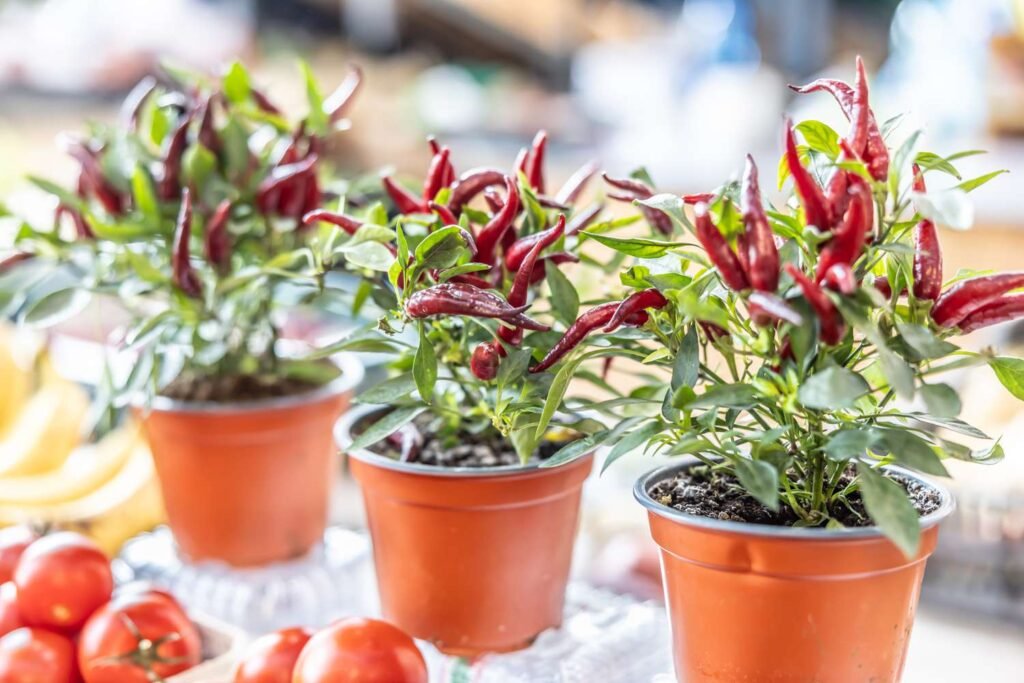
Pruning and training peppers enhances airflow, light penetration, and fruit quality:
- Prune Early Growth: Remove lower leaves and lateral shoots that are weak or crowded to direct energy to main stems.
- Support Stems: Use stakes or small cages to support heavy fruit-laden branches.
- Remove Yellowing Leaves: Maintain healthy foliage to reduce the risk of disease.
Pruning and support techniques encourage strong plants and higher yields.
Pollination Techniques
Indoor peppers may require assistance for pollination since natural pollinators are limited:
- Manual Pollination: Use a small brush or cotton swab to transfer pollen between flowers.
- Gentle Air Circulation: Use a small fan to simulate wind, promoting pollen transfer and fruit set.
Ensuring effective pollination increases fruit production and prevents misshapen peppers.
Pest and Disease Management
Indoor pepper plants can face pests and fungal issues despite controlled conditions:
- Common Pests: Aphids, spider mites, whiteflies, and thrips.
- Organic Controls: Neem oil, insecticidal soaps, or manually removing pests are safe and effective.
- Fungal Diseases: Prevent powdery mildew and root rot by ensuring proper drainage, spacing, and avoiding water on leaves.
- Monitoring: Inspect plants weekly to detect early signs of infestation or disease.
Proactive care ensures healthy plants and uninterrupted fruiting.
Harvesting Peppers
Proper harvesting maximizes yield and flavor:
- Maturity Indicators: Harvest peppers when fully colored and firm. Green peppers can be harvested earlier but may lack sweetness.
- Technique: Use scissors or twist gently to remove fruit without damaging stems.
- Continuous Harvesting: Picking regularly encourages new flower and fruit production.
Timely harvesting ensures a steady supply of flavorful peppers year-round.
Space Optimization and Companion Planting
Indoor pepper gardening can be optimized for maximum productivity:
- Vertical Space: Use shelves, stacked containers, or hanging pots to grow multiple plants efficiently.
- Companion Plants: Plant herbs like basil, parsley, or oregano nearby to repel pests and improve growth.
- Succession Planting: Start new seedlings every few weeks for continuous production.
Smart space and companion management enhances yields and promotes plant health.
Sustainability and Maintenance
Sustainable indoor gardening practices support long-term productivity:
- Organic Practices: Use compost, organic fertilizers, and natural pest control methods.
- Water Conservation: Reuse water from trays or collect rainwater for irrigation.
- Regular Care: Monitor light, water, and nutrients consistently for best results.
- Cleanliness: Remove fallen leaves and debris to prevent fungal infections.
Sustainable indoor gardening ensures healthy plants, a productive harvest, and minimal environmental impact.
Conclusion
Growing peppers indoors is a practical, rewarding, and low-maintenance way to enjoy fresh, nutritious vegetables year-round. With proper variety selection, container choice, soil preparation, lighting, watering, and pest management, gardeners can cultivate healthy, fruit-bearing plants in limited indoor spaces. Techniques such as pruning, manual pollination, and space optimization maximize yields and ensure continuous production. By implementing these strategies, home gardeners can transform indoor areas into productive, vibrant, and aesthetically pleasing gardens, providing flavorful peppers at any time of the year while promoting sustainability and healthy living.