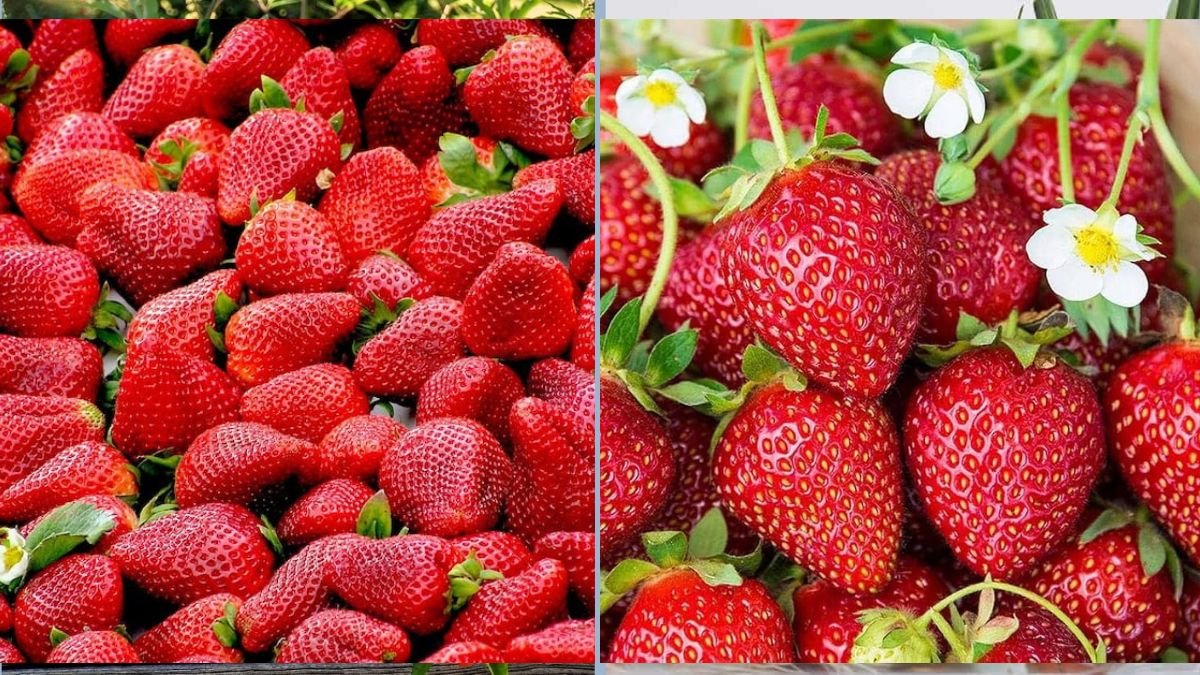
Strawberries are universally adored for their vibrant color, delightful aroma, and juicy sweetness. Traditionally grown in outdoor gardens, strawberries can now be successfully cultivated indoors, allowing for fresh harvests all year long. Growing strawberries on your windowsill is an accessible and sustainable option, especially for urban dwellers with limited space. This article provides a comprehensive guide to cultivating fresh strawberries year-round, emphasizing practical, chemical-free methods suitable for small indoor spaces.
Why Grow Strawberries Indoors?
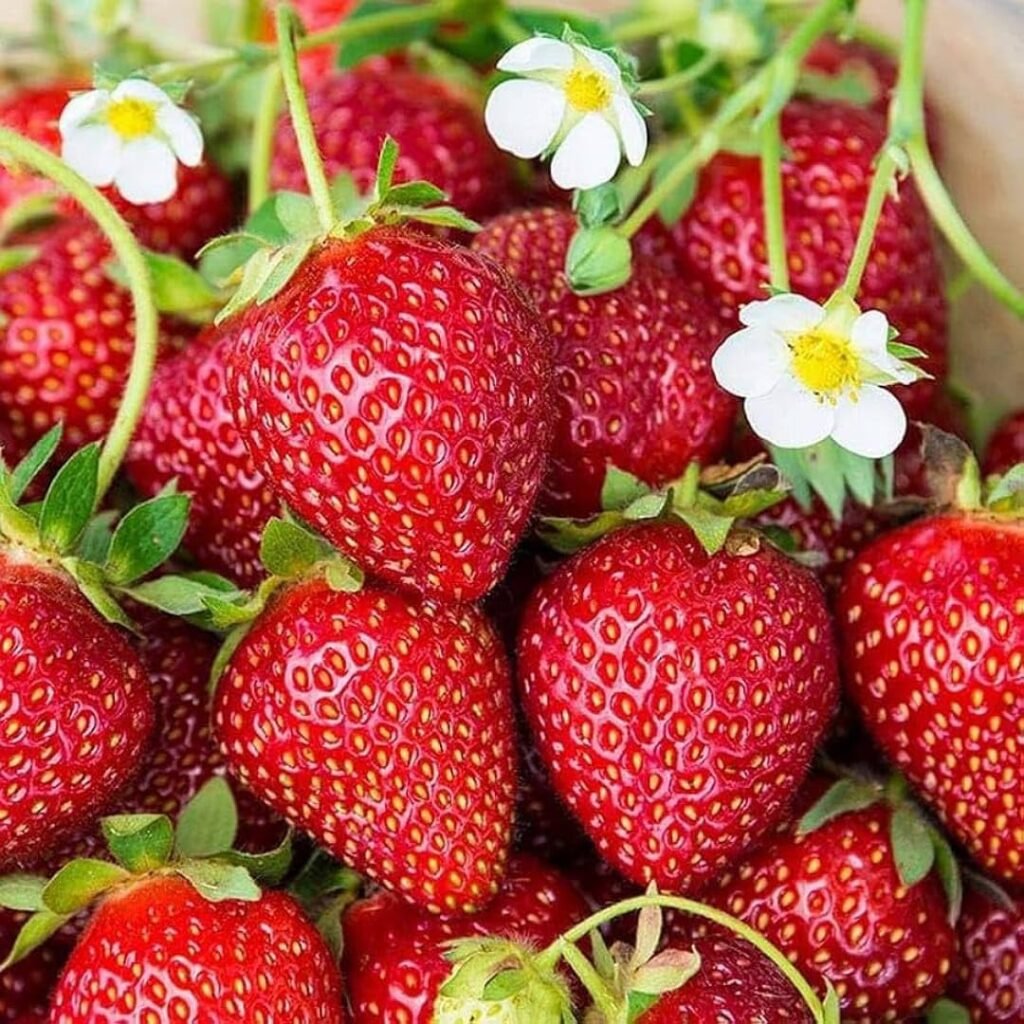
Cultivating strawberries indoors offers several advantages:
- Year-Round Harvest: Controlled indoor conditions enable continuous fruiting, independent of seasonal changes.
- Pesticide-Free Produce: Indoor gardening reduces the risk of chemical exposure, producing safer, healthier fruit.
- Space Efficiency: Even small windowsills can accommodate several pots of strawberries.
- Aesthetic Appeal: Strawberry plants are visually attractive, enhancing indoor décor.
- Therapeutic Activity: Gardening indoors fosters mindfulness, reduces stress, and encourages a connection with nature.
Choosing the Right Strawberry Variety
Selecting a suitable variety is the foundation of successful indoor strawberry cultivation. For windowsill gardens, compact, everbearing, or day-neutral varieties are ideal because they fruit continuously or multiple times per year. Popular choices include:
- Albion: Day-neutral variety known for large, sweet berries and high productivity.
- Seascape: Produces consistently sweet and juicy strawberries in small containers.
- Eversweet: Compact plant with a long fruiting period and excellent flavor.
- Tristar: Dwarf variety suitable for limited indoor spaces and produces abundant fruit.
Opting for certified disease-free seedlings or plugs ensures healthy growth and reduces the risk of fungal or pest infestations.
Selecting Containers
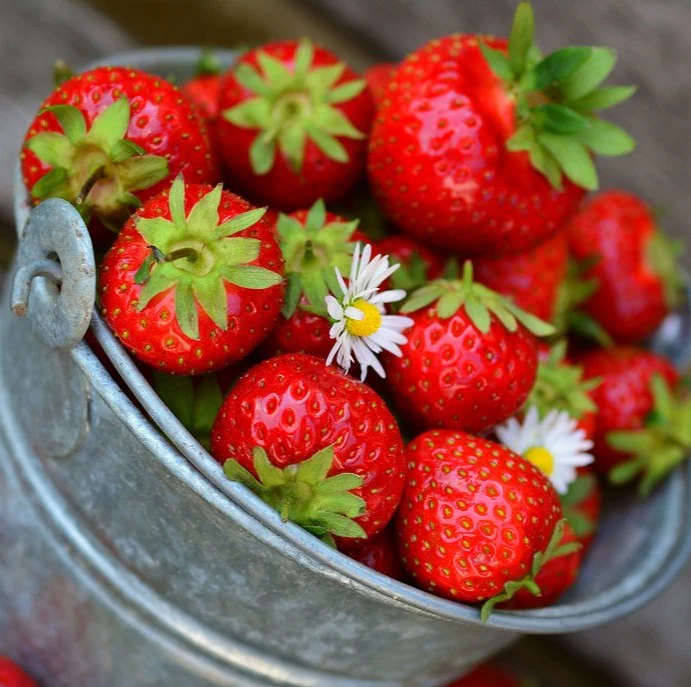
Container choice is critical for indoor strawberries because it influences root development, drainage, and plant stability. Consider the following:
- Pot Size: Small varieties require at least 8–10 inches deep pots; larger varieties benefit from 12–15 inches.
- Material: Plastic containers retain moisture, while clay or terracotta provide better airflow but dry faster.
- Drainage: Ensure proper drainage holes to prevent waterlogging, which can lead to root rot.
- Innovative Containers: Hanging baskets, vertical planters, or recycled kitchen containers can optimize space and create a visually appealing arrangement.
Soil Preparation
Healthy soil is essential for year-round strawberry production. Indoor strawberries require well-draining, nutrient-rich soil. Guidelines include:
- Potting Mix: Use light, organic-rich potting soil rather than heavy garden soil.
- Organic Matter: Incorporate compost, worm castings, or well-rotted manure to supply nutrients.
- Aeration: Mix in perlite or vermiculite to improve drainage and prevent soil compaction.
- pH Requirements: Strawberries prefer slightly acidic soil, ideally between 5.5 and 6.5.
Regularly refreshing the soil with organic compost maintains nutrient levels and ensures continued growth and fruiting.
Planting Strawberries
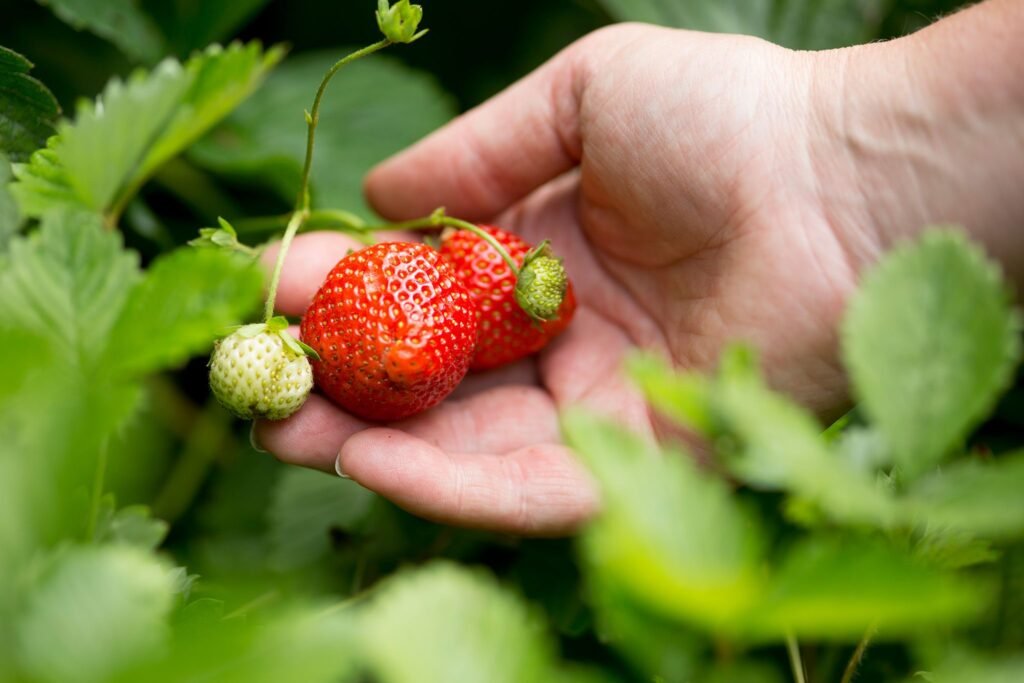
Proper planting techniques are crucial for indoor strawberries:
- Seedlings or Plugs: Use healthy seedlings or plugs from a reputable source.
- Planting Depth: Position the crown of the plant (the point where leaves meet roots) at soil level to avoid rot.
- Spacing: Even in small containers, allow 6–8 inches between plants to provide airflow and prevent overcrowding.
- Watering: Water immediately after planting to settle the soil around roots.
By establishing strong roots and proper spacing, indoor strawberries are more likely to produce abundant, sweet fruit.
Watering and Humidity
Consistent moisture is key to strawberry health, but overwatering can be harmful. Tips for indoor watering:
- Consistent Moisture: Keep soil evenly moist, allowing the top layer to dry slightly between watering.
- Bottom Watering: Occasionally water from the base to encourage deep root growth.
- Humidity Control: Indoor environments may be dry; maintain humidity around 50–60% to prevent leaf desiccation.
- Avoid Leaf Wetting: Water at the soil level to minimize fungal infections on leaves and fruit.
Lighting Requirements
Strawberries need abundant light to grow and produce sweet fruit. For windowsill gardens, natural sunlight may be supplemented if insufficient:
- Natural Light: South- or west-facing windows provide the best light exposure.
- Grow Lights: LED or fluorescent grow lights simulate sunlight and support photosynthesis for indoor plants. Position lights 6–12 inches above plants and provide 12–16 hours of light daily.
- Rotation: Rotate pots regularly to ensure all plants receive equal light exposure and prevent uneven growth.
Fertilization
Indoor strawberry plants require supplemental nutrients, as container soil depletes more quickly than garden soil. Organic fertilization ensures safe and effective growth:
- Compost Tea: Provides a gentle, nutrient-rich feed.
- Liquid Seaweed Extract: Enhances plant growth, strengthens resistance to stress, and improves fruit quality.
- Balanced Organic Fertilizers: Apply every 2–3 weeks according to plant needs, focusing on nitrogen for leafy growth early and potassium and phosphorus for fruit development.
Pollination Techniques
Indoor strawberries may need assistance with pollination due to limited exposure to insects and wind. Effective methods include:
- Manual Pollination: Use a small brush or cotton swab to transfer pollen between flowers.
- Electric Toothbrush Method: Gently vibrate flowers to simulate pollinator activity.
- Air Circulation: A small fan can gently move air and facilitate pollen movement.
Proper pollination is critical for fruit set and maximizes sweetness and size.
Pest and Disease Management

Indoor strawberries are relatively safe from outdoor pests, but vigilance is necessary:
- Aphids and Spider Mites: Treat with neem oil or insecticidal soap.
- Powdery Mildew: Ensure good air circulation and avoid overhead watering.
- Regular Inspection: Monitor leaves, crowns, and soil weekly for early signs of disease or pests.
Preventive measures, such as clean soil, proper spacing, and regular pruning, maintain plant health year-round.
Harvesting Strawberries
Strawberries are best harvested at full ripeness for maximum sweetness and flavor:
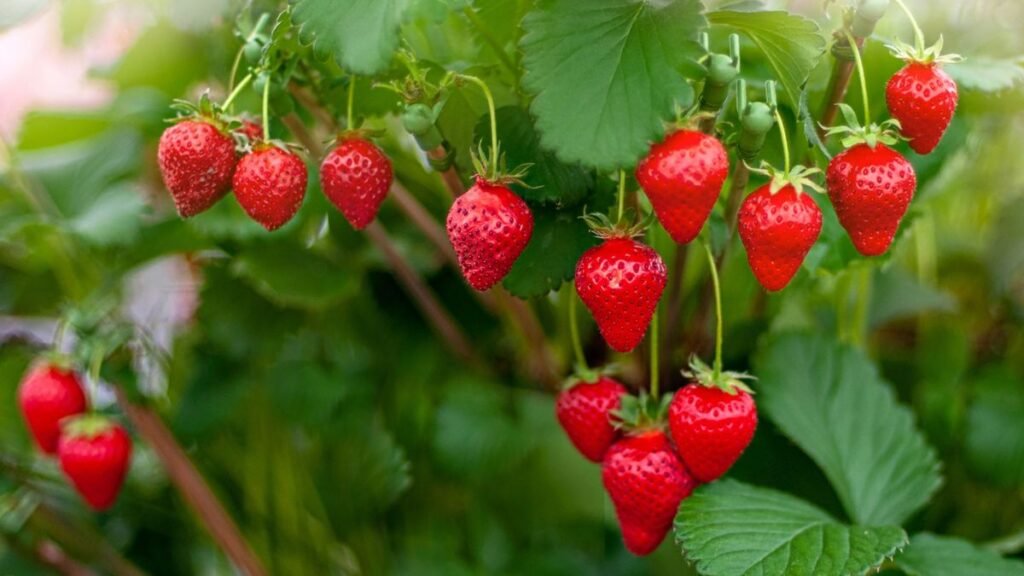
- Color and Aroma: Pick berries when they are fully red and emit a strong strawberry fragrance.
- Gentle Handling: Use careful hands to avoid bruising.
- Frequent Harvesting: Regular picking encourages continuous fruiting and prevents overripe fruit from attracting pests.
Indoor cultivation allows for fresh strawberries year-round, making it a convenient source of healthy fruit.
Tips for Maximum Sweetness
The flavor of strawberries can be influenced by several indoor factors:
- Optimal Sunlight: Ensure sufficient light for photosynthesis, which enhances sugar accumulation in fruits.
- Temperature Management: Maintain daytime temperatures around 65–75°F and slightly cooler nights to promote sweetness.
- Controlled Watering: Avoid excessive water, which can dilute fruit sugars.
- Nutrient Balance: Adequate potassium and phosphorus levels contribute to fruit flavor and size.
By fine-tuning environmental conditions, indoor strawberries can rival outdoor-grown fruit in taste and quality.
Space Optimization Techniques
Even a small windowsill can host multiple strawberry plants with smart organization:
- Vertical Gardening: Use tiered plant stands, hanging baskets, or wall-mounted planters to maximize space.
- Companion Planting: Herbs like basil can be grown nearby to enhance flavor and repel pests naturally.
- Compact Varieties: Choose dwarf or everbearing plants to reduce space requirements.
Combining these strategies allows a continuous harvest without overcrowding.
Sustainability and Maintenance
Maintaining an indoor strawberry garden sustainably ensures long-term productivity:
- Routine Observation: Monitor water, nutrients, and plant health daily.
- Seasonal Rotation: Refresh plants as needed and replace older crowns for continuous yield.
- Seed and Runner Management: Use runners from healthy plants to propagate new plants without purchasing additional seedlings.
- Eco-Friendly Practices: Reuse water, compost kitchen scraps, and use organic fertilizers to maintain soil fertility.
Conclusion
Growing fresh strawberries year-round on a windowsill is an achievable and highly rewarding endeavor. With the right variety, proper container selection, nutrient-rich soil, consistent watering, and adequate light, anyone can enjoy homegrown, pesticide-free strawberries regardless of outdoor space or season. Indoor strawberry cultivation not only provides delicious and nutritious fruit but also enhances the aesthetic appeal of living spaces, contributes to mental well-being, and promotes sustainable gardening practices. By following these detailed guidelines, even urban dwellers can experience the joy of harvesting sweet, juicy strawberries from the comfort of their homes throughout the year.