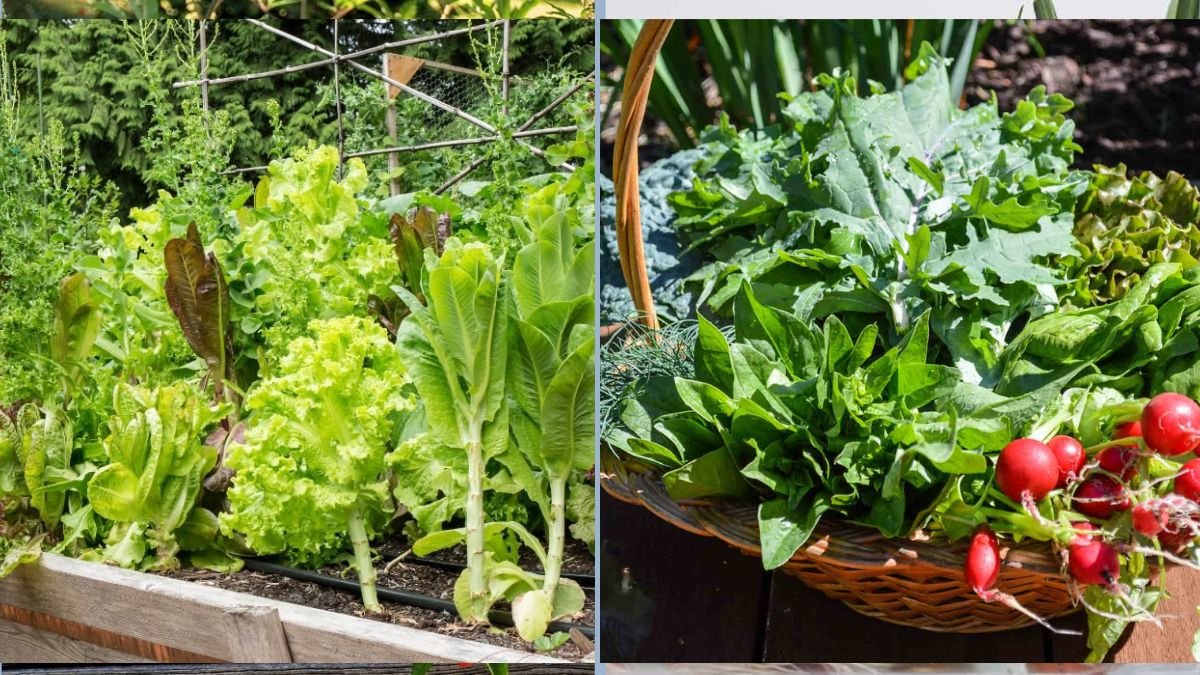
Gardening is a fulfilling and therapeutic hobby that allows people to connect with nature, grow healthy food, and develop sustainable living habits. For beginners, choosing the right vegetables is essential, as slow-growing or high-maintenance crops can be discouraging. Fast-growing vegetables provide early rewards, maintain enthusiasm, and teach valuable gardening skills. This article highlights five fast-growing vegetables ideal for beginner gardeners, with detailed guidance on cultivation, care, and harvesting.
Why Fast-Growing Vegetables Are Ideal for Beginners
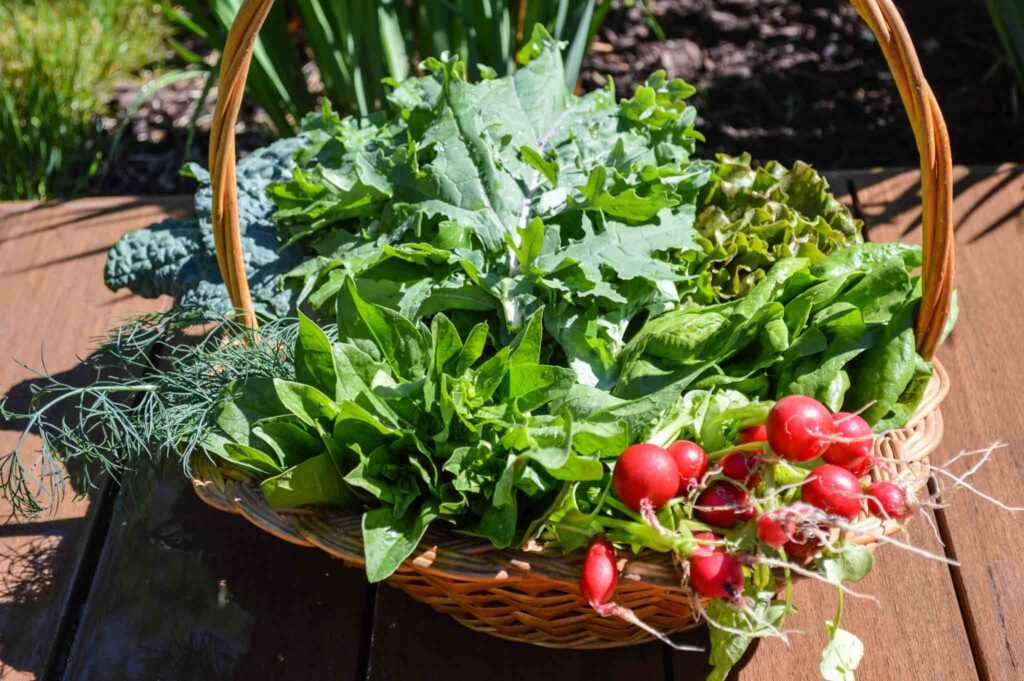
Starting a garden can be intimidating, especially for those without prior experience. Fast-growing vegetables offer several advantages for novices:
- Quick Results: Harvests are achieved in weeks rather than months, boosting confidence and motivation.
- Learning Opportunities: Rapid growth cycles allow beginners to observe plant development and learn best practices quickly.
- Space Efficiency: Many fast-growing vegetables thrive in small spaces, making them ideal for indoor containers, balconies, or compact gardens.
- Continuous Harvest: Rapid growers can be sown in succession to ensure a steady supply of fresh produce.
Understanding the growth requirements and care for these vegetables helps beginners cultivate healthy, high-yielding plants with minimal frustration.
1. Lettuce (Lactuca sativa)
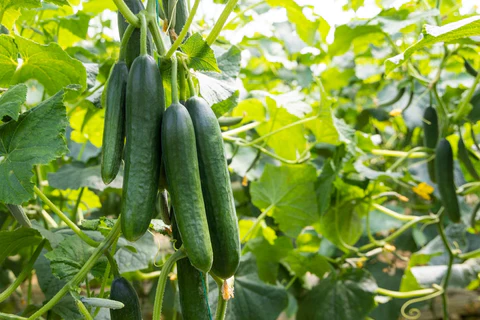
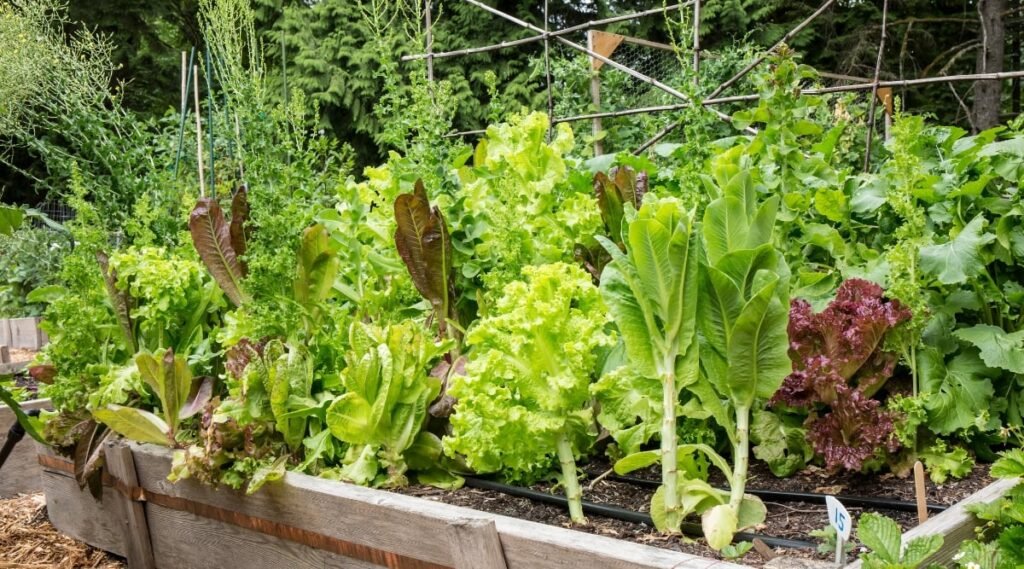
Lettuce is one of the fastest-growing leafy greens, making it an excellent choice for beginner gardeners. Depending on the variety, lettuce can be harvested in 30–60 days.
Growing Conditions
- Light: Prefers 6–8 hours of sunlight daily, but can tolerate partial shade.
- Soil: Loose, well-draining soil rich in organic matter. A slightly acidic pH of 6.0–6.8 is ideal.
- Water: Consistently moist soil is crucial; avoid waterlogging.
Planting Tips
- Seeds or Seedlings: Sow seeds directly in soil or starter trays. Thin seedlings to allow adequate space for growth.
- Spacing: Leaf lettuce can grow densely, but larger varieties require 8–12 inches between plants.
- Harvesting: Pick outer leaves individually for continuous harvest or cut entire heads when mature.
Benefits
Lettuce is nutrient-rich, versatile in salads, sandwiches, and wraps, and provides an early success for beginners due to its rapid growth.
2. Radishes (Raphanus sativus)
Radishes are one of the fastest root vegetables, often ready to harvest in just 3–4 weeks. Their small size and minimal care requirements make them perfect for novice gardeners.
Growing Conditions
- Light: Full sun is preferred, though radishes tolerate partial shade.
- Soil: Loose, sandy soil is ideal to allow root expansion. Avoid compacted soil.
- Water: Maintain evenly moist soil to prevent splitting or bitter taste.
Planting Tips
- Direct Sowing: Sow seeds directly in the soil as radishes do not transplant well.
- Spacing: Thin seedlings to 1–2 inches apart to allow proper root development.
- Succession Planting: Sow seeds every 2–3 weeks for continuous harvest.
Benefits
Radishes are crisp, mildly spicy, and can be eaten raw or cooked. Their rapid growth provides quick gratification for beginners.
3. Spinach (Spinacia oleracea)
Spinach is another fast-growing leafy green, with most varieties ready in 35–50 days. Its resilience and high nutritional value make it a staple for new gardeners.
Growing Conditions
- Light: Prefers full sun but tolerates partial shade, especially in warmer climates.
- Soil: Well-draining, nutrient-rich soil with a pH of 6.5–7.0.
- Water: Keep soil consistently moist to support leafy growth.
Planting Tips
- Sowing: Sow seeds directly into the garden or containers. Thin seedlings to 3–4 inches apart.
- Harvesting: Harvest outer leaves individually for ongoing growth or cut entire plants once mature.
- Temperature: Spinach grows best in cooler weather, making it ideal for spring or fall planting.
Benefits
Spinach is versatile, rich in iron and vitamins, and quick-growing, allowing beginners to enjoy frequent harvests with minimal effort.
4. Green Beans (Phaseolus vulgaris)
Green beans, especially bush varieties, are fast-growing vegetables that produce bountiful harvests within 50–60 days. They are easy to grow in containers or garden beds.
Growing Conditions
- Light: Requires full sun for at least 6–8 hours daily.
- Soil: Fertile, well-draining soil with a slightly acidic to neutral pH of 6.0–7.0.
- Water: Regular watering is essential, particularly during flowering and pod formation.
Planting Tips
- Seeds: Sow directly into soil, 1 inch deep, and 2–4 inches apart.
- Support: Bush varieties do not require trellises, but pole varieties need stakes or nets.
- Harvesting: Pick pods regularly when young and tender to encourage continuous production.
Benefits
Green beans are highly nutritious, low in calories, and provide a long harvest period, making them rewarding for beginner gardeners.
5. Zucchini (Cucurbita pepo)
Zucchini is a prolific summer squash that grows rapidly and produces abundant fruits in 45–55 days. Its large leaves and compact care requirements make it suitable for new gardeners with slightly larger garden spaces or containers.
Growing Conditions
- Light: Full sun exposure is essential for optimal growth.
- Soil: Rich, well-draining soil with ample organic matter.
- Water: Deep, consistent watering supports fruit development. Avoid wetting foliage to reduce fungal risks.
Planting Tips
- Seeds or Seedlings: Sow directly or transplant seedlings into containers or garden beds.
- Spacing: Provide 2–3 feet between plants in garden beds; containers require larger pots (15–20 inches diameter).
- Harvesting: Pick zucchini when 6–8 inches long for tender, flavorful produce. Regular harvesting encourages more fruit production.
Benefits
Zucchini is versatile in cooking, nutrient-rich, and fast-growing, offering beginners both visual satisfaction and culinary reward.
General Tips for Growing Fast-Growing Vegetables
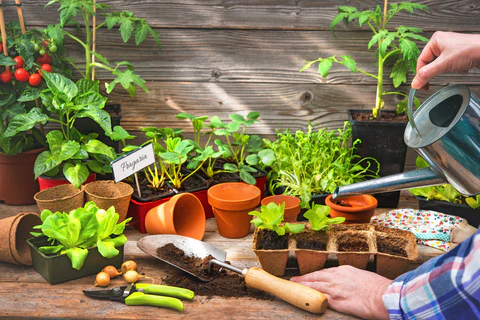
While these five vegetables are beginner-friendly, some universal practices enhance success:
- Sunlight: Ensure plants receive adequate light for photosynthesis. Supplement with grow lights indoors if necessary.
- Watering: Maintain consistent soil moisture without overwatering. Use saucers or drip systems to simplify care.
- Soil Health: Use nutrient-rich, well-draining soil and supplement with organic fertilizers for optimal growth.
- Pest Management: Inspect plants regularly and use organic methods like neem oil or insecticidal soap when needed.
- Succession Planting: Sow seeds in intervals to maintain a continuous harvest and maximize yield.
- Container Gardening: Small spaces can still produce significant yields with the right containers and vertical gardening techniques.
Conclusion
Fast-growing vegetables are ideal for beginners because they offer quick gratification, teach essential gardening skills, and produce healthy, delicious food with minimal effort. Lettuce, radishes, spinach, green beans, and zucchini are five excellent choices, each providing unique nutritional benefits, flavor, and versatility. By following proper planting, watering, fertilization, and harvesting practices, beginner gardeners can enjoy a continuous supply of fresh produce, develop confidence in their gardening abilities, and cultivate a rewarding and sustainable hobby.
Starting with fast-growing vegetables builds the foundation for more advanced gardening projects, encouraging beginners to expand their gardens, experiment with new crops, and ultimately embrace a healthy, self-sufficient lifestyle.