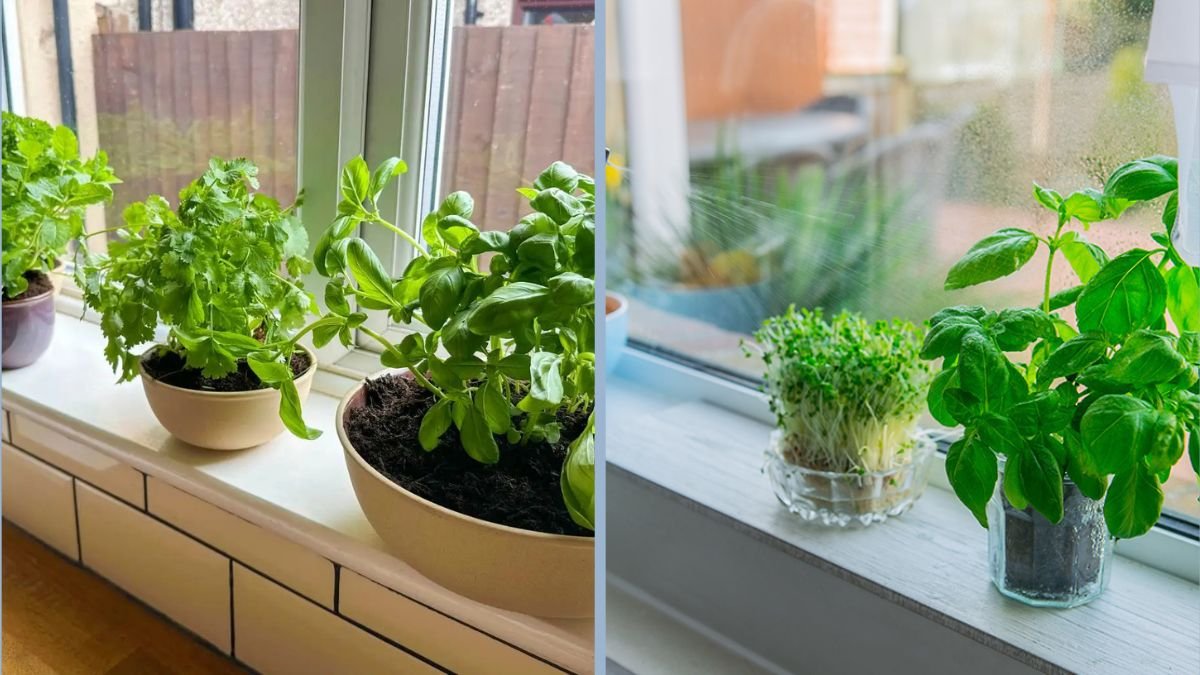
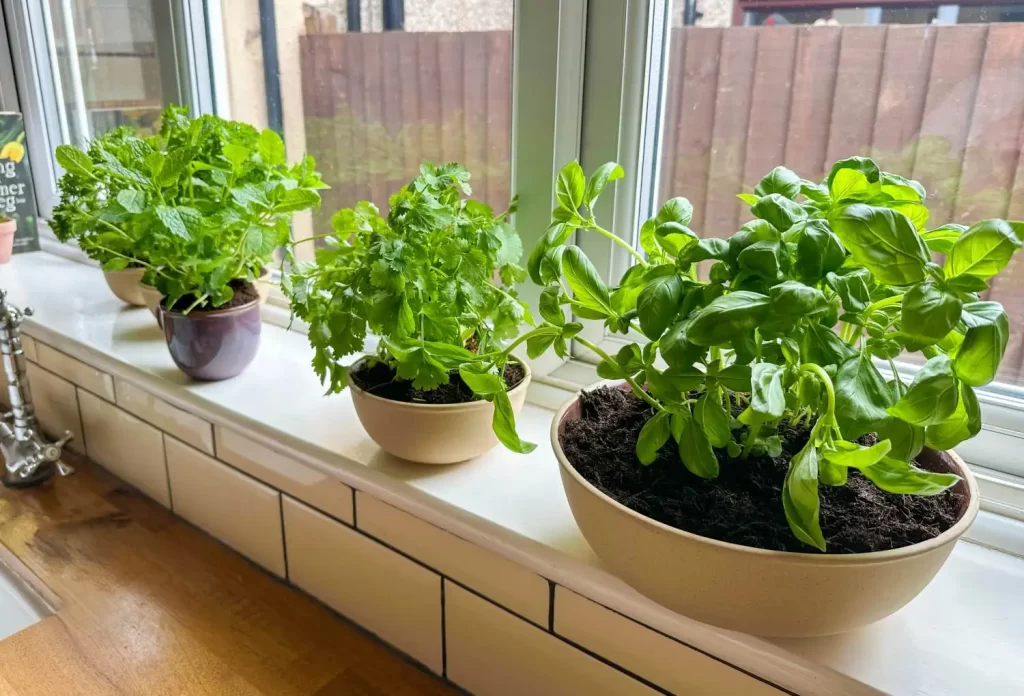
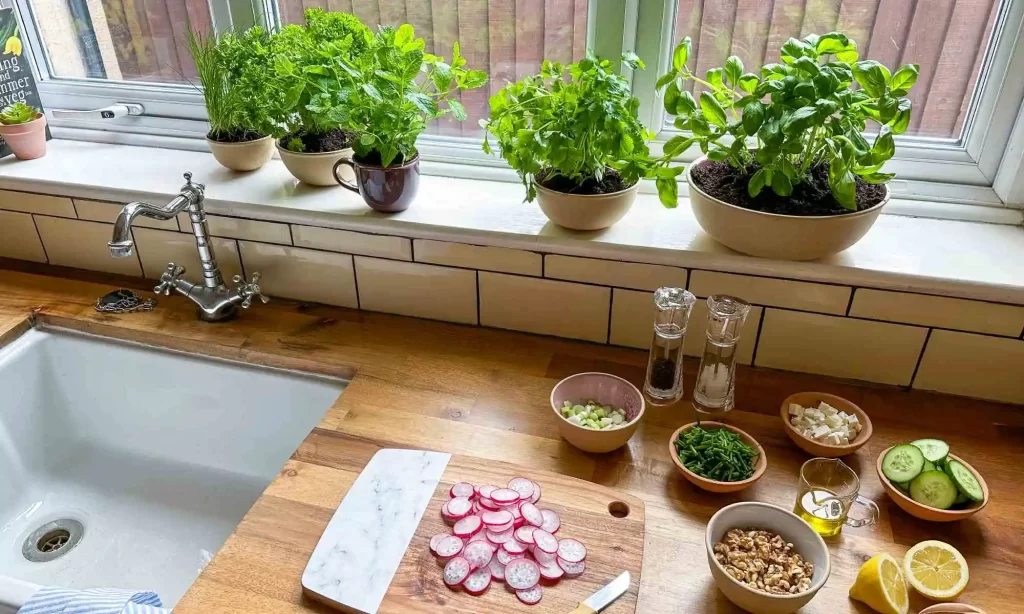
Growing herbs in small kitchens is a practical, sustainable way to enhance culinary creativity and support plant-based wellness. Even limited spaces such as windowsills, countertops, or balcony shelves can accommodate a thriving herb garden. By carefully selecting compact, low-maintenance herbs and employing smart indoor gardening strategies, home cooks can enjoy fresh, aromatic ingredients year-round. This article explores the best herbs for small kitchens, provides guidance on cultivation, care, harvesting, and highlights sustainable, plant-based practices suitable for beginners and experienced gardeners alike.
Why Grow Herbs Indoors?
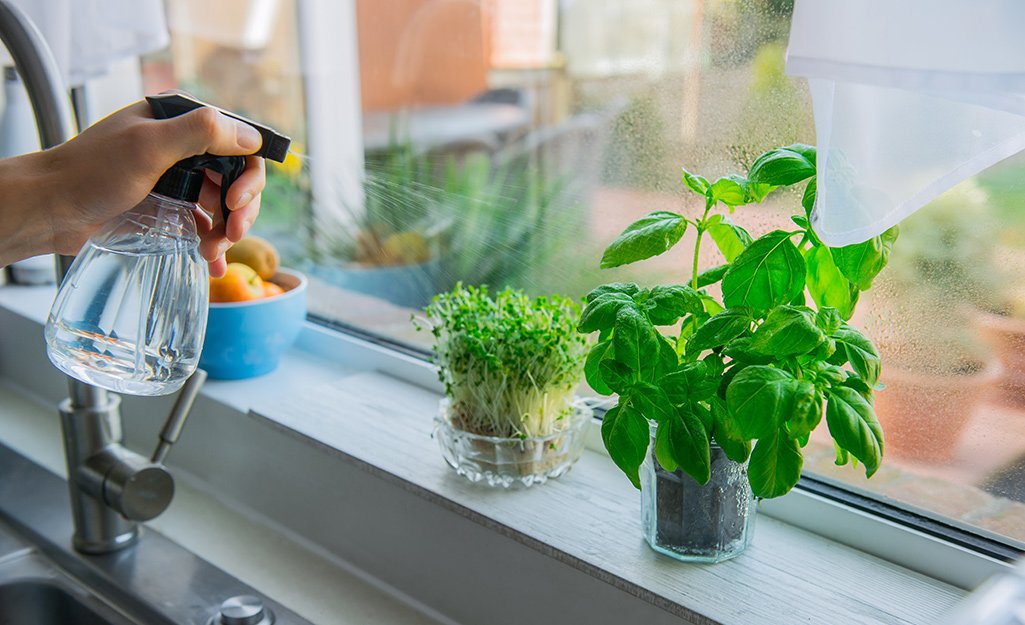
Indoor herb gardening offers several advantages:
- Accessibility: Fresh herbs are always within reach for cooking or herbal teas.
- Flavor and Nutrition: Maximizes flavor intensity and preserves essential oils and nutrients.
- Space Efficiency: Small containers and vertical setups make even tiny kitchens productive.
- Sustainability: Reduces dependency on store-bought herbs packaged in plastic.
- Wellness: Supports mindfulness, reduces stress, and encourages healthy eating habits.
Compact indoor gardening allows continuous harvesting while promoting a green, vibrant kitchen environment.
Top Herbs for Small Kitchens
Selecting herbs that thrive indoors and have manageable growth habits is key. The following five herbs are ideal for limited kitchen spaces:
1. Basil (Ocimum basilicum)
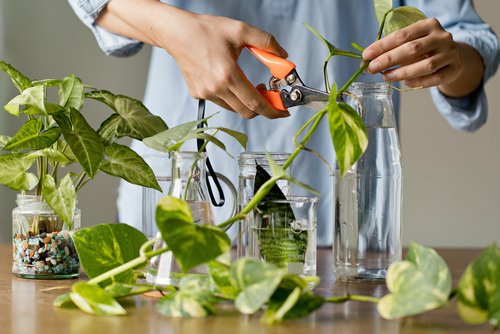
Basil is a versatile, aromatic herb with culinary and therapeutic uses. Its compact varieties are perfect for countertop or windowsill cultivation.
Cultivation Tips:
- Light: Needs 6–8 hours of sunlight or supplemental grow lights.
- Soil: Well-drained potting mix enriched with compost.
- Watering: Keep soil moist but not waterlogged; avoid wet leaves.
- Temperature: Prefers 18–30°C.
Harvesting:
- Pinch leaves regularly to promote bushy growth.
- Remove flowers promptly to maintain flavor intensity.
Uses:
- Add fresh leaves to salads, pasta, sauces, or plant-based pesto.
Basil’s aroma and rapid growth make it a favorite in small kitchens.
2. Mint (Mentha spp.)
Mint is hardy, fast-growing, and almost foolproof for beginners. Its compact growth and refreshing flavor make it ideal for indoor containers.
Cultivation Tips:
- Light: Partial to full sunlight (4–6 hours daily).
- Soil: Fertile, well-draining soil.
- Watering: Keep soil consistently moist.
Propagation:
- Easily grown from cuttings or small plants.
- Grow in separate containers to prevent invasive spreading.
Harvesting:
- Pinch leaves regularly to maintain compact growth.
- Use fresh in teas, desserts, or beverages.
Mint’s resilience and quick growth make it ideal for kitchens with limited space.
3. Parsley (Petroselinum crispum)
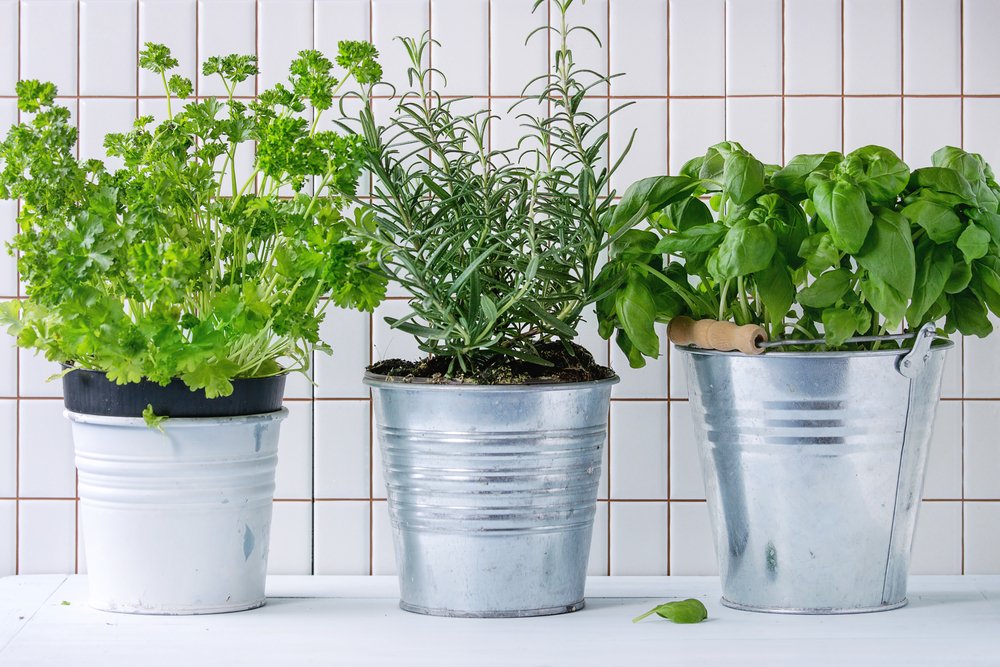
Parsley is a slow-growing, nutrient-dense herb suitable for windowsills or small containers.
Cultivation Tips:
- Light: Requires 4–6 hours of sunlight or grow lights.
- Soil: Moist, well-draining soil enriched with compost.
- Watering: Keep soil evenly moist; avoid soggy conditions.
Harvesting:
- Cut outer leaves first, leaving inner growth for continued production.
- Regular trimming encourages fuller growth.
Uses:
- Garnish soups, salads, grains, or plant-based sauces.
Parsley’s compact structure and versatility make it a reliable kitchen herb.
4. Thyme (Thymus vulgaris)
Thyme is a small, woody herb that thrives in containers and requires minimal maintenance.
Cultivation Tips:
- Light: Needs full sunlight (6–8 hours) for healthy growth.
- Soil: Sandy, well-draining soil with compost.
- Watering: Low water requirement; allow soil to dry between watering.
Harvesting:
- Snip small stems as needed; frequent harvesting promotes bushiness.
- Avoid cutting more than one-third of the plant at a time.
Uses:
- Enhance soups, grains, roasted vegetables, and plant-based sauces.
Thyme’s small size and long-lasting flavor make it ideal for compact indoor gardens.
5. Rosemary (Rosmarinus officinalis)
Rosemary is a woody, aromatic herb that grows well in pots and requires minimal care once established.
Cultivation Tips:
- Light: Needs 6–8 hours of sunlight daily; tolerates indoor grow lights.
- Soil: Well-draining, sandy soil enriched with plant-based compost.
- Watering: Moderate watering; allow soil to dry slightly.
Harvesting:
- Snip small sprigs as needed; prune regularly to maintain compact growth.
- Avoid removing more than one-third of the plant at a time.
Uses:
- Infuse oils, flavor roasted vegetables, plant-based stews, and teas.
Rosemary’s aromatic profile and minimal space requirements make it a kitchen staple.
Containers and Growing Medium
For small kitchens, container selection and soil management are critical:
- Containers: Use small pots, window boxes, or self-watering containers. Ensure drainage holes.
- Soil: Use light, well-draining potting mix with organic compost or vermicompost.
- Spacing: Provide 10–20 cm between plants depending on herb type to avoid overcrowding.
Vertical gardening options such as wall-mounted planters or tiered shelves optimize space.
Lighting and Temperature
- Sunlight: Herbs need 4–8 hours of sunlight; position near south- or west-facing windows.
- Artificial Light: LED or fluorescent grow lights can supplement natural light.
- Temperature: Maintain 18–25°C for optimal indoor growth.
- Air Circulation: Use small fans or open windows to prevent mold and maintain strong stems.
Watering and Maintenance
- Frequency: Water when the top 1–2 cm of soil is dry.
- Method: Water at the base to avoid wetting leaves, which can encourage disease.
- Fertilization: Use plant-based liquid fertilizers or compost tea every 2–4 weeks.
- Pruning: Regularly pinch or trim leaves to encourage bushy growth and prevent legginess.
Pest Management in Small Spaces
Even indoor herbs can attract pests:
- Common Pests: Aphids, spider mites, and fungus gnats.
- Plant-Based Control: Neem oil, garlic spray, or companion planting with pest-deterring herbs.
- Preventive Practices: Maintain clean containers, proper airflow, and avoid overwatering.
Harvesting Techniques
- Harvest herbs early in the day after dew has evaporated for maximum aroma and flavor.
- Avoid taking more than one-third of the plant at a time to maintain plant health.
- Frequent harvesting encourages new growth and prolongs productive life.
Uses of Indoor Kitchen Herbs
- Culinary Applications:
- Fresh herbs enhance salads, soups, sauces, pasta, plant-based dishes, and beverages.
- Use chopped, whole, or infused for varied flavor profiles.
- Herbal Teas:
- Mint, basil, rosemary, or thyme can be steeped for aromatic teas with digestive or calming properties.
- Aromatic and Decorative Uses:
- Fresh herbs add visual appeal and natural fragrance to the kitchen.
Sustainable Practices for Small Kitchen Herbs
- Organic Growing: Avoid chemical fertilizers or pesticides; use compost and plant-based soil amendments.
- Water Conservation: Moderate watering and self-watering containers reduce water use.
- Continuous Supply: Rotate and propagate herbs to ensure year-round availability.
- Waste Reduction: Reuse trimmings for compost or teas.
Conclusion
Growing herbs in small kitchens is both practical and rewarding. Basil, mint, parsley, thyme, and rosemary are ideal choices for compact spaces due to their manageable growth, low maintenance, and versatile culinary and wellness applications. By carefully managing containers, soil, light, water, and pruning, home cooks can enjoy a continuous supply of fresh, aromatic herbs year-round. Sustainable, plant-based gardening practices ensure chemical-free, nutritious herbs while promoting environmental stewardship. Indoor herb gardens not only enhance cooking but also contribute to a greener, healthier kitchen environment, proving that even small spaces can support thriving, productive plant-based gardens.