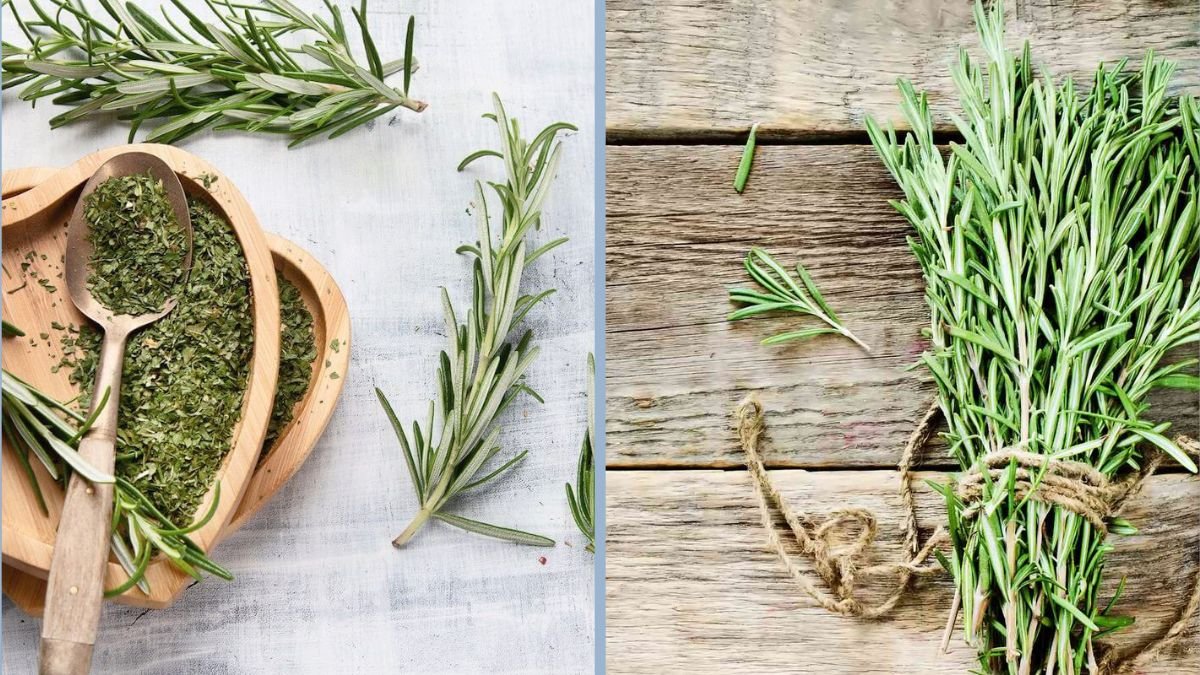
Rosemary (Rosmarinus officinalis) is a perennial, aromatic herb widely used in both culinary and medicinal applications. Known for its pine-like fragrance, robust flavor, and potential health benefits, rosemary has been cultivated for centuries in Mediterranean regions and adapted for gardens worldwide. Its versatility makes it an essential herb for plant-based kitchens and natural wellness practices. This article explores how to grow, harvest, and utilize rosemary in cooking and medicine, emphasizing sustainable, plant-based approaches suitable for year-round use.
Botanical and Nutritional Overview
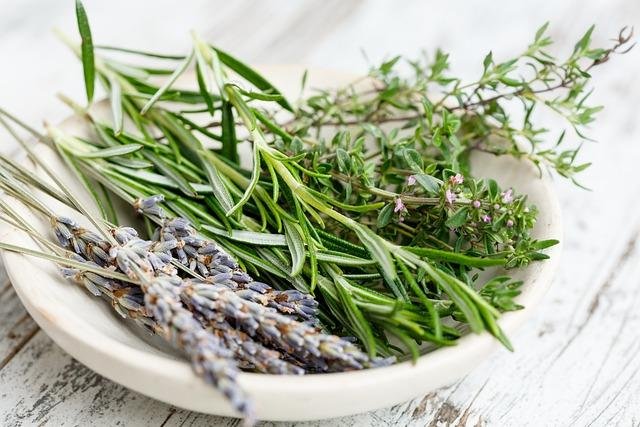
Rosemary is a hardy, woody shrub that thrives in sunny, well-drained conditions. It contains essential oils, antioxidants, and bioactive compounds such as rosmarinic acid and carnosic acid, which contribute to its therapeutic potential. Nutritionally, rosemary is a source of vitamins A, C, and B6, as well as minerals such as calcium, magnesium, and iron. Its robust flavor profile—piney, slightly bitter, and resinous—makes it suitable for enhancing a wide range of plant-based dishes.
Cultivating Rosemary at Home
Growing rosemary at home ensures a fresh, sustainable supply for both culinary and medicinal use.
Planting Conditions
- Sunlight: Requires 6–8 hours of direct sunlight daily.
- Soil: Prefers sandy, well-drained soil enriched with plant-based compost.
- Temperature: Thrives in 18–30°C; frost-sensitive varieties can be grown indoors in cooler climates.
- Watering: Moderate watering; allow the soil to dry slightly between watering to prevent root rot.
Propagation
- Seeds: Sow in well-draining soil; germination may take 2–3 weeks.
- Cuttings: Take 10–15 cm woody stems, root in water or soil; transplant once roots develop.
- Containers: Suitable for indoor or balcony gardening; ensure proper drainage.
Maintenance
- Pruning: Regular pruning encourages bushier growth and higher essential oil content.
- Pest Management: Rosemary is generally pest-resistant; plant-based sprays like neem oil or garlic infusion can manage occasional infestations.
Harvesting and Storage
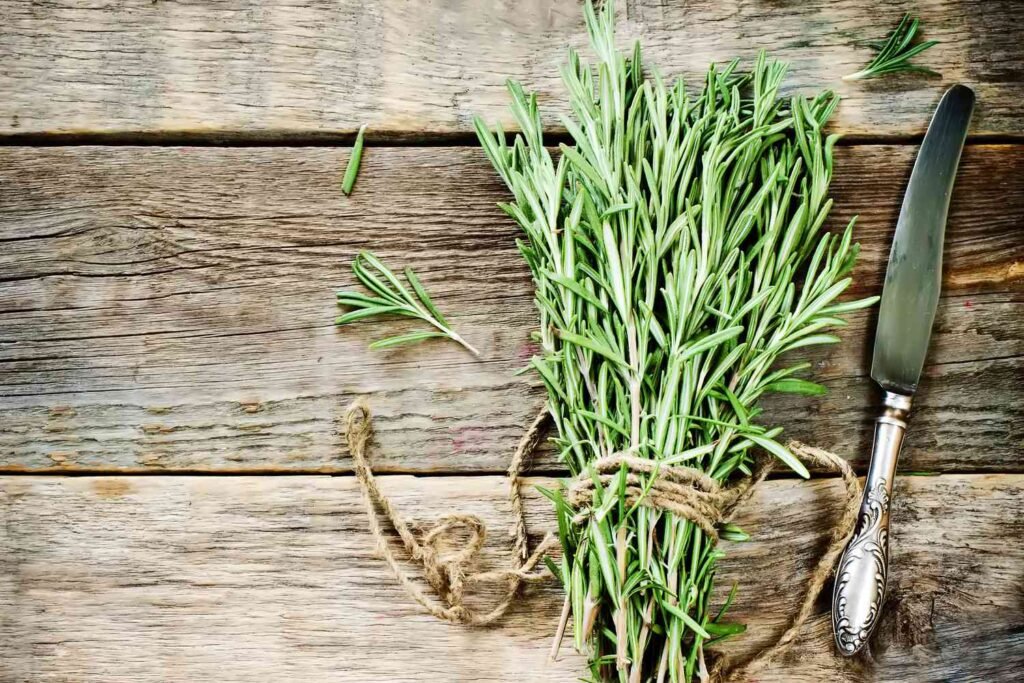
Proper harvesting and storage are key to retaining rosemary’s flavor and medicinal properties.
- Timing: Harvest stems in the morning for optimal essential oil concentration.
- Method: Use clean scissors to cut mature stems; avoid removing more than one-third of the plant.
- Fresh Storage: Wrap stems in damp paper towels and refrigerate for up to two weeks.
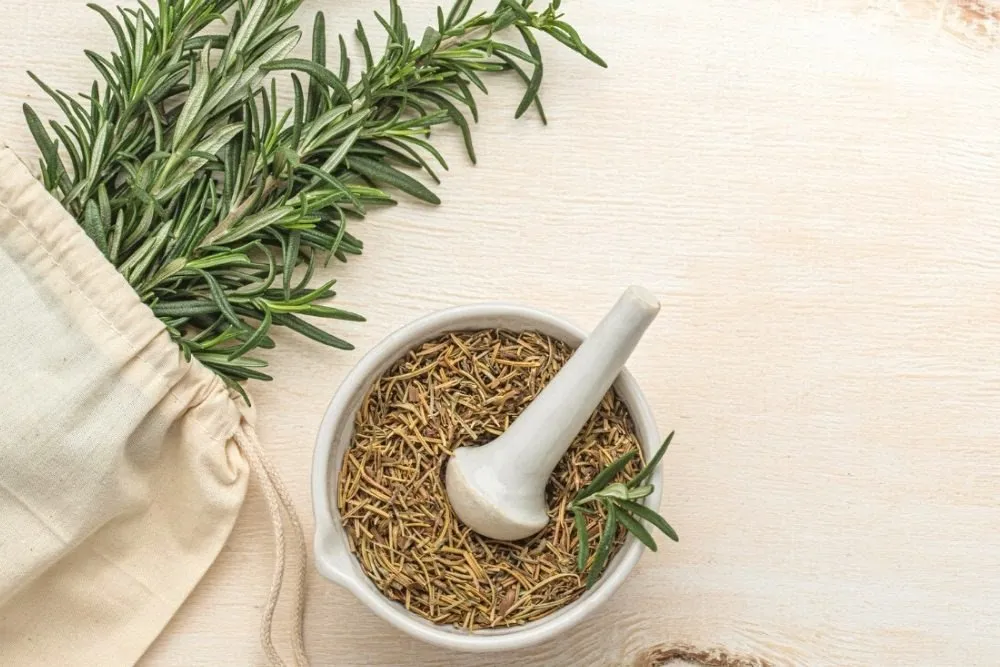
- Drying: Hang in a dry, dark, ventilated area or use a low-temperature dehydrator.
- Long-term Storage: Store dried leaves in airtight containers away from sunlight and humidity.
Culinary Uses of Rosemary
Rosemary enhances a wide variety of plant-based dishes, from simple sautés to complex stews. Its strong, aromatic flavor pairs well with vegetables, legumes, grains, and plant-based proteins.
1. Roasted Vegetables
- Toss root vegetables such as potatoes, carrots, and parsnips with olive oil, salt, pepper, and fresh rosemary.
- Roast at 200°C for 25–30 minutes for an aromatic, flavorful dish.
2. Grain and Legume Dishes
- Add rosemary to rice, quinoa, lentil, or chickpea dishes to enhance aroma and depth.
- Simmer with broth or plant-based milk for infused flavor.
3. Plant-Based Sauces
- Incorporate chopped rosemary into tomato sauces, vegan gravies, and pesto for savory notes.
- Pair with garlic, onion, or lemon for complementary flavors.
4. Herbal Infusions
- Use fresh or dried rosemary leaves to make a simple plant-based tea.
- Steep 1–2 teaspoons of dried leaves in hot water for 5–10 minutes; strain and enjoy.
5. Seasoning and Garnish
- Sprinkle chopped rosemary over salads, roasted nuts, or bread for aroma and visual appeal.
Medicinal Uses of Rosemary
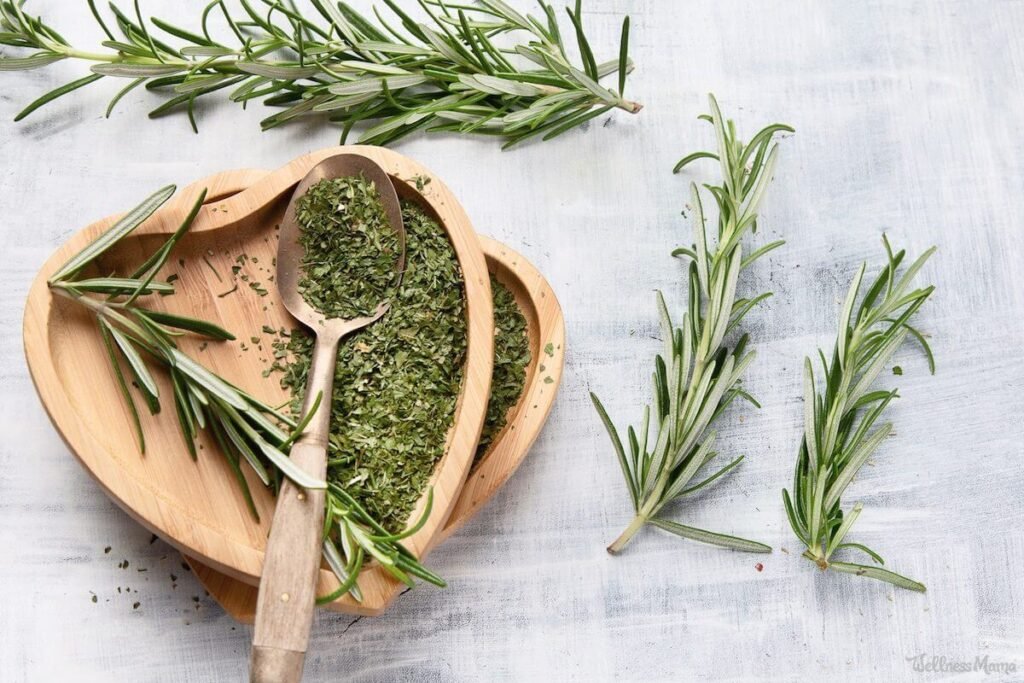
Beyond its culinary applications, rosemary has been traditionally used in herbal medicine for its antioxidant, anti-inflammatory, and cognitive-supporting properties.
1. Digestive Health
- Rosemary stimulates bile production and supports healthy digestion.
- Preparation: Brew a tea with fresh leaves; drink after meals to aid digestion.
2. Respiratory Support
- Inhalation of rosemary steam or tea may alleviate mild respiratory discomfort.
- Preparation: Add fresh rosemary to hot water and inhale the steam, taking care not to burn yourself.
3. Cognitive Function
- Compounds in rosemary are linked to enhanced alertness and memory support.
- Application: Brew rosemary tea regularly or use as a culinary herb to integrate into daily routines.
4. Anti-inflammatory and Antioxidant Properties
- Rosmarinic acid and carnosic acid may help reduce oxidative stress and inflammation.
- Preparation: Consume rosemary in teas, cooked dishes, or as part of a daily diet for plant-based antioxidant support.
5. Topical Uses
- Infusions or diluted essential oil can be applied to hair or skin for stimulating circulation and promoting scalp health.
- Note: Use only plant-based preparations; avoid synthetic additives.
Methods of Incorporating Rosemary in Medicine
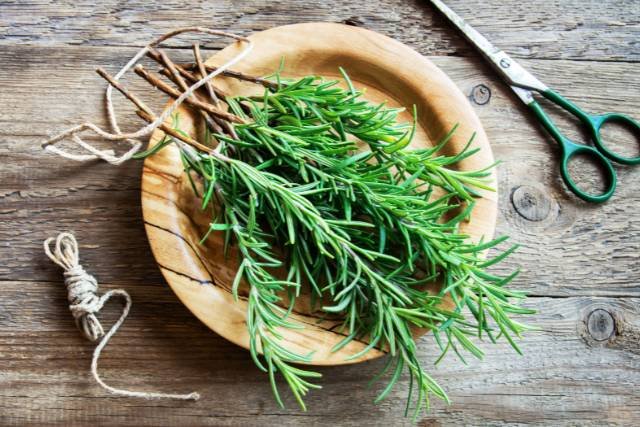
- Herbal Tea
- Steep fresh or dried rosemary leaves in hot water for 5–10 minutes.
- Add other herbs such as lemon balm, mint, or chamomile for enhanced flavor and synergistic benefits.
- Infused Oils
- Submerge fresh rosemary stems in olive or coconut oil for 2–4 weeks to create an aromatic infusion.
- Use for massage or topical applications.
- Steam Inhalation
- Add rosemary to hot water; inhale the steam to support respiratory health.
- Combine with eucalyptus or thyme for additional benefits.
- Poultices and Compresses
- Crush fresh leaves, wrap in a clean cloth, and apply to areas of mild inflammation.
- Ensure preparation remains plant-based and chemical-free.
Safety Considerations
While rosemary is generally safe for culinary and medicinal use, beginners should follow best practices:
- Moderation: Excessive consumption may cause gastrointestinal discomfort.
- Pregnancy and Medical Conditions: Consult a healthcare professional if pregnant, breastfeeding, or managing chronic conditions.
- Essential Oil Use: Use diluted plant-based essential oils; avoid ingestion of concentrated oils.
- Allergies: Monitor for adverse reactions when using rosemary topically or internally.
Sustainable and Plant-Based Practices
Using rosemary sustainably ensures long-term benefits for the garden and household:
- Organic Cultivation
- Avoid synthetic pesticides or fertilizers; use compost, vermicompost, or plant-based liquid fertilizers.
- Water Conservation
- Moderate watering with proper drainage ensures healthy growth without wasting water.
- Companion Planting
- Plant rosemary near vegetables like tomatoes or carrots to naturally deter pests.
- Continuous Harvest
- Rotate harvesting and propagation to maintain a steady supply without harming the plant.
- Indoor and Container Gardening
- Grow rosemary in containers indoors to ensure year-round availability.
- Use plant-based growing media and maintain proper light and temperature conditions.
Conclusion
Rosemary is a versatile herb with wide-ranging culinary and medicinal applications. By understanding optimal cultivation, harvesting, and preparation techniques, gardeners can enjoy its aromatic leaves and therapeutic properties year-round. Culinary uses include roasted vegetables, grains, sauces, teas, and garnishes, while medicinal applications range from digestive support and cognitive enhancement to anti-inflammatory benefits. Employing sustainable, plant-based gardening and preparation practices ensures a continuous, chemical-free supply of rosemary. With careful cultivation and mindful integration into diet and wellness routines, rosemary becomes not only a flavorful addition to meals but also a valuable natural resource for plant-based health and wellbeing.