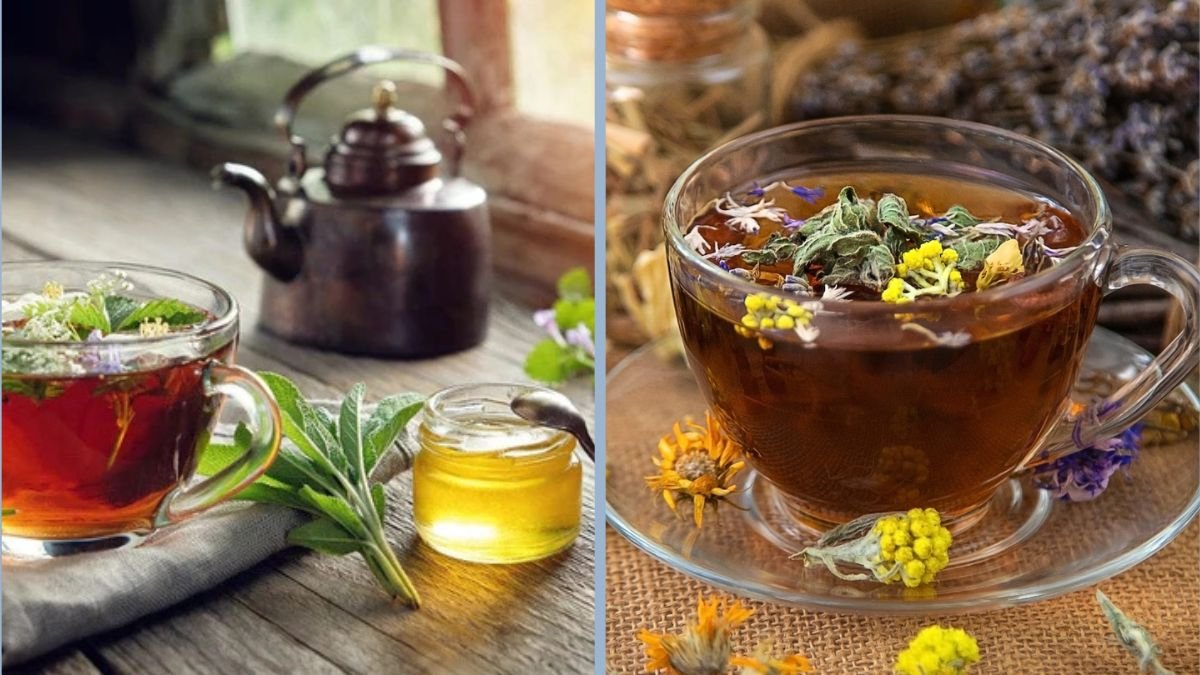
Herbal teas have been cherished for centuries for their flavor, aroma, and potential health benefits. Unlike traditional teas derived from Camellia sinensis, herbal teas are naturally caffeine-free and are made from leaves, flowers, stems, seeds, or roots of various plants. Growing fresh herbs in your garden provides a sustainable source of ingredients for these teas, allowing gardeners and herbal enthusiasts to enjoy fresh, aromatic, and nutrient-rich brews year-round. This article explores how to select, cultivate, harvest, and prepare garden herbs to make herbal teas, with detailed, plant-based guidance.
Selecting Herbs for Herbal Tea
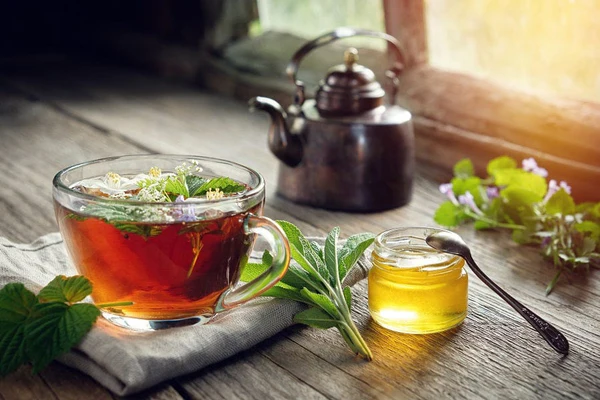
The first step in creating herbal tea is selecting suitable herbs. Ideal herbs are flavorful, aromatic, and safe for consumption. Some common garden herbs for tea include:
- Mint (Mentha spp.)
- Refreshing flavor; aids digestion and soothes nausea.
- Varieties: Spearmint, peppermint, chocolate mint.
- Lemon Balm (Melissa officinalis)
- Citrus aroma; calming and relaxing properties.
- Chamomile (Matricaria chamomilla)
- Sweet, apple-like fragrance; supports relaxation and sleep.
- Rosemary (Rosmarinus officinalis)
- Pine-like aroma; stimulating and refreshing.
- Thyme (Thymus vulgaris)
- Earthy flavor; traditionally used for respiratory health.
- Basil (Ocimum basilicum)
- Sweet, aromatic flavor; may support digestion.
- Lemongrass (Cymbopogon citratus)
- Citrusy aroma; refreshing, aids in digestion and relaxation.
Selecting herbs that thrive in your local climate ensures a reliable, fresh supply for year-round tea preparation.
Growing and Harvesting Herbs for Tea
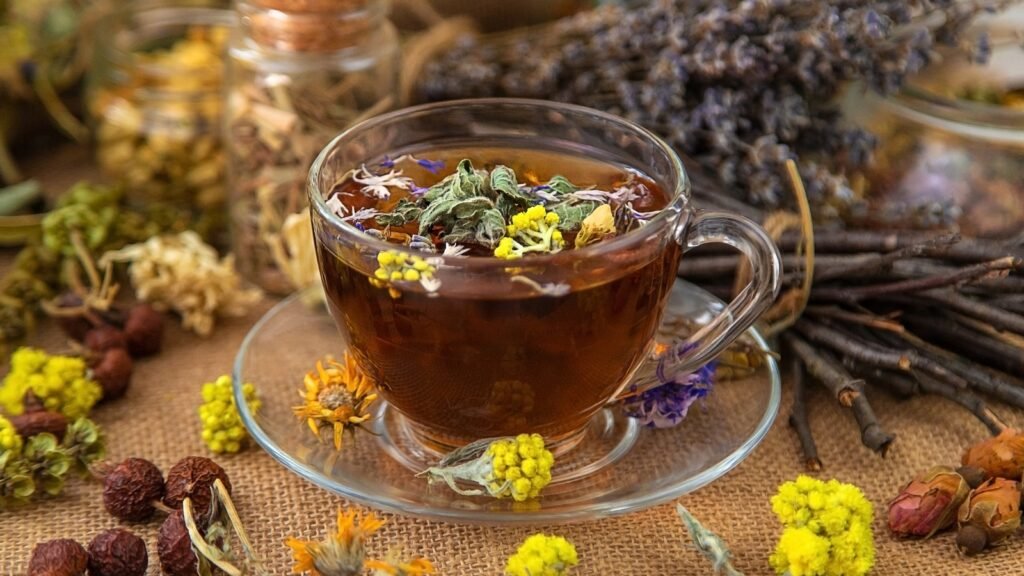
Successful herbal tea begins with healthy, aromatic plants.
Planting Tips
- Sunlight: Most herbs thrive in full sun (6–8 hours daily).
- Soil: Well-drained, fertile soil with plant-based compost ensures strong growth.
- Containers: Raised beds or pots improve drainage and allow mobility indoors.
- Spacing: Provide adequate spacing to allow airflow and reduce fungal issues.
Harvesting Guidelines
- Timing: Harvest leaves in the morning after dew evaporates for optimal flavor and essential oil concentration.
- Frequency: Pinch young stems regularly to encourage bushier growth.
- Tools: Use clean scissors or pruners to avoid damaging plants.
Important Note: Avoid harvesting more than one-third of the plant at a time to maintain plant health.
Preparing Fresh Herbs for Tea
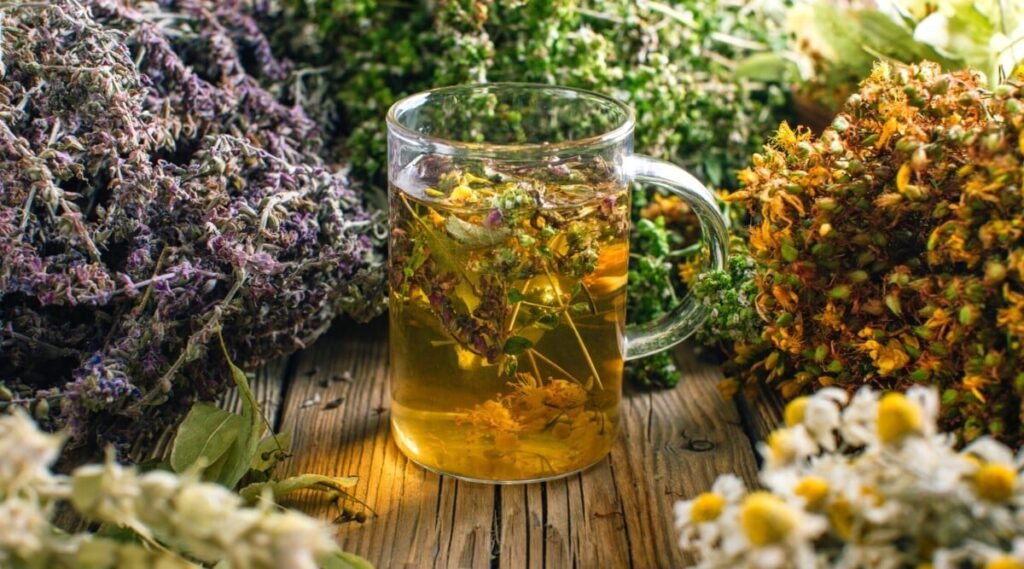
Once harvested, herbs can be used fresh or dried. Both methods have advantages:
- Using Fresh Herbs
- Provides intense aroma and flavor.
- Ideal for immediate brewing.
- Rinse gently to remove dust and insects before use.
- Drying Herbs
- Preserves herbs for off-season use.
- Methods:
- Air Drying: Tie stems and hang upside down in a dry, dark, ventilated area.
- Oven Drying: Low-temperature oven (35–40°C) for a few hours.
- Dehydrator: Efficient, maintains color and aroma.
Storage: Keep dried herbs in airtight containers away from sunlight and moisture to preserve potency.
Herbal Tea Preparation Techniques
The method of tea preparation impacts flavor and health benefits.
Infusion (Hot Water Steeping)
- Step 1: Boil fresh or dried water in a kettle.
- Step 2: Place 1–2 teaspoons of dried herbs (or 2–3 teaspoons of fresh leaves) per cup in a teapot or infuser.
- Step 3: Pour hot water (90–100°C) over the herbs.
- Step 4: Cover and steep for 5–10 minutes depending on herb strength.
- Step 5: Strain and serve hot.
Cold Brew Herbal Tea
- Step 1: Place herbs in a pitcher with cold water.
- Step 2: Refrigerate 6–12 hours for a gentle, smooth flavor.
- Step 3: Strain and serve chilled.
Herbal Tea Blends
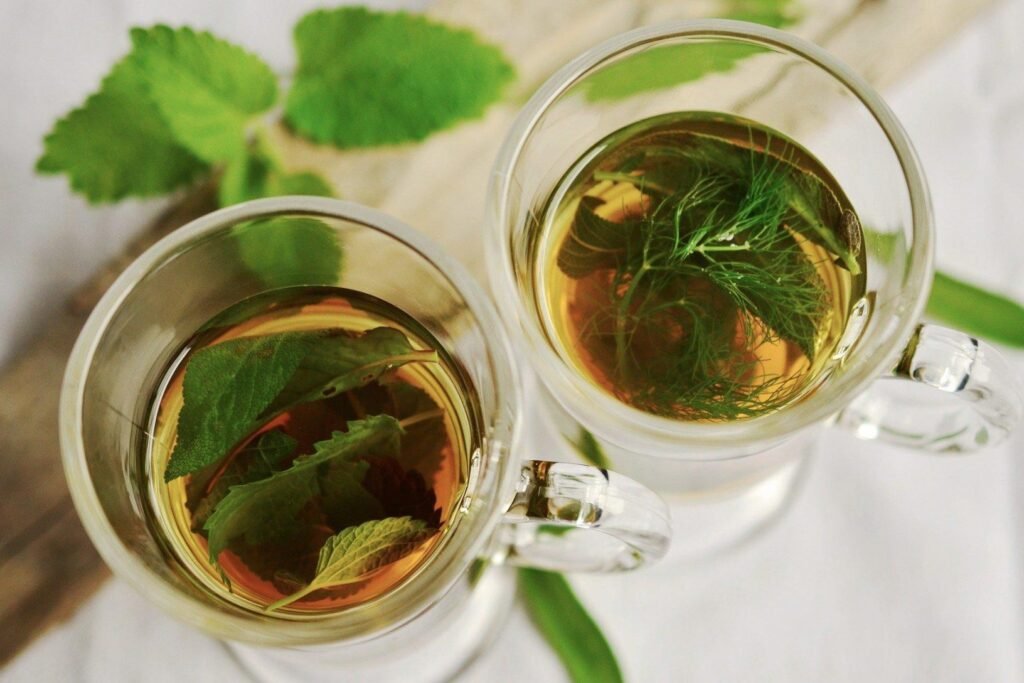
- Combine multiple herbs for complementary flavors.
- Examples:
- Mint + Lemon Balm – Refreshing and calming.
- Chamomile + Lemon Balm + Lavender – Relaxing bedtime tea.
- Rosemary + Thyme – Earthy, stimulating herbal infusion.
Enhancing Flavor and Aroma Naturally
Herbal teas can be enhanced with natural plant-based ingredients:
- Citrus Slices – Lemon or orange adds brightness and antioxidants.
- Ginger Root – Adds warmth and supports digestion.
- Cinnamon Sticks – Mild sweetness and warming flavor.
- Edible Flowers – Lavender, rose petals, hibiscus for color and aroma.
Avoid artificial flavorings; fresh garden herbs provide natural taste and aroma.
Health Benefits of Herbal Teas
Herbal teas are valued for wellness properties, depending on the herbs used:
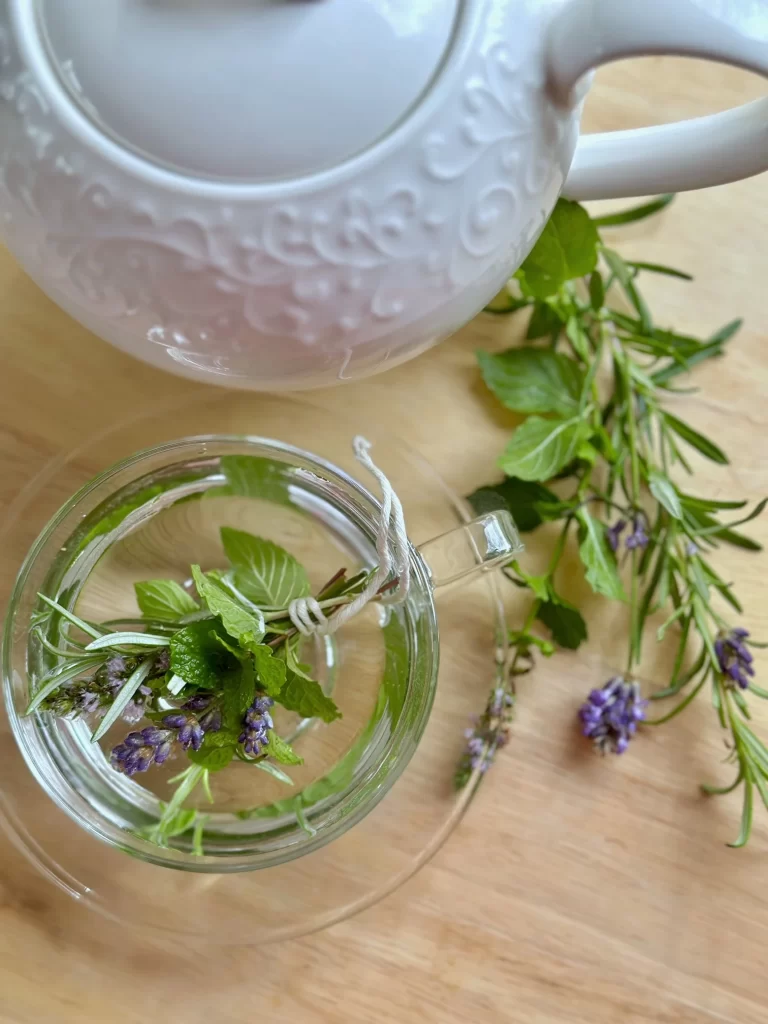
- Mint: Soothes digestive discomfort, freshens breath.
- Chamomile: Promotes relaxation, aids sleep.
- Lemongrass: Supports digestion, mild diuretic.
- Basil: Anti-inflammatory, aids in digestion.
- Rosemary: Enhances alertness and circulation.
Regular consumption supports hydration, relaxation, and overall plant-based wellness.
Sustainable Practices for Herbal Tea Gardening
- Companion Planting
- Plant herbs together to deter pests naturally and promote growth.
- Examples: Basil near tomatoes; mint near leafy greens.
- Organic Fertilization
- Use compost, vermicompost, or plant-based liquid fertilizers.
- Mulching
- Straw, leaves, or coconut coir conserve soil moisture and regulate temperature.
- Water Management
- Water early morning to reduce evaporation and ensure optimal nutrient uptake.
- Indoor Winter Gardening
- Use containers near sunny windows or grow lights to maintain year-round supply.
Storing Herbal Tea
Proper storage preserves flavor and potency:
- Fresh Herbs: Store in a glass jar with water in the refrigerator for up to a week.
- Dried Herbs: Airtight containers, away from sunlight and humidity.
- Pre-blended Tea Bags: Combine dried herbs for convenience.
Label containers with the harvest date to maintain freshness.
Safety and Best Practices
- Identify Herbs Correctly
- Avoid misidentifying plants; some herbs are toxic.
- Avoid Pesticides
- Use plant-based pest control; chemical residues affect tea quality.
- Hygiene
- Wash hands, tools, and containers before handling herbs.
- Use clean, filtered water for brewing.
- Allergies and Sensitivities
- Introduce new herbs gradually to monitor reactions.
Conclusion
Making herbal tea with fresh garden herbs is an enriching practice that combines gardening, culinary creativity, and wellness. By selecting suitable herbs, providing optimal growth conditions, harvesting carefully, and employing sustainable plant-based techniques, gardeners can enjoy fresh, aromatic herbal teas year-round. Proper infusion methods, natural flavor enhancements, and storage practices ensure consistent quality and maximum benefits. With thoughtful planning and care, herbal tea preparation becomes a sustainable, enjoyable, and healthful activity that brings the garden directly into the cup, entirely through plant-based methods.