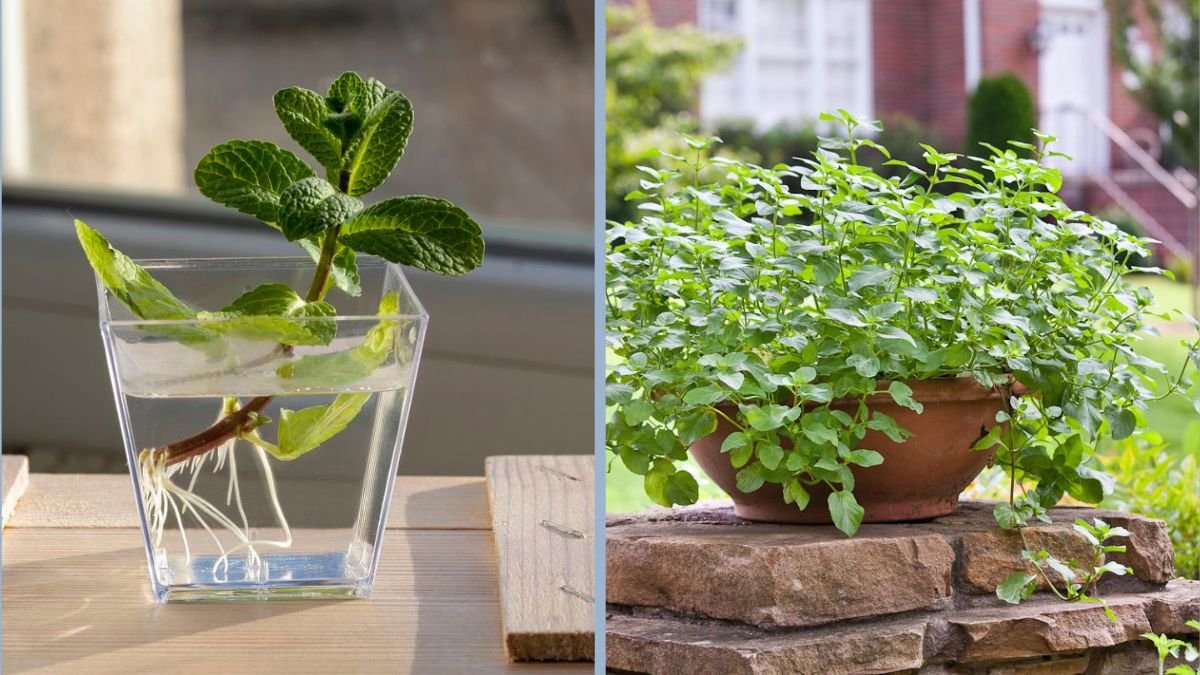
Mint (Mentha spp.) is one of the most versatile and aromatic herbs for plant-based kitchens, teas, desserts, and natural remedies. Known for its refreshing flavor and fast growth, mint can quickly become invasive if not managed properly. While its vigorous spreading can overwhelm garden beds, it is possible to cultivate mint successfully in a controlled environment. This article explores strategies to grow mint effectively without allowing it to dominate other plants, focusing on sustainable, plant-based methods suitable for indoor or outdoor cultivation.
Understanding Mint Growth
Mint is a perennial herb that spreads primarily through underground runners (rhizomes). Its rapid growth habit enables it to cover large areas quickly, which can outcompete other plants for nutrients and water. Understanding mint’s growth tendencies is essential to controlling its spread:
- Rhizomes: Horizontal underground stems produce new shoots at intervals.
- Roots: Shallow roots absorb water and nutrients efficiently, enabling aggressive growth.
- Leaves: Aromatic foliage emerges from nodes along the stems; frequent harvesting encourages bushy growth and reduces invasiveness.
By recognizing these growth patterns, gardeners can implement containment strategies to cultivate mint effectively in limited spaces.
Choosing the Right Mint Varieties
Different mint varieties have distinct growth habits and flavors. Selecting the right variety is crucial for controlled cultivation:
- Spearmint (Mentha spicata): Mild, sweet flavor; ideal for teas and desserts.
- Peppermint (Mentha × piperita): Strong, cooling flavor; used in beverages and plant-based desserts.
- Chocolate Mint (Mentha × piperita f. citrata ‘Chocolate’): Subtle cocoa aroma; decorative and culinary use.
- Apple Mint (Mentha suaveolens): Fruity aroma; grows slightly slower than spearmint.
- Lemon Mint (Mentha × piperita citrata ‘Citrata’): Citrus-flavored; compact growth, suitable for pots.
Compact or slow-spreading varieties are preferred for indoor cultivation to reduce invasiveness.
Methods to Prevent Mint from Taking Over
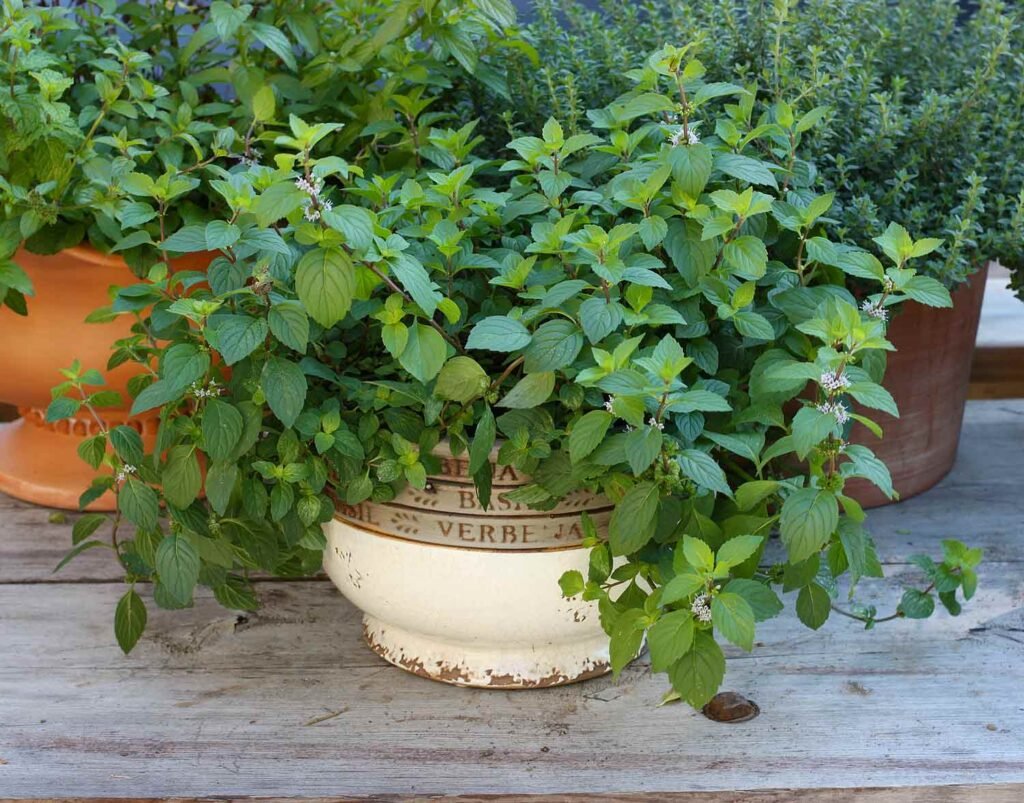
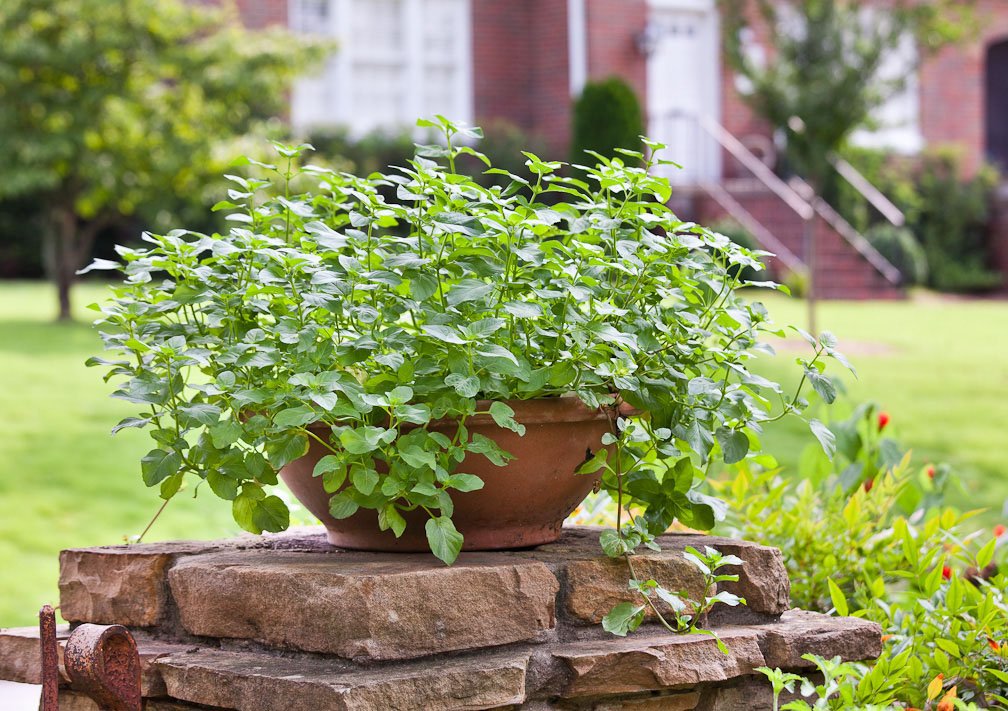
Mint can be grown without dominating other plants by implementing containment strategies:
1. Container Gardening
- Pots and Planters: Use deep pots (20–30 cm) with drainage holes.
- Benefits: Prevents rhizomes from spreading into garden beds.
- Tip: Place saucers beneath pots to catch excess water.
2. Underground Barriers
- Physical Barriers: In garden beds, insert plastic or metal barriers (30–40 cm deep) to contain roots.
- Tip: Ensure barriers extend slightly above soil level to prevent rhizomes from escaping.
3. Raised Beds
- Plant mint in raised beds with defined edges.
- Line the base with landscape fabric to reduce horizontal root spread.
4. Vertical Containers
- Grow mint in hanging baskets or vertical planters to limit horizontal spread.
- Ensures easy access for harvesting while maintaining control.
5. Regular Pruning and Harvesting
- Pinch tops and harvest leaves frequently.
- Prevents flowering, which slows the spread and encourages bushy growth.
- Harvesting every 2–3 weeks maintains manageable size.
Optimal Growing Conditions for Controlled Mint Cultivation
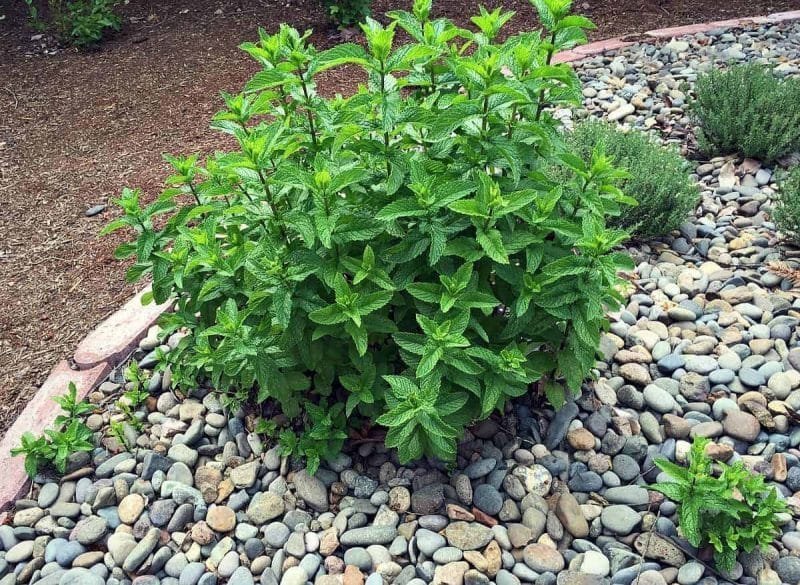
Even when contained, mint thrives best under favorable growing conditions:
Light Requirements
- Indoors: 4–6 hours of indirect sunlight; supplement with LED grow lights if needed.
- Outdoors: Partial to full sunlight.
Soil
- Well-draining, fertile soil enriched with plant-based compost.
- pH: 6.0–7.0 (slightly acidic to neutral).
Watering
- Keep soil consistently moist but avoid waterlogging.
- Containers may require more frequent watering than garden beds.
Temperature and Humidity
- Ideal range: 18–25°C.
- Moderate indoor humidity (40–60%) supports healthy growth.
Propagation Techniques
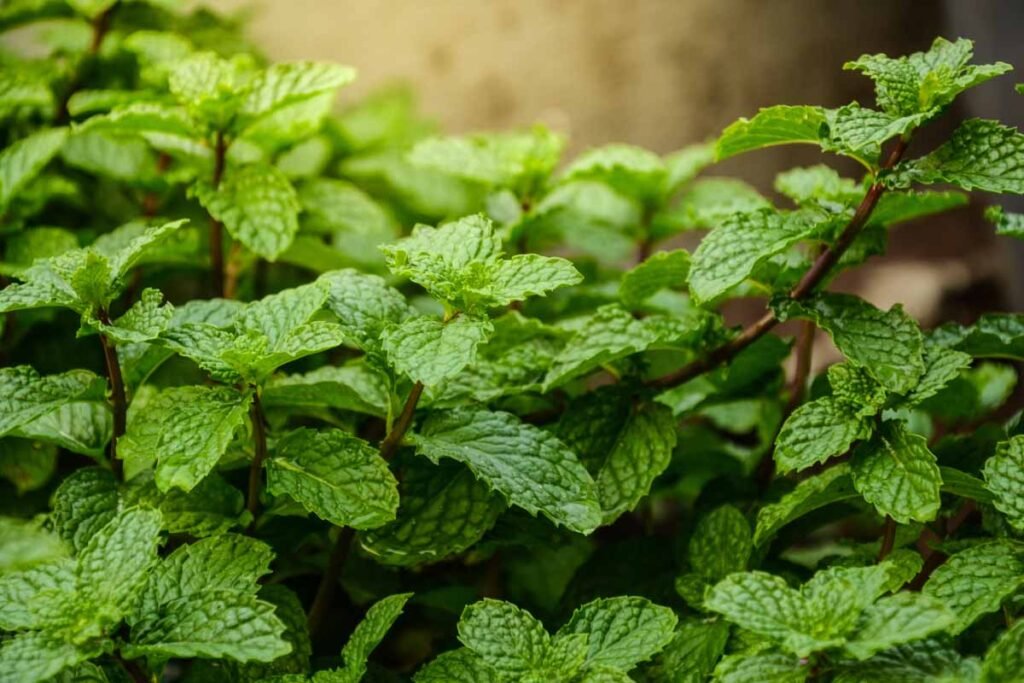
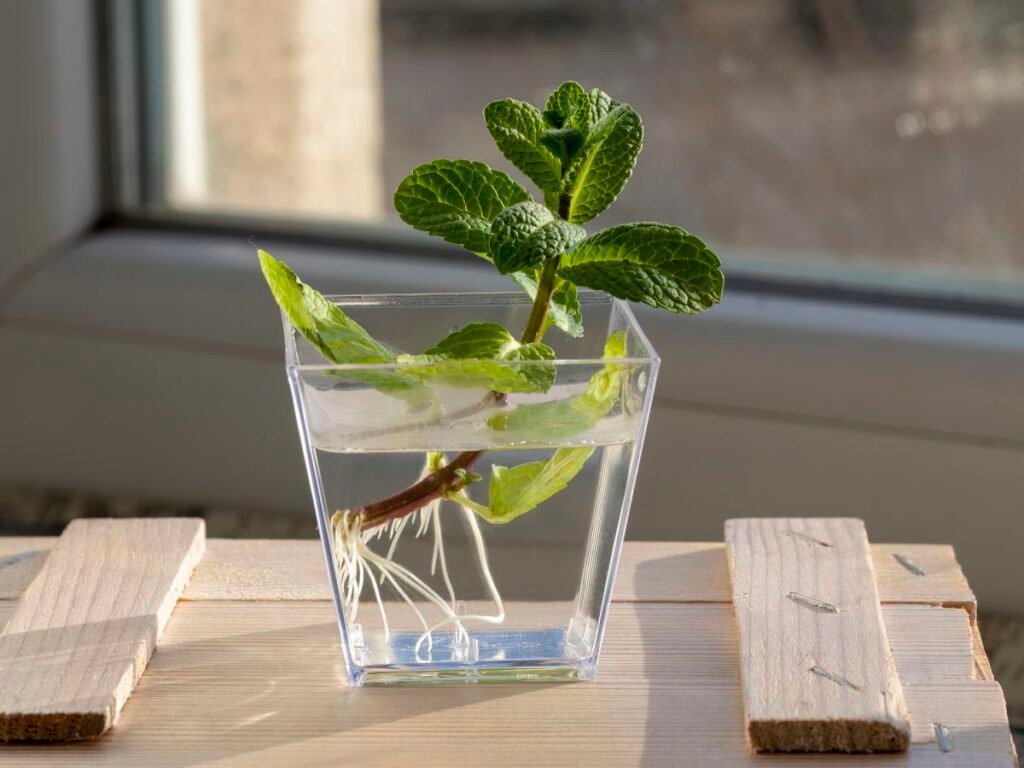
Mint is easily propagated through stem cuttings or division:
Stem Cuttings
- Select healthy 10–15 cm stems.
- Remove lower leaves and place cuttings in water or damp soil.
- Roots develop in 1–2 weeks.
- Transplant rooted cuttings into containers for controlled growth.
Division of Plants
- Uproot established plants and separate clumps with roots.
- Replant divisions in containers to prevent uncontrolled spreading.
Harvesting and Using Mint
Regular harvesting keeps mint under control while providing fresh leaves for culinary and medicinal use:
- Harvesting Guidelines
- Take leaves from the top, leaving at least 2–3 sets of leaves per stem.
- Avoid removing more than one-third of the plant at a time.
- Frequent harvesting prevents flowering and prolongs productivity.
- Culinary Uses
- Fresh leaves: Teas, salads, plant-based desserts, sauces, and beverages.
- Chopped or whole leaves enhance flavor intensity.
- Infuse leaves in plant-based syrups or dressings for natural flavoring.
- Medicinal Applications
- Digestive aid: Steep fresh leaves in hot water for soothing tea.
- Aromatic benefits: Mint essential oils can be extracted naturally from leaves for inhalation.
- Cooling effect: Mint tea or infused water provides natural refreshment.
Drying and Storing Mint
Drying mint is an excellent way to preserve leaves without losing flavor:
- Air Drying: Bundle stems, hang in a dark, ventilated space.
- Oven Drying: Use low heat (35–40°C) for 1–2 hours.
- Dehydrator: Dry at 35–45°C until leaves crumble easily.
- Storage: Store dried leaves in airtight containers, away from sunlight and moisture.
Properly dried mint retains aroma and potency for up to 12 months, providing a year-round supply without continuous harvesting.
Pest and Disease Management
Even in containers, mint may encounter minor pest or disease issues:
- Common Pests: Aphids, spider mites, and whiteflies.
- Plant-Based Control:
- Neem oil spray or garlic-chili solution.
- Introduce companion plants like basil or parsley to deter pests.
- Fungal Issues: Avoid overwatering and ensure good air circulation to prevent mold or mildew.
Sustainable and Plant-Based Practices
- Organic Soil Amendments: Use compost, vermicompost, or plant-based liquid fertilizers.
- Water Conservation: Self-watering containers and moderate irrigation reduce waste.
- Propagation for Continuous Supply: Maintain cuttings to rotate and refresh container crops.
- Waste Reduction: Trimmings can be used for compost or teas.
Indoor vs. Outdoor Mint Cultivation
- Indoor Advantages:
- Controlled environment prevents invasiveness.
- Year-round availability regardless of climate.
- Ideal for kitchens with limited space.
- Outdoor Advantages:
- Natural sunlight promotes faster growth.
- Larger containers or raised beds can accommodate more plants.
- Control Strategies:
- Whether indoors or outdoors, always grow mint in pots, containers, or contained beds to prevent it from overtaking other plants.
Conclusion
Mint is a versatile, aromatic herb with culinary, medicinal, and aromatic applications. Its aggressive growth habit, however, can quickly overwhelm garden beds if not managed properly. By employing strategies such as container gardening, underground barriers, raised beds, vertical planters, and regular pruning, gardeners can cultivate mint successfully without allowing it to take over. Selecting compact or slow-spreading varieties, maintaining optimal soil, water, and light conditions, and harvesting regularly ensures controlled growth and year-round availability. Sustainable, plant-based practices further enhance productivity while maintaining environmental responsibility. With proper planning and care, mint can thrive in both indoor and outdoor spaces, providing a fresh, aromatic herb supply without compromising the integrity of surrounding plants.