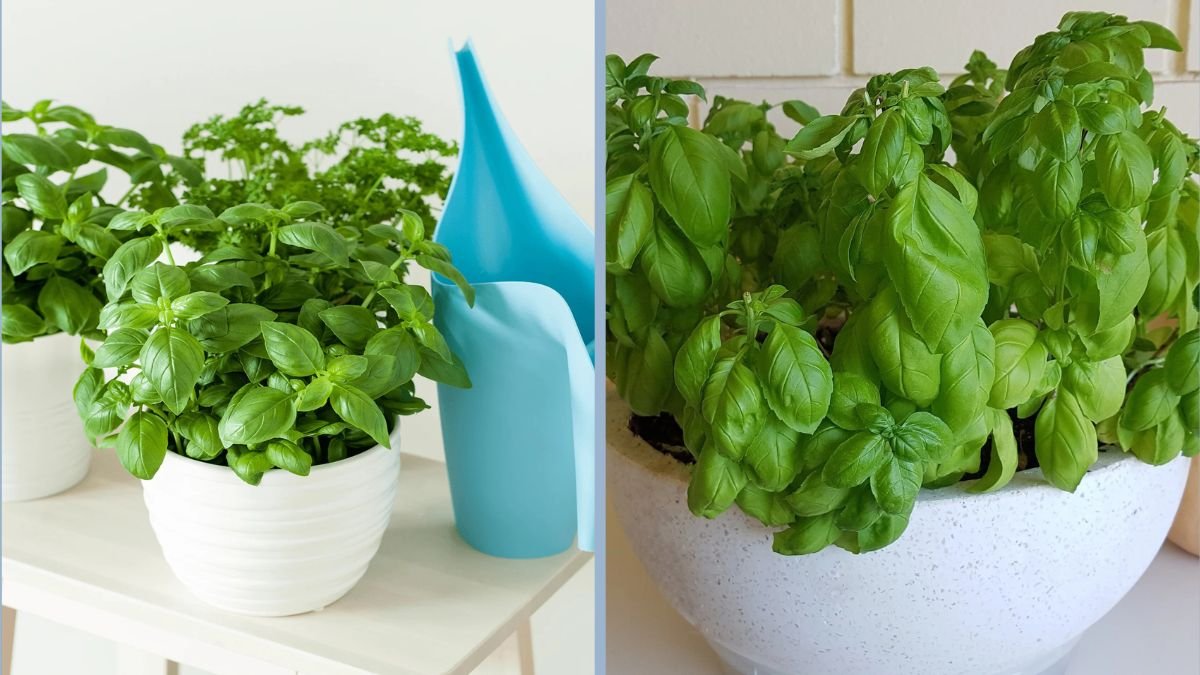
Basil (Ocimum basilicum) is one of the most popular and versatile culinary herbs, prized for its aromatic leaves and essential oils. Growing fresh basil indoors year-round allows gardeners and cooks to enjoy its flavor in sauces, salads, and beverages, even when outdoor conditions are unsuitable. Indoor cultivation offers control over temperature, light, humidity, and soil conditions, reducing the impact of pests and extreme weather. This article provides a comprehensive guide on growing basil indoors year-round, detailing ideal varieties, planting techniques, care requirements, and sustainable, plant-based practices.
Choosing the Right Basil Variety
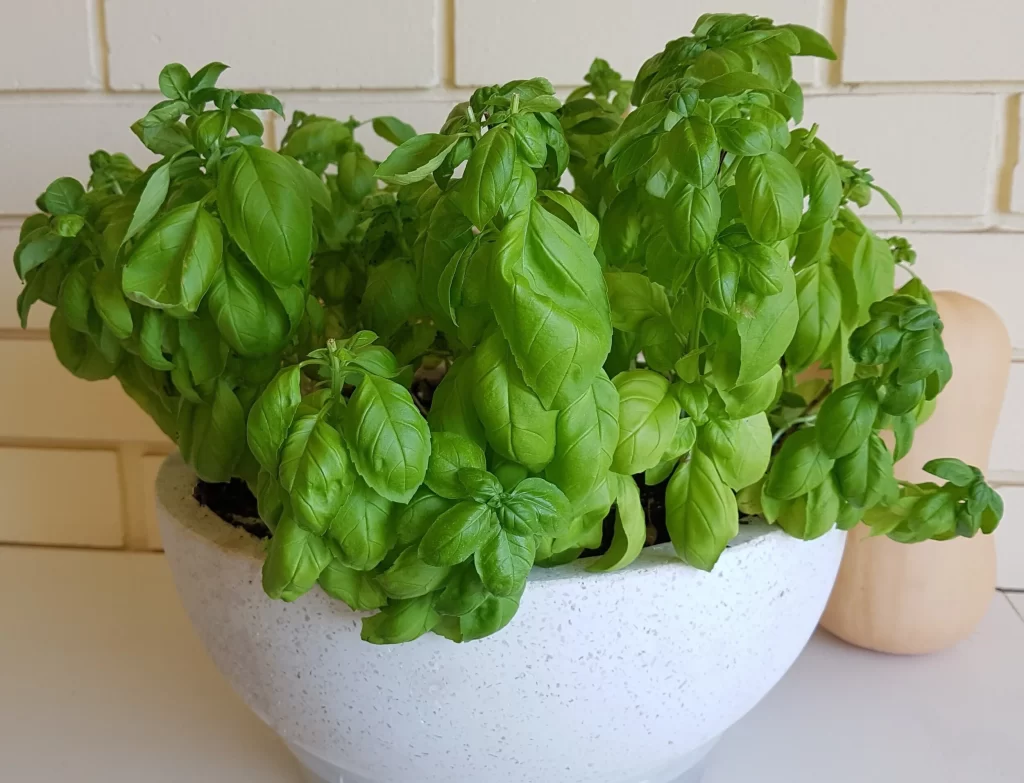
Basil comes in several varieties, each with unique flavors, aromas, and growth characteristics. Selecting a suitable variety for indoor growth is essential:
- Sweet Basil
- Classic culinary herb with tender, aromatic leaves.
- Best for sauces, pesto, and salads.
- Genovese Basil
- Italian heirloom variety known for large, flavorful leaves.
- Thrives in well-lit indoor environments.
- Thai Basil
- Strong licorice-like aroma, suitable for Asian dishes.
- Requires slightly warmer indoor temperatures.
- Lemon Basil
- Distinct citrus flavor; ideal for teas and dressings.
- Compact growth makes it suitable for containers.
- Purple Basil
- Decorative and flavorful; adds color to dishes.
- Prefers bright light and regular pruning.
Selecting compact, fast-growing varieties ensures a continuous supply of fresh leaves indoors.
Optimal Indoor Conditions for Year-Round Growth
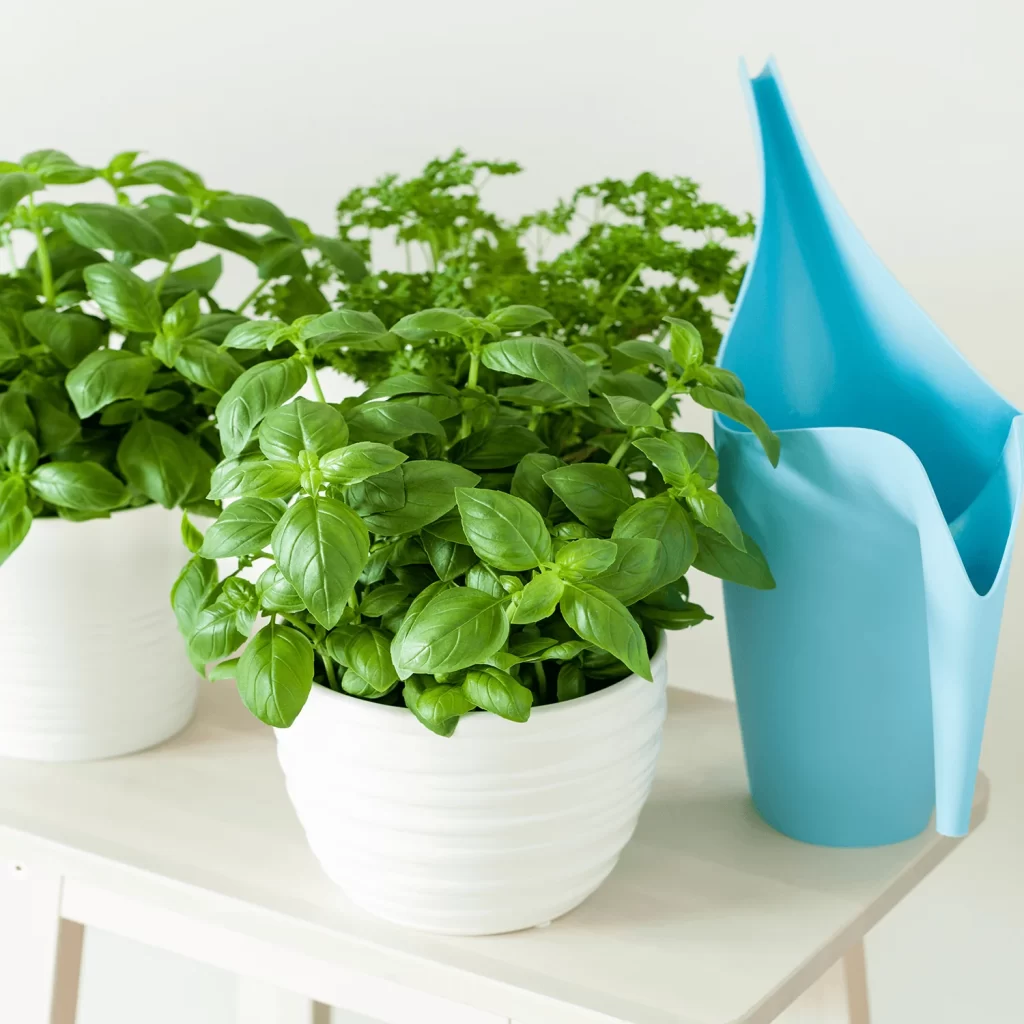
To cultivate basil successfully indoors, gardeners must replicate ideal outdoor conditions:
- Light Requirements
- Basil requires 6–8 hours of bright light daily.
- Use south-facing windows or supplemental grow lights.
- LED or fluorescent lights are energy-efficient and effective for indoor herb growth.
- Temperature
- Ideal range: 18–30°C (65–85°F).
- Avoid cold drafts or sudden temperature drops, which can stunt growth.
- Humidity
- Moderate humidity levels (40–60%) support healthy growth.
- Use pebble trays or a humidifier if indoor air is dry.
- Air Circulation
- Proper airflow prevents fungal diseases and supports strong stems.
- Small fans or well-ventilated areas help maintain circulation.
Container Selection and Soil Requirements
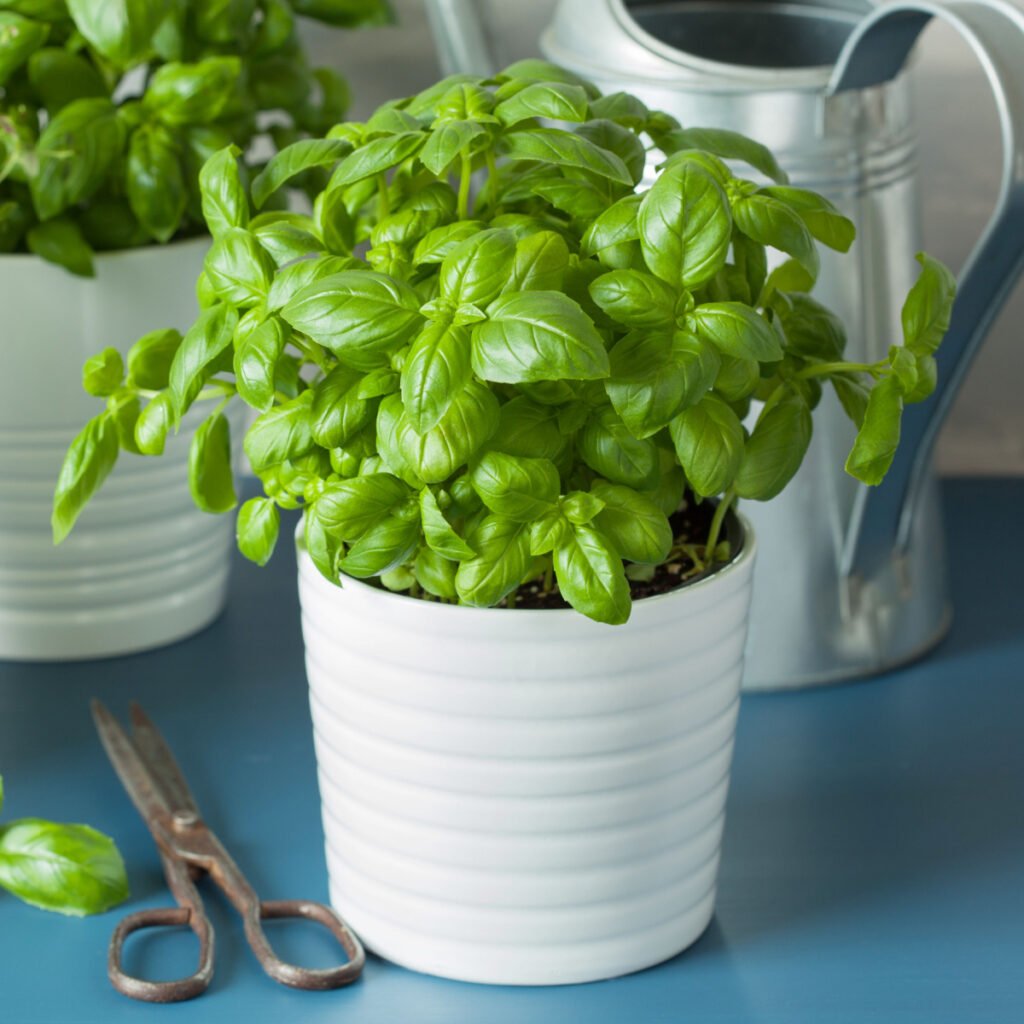
Choosing the right container and soil is critical for indoor basil success:
- Container Options
- Pots with drainage holes prevent waterlogging.
- Shallow to medium depth containers (15–20 cm) suffice for basil roots.
- Self-watering pots are convenient for maintaining consistent moisture.
- Soil Composition
- Use a light, well-draining potting mix rich in organic matter.
- Recommended components: coconut coir, compost, perlite, or vermiculite.
- Avoid dense garden soil that retains excess moisture.
- Planting Depth
- Plant seeds 0.5–1 cm deep or transplant seedlings slightly deeper to cover roots.
- Space multiple seedlings 15–20 cm apart to allow airflow.
Planting Techniques

Basil can be grown from seeds, cuttings, or small seedlings:
- From Seeds
- Start seeds in trays or small pots.
- Keep soil moist but not waterlogged.
- Germination occurs in 5–10 days under optimal warmth and light.
- Transplant seedlings when they have 2–4 true leaves.
- From Cuttings
- Take 10–12 cm stem cuttings from healthy basil plants.
- Place in water or damp soil until roots form (1–2 weeks).
- Transfer rooted cuttings to pots with nutrient-rich soil.
- From Small Seedlings
- Purchase young plants for faster establishment.
- Acclimate seedlings to indoor light gradually to avoid shock.
Watering Practices
Proper watering is crucial for healthy basil growth:
- Frequency
- Water when the top 2–3 cm of soil is dry.
- Avoid constant wetness, which leads to root rot.
- Method
- Water at the soil base rather than overhead.
- Use plant saucers to catch excess water and prevent spillage.
- Quantity
- Ensure thorough watering to reach the root zone, then allow soil to dry slightly before the next watering.
- Indoor humidity may reduce water needs compared to outdoor planting.
Fertilization and Nutrient Management
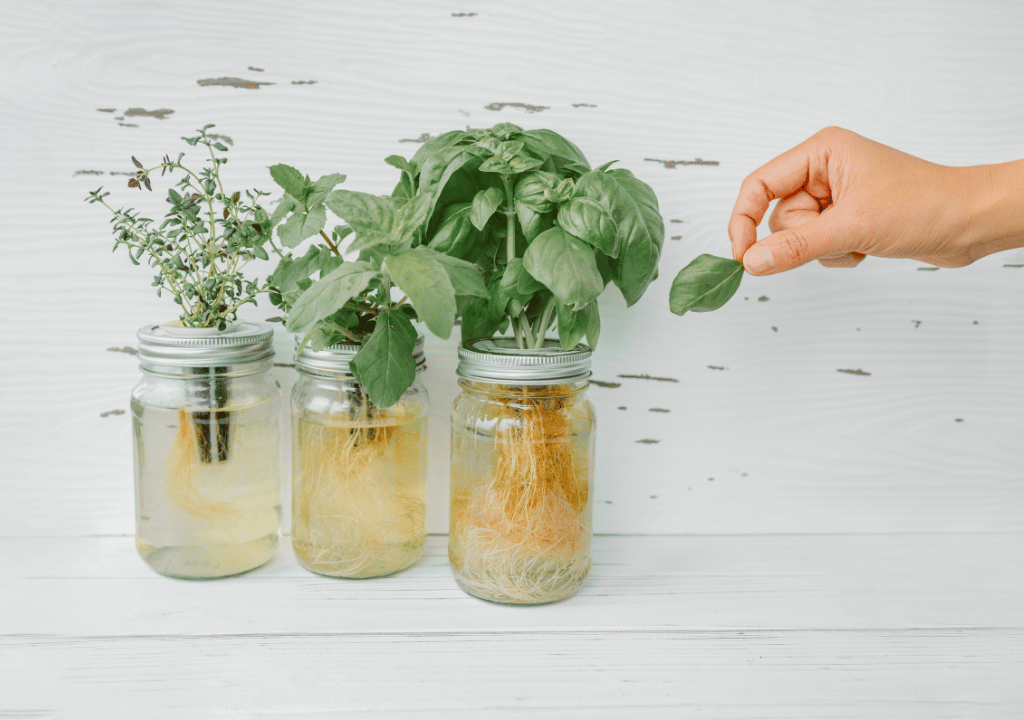
To sustain year-round growth without non-vegetarian inputs, gardeners can use plant-based nutrition:
- Organic Compost
- Mix compost into potting soil or top-dress every few weeks.
- Liquid Fertilizers
- Compost tea, seaweed extract, or fermented plant extracts provide essential nutrients.
- Apply every 2–4 weeks for healthy foliage.
- Nutrient Balance
- Nitrogen supports leaf growth, phosphorus aids root development, and potassium enhances flavor.
- Avoid synthetic fertilizers if maintaining fully plant-based practices.
Pruning and Harvesting
Regular pruning encourages bushier growth and prevents flowering:
- Pruning
- Pinch off the top 2–4 leaf nodes once the plant reaches 15–20 cm in height.
- Remove flowers promptly to focus energy on leaf production.
- Harvesting
- Harvest leaves from top down, leaving at least 3–4 leaves per stem.
- Frequent harvesting promotes continuous growth and prevents leggy stems.
- Cut-and-Come-Again Method
- Allows repeated harvesting without damaging the plant.
- Best practiced every 2–3 weeks for mature plants.
Controlling Pests and Diseases Indoors
Even indoors, basil can be affected by pests and diseases:
- Common Pests
- Aphids, spider mites, and whiteflies.
- Use neem oil sprays, insecticidal soap, or garlic-chili spray as natural deterrents.
- Fungal Diseases
- Powdery mildew or damping-off can occur in humid conditions.
- Maintain proper airflow, avoid overhead watering, and remove infected leaves promptly.
- Prevention Strategies
- Rotate pots to reduce disease accumulation.
- Sterilize tools and containers before replanting.
Seasonal Adjustments for Year-Round Growth
Basil’s growth may slow during shorter days or cooler months:
- Light Supplementation
- Use LED grow lights for 6–8 hours daily in winter.
- Temperature Management
- Maintain indoor temperatures above 18°C (65°F).
- Avoid placing pots near drafty windows or air conditioners.
- Humidity Control
- Use pebble trays or indoor humidifiers to maintain moisture levels in dry winter air.
- Nutrient Adjustment
- Apply liquid plant-based fertilizers more frequently during slower growth periods to sustain leaf production.
Container Rotation and Space Management
- Rotate pots periodically for even light exposure.
- Re-pot annually or when roots become crowded.
- Use trellises or stakes for tall varieties to prevent bending and maximize space.
Propagation for Continuous Supply
To ensure year-round basil availability:
- Maintain multiple pots with staggered growth stages.
- Use cuttings from mature plants for rapid propagation.
- Overwinter mature plants in favorable indoor conditions to serve as mother plants.
This strategy ensures a steady supply without interruption, even during periods of slow growth.
Conclusion
Growing fresh basil indoors year-round is achievable with careful attention to light, temperature, soil, watering, and plant-based nutrition. Selecting suitable basil varieties, providing optimal indoor conditions, and practicing regular pruning and harvesting ensures a continuous supply of aromatic, nutrient-rich leaves. Employing sustainable techniques such as plant-based fertilizers, mulching, and natural pest control supports healthy growth without relying on non-vegetarian inputs. By implementing these strategies, gardeners can enjoy fresh basil throughout the year, enhance their culinary creations, and cultivate a self-sufficient, plant-based indoor herb garden.