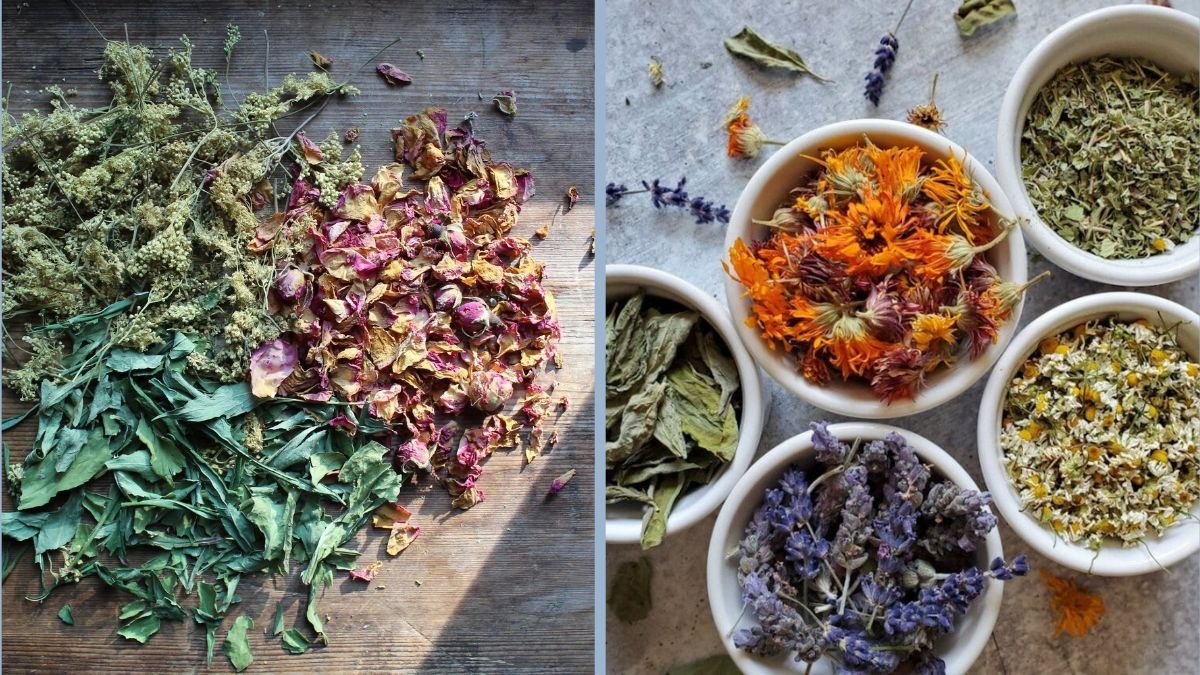
Herbs are indispensable in cooking, natural medicine, and home remedies. While fresh herbs provide maximum flavor and aroma, their availability can be seasonal or limited by climate. Drying herbs is a practical, sustainable method to preserve their flavor, nutritional value, and medicinal properties for long-term use. Proper drying and storage techniques allow gardeners and herbal enthusiasts to maintain a consistent supply of herbs year-round without relying on non-vegetarian inputs. This article explores the principles, methods, and best practices for drying herbs effectively for long-term storage.
Why Dry Herbs?
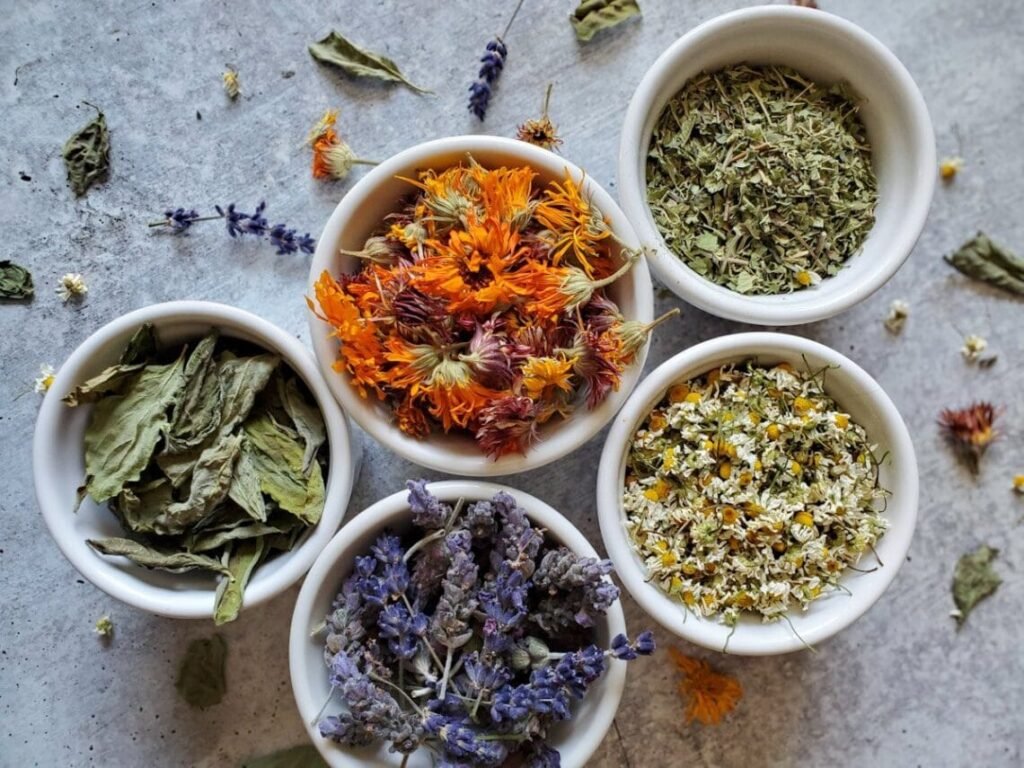
Drying herbs concentrates their flavors and extends shelf life. It provides several benefits:
- Flavor Preservation: Properly dried herbs retain essential oils responsible for aroma and taste.
- Convenience: Dried herbs are readily available for cooking or medicinal preparations.
- Cost-Efficiency: Preserves home-grown herbs without the need for constant harvesting.
- Sustainability: Reduces food waste and reliance on commercially packaged herbs.
- Medicinal Use: Retains bioactive compounds such as antioxidants, vitamins, and essential oils.
Drying is suitable for a wide range of herbs, including basil, mint, thyme, rosemary, parsley, oregano, sage, and chamomile.
Choosing Herbs for Drying
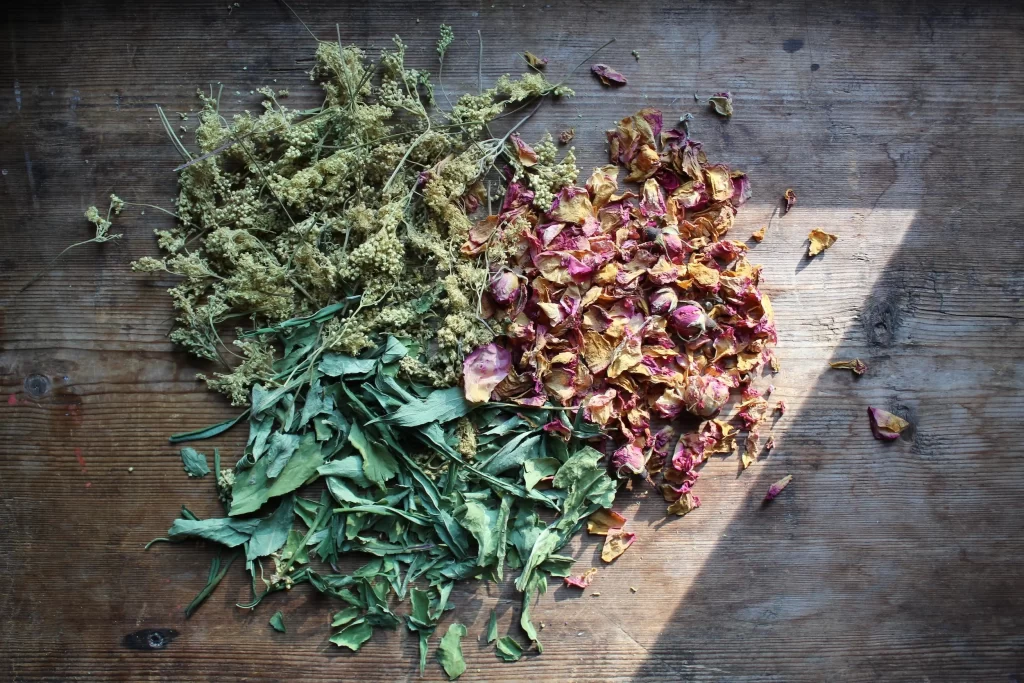
Not all herbs dry equally well. Consider the following:
- Soft, Leafy Herbs: Basil, parsley, cilantro, and mint dry quickly but require gentle handling.
- Woody Herbs: Rosemary, thyme, sage, and oregano dry more slowly but maintain flavor longer.
- Flowers: Chamomile and lavender can be dried for tea or decoration.
Harvesting Tips for Drying:
- Harvest in the morning after dew evaporates for optimal essential oil content.
- Choose healthy, disease-free leaves and stems.
- Avoid herbs sprayed with chemical pesticides; plant-based, organic cultivation is preferred.
- Use clean scissors or pruners to avoid damaging plants.
Preparing Herbs for Drying
Proper preparation ensures high-quality dried herbs:
- Cleaning:
- Gently rinse herbs in cool water to remove dust or insects.
- Shake off excess water and pat dry with a clean cloth or paper towel.
- Trimming:
- Remove damaged or yellow leaves.
- Group leaves and stems according to size and type.
- Bundling:
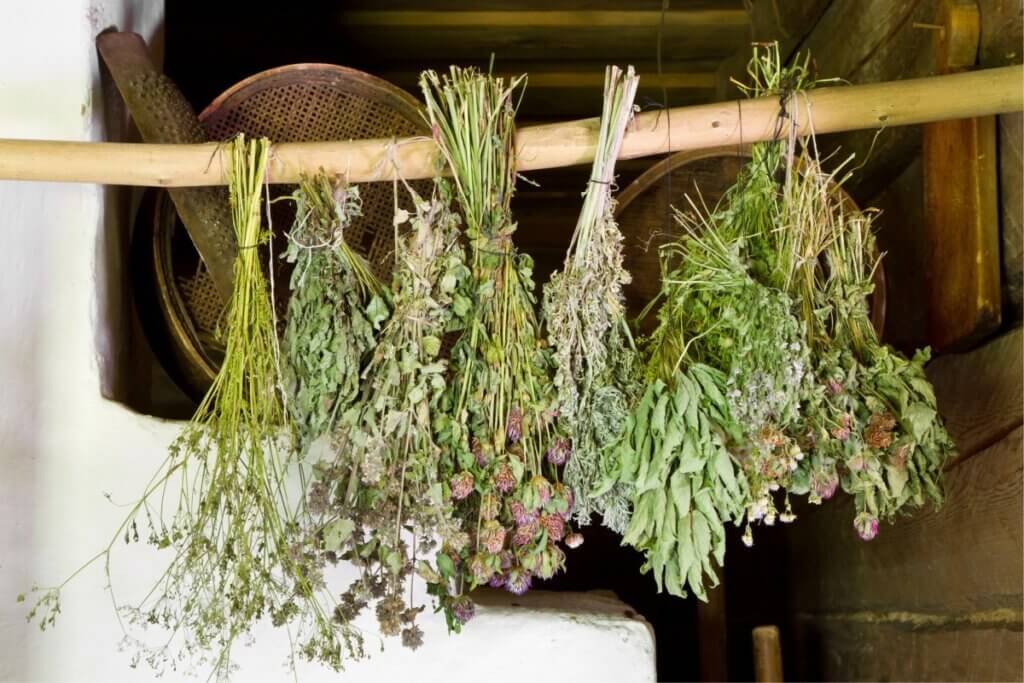
- Tie stems together in small bundles using string or plant-based twine.
- Avoid large, dense bundles to allow proper airflow and prevent mold.
Methods of Drying Herbs
Herbs can be dried using several techniques, depending on available space, climate, and herb type. Each method has unique benefits:
1. Air Drying
Air drying is the most traditional and sustainable method:
- Process:
- Hang small bundles upside down in a warm, dry, dark, and well-ventilated area.
- Avoid direct sunlight, which can degrade color and flavor.
- Duration: 1–3 weeks depending on humidity and herb type.
- Suitable Herbs: Woody herbs like rosemary, thyme, sage; soft herbs like basil can also be air-dried with careful monitoring.
Advantages:
- Energy-efficient, no special equipment needed.
- Maintains flavor and essential oils.
2. Oven Drying
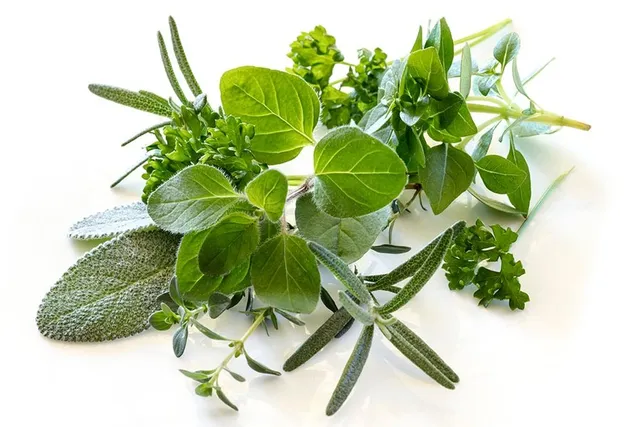
Oven drying is faster and convenient for small batches:
- Process:
- Preheat the oven to the lowest temperature (35–50°C).
- Spread herbs in a single layer on a baking sheet.
- Leave the oven door slightly open for ventilation.
- Duration: 1–4 hours; check frequently to prevent burning.
- Suitable Herbs: Both leafy and woody herbs.
Advantages:
- Quick and controllable.
- Good for urgent or large-scale herb preservation.
3. Dehydrator Drying
Dehydrators provide controlled, uniform drying:
- Process:
- Spread herbs evenly on dehydrator trays.
- Set temperature to 35–45°C for leafy herbs and 45–50°C for woody herbs.
- Dry until leaves crumble easily.
- Duration: 2–8 hours depending on herb type.
Advantages:
- Retains maximum flavor and color.
- Ideal for high-volume or frequent drying.
4. Microwave Drying
Microwave drying is fast but suitable only for small quantities:
- Process:
- Place herbs between two paper towels on a microwave-safe plate.
- Heat in 20–30 second intervals, checking frequently.
- Duration: 1–5 minutes.
- Suitable Herbs: Soft herbs like basil, mint, or cilantro.
Advantages:
- Quickest method.
- Minimal equipment needed.
Testing Herbs for Dryness
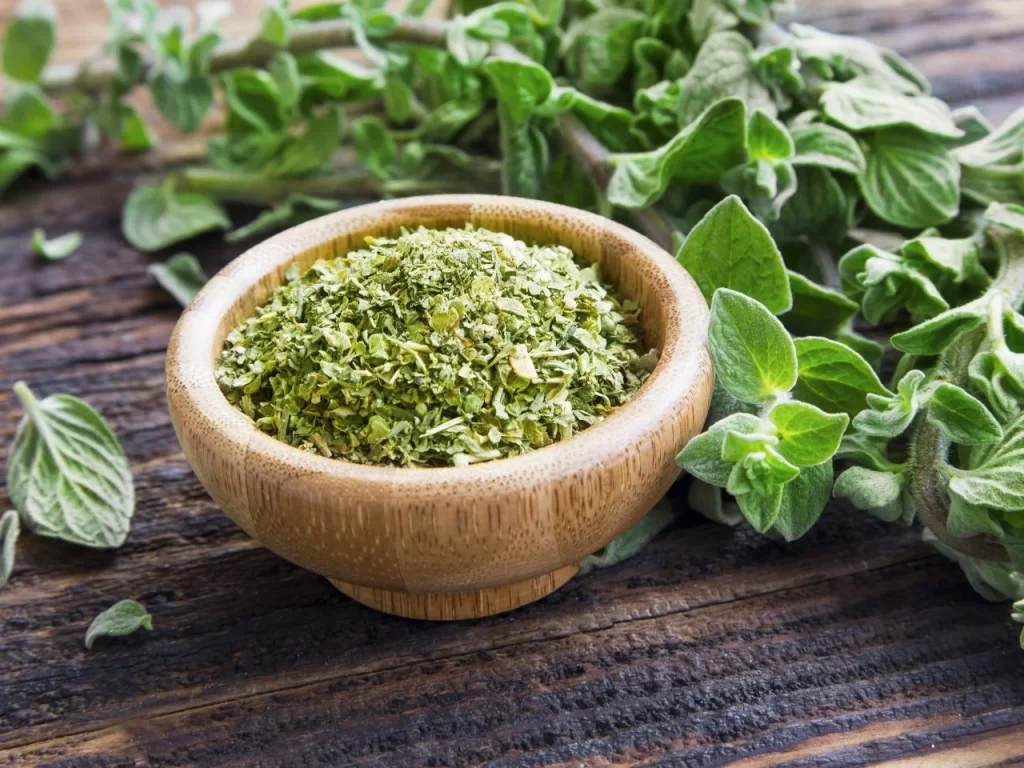
- Herbs are ready when leaves crumble easily between fingers.
- Stems should snap rather than bend.
- Avoid overdrying, which can cause loss of flavor and color.
Storing Dried Herbs
Proper storage extends shelf life and preserves quality:
- Containers:
- Use airtight glass jars, metal tins, or plant-based containers.
- Avoid plastic containers if long-term storage is intended, as they may leach odors.
- Environment:
- Store in a cool, dark, dry location.
- Avoid sunlight and humidity, which degrade flavor and color.
- Labeling:
- Include herb name and drying date for reference.
- Rotate older herbs first to maintain freshness.
- Shelf Life:
- Leafy herbs: 6–12 months.
- Woody herbs: Up to 2 years with proper storage.
- Flowers: 6–12 months, depending on dryness.
Tips for Maintaining Flavor and Potency
- Harvest at peak growth: Most aromatic before flowering.
- Use small batches: Dry in quantities that will be used within a year.
- Avoid crushing until use: Leaves retain flavor better when stored whole.
- Avoid moisture exposure: Moisture can cause mold and spoilage.
Uses of Dried Herbs
Dried herbs retain most culinary and medicinal properties:
- Cooking:
- Enhance soups, stews, sauces, grains, and roasted vegetables.
- Woody herbs like rosemary and thyme provide intense flavor.
- Herbal Teas:
- Infuse dried leaves in hot water for relaxing or medicinal teas.
- Combine herbs for custom blends.
- Medicinal Applications:
- Use dried herbs to prepare plant-based remedies such as tinctures, infused oils, or compresses.
- Rosemary, thyme, chamomile, and mint maintain bioactive compounds when dried properly.
- Aromatic and Decorative Uses:
- Dried herbs can be used in potpourri, sachets, or natural air fresheners.
Safety Considerations
- Avoid herbs with signs of mold, disease, or insect infestation.
- Ensure proper drying to prevent bacterial contamination.
- For medicinal use, consult plant-based references to determine appropriate dosage and applications.
Sustainable and Plant-Based Practices
- Organic Cultivation:
- Use compost, vermicompost, and natural pest deterrents instead of chemical fertilizers.
- Energy-Efficient Drying:
- Air drying is the most sustainable method; use solar or low-energy methods when possible.
- Plant-Based Storage Solutions:
- Favor glass, metal, or biodegradable containers over synthetic plastics.
- Continuous Gardening:
- Rotate herb planting to ensure a steady supply of fresh and dry herbs year-round.
Conclusion
Drying herbs is a practical, sustainable technique to preserve flavor, aroma, and medicinal properties for long-term use. By selecting suitable herbs, preparing them correctly, employing proper drying methods, and storing them in optimal conditions, gardeners and herbal enthusiasts can enjoy plant-based herbs year-round. Air drying, oven drying, dehydrator use, and microwave drying each offer advantages depending on the quantity, herb type, and urgency. Stored properly, dried herbs provide culinary richness, therapeutic benefits, and sustainable self-sufficiency, making them an essential component of any home herb garden. With mindful cultivation and preservation, herbs can continue to enhance meals, teas, and natural remedies long after their initial harvest.